Loading…
Loading…
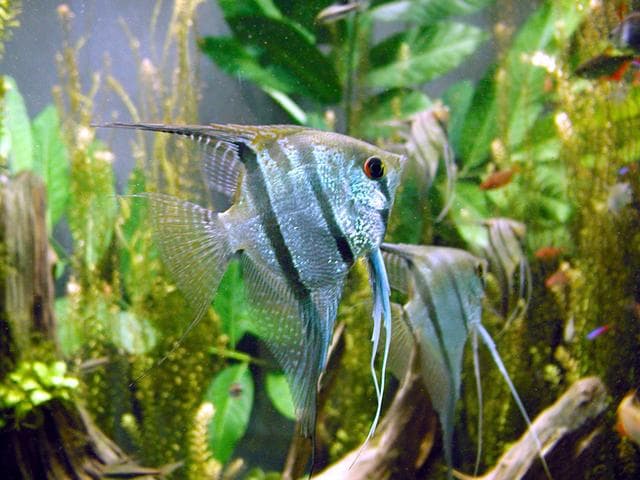
Silver Angelfish · Koi Angelfish · Marble Angelfish
Graceful centrepiece with real personality
Tall, elegant cichlids that recognise their owners and tend their eggs like birds. Need a tall 30+ gallon tank and calm tankmates — the step up from beginner fish into a genuine hobby.
Photo: Wikimedia Commons / mendel / CC BY-SA 1.0
Care guide last reviewed: · Care requirements referenced from veterinary and humane standards.
30+ gallon tall, cycled tank with calm tankmates.
Virtually silent (1/5)
Independent — fine with long quiet stretches
Thrives with daily company
Three curated supplies researched for this companion's specific anatomy and daily welfare
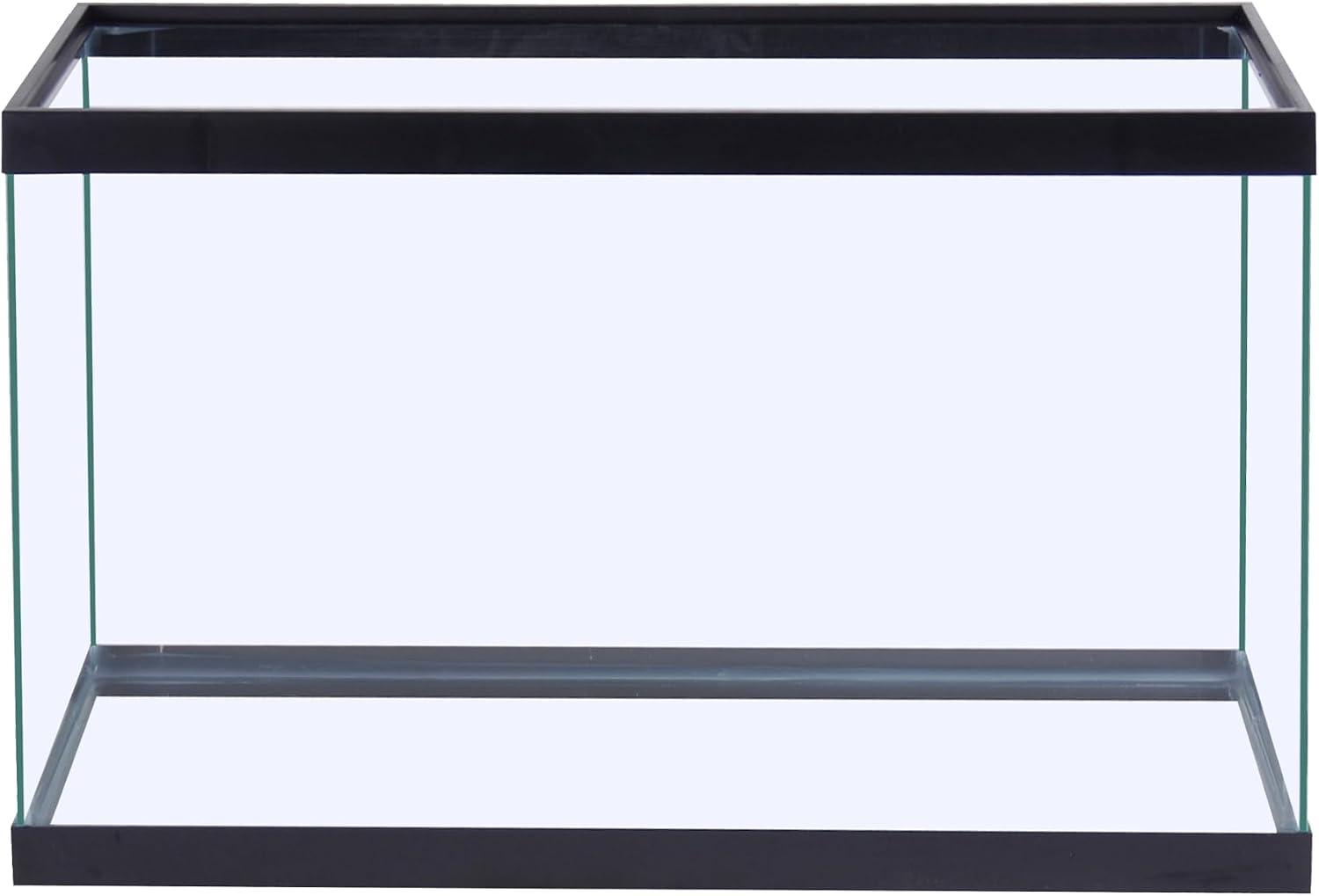
Adult angelfish grow over 8 inches tall with extended dorsal and ventral fin trailers; tall aquariums prevent fin cramping and allow graceful vertical cruising.
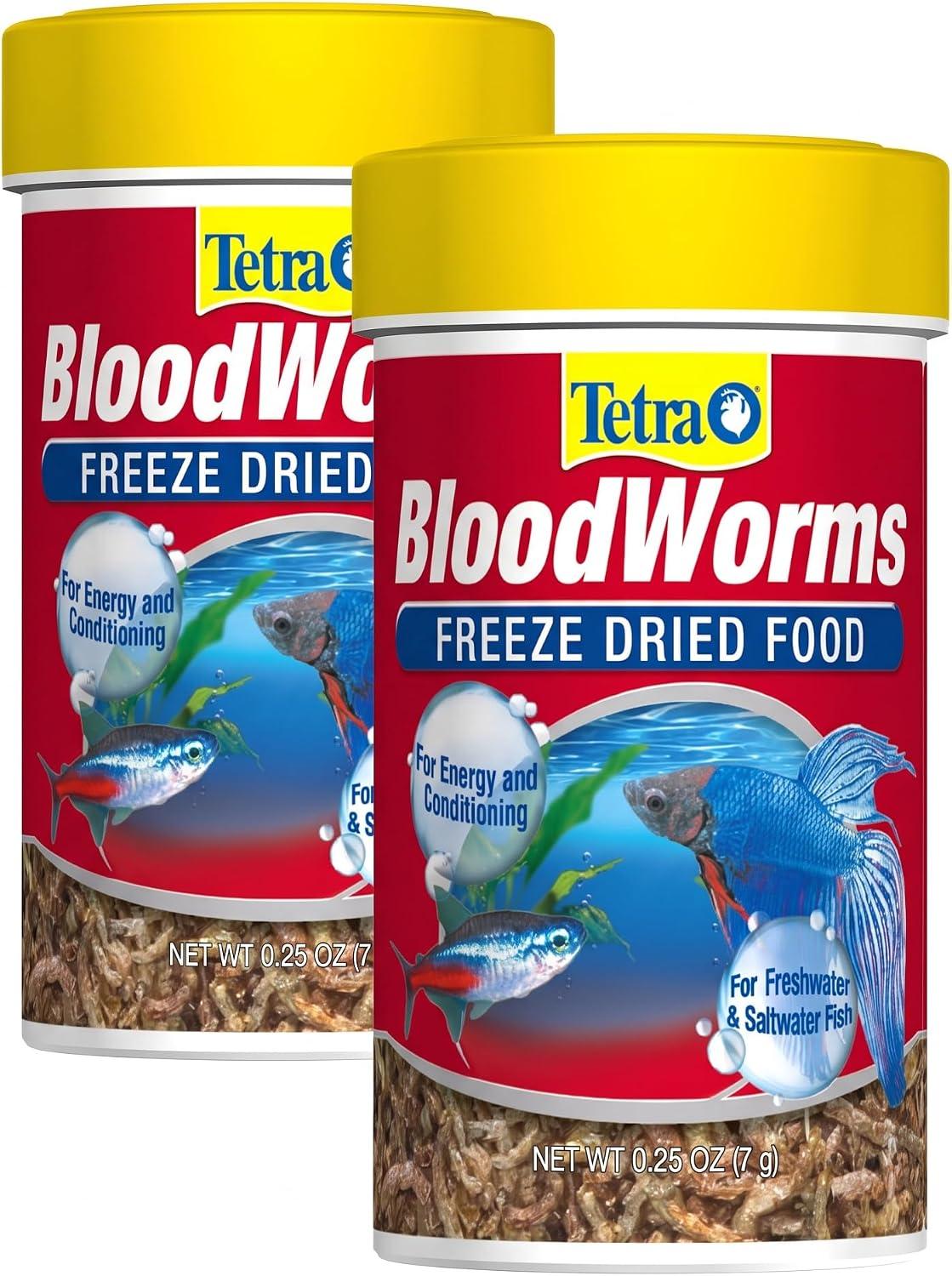
Naturally surface-feeding ambush carnivores, angelfish thrive on insect larvae; sterilized bloodworms fuel vigorous fin growth without live parasite risks.
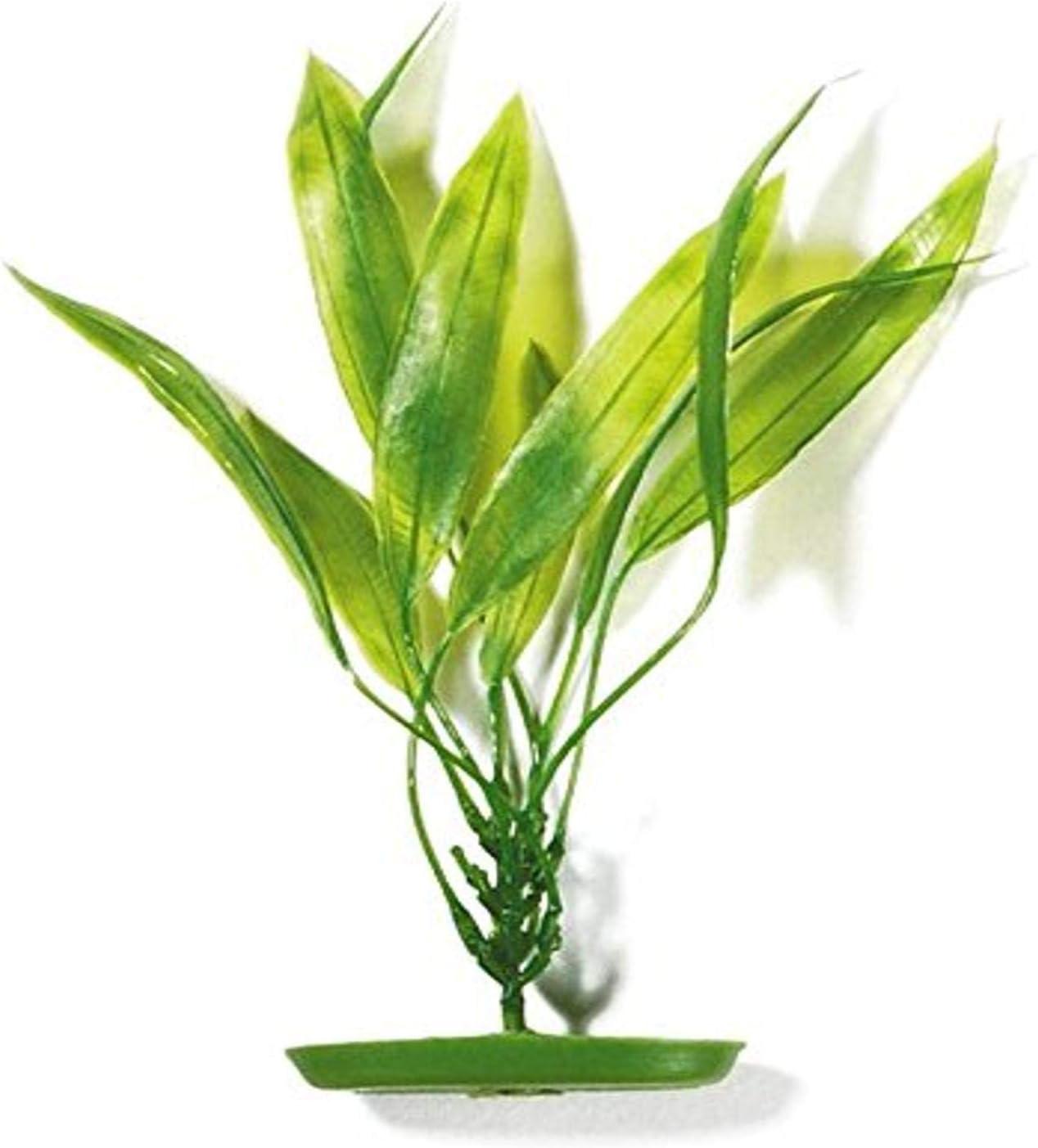
Angelfish naturally spawn and seek shelter against wide vertical foliage; soft silk Amazon sword plants provide security without snagging trailing fins.
As an Amazon Associate, WhatPetSuitsYou earns from qualifying purchases. Product prices and availability are accurate at Amazon and subject to change.
An angelfish pair as pets is grace with attitude: tall gliding cichlids that follow you along the glass, recognize feeding routines, and tend their eggs like birds, fanning and guarding them fiercely. They are semi-aggressive cichlids, not peaceful decorations, and adults eat anything fitting their mouths, including neon tetras they ignored as juveniles.
They need a tall 30-plus gallon tank, warm stable water, and respectful tankmates. Expect spawning territoriality, long fins vulnerable to nippers, and an 8 to 12 year relationship with the most personality per inch in the community hobby.
Feed a quality cichlid flake or pellet as the staple once or twice daily, only what the fish clear in two minutes. Enrich the menu three to four times weekly with thawed frozen bloodworm, brine shrimp, and daphnia for color and breeding condition, plus a weekly vegetable component such as blanched spinach or spirulina food. Angelfish have hearty appetites but deep tanks hide waste, so avoid overfeeding and siphon leftovers promptly.
Fast one day weekly. Replace opened dry food every six months, always thaw frozen food, and condition breeding pairs with extra live or frozen protein rather than extra volume.
Keep a pair in a tall tank of at least 30 gallons, around 150 liters, standing 45 to 50 centimeters high, since adults reach 15 centimeters long and 20 tall fin to fin. Groups starting as six juveniles to let pairs form need 50-plus gallons. Hold water at 75 to 82 degrees with a reliable heater, pH 6.0 to 7.5, soft to moderately hard, always dechlorinated.
Aquascape with tall plants like vallisneria and amazon swords plus driftwood to break sightlines, fit a mature calm filter, add a lid, and cycle fully for weeks before stocking. Never use short shallow tanks that cramp their vertical fins.
Daily care is ten to fifteen minutes: feed a measured meal, confirm steady heat, watch fins and appetite, and check group dynamics for bullying as pairs form. Bonded pairs claim territories and turn aggressive at spawning, so have a backup plan for the odd fish out. Weekly, test ammonia, nitrite, nitrate, and pH, vacuum open areas, and change 20 to 25 percent of the water with matched dechlorinated water.
Wipe algae, prune tall plants, and rinse filter media in old tank water monthly. Breeding pairs guarding eggs need calm and no tank rearrangement.
Angelfish are hardy in stable warm water but suffer ich white spots after chills or new arrivals, torn fins from fin-nipping tankmates like tiger barbs, and bloat from chronic overfeeding. Quarantine newcomers for two to three weeks and never add small fish the angels can swallow. Treat outbreaks with heat, salt, and appropriate medication in quarantine while fixing water quality first.
Few vets treat fish. Healthy angelfish live 8 to 12 years. Persistent hiding, clamped fins, or graying color signal water, bullying, or disease problems needing prompt testing and action.
Juvenile angelfish cost 8 to 15 dollars each, with specialty koi or marble strains 15 to 30. Start with six juveniles at 50 to 100 dollars, expecting a pair to form. A tall 30 to 40 gallon setup with heater, filter, light, lid, substrate, wood, plants, test kit, and conditioner totals 250 to 400 dollars.
Monthly running stays low: cichlid food, frozen food, and conditioner 10 to 20 dollars. Expect the Low tier monthly after setup, with rehoming or a second tank as the likely hidden cost once pairs claim territory.
Angelfish suit dedicated beginners stepping up from community fish, planted-tank lovers, and calm observers wanting an 8 to 12 year centerpiece with real personality. They forgive minor mistakes once water is stable and reward good care with pair bonding and parental egg-tending.
They fail for small tanks, short tanks, instant setups, and communities built around neon tetras or fin-nippers. Buy six juveniles for a 40-gallon tall tank, let a pair form, rehome the rest, and choose tankmates too large to swallow but too peaceful to nip.
At least 30 gallons for a pair, and crucially a tall tank of 45 to 50 centimeters height since adults span 20 centimeters fin to fin. Groups of six juveniles need 50-plus gallons.
Short shallow tanks bend fins and stunt behavior no matter the volume.
Yes, once adult-sized. Angelfish are cichlids that eat anything fitting their mouths, and neons are the classic victims, even ones raised alongside them.
Choose tankmates too large to swallow such as larger tetras, rasboras, rainbowfish, corydoras, or mollies. Plan stocking around adult mouths, not juvenile sizes.
With the right stocking, yes. They mix well with peaceful fish too big to eat and too calm to nip: corydoras, bristlenose plecos, larger tetras, rainbowfish, and mollies.
Avoid fin-nippers like tiger barbs, tiny fish and shrimp, and other territorial cichlids in small tanks.
A bonded pair, or six-plus juveniles in a large tank so aggression spreads until a pair forms. Trios and quartets are the worst option since the weakest fish becomes a constant target.
Rehome extras once a pair claims a territory.
Take our free 15-question what pet should I get quiz to get a personalized compatibility score and see how they match your living environment.
Take the Free Pet Quiz