Loading…
Loading…
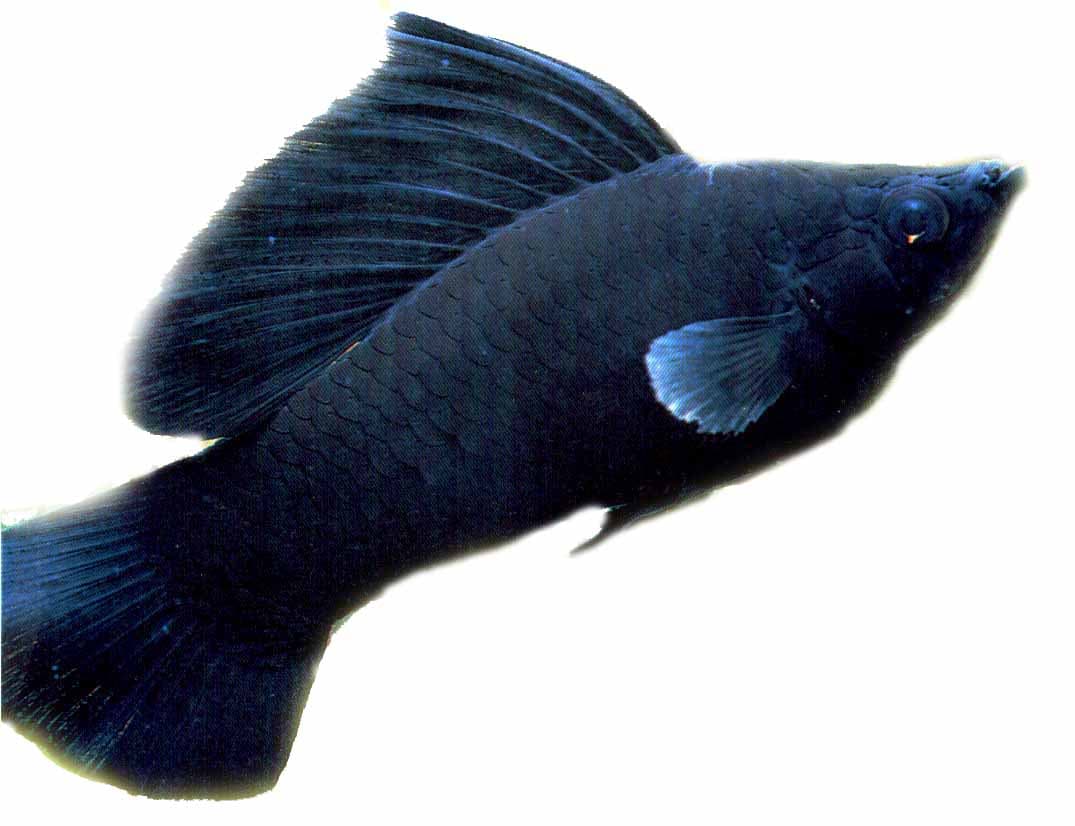
Black Molly · Sailfin Molly · Dalmatian Molly
Hardy livebearer that greets you at the glass
Tough, friendly community fish that eat algae, greet their owners, and give birth to live babies. Keep males-only or accept a steady stream of fry — a lively 20-gallon community suits them best.
Photo: Wikimedia Commons / Patit Paban Halder / CC BY-SA 4.0
Care guide last reviewed: · Care requirements referenced from veterinary and humane standards.
20-gallon heated, filtered community tank.
Virtually silent (1/5)
Highly independent — comfortable alone 8+ hours
Thrives with daily company
Three curated supplies researched for this companion's specific anatomy and daily welfare
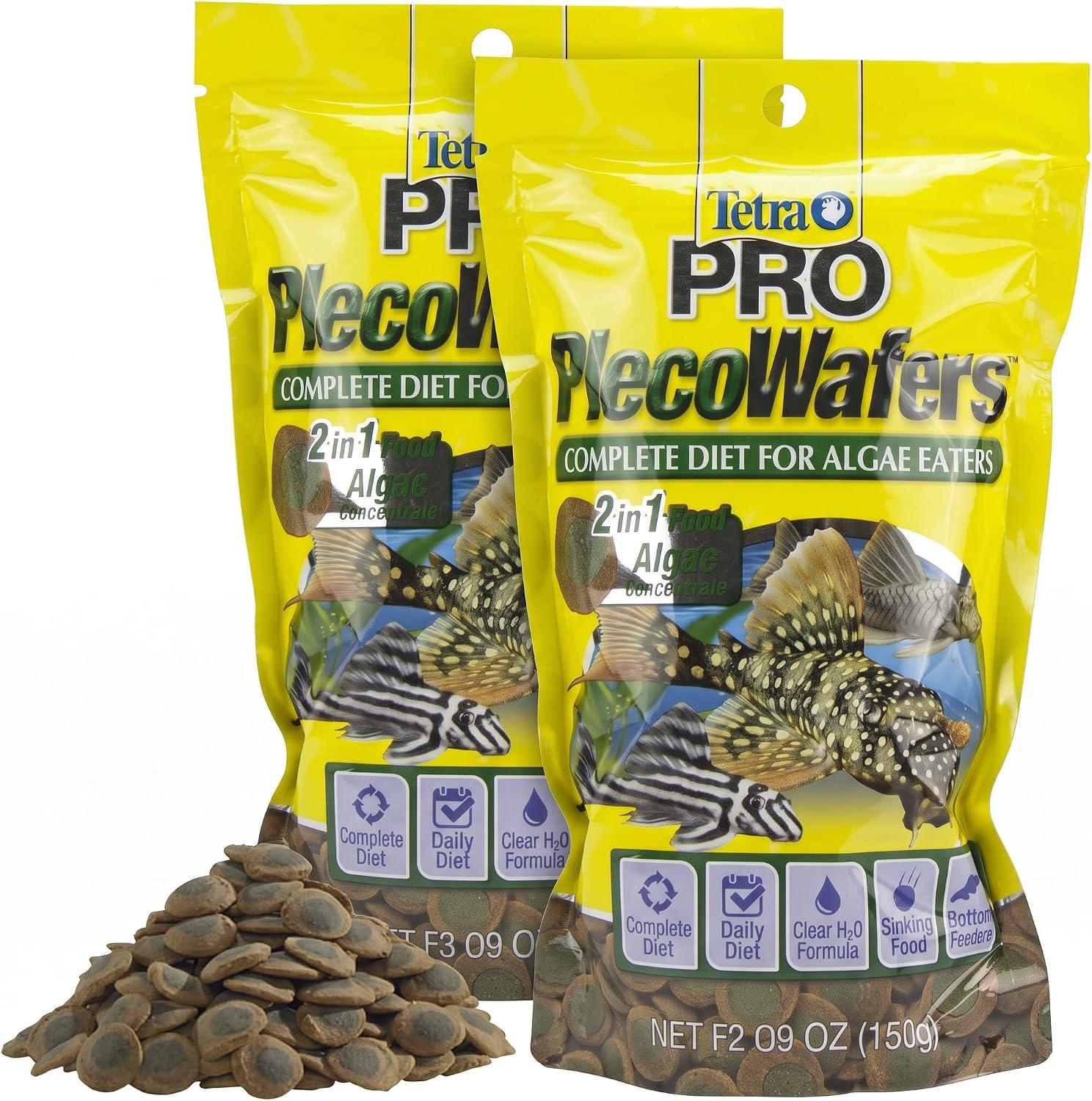
Mollies are heavy herbivores that graze on biofilm and green algae constantly; spirulina wafers prevent constipation and support digestive tract health.
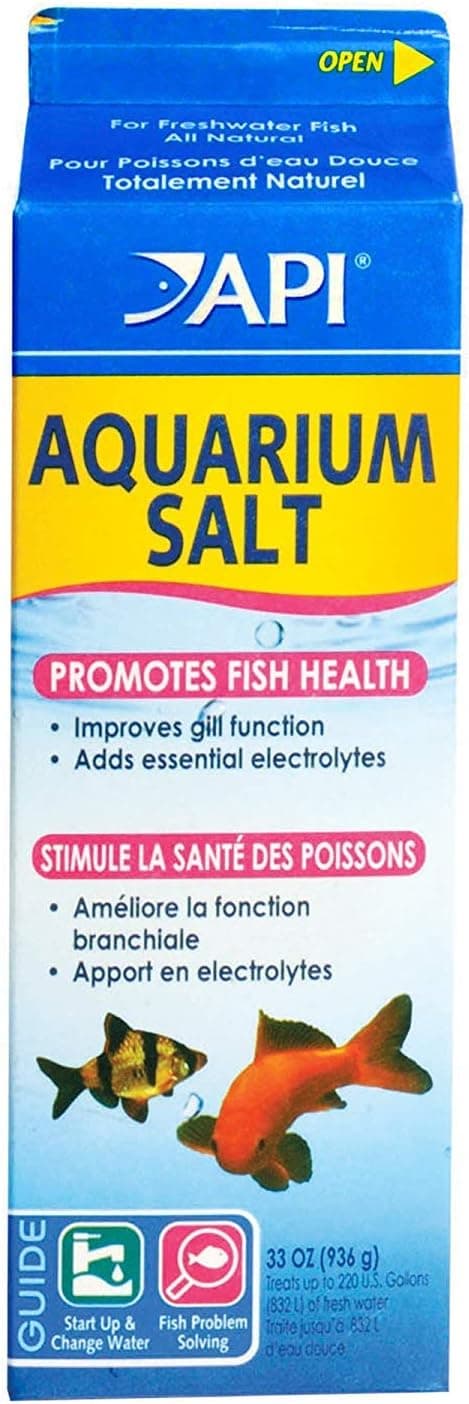
Originating in coastal brackish waters, mollies are vulnerable to "the shimmies" and velvet disease in pure soft water; aquarium salt supports electrolyte balance.
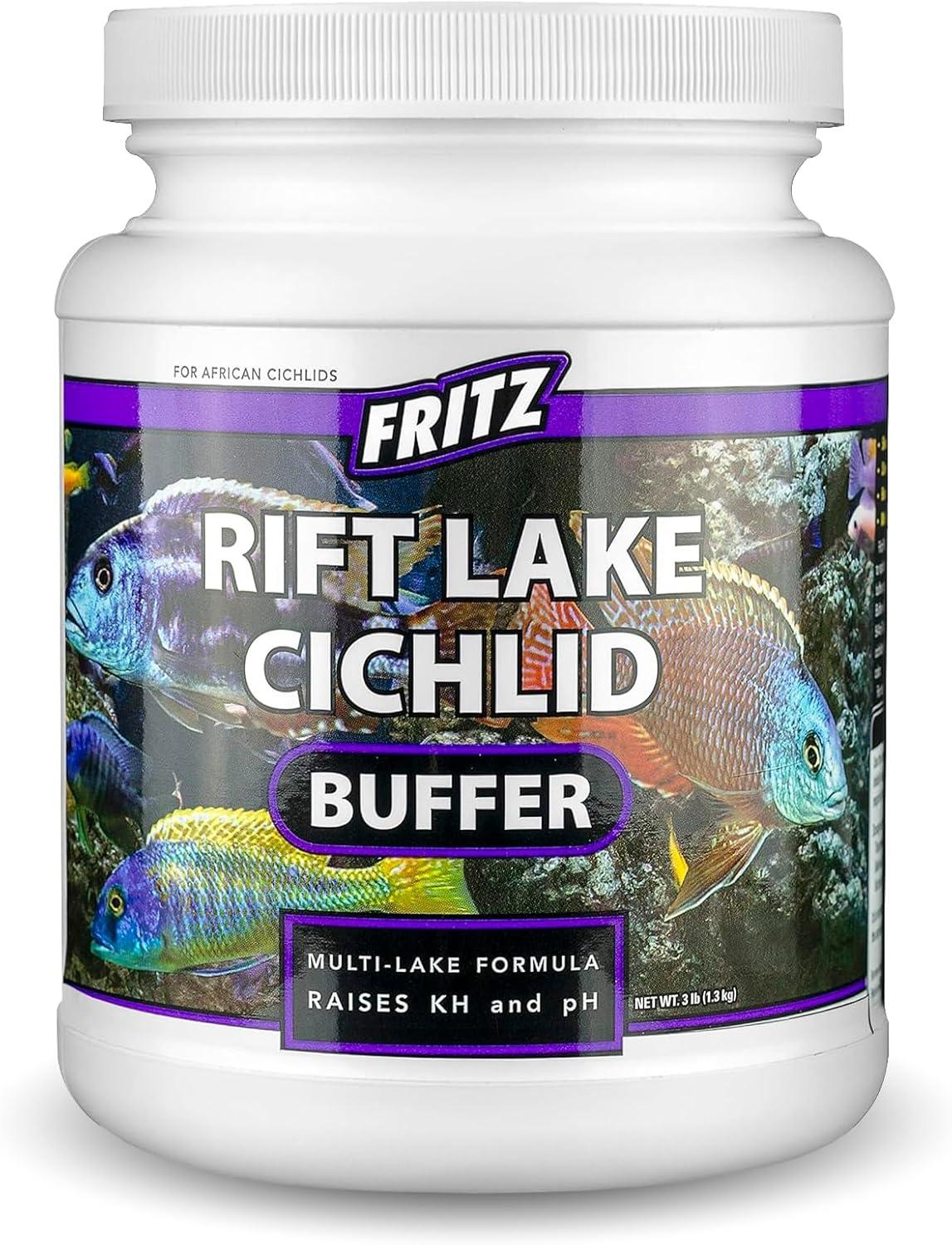
Mollies quickly sicken in acidic water below pH 7.5; calcium-rich aragonite substrate naturally buffers water hardness and maintains an alkaline 7.8-8.2 pH.
As an Amazon Associate, WhatPetSuitsYou earns from qualifying purchases. Product prices and availability are accurate at Amazon and subject to change.
A molly group as pets is cheerful and personable: chunky livebearers that graze algae all day, greet you at the glass, and learn to take food from fingers. They are peaceful in proper ratios but males chase relentlessly when females are scarce, so keep one male to two or three females or go males-only unless fry are wanted.
Females store sperm and produce broods of 20 to 100 fry every month. Expect constant gentle activity, hard-water chemistry needs, and a 3 to 5 year friendship with the friendliest small fish in the hobby.
Feed a vegetable-rich staple of quality flake or micro pellets with spirulina twice daily, only what the group clears in two to three minutes. Mollies are more herbivorous than guppies, so offer blanched zucchini, spinach, deshelled peas, and algae wafers several times weekly alongside thawed frozen daphnia or brine shrimp for protein. They graze constantly, so leave some soft algae on the back glass.
Fast one day weekly and remove uneaten food promptly. Replace opened dry food every six months and always thaw frozen food. Overfed mollies grow fat and foul the water; underfed ones shred plants and harass tankmates.
Keep a group of at least four in a 20-gallon filtered heated tank at minimum, 30 gallons for mixed-sex groups expecting fry and mandatory for large sailfins reaching 10 to 15 centimeters. Hold water at 72 to 82 degrees, pH 7.5 to 8.5, hard at 15 to 30 degrees hardness, always dechlorinated.
In soft-water areas add crushed coral or aragonite substrate to hold hardness and pH. Plant with hard-water species like vallisneria, java fern, and anubias, fit a standard filter with moderate flow, add a lid, and cycle fully before stocking since mollies resent ammonia and nitrate.
Daily care is five to ten minutes: feed a measured vegetable-rich meal, check temperature, confirm steady filtration, and watch for shimmying, clamped fins, or a harassed female hiding. Weekly, test ammonia, nitrite, nitrate, and pH, vacuum the substrate, and change 20 to 25 percent of the water with matched dechlorinated water.
Wipe glass but leave some grazing algae, trim plants, and rinse media in old tank water monthly. In mixed tanks check for fry in plant cover and move females to drop in dense moss rather than stressful breeder boxes.
The classic molly complaint is the shimmy, rocking in place with clamped fins, caused by soft acidic water or chill; correct hardness, pH, and heat before medicating. They are sensitive to ammonia, nitrite, and nitrate, so cycle thoroughly and change water weekly. Ich, fin rot, and internal parasites arrive with new stock, so quarantine for two weeks.
Males harass lone females relentlessly, causing stress disease, which proper ratios prevent. Few vets treat fish. Healthy mollies live 3 to 5 years; soft-water tanks cut that sharply no matter the medication.
Mollies cost 3 to 6 dollars each, so a group of four runs 12 to 24 dollars. A 20-gallon setup with heater, filter, light, lid, hard-water substrate, plants, test kit, and conditioner totals 150 to 250 dollars. Monthly running is minimal: vegetable flake, wafers, frozen food, and conditioner 8 to 15 dollars.
Expect the Minimal tier monthly. Sailfin varieties need 30 gallons, raising setup costs. The hidden expense is fry: mixed groups produce 20 to 100 babies monthly, so plan rehoming or a bigger tank.
Mollies are friendly beginner fish for cycled hard-water tanks, kids tanks, and community setups where owners want interactive grazers for 3 to 5 years. They eat algae, greet owners, and even hand-feed once settled.
They fail in soft acidic water, uncycled tanks, and 10-gallon setups, and mixed-sex groups overwhelm owners who fear fry. Keep males only or a one-male-to-three-female group with a fry plan, match their hard alkaline water honestly, and they are among the most rewarding community fish for beginners.
Enormously. A single mating produces multiple broods since females store sperm, each yielding 20 to 100 live fry every four to six weeks.
Mixed-sex tanks become colonies within months. Keep males only for zero fry, or plan grow-out space and rehoming before buying both sexes.
Four to six short-finned mollies in a filtered planted 20-gallon tank, with one male to two or three females. Large sailfin mollies need 30 gallons minimum at 10 to 15 centimeters adult size.
Mixed-sex groups need extra room for the inevitable fry.
Shimmying with clamped fins almost always means soft, acidic, or cool water. Mollies need hard alkaline water at pH 7.5 to 8.5 and 72 to 82 degrees.
Test hardness and pH, add crushed coral if soft, correct the temperature, and change water. Persistent shimmy after correction needs expert diagnosis.
Yes, in hard alkaline water with enough space. Both are peaceful livebearers wanting similar conditions, though mollies prefer harder water than guppies tolerate at the soft end.
Keep them in 20-plus gallons with plants, proper sex ratios, and a fry plan since both breed constantly.
Take our free 15-question what pet should I get quiz to get a personalized compatibility score and see how they match your living environment.
Take the Free Pet Quiz