Loading…
Loading…
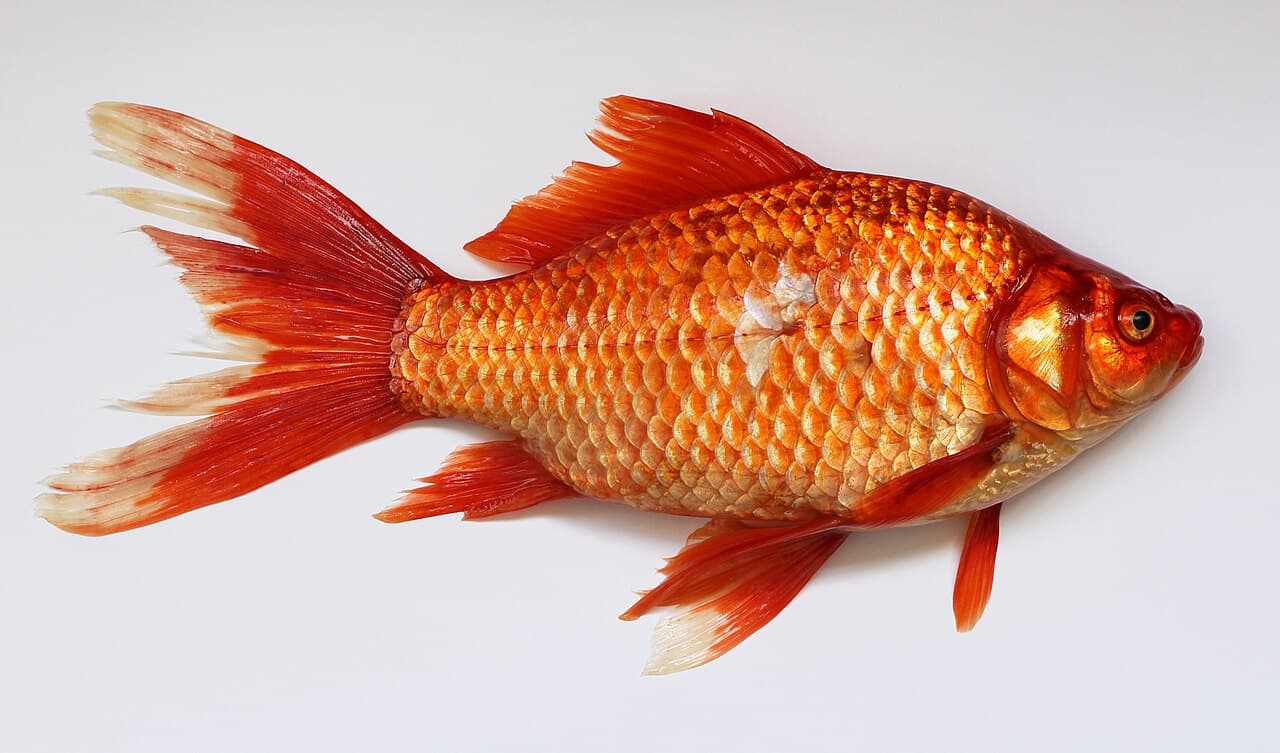
Common Goldfish · Comet Goldfish
NOT a bowl fish — a 10-year pond companion in the making
The most misunderstood pet: common goldfish grow to 30 cm and live 10–15 years in a 40+ gallon tank or pond with strong filtration. In the right setup they learn to hand-feed.
Photo: Wikimedia Commons / George Chernilevsky / Public domain
Care guide last reviewed: · Care requirements referenced from veterinary and humane standards.
40+ gallon tank or outdoor pond with strong filtration. Never a bowl.
Virtually silent (1/5)
Highly independent — comfortable alone 8+ hours
Thrives with daily company
Three curated supplies researched for this companion's specific anatomy and daily welfare
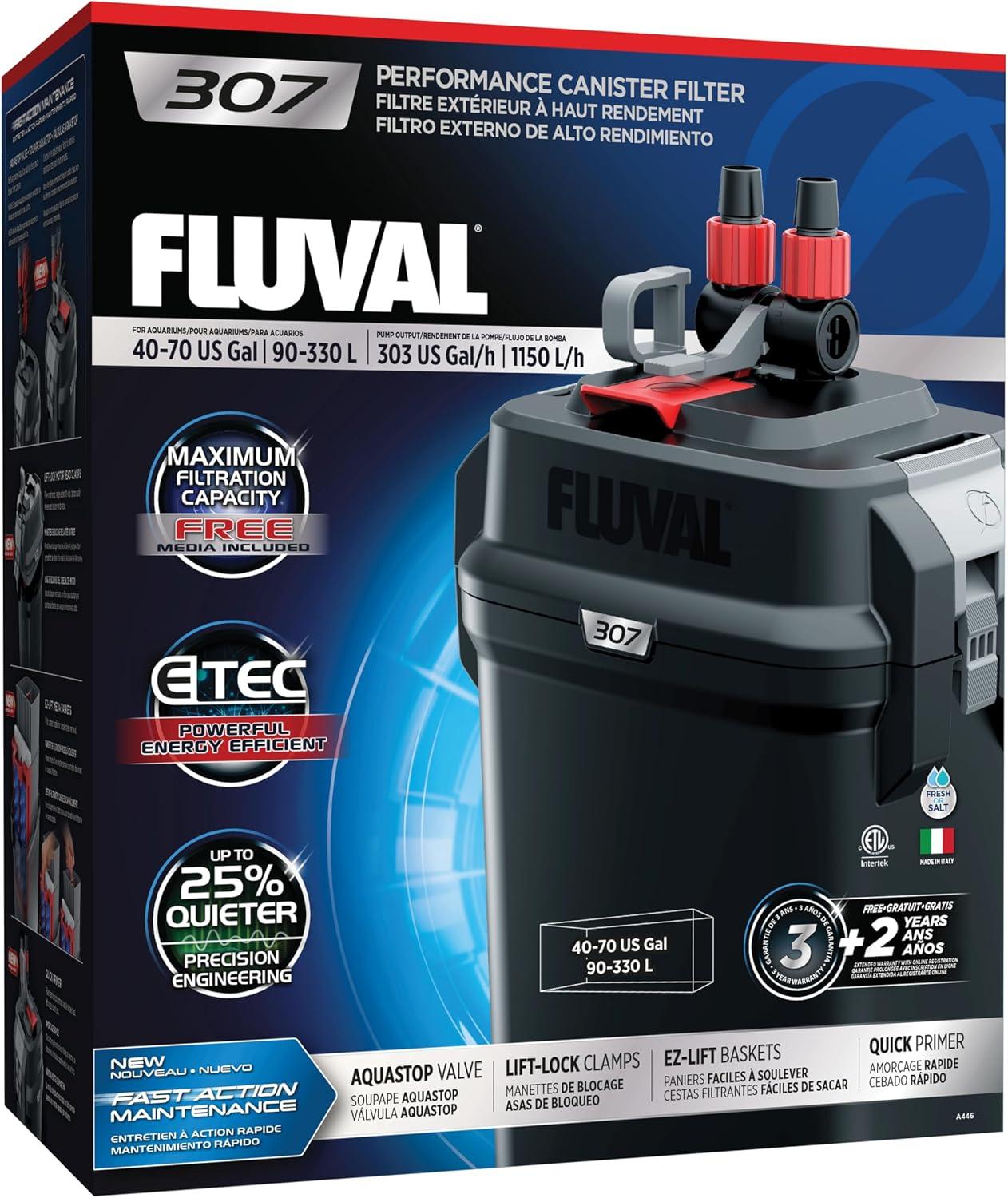
Goldfish lack true stomachs and produce immense ammonia waste; high-capacity multi-stage canister filters process heavy biological bioloads cleanly.
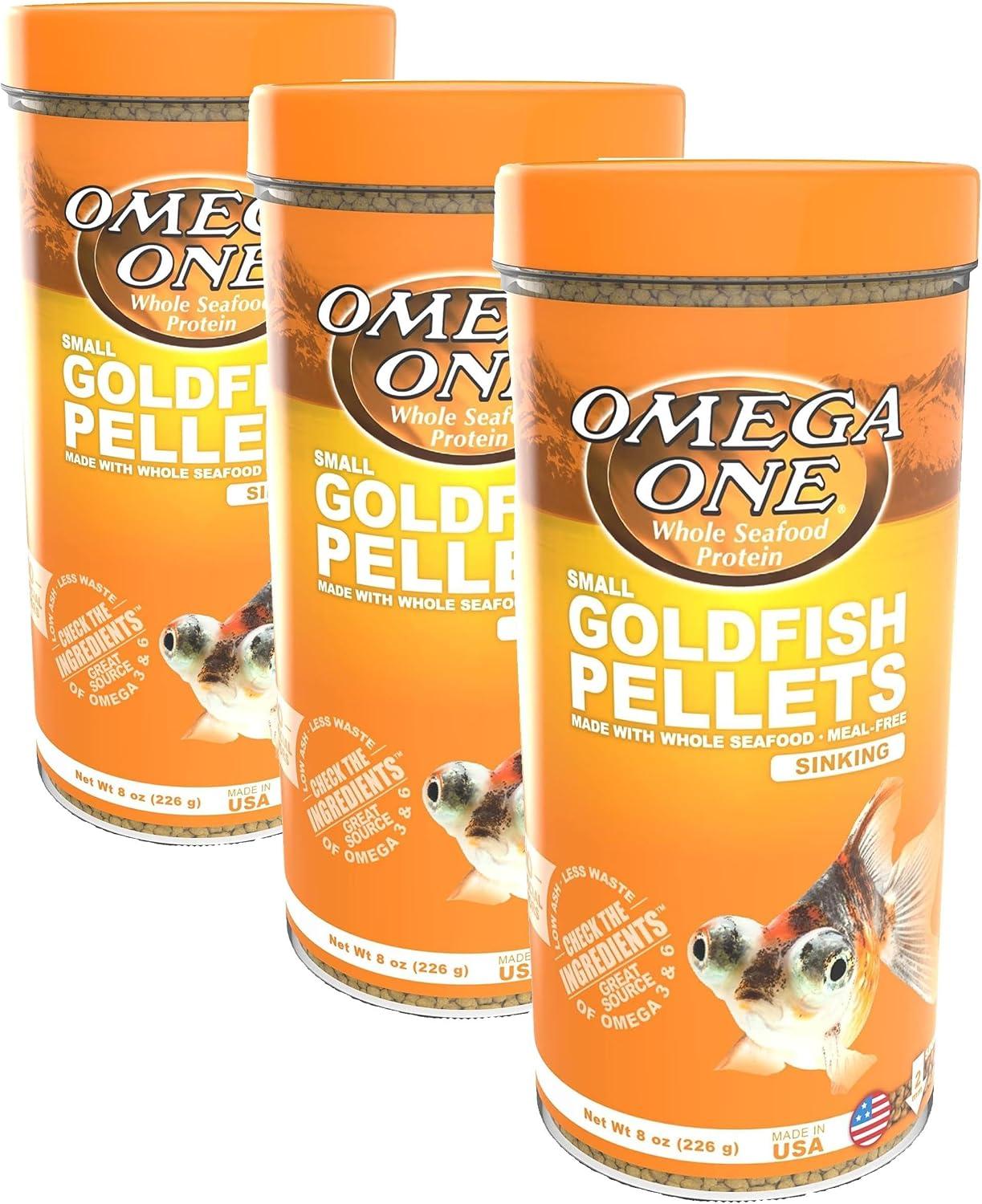
Floating flakes cause fancy goldfish to gulp surface air, leading to swim bladder disease; slow-sinking digestive pellets keep them foraging down at substrate level.
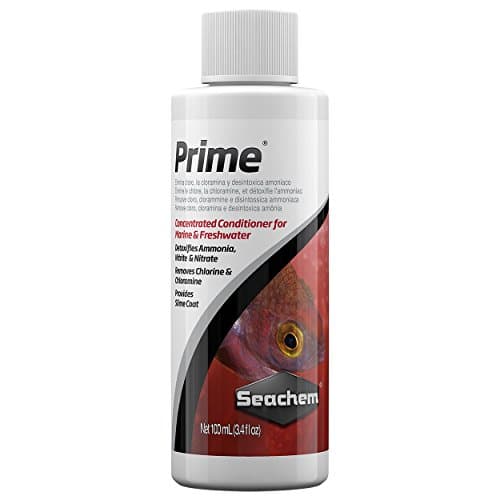
Goldfish are sensitive to tap chloramines; Seachem Prime detoxifies tap chlorine while temporarily binding lethal spikes of ammonia and nitrite.
As an Amazon Associate, WhatPetSuitsYou earns from qualifying purchases. Product prices and availability are accurate at Amazon and subject to change.
A common goldfish as a pet is a misunderstood pond companion, not a bowl ornament: it grows to 25 to 30 centimeters, lives 10 to 15 years, recognizes its owner, and learns to hand-feed at the surface. They are social cold-water fish needing 40-plus gallons with strong filtration and company of their own kind, with no heater required at 18 to 22 degrees.
Never keep one in a bowl, where ammonia poisons it within weeks. Expect big weekly water changes, constant grazing and digging, eaten soft plants, and a begging face at the glass for over a decade.
Feed a quality sinking goldfish pellet once or twice daily, only what the fish finish in two minutes, since floating flakes cause air-gulping and swim-bladder trouble. Supplement twice weekly with blanched deshelled peas, spinach, courgette, or duckweed for fiber and digestion, plus occasional thawed bloodworm or daphnia as a treat. Goldfish beg relentlessly but overfeeding fouls their heavy-waste tanks fast, so skip extra meals and fast one day weekly.
Remove uneaten food promptly, replace opened dry food every six months, and never feed bread, crackers, or unthawed frozen blocks. Two fish in a big tank need surprisingly little food to stay healthy.
Give common goldfish 40 or more gallons for the first fish plus 12 to 15 gallons per extra fish, in a long tank of at least three to four feet, with a pond the ideal adult home. Never use a bowl: bowls cannot hold filtration or dilute the massive waste these fish produce. Filter heavily with a canister or hang-on-back rated for two to three times the tank volume plus a sponge filter, and keep water cold at 18 to 22 degrees with no heater.
Use smooth gravel or sand, tough plants like anubias and java fern, and a lid, since goldfish dig, eat soft plants, and splash. Cycle fully for weeks before stocking.
Daily care is ten to fifteen minutes: feed a small measured meal, watch every fish swim and eat, glance at the thermometer, and confirm strong filter flow. Goldfish learn to hand-feed, so use meals as health checks and training. Weekly, test ammonia, nitrite, nitrate, and pH, vacuum the substrate, and change 25 to 30 percent of the water, twice weekly for common goldfish at higher stocking.
Monthly, rinse filter media in old tank water and prune damaged plants. Never replace all water at once and never wash media in tap water, which kills the bacteria carrying the tank.
Most goldfish disease traces to small tanks and dirty water: ich shows as salt-grain spots, fin rot and ammonia burns as ragged bloody fins, fungus as cottony patches, and swim-bladder trouble as floating or sinking after overfeeding on flakes. Treat with clean water, correct temperature, aquarium salt, and species-appropriate medication in quarantine; few vets treat fish, so prevention rules. Quarantine newcomers for three to four weeks.
Properly kept commons live 10 to 15 years and reach 25 to 30 centimeters, while bowl-kept fish rarely survive twelve months. Stunting from cramped tanks damages organs permanently.
A common or comet goldfish costs 2 to 10 dollars, the cheapest animal here. The honest expense is housing: a 40 to 55 gallon tank with stand 150 to 300 dollars, a strong canister or oversized hang-on-back filter 80 to 200, plus substrate, decor, test kit, conditioner, siphon, and food adding 80 to 150. Monthly running stays low at 10 to 20 dollars for pellets, vegetables, conditioner, and electricity.
Expect the Low tier monthly, but only after a 250 to 500 dollar setup. A pond costs more upfront and far less in maintenance.
Goldfish suit patient beginners with real tank space, families whose children help with adult-supervised water changes, and pond owners wanting a 10 to 15 year pet that hand-feeds. They fail completely as bowl fish, desktop pets, or impulse fairground prizes. Accept the heavy filtration, big weekly water changes, and giant adult size upfront.
If you can give 40-plus gallons with strong filtration and weekly maintenance, you get a hardy, personable cold-water companion. If you cannot, choose guppies or a betta instead of sentencing a pond fish to a bowl.
No, never. Bowls hold no filtration, cannot dilute the huge waste goldfish produce, and stunt growth while poisoning the fish with ammonia.
Bowl-kept goldfish usually die within months. Commons need 40-plus gallons with strong filtration or a pond, where they live 10 to 15 years.
At least 40 gallons for one common or comet goldfish, plus 12 to 15 gallons per extra fish, with filtration rated two to three times the tank volume. Fancy varieties manage 20 gallons for the first fish.
Plan for the 25 to 30 centimeter adult, not the small juvenile in the shop.
No. Common goldfish are cold-water fish thriving at 18 to 22 degrees and tolerating cooler pond water.
Warm tropical temperatures stress them and shorten lives. Only add gentle heating if the room drops near freezing, and never keep them in heated tropical community tanks long term.
Ten to 15 years in a proper filtered tank, 20-plus in a good pond, with 30 possible. Bowl-kept fish rarely pass a year.
Longevity comes from space, over-filtration, weekly water changes, sinking pellets with vegetables, and avoiding chronic overfeeding. Fancy varieties average 10 to 15 years with the same care.
Take our free 15-question what pet should I get quiz to get a personalized compatibility score and see how they match your living environment.
Take the Free Pet Quiz