Loading…
Loading…
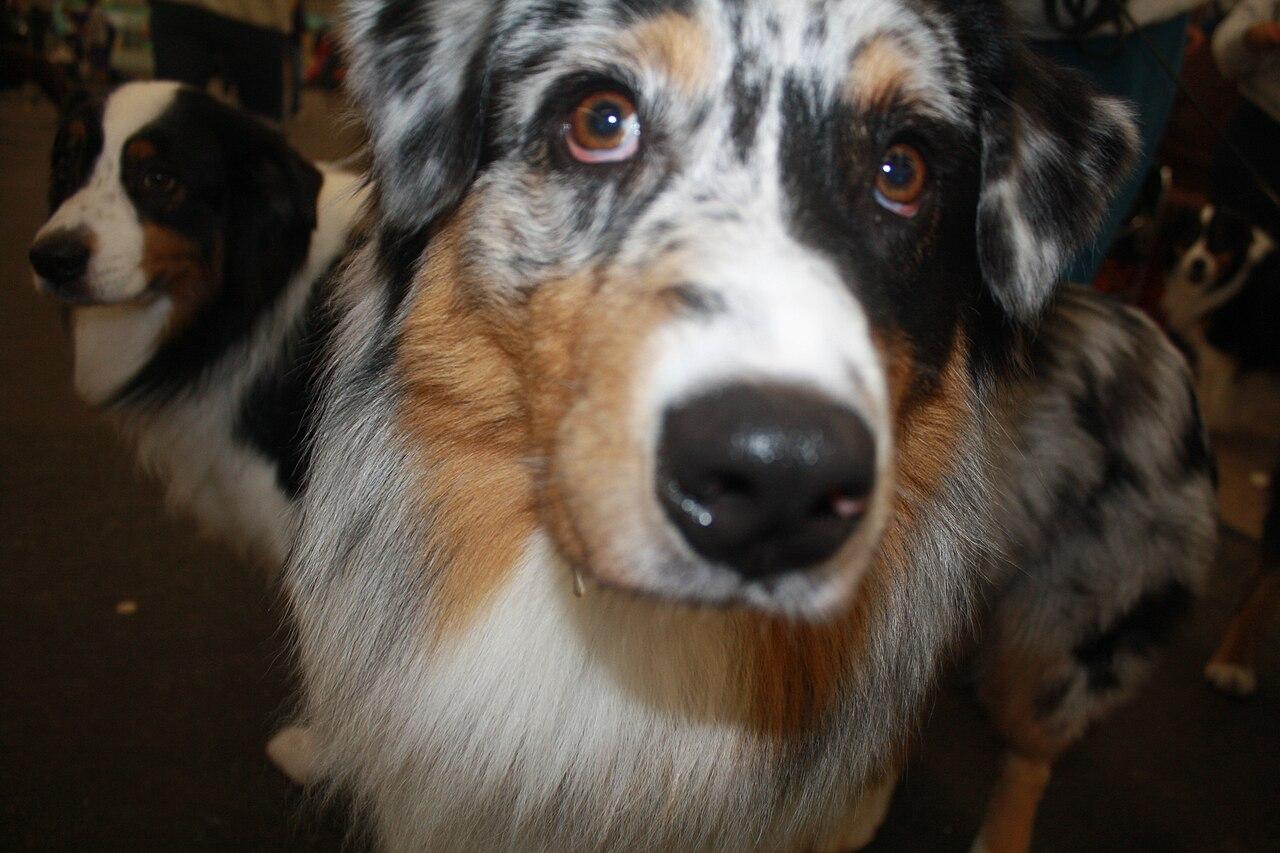
Standard Australian Shepherd · Miniature American Shepherd
Energetic ranch partner that thrives on adventure
Beautiful, driven, and tireless — Aussies live for hiking, fetch, and agility with their person. Like Border Collies they need hours of action plus training; the Miniature variety fits smaller homes with the same engine.
Photo: Wikimedia Commons / Fido Factor / CC BY-SA 2.0
Care guide last reviewed: · Care requirements referenced from veterinary and humane standards.
House with garden or daily field access; not a couch breed.
Moderate (3/5)
Cannot be left alone long — needs company most of the day
Thrives with daily company
Three curated supplies researched for this companion's specific anatomy and daily welfare
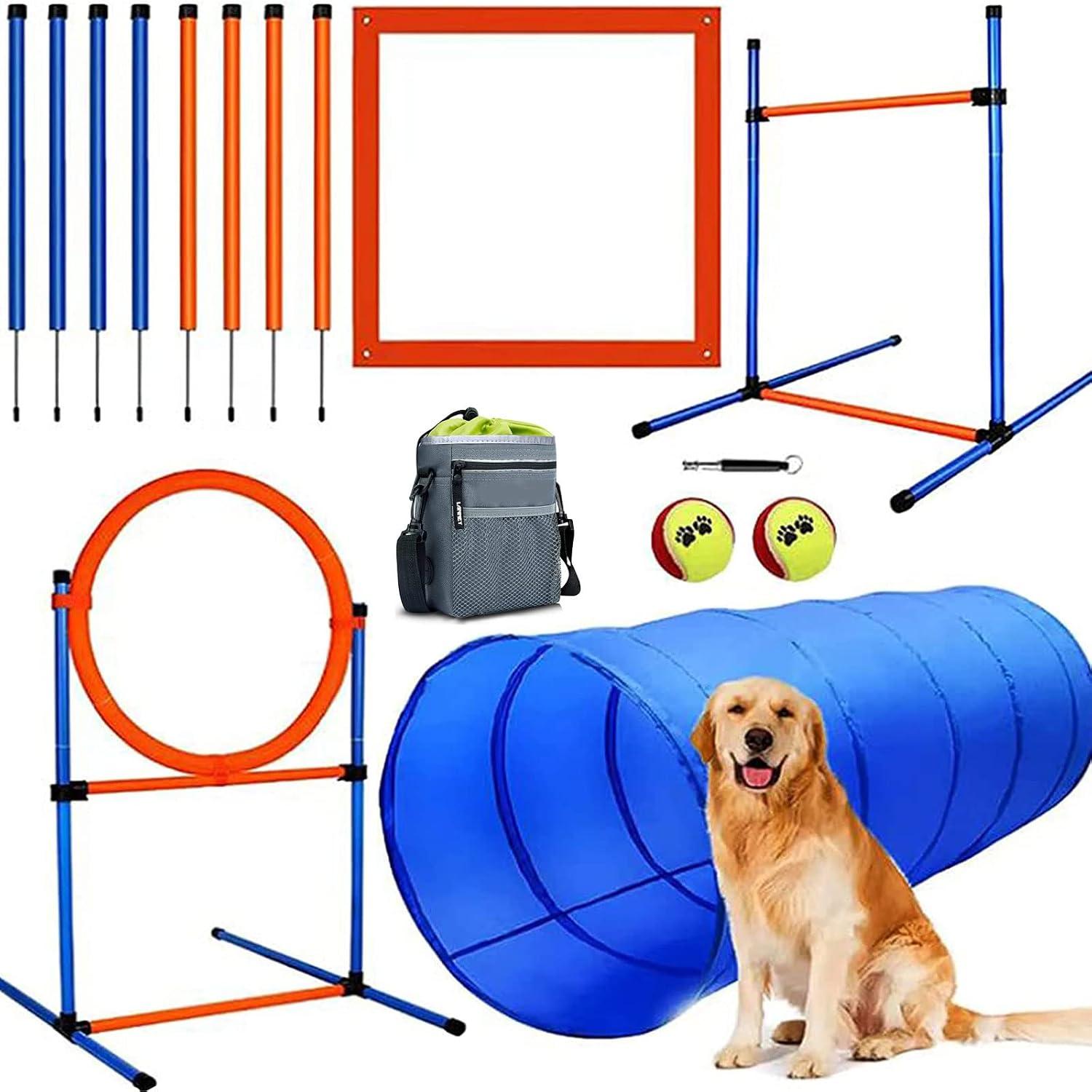
Aussies combine razor-sharp intelligence with explosive athletic speed; backyard weave poles and jumps burn hyperactive energy and strengthen handler focus.
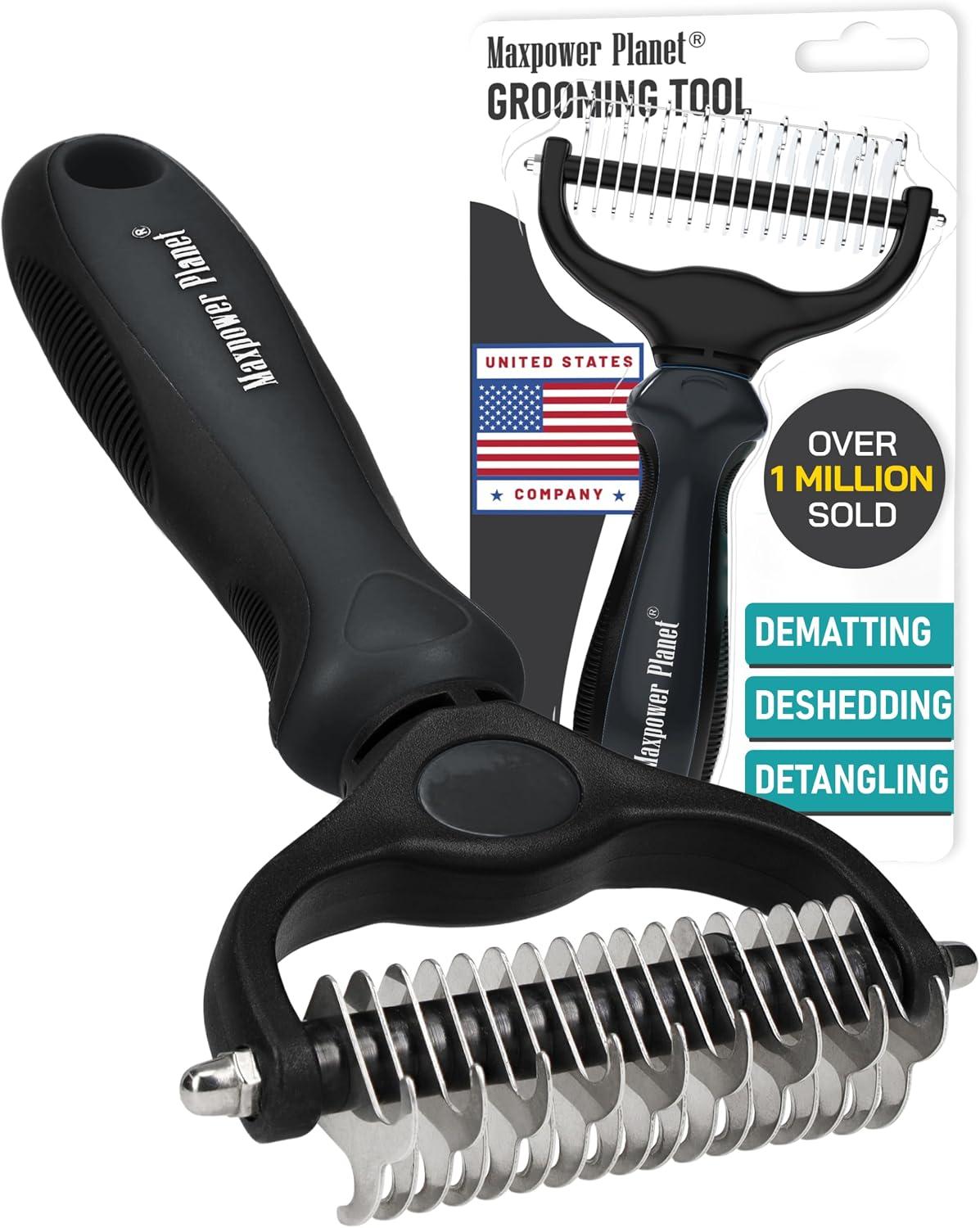
Aussies boast a weather-resistant double coat with thick feathering; rounded dual blades clear deep undercoat shedding while preventing painful raking mats.
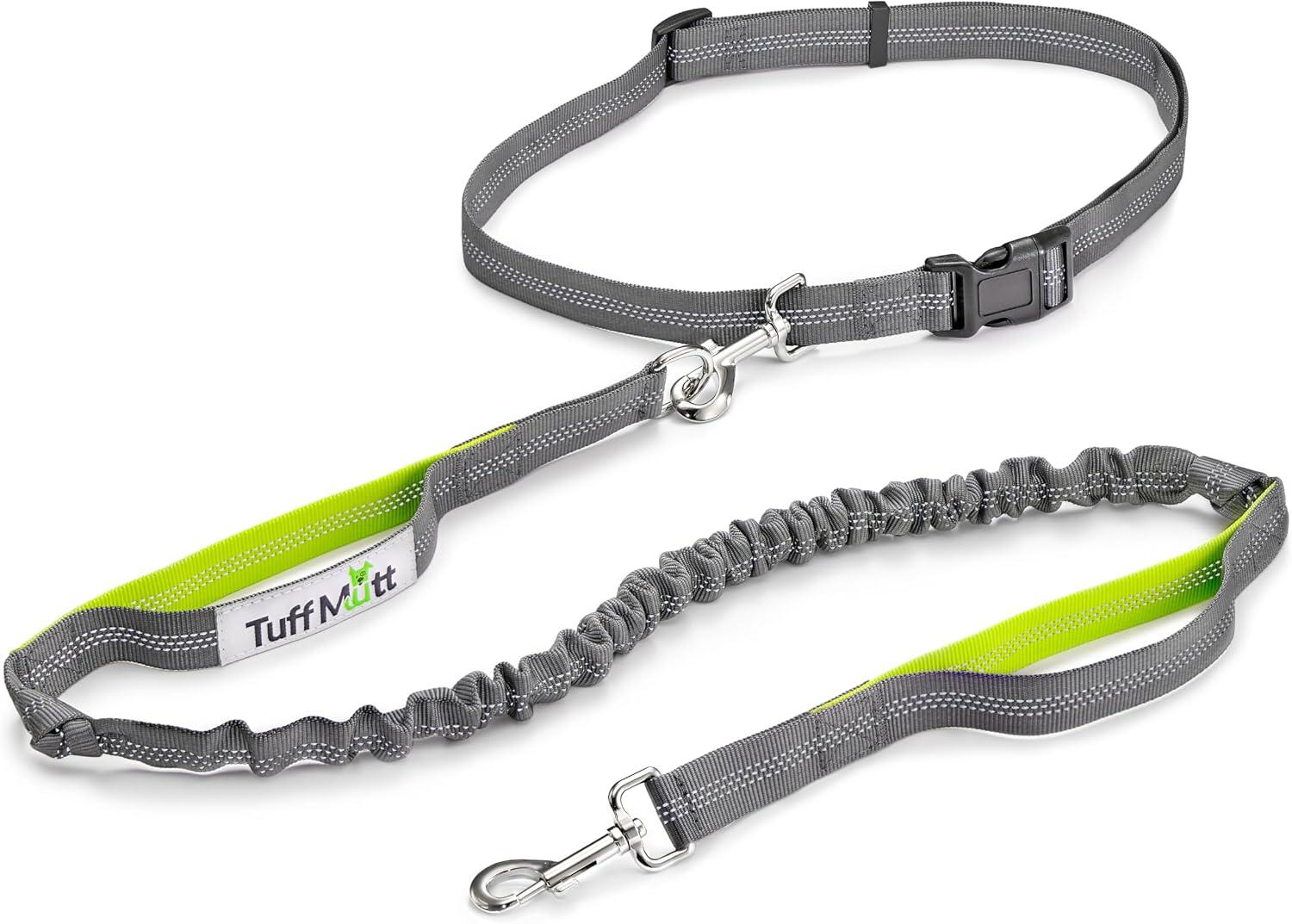
Ideal partners for marathon runners and hikers, Aussies sprint ahead in sudden bursts; a shock-absorbing bungee leash absorbs abrupt pulls along rough trails.
As an Amazon Associate, WhatPetSuitsYou earns from qualifying purchases. Product prices and availability are accurate at Amazon and subject to change.
As a pet, the Aussie is a loyal adventure buddy with a ranch-hand work ethic: it hikes, swims, camps, learns tricks for applause, bonds hard to its family, and watches the house with sharp alert barking. With kids it is playful and protective but herds running toddlers by circling and nipping — supervise and train. Noise is moderate-to-high when bored (barking, demand vocalisations) and low in a worked dog.
Shedding is heavy year-round with spectacular seasonal blows. Solitude tolerance is poor — 8-hour alone days plus no job equals a demolished garden. Give it adventure, training, and family inclusion, and few breeds match its joyful athletic devotion.
Feed a complete active adult food in two measured meals daily — a typical 40 to 55 lb Aussie burns 1,100 to 1,600 calories, more on hiking or agility days — keeping ribs felt and a visible waist. Match portions to workload (leaner in rest weeks, fuller in sport season), keep treats under 10 percent, and use food toys to slow gulping. Standards need large-breed-aware growth: 3 puppy meals until 6 months with controlled calcium.
Miniature American Shepherds (20 to 35 lb) need proportionally less at 600 to 900 calories but identical meal discipline. Avoid chocolate, grapes, raisins, onions, garlic, xylitol, cooked bones, and fatty scraps, and weigh monthly — the thick double coat hides weight gain for months.
A house with a garden plus daily field, trail, or beach access is the setup; Miniatures cope with smaller homes but keep the same engine and need equal outings. Fence to 6 feet (Aussies jump and climb when bored), lock gates, and provide a crate as a settle den plus puzzle-toy stations for rainy days. Lay non-slip rugs for dysplasia-prone joints, set up shade and water outdoors, and keep a full grooming kit — slicker, undercoat rake, nail tools — because the double coat sheds professionally.
Puppy-proof for a clever thief: bins, counters, laundry, and garden beds are all targets. A training-club membership nearby matters more than garden size.
Give 2 or more hours daily: 60 to 90 minutes of vigorous exercise (running, hiking, fetch, swimming, agility) plus 20 to 30 minutes of obedience, trick, or herding-ball training — Aussies need thinking as much as running. Brush the double coat 2 to 3 times weekly (15 minutes; daily during spring and autumn coat blows), check ears, brush teeth several times weekly, and trim nails monthly.
Puppies need short play bursts, toilet breaks every 2 hours, enforced naps, and early socialisation to bikes, livestock rules, and children. Without the routine, expect barking, fence-running, heel-nipping, and creative landscaping within weeks.
Annual vet checks with weight, eye, joint, and neurological review; twice-yearly for seniors. Buy from breeders with hip and elbow scores, eye examinations (collie eye anomaly, cataracts, PRA), and MDR1 testing — the multidrug-sensitivity mutation is common in Aussies and changes wormer and anaesthetic choices, so test before prescribing high-risk drugs. Watch for epilepsy (seizures from young adulthood, lifelong medication), hip and elbow dysplasia (bunny-hopping, stiffness), and deafness in double-merle puppies (never buy these).
Report herding-nip escalation or motion-chasing early for behaviour help. Insure well — orthopaedic surgery and lifelong epilepsy drugs are the budget risks.
Budget $150 to $240 a month: $55 to $85 for active-dog food and treats, $25 to $40 for prevention and amortised vaccines, $20 to $40 for toys and chews, $30 to $60 amortised for training classes, agility, or club fees, and $40 to $65 for insurance. First year runs $2,000 to $3,200 with puppy price, vaccines, spay or neuter, crate, and starter training. Double coats add periodic professional deshedding grooms ($60 to $100).
Cost drivers are hip surgery ($5,000+), lifelong epilepsy medication and blood monitoring, and eye workups. Miniatures cost slightly less to feed but identically to train and insure.
Aussies stretch keen beginners but punish casual ones — high experience demands with slightly more forgiveness than a Border Collie. You will succeed with an active outdoor lifestyle, 2 or more free hours daily, a garden, enthusiasm for training classes, and tolerance for heavy shedding and herding quirks. First-timers in flats, full-time workers, or families wanting a calm plug-and-play dog will struggle: under-worked Aussies bark, nip heels, chase bikes and cars, and redecorate gardens.
The Miniature fools buyers with its size but runs identical software. Try a Golden for the adventure look with half the intensity, or commit to dog sport as your new hobby.
At least 2 hours daily: 60 to 90 minutes of vigorous activity (running, hiking, fetch, swimming) plus 20 to 30 minutes of training or dog sport. A stroll round the block barely warms one up. Miniatures need the same program despite their size.
Without it, expect barking, digging, heel-nipping, and chasing. Puppies need shorter age-appropriate sessions with rest.
A common mutation that lets certain drugs (including some wormers like ivermectin, plus specific sedatives and cancer drugs) cross into the brain with toxic effects. A cheap cheek-swab DNA test classifies dogs clear, carrier, or affected — test before high-risk prescriptions and tell every vet.
Responsible breeders screen for it alongside hip, elbow, and eye tests.
Same brain, different package: Standards (40 to 55 lb) suit houses with gardens and big adventures; Miniature American Shepherds (20 to 35 lb) fit smaller homes and cars but need identical 2-hour exercise and training — minis are not low-energy lapdogs. Both shed heavily and herd.
Choose on space and lifting ability, not on hopes of a calmer dog.
Only very active, committed ones. Aussies are biddable and affectionate, but need 2 or more hours daily, training classes, and management of herding instincts around kids, bikes, and cars.
Apartment life, long workdays, or a quiet-pet dream point elsewhere — a Golden or Labrador gives similar loyalty with far lower intensity.
Take our free 15-question what pet should I get quiz to get a personalized compatibility score and see how they match your living environment.
Take the Free Pet Quiz