Loading…
Loading…
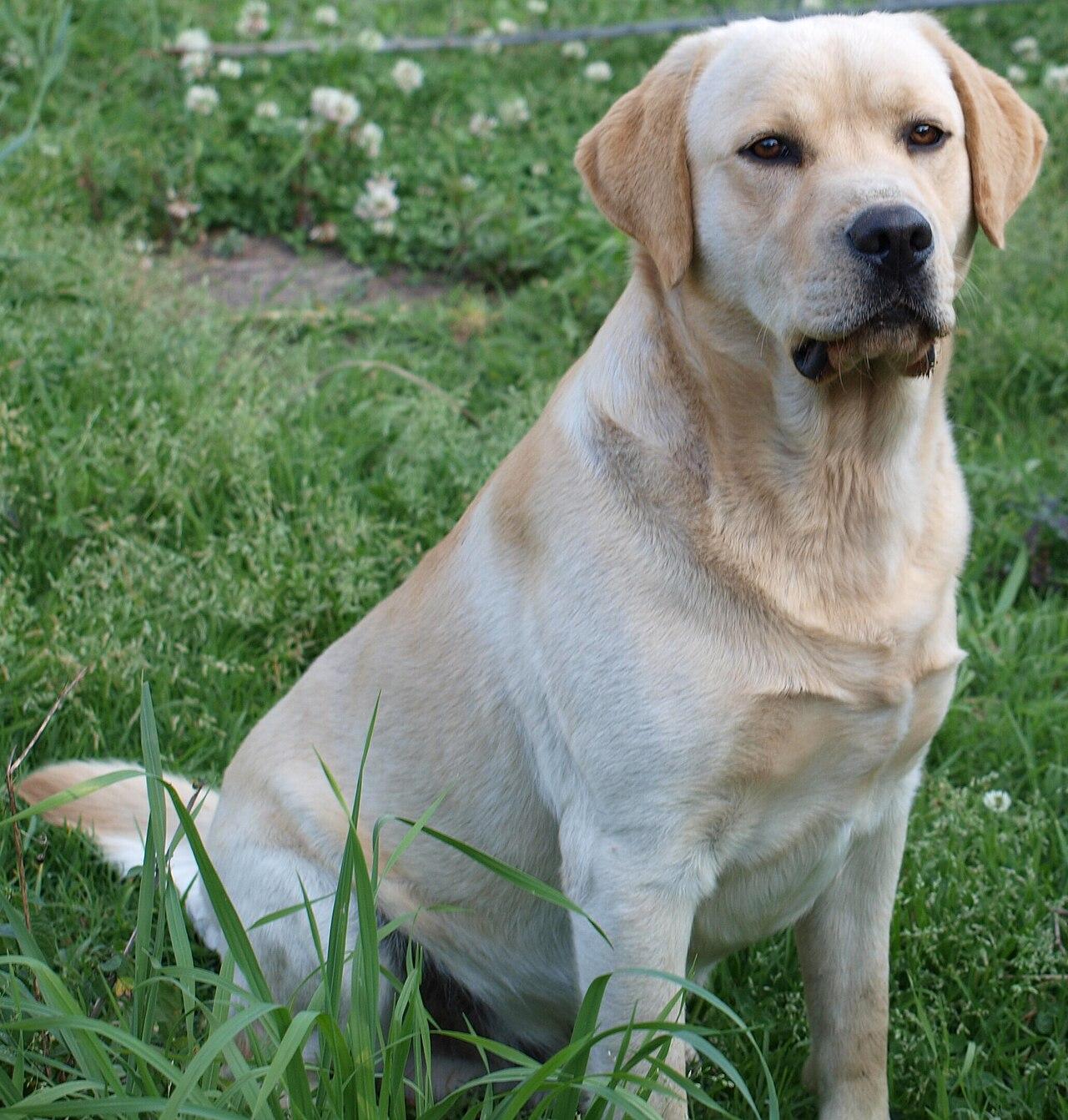
Yellow Labrador · Black Labrador · Chocolate Labrador
Friendly all-rounder that loves swimming, fetching, and family life
The world’s most popular family dog for a reason: gentle with kids, eager to learn, and happiest with 2 hours of daily exercise. Needs space and company — not a stay-home-alone breed.
Photo: Wikimedia Commons / Webdude1 / CC BY 3.0
Care guide last reviewed: · Care requirements referenced from veterinary and humane standards.
House with garden or daily park access; not suited to full-time apartment life.
Vocal (4/5)
Cannot be left alone long — needs company most of the day
Thrives with daily company
Three curated supplies researched for this companion's specific anatomy and daily welfare
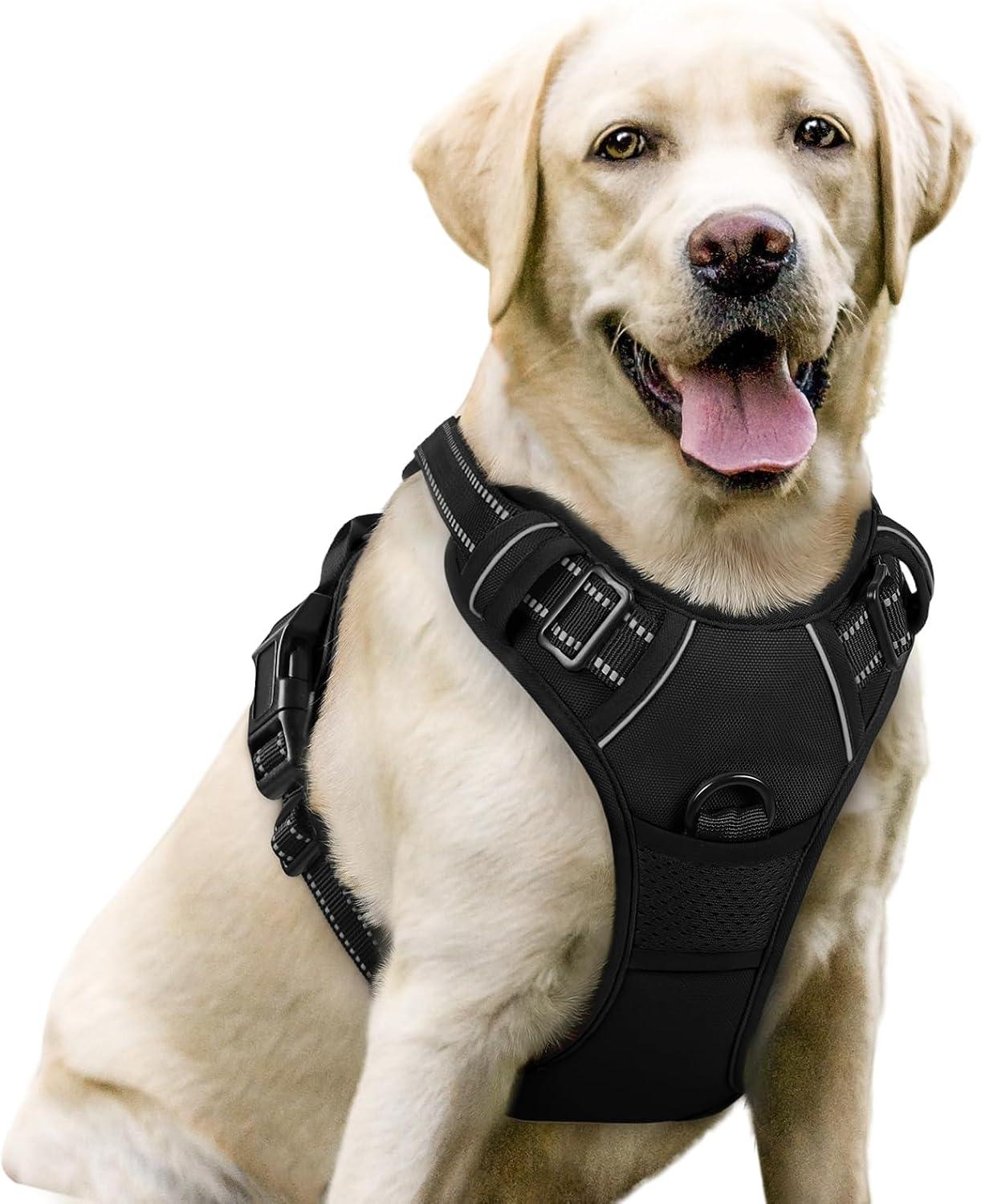
Labradors are powerful, enthusiastic pullers whose excitement on daily walks requires front-clip chest guidance to prevent neck strain and tracheal pressure.
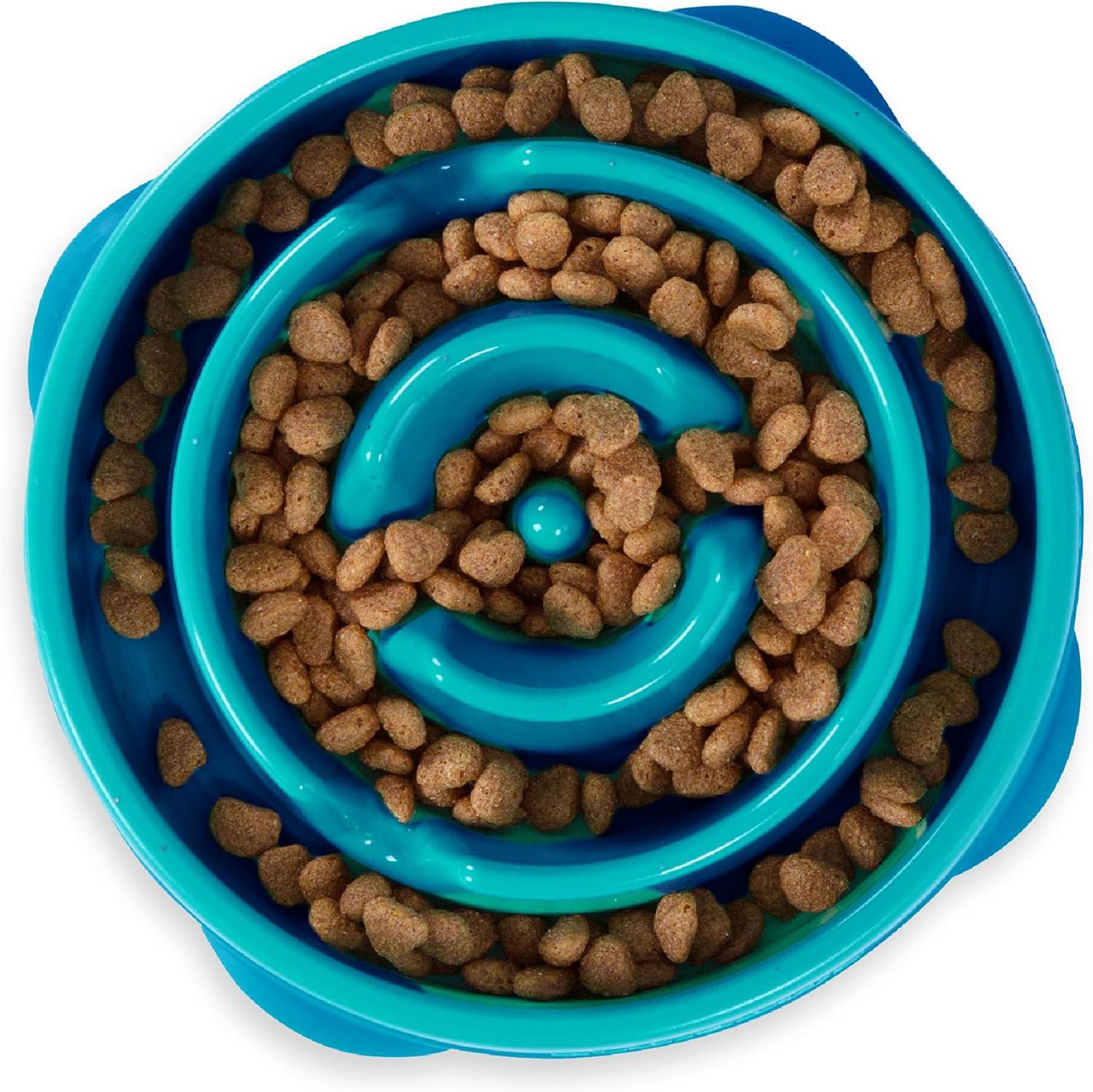
Deep-chested Labradors are notorious for inhaling meals in seconds; slow feeders dramatically reduce the risk of gastric dilatation-volvulus (GDV bloat) and regurgitation.
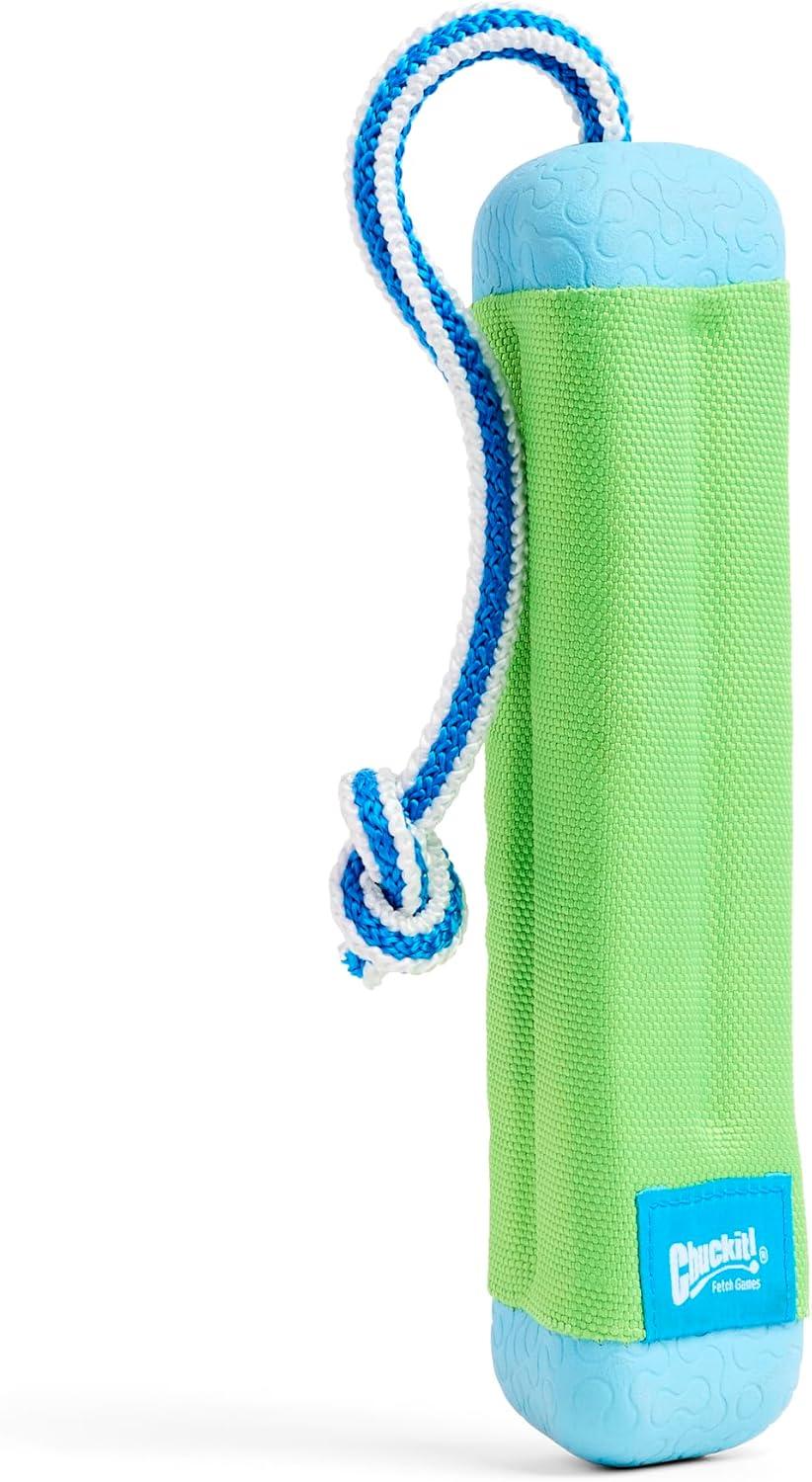
Bred for water retrieving, Labradors need buoyant, high-visibility toys that satisfy their instinctual drive to swim and carry without absorbing pond water.
As an Amazon Associate, WhatPetSuitsYou earns from qualifying purchases. Product prices and availability are accurate at Amazon and subject to change.
As a pet, the Labrador is a Velcro-hearted socialite: it wants to be in the middle of family life, adores children of all ages, greets strangers as friends, and usually lives peacefully with other dogs and cats. Noise is moderate-to-high — excited barking, whining, and car-singing rather than guarding aggression. Mess is real: year-round shedding, drool after drinking, and a talent for bringing the garden indoors.
It cannot be left alone 8 or more hours without distress, and it shadows you from room to room. Give it swimming, fetching, and a job like carrying a dummy or backpack on walks, and you get the famously steady, gentle companion that tops popularity charts worldwide.
Feed a complete large-breed adult food in two measured meals a day — typically 2 to 2.5 cups of dry food daily (roughly 1,250 to 1,400 calories for a 65 lb adult), adjusted to keep ribs easily felt under a light fat cover. Labradors carry a documented POMC gene variant that dulls the feeling of fullness, so never free-feed: use a measuring cup, keep treats under 10 percent of calories, and use food puzzles or slow feeders to stop gulping. Choose a large-breed puppy formula with controlled calcium for slow skeletal growth until 12 to 18 months.
Avoid chocolate, grapes, raisins, onions, garlic, xylitol, and cooked bones. Weigh monthly, because even 2 to 3 extra kilos measurably worsens hip dysplasia and shortens lifespan.
A house with a garden suits a Labrador best, but the real requirement is daily outdoor access: a secure garden with 5 to 6 foot fencing plus a large park, field, or safe swimming spot within easy reach. Indoors, provide an XL crate or quiet corner with a washable orthopaedic bed (joint-friendly from middle age), non-slip flooring for clumsy puppy legs, and a baby-gated chew-proof zone.
Keep a sturdy fenced bin area because Labs raid rubbish and swallow socks, toys, and food wrappers — a leading cause of emergency surgery. Fit window and stair gates for puppies, store food in sealed containers, and set up a drying station by the door: this breed swims, rolls, and sheds year-round.
Plan 60 to 90 minutes of real exercise daily, split into two sessions: a brisk 30 to 45 minute morning walk plus an evening session of fetch, swimming, or off-leash running in a safe area, with 10 to 15 minutes of training (recall, loose-lead, retrieve manners) folded in. Add 10 minutes of brushing twice a week (daily in spring and autumn coat blows), a quick ear check after swims, and teeth brushing several times a week.
Puppies need 5 minutes of formal exercise per month of age plus free play, and a midday toilet break until 6 months. Expect 2 or more hours of your day in the first year: without it, a bored Lab chews furniture, jumps on visitors, and counter-surfs relentlessly.
Book a vet check within the first week, then annual wellness exams with weight, joint, eye, and dental checks. Ask breeders for OFA or PennHIP hip and elbow scores, annual eye exams, and EIC and CNM DNA tests: hip and elbow dysplasia affect roughly 1 in 8 Labradors and usually show as bunny-hopping, stiffness after rest, or reluctance to jump between 6 and 24 months. Keep growth lean — a landmark lifetime study showed lean Labs live significantly longer with later arthritis.
Learn bloat (GDV) warning signs: restless pacing, unproductive retching, and a swelling belly mean emergency vet within the hour. Budget for ear infections after swimming, cruciate ligament tears in sporty adults, and dental cleanings from middle age.
Expect $150 to $220 a month for a healthy adult: $60 to $90 for large-breed food and training treats, $25 to $40 amortised for annual vaccines, flea, tick, and heartworm prevention, $20 to $30 for toys, chews, and poo bags (Labs destroy cheap toys fast), and $15 to $30 for grooming basics and shampoo. Pet insurance at $40 to $70 a month is strongly advised — one cruciate repair runs $3,000 to $5,000 and hip surgery far more.
First year costs $2,000 to $3,000 including puppy vaccines, spay or neuter, crate, bed, and a 6-week training class. Senior years add joint supplements, arthritis medication, and twice-yearly bloodwork, pushing costs toward $300 a month.
Labradors suit committed first-time owners with time, not beginners short on hours. Training is genuinely easy — food motivation and eagerness make recall, sit, and house manners click fast — and the temperament is famously forgiving of rookie mistakes. But success demands 2 or more hours daily, tolerance for heavy year-round shedding and muddy paws, and strict portion control against a bottomless appetite.
You will struggle if you work long days away from home (solitude tolerance is minimal and separation anxiety is common), live in a small flat without park access, or want a calm dog from day one: Lab puppies stay rowdy, mouthy, and destructive until age 2 or 3. Enrol in puppy class by 12 weeks.
Most adult Labradors need 60 to 90 minutes of active exercise daily, split across two sessions — for example a brisk morning walk plus an evening of fetch or swimming. Puppies need less: about 5 minutes of structured exercise per month of age, plus free play.
Without enough activity, Labs gain weight fast and turn destructive, so plan on 2 or more hours of your time daily in the first year.
A typical 65 lb adult Lab needs roughly 1,250 to 1,400 calories a day, or about 2 to 2.5 cups of standard kibble split into two measured meals, treats included. Labs carry a gene variant that makes them feel constantly hungry, so ignore begging and judge by body condition: ribs easily felt, visible waist.
Ask your vet to confirm portions, especially for puppies and seniors.
Yes, if you have 2 or more hours a day. Labs are among the easiest breeds to train and very forgiving of beginner mistakes.
The catches are energy, shedding, appetite control, and company needs: they hate being left alone all day, stay boisterous until age 2 or 3, and shed heavily year-round. A house with a garden or daily park access plus puppy classes makes success far more likely.
The big ones are hip and elbow dysplasia (around 1 in 8 Labs), obesity, ear infections, cruciate ligament tears, exercise-induced collapse, and bloat. Keep your Lab lean — a famous lifetime study showed lean Labs live longer with later arthritis — choose parents with OFA or PennHIP joint scores, and treat a swollen belly with unproductive retching as an emergency.
Take our free 15-question what pet should I get quiz to get a personalized compatibility score and see how they match your living environment.
Take the Free Pet Quiz