Loading…
Loading…
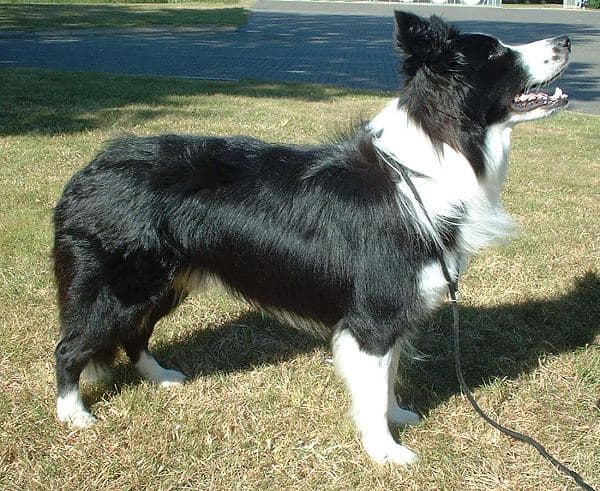
Rough-Coat Border Collie · Smooth-Coat Border Collie
The smartest dog alive — needs a job, not just walks
Learns commands in minutes and outsmarts most owners — the ultimate partner for sport, herding, or agility. Without 2–3 hours of work plus brain games daily, it herds your kids, bikes, and furniture instead.
Photo: Wikimedia Commons / CC BY-SA 3.0
Care guide last reviewed: · Care requirements referenced from veterinary and humane standards.
House with big garden or land; miserable in a small flat.
Moderate (3/5)
Cannot be left alone long — needs company most of the day
Thrives with daily company
Three curated supplies researched for this companion's specific anatomy and daily welfare
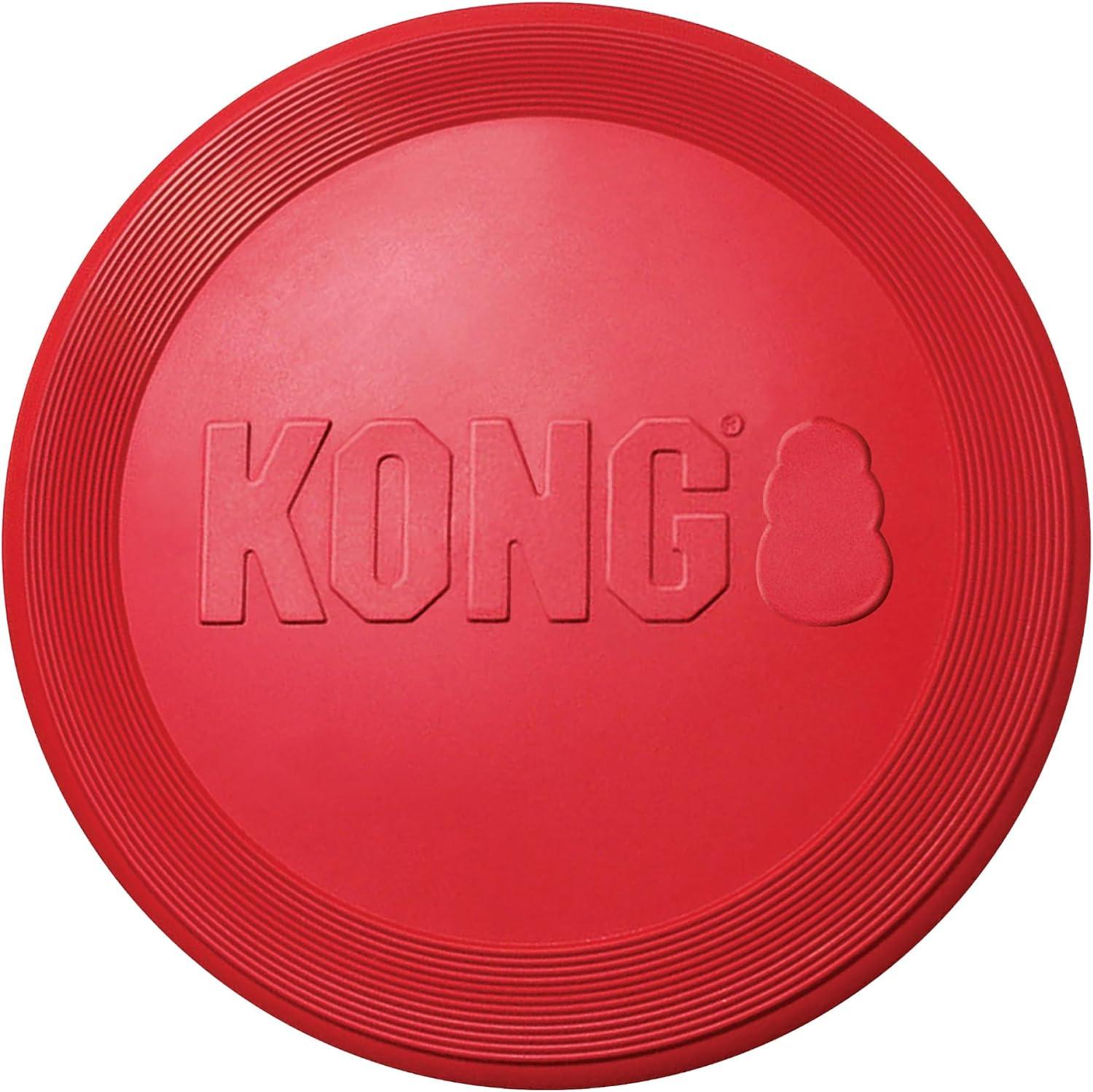
Collies require intense aerobic agility and flight tracking; flexible natural rubber prevents teeth abrasion and dental micro-fractures during high-velocity catches.
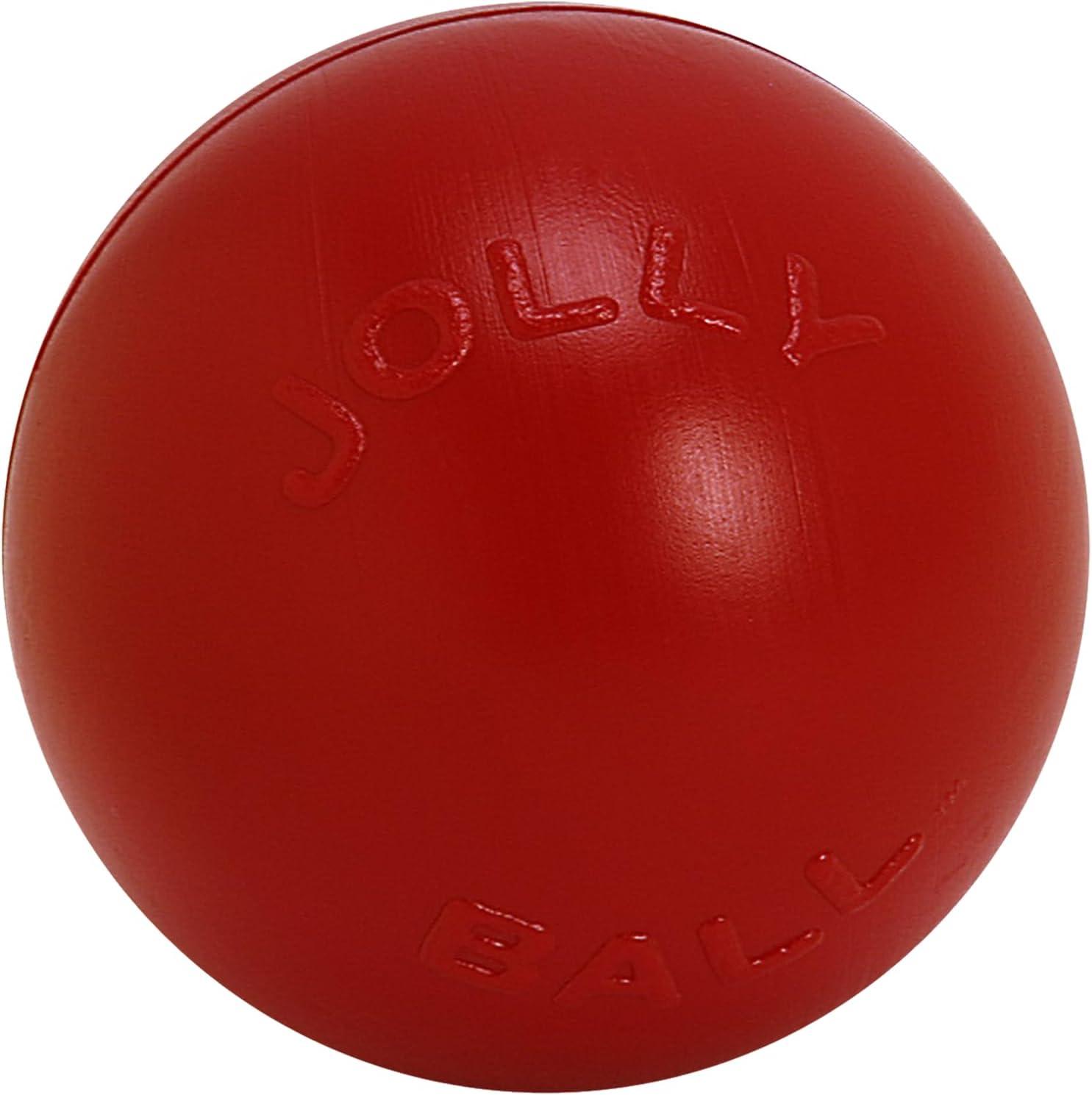
Border Collies have an overwhelming instinct to stalk, drop, and drive livestock; a heavy puncture-proof push-ball provides safe, tireless solo herding in the yard.

Without complex mental problems to solve, Border Collies invent destructive jobs; level 4 tile-sliding puzzles challenge their immense working intellect.
As an Amazon Associate, WhatPetSuitsYou earns from qualifying purchases. Product prices and availability are accurate at Amazon and subject to change.
As a pet, the Collie is a brilliant obsessive colleague: it memorises routines, anticipates words, stares with the famous herding eye, and wants to work alongside you all day — fetching, carrying, tidying toys on command. With family it is deeply bonded and gentle; with toddlers and visiting dogs, herding instincts (stalking, circling, heel-nipping) need active management, not punishment. Noise is moderate — alert barking and excitement yaps when under-worked.
It cannot be left 8 or more hours without a job; solitude plus brains equals demolition. Give it sheep, sport, or serious daily training plus a taught settle, and you get the smartest partnership in dogdom — and a dog that outsmarts you weekly.
Feed a complete high-energy or active adult food in two measured meals daily — a typical 30 to 45 lb working Collie burns 1,000 to 1,500 calories, more on farm or agility days — tuned to lean ribs and a tucked waist. Working brains burn real fuel, so match portions to workload across seasons and keep training treats small and counted (under 10 percent). Puppies need 3 meals of puppy formula until 6 months with controlled growth for joints.
Add water at every session — Collies work past thirst — and rest an hour either side of big meals. Avoid chocolate, grapes, raisins, onions, garlic, xylitol, cooked bones, and the trap of overfeeding a dog that will train all day for one biscuit.
A rural home with land is the dream; the realistic minimum is a house with a big secure garden (6-foot fence — Collies learn gates and climb) plus daily access to fields, trails, or a dog-sport club. Indoors, provide a crate as an enforced off-switch den (overtired Collies cannot settle without one), puzzle-feeder stations, and a training-equipment corner with long line, tug, balls, and trick props.
Puppy-proof for a genius: cupboards, bins, doors, and sheep three fields away are all projects. Sound-proofing matters less than stimulation — a Collie with sheep, agility, or 3 hours of work is quieter than any lapdog; one without destroys sofas, skirting, and neighbourly relations.
Commit 2 to 3 hours daily: 60 to 120 minutes of hard physical exercise (running, fetch, hill walks, swimming) plus 30 to 60 minutes of real brain work — herding lessons, agility, obedience routines, scent work, or trick chains. A plain leash walk barely registers; the Collie needs a job with rules, novelty, and your full attention. Add 10 minutes of calm settle training daily (place, mat work) to build the famous off-switch.
Brush the double coat 2 to 3 times weekly (daily in sheds), check feet and teeth weekly, and trim nails monthly. Puppies need short bursts, enforced naps (overtired pups nip hardest), and socialisation to traffic, livestock rules, and children before 16 weeks.
Annual vet checks with weight, eye, joint, and neurological review. Buy from breeders with hip and elbow scores, eye testing including collie eye anomaly (CEA) DNA, and ideally epilepsy and trapped-neutrophil-syndrome awareness — CEA, PRA, epilepsy, deafness (double-merle matings), and hip dysplasia lead the list. Learn border collie collapse (BCC): wobbling, altered mentation, or collapse 5 to 15 minutes into hard exercise, especially in heat — stop work, cool, and get a vet workup to rule out heart and exertional causes.
Confirm MDR1 drug sensitivity before high-risk wormers or anaesthetics. Report nipping escalation, light-chasing, or car-chasing early — behaviour clinics fix what punishment worsens. Insure for orthopaedic and neurological bills.
Budget $150 to $250 a month: $50 to $80 for active-dog food and training treats, $25 to $40 for prevention and amortised vaccines, $15 to $30 for destroyed-and-replaced toys, and $40 to $70 for club fees, agility entries, or herding lessons — the real Collie line item, running $30 to $80 per group class. Insurance at $40 to $65 a month covers cruciate, hip, and collapse workups.
First year runs $2,000 to $3,500 with puppy price, vaccines, spay or neuter, crate, long lines, and starter classes. Farm or sport owners add fuel, entry fees, and fencing; behaviourist rescue ($300 to $1,000) is the hidden cost of under-worked Collies.
Border Collies are famously terrible first dogs — maximum experience score, and the herding world agrees. They learn commands in minutes and your bad habits just as fast, outthink novice rules, herd children and cyclists by nipping heels, and convert boredom into OCD behaviours (light-chasing, spinning, fence-running) that take professionals to undo.
Succeed only with dog-sport experience or a trainer from week one, rural or semi-rural space, 2 to 3 genuinely free hours daily, and delight in training as a hobby. Flat-dwellers, full-time workers, and families wanting a plug-and-play pet should admire Collies from afar and take home a Labrador or Golden instead.
Two to three hours daily: 60 to 120 minutes of hard physical work plus 30 to 60 minutes of brain work like herding, agility, obedience, or scent training. A leashed pavement walk does not count.
Without a genuine job, Collies invent one — herding kids, chasing cars and lights, or dismantling the house. Puppies need age-appropriate bursts with enforced naps.
No — they top every worst-first-dog list for good reason. Collies need expert-level training consistency, 2 to 3 hours daily, space to work, and management of herding instincts around children and traffic.
Novices routinely create anxious, nippy, obsessive dogs. Start with a Labrador or Golden, take classes, and revisit the Collie dream with experience.
An episodic exercise-intolerance condition where the dog becomes wobbly, disoriented, or collapses 5 to 15 minutes into strenuous work, especially in heat — studied by the University of Minnesota genetics lab. Affected dogs are normal at rest.
Management means stopping exercise at first signs, cooling, vet workup to exclude cardiac causes, and adjusted workloads. Never push a collapsed dog to continue.
Yes — staring, circling, and heel-nipping are hardwired herding behaviours, not malice, and they target running toddlers, cyclists, and other pets. Manage with early training (recall, leave-it, settle), structured outlets like herding balls or treibball, and supervision with small children.
Punishing the instinct backfires; redirecting it into sport works.
Take our free 15-question what pet should I get quiz to get a personalized compatibility score and see how they match your living environment.
Take the Free Pet Quiz