Loading…
Loading…
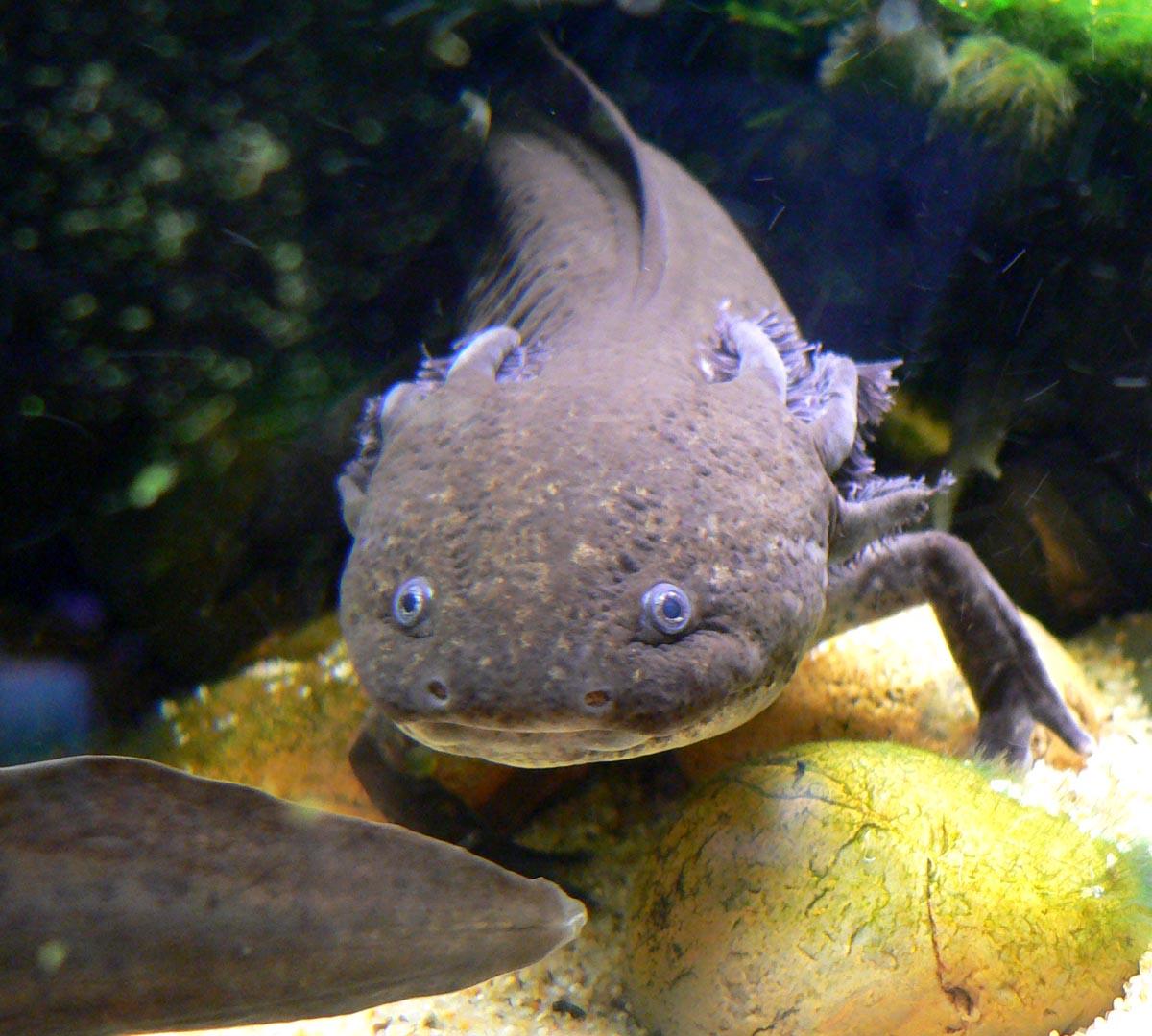
Wild-Type Axolotl · Leucistic Axolotl · Golden Albino Axolotl
Smiling water dragon that regrows its own limbs
A real-life Pokémon: frilly gills, permanent smile, and limbs that regenerate. Needs a cool 20+ gallon tank with no heater and worms, frozen food, or pellets for dinner — hands-off, silent, and utterly unique.
Photo: Wikimedia Commons / Stan Shebs / CC BY-SA 3.0
Care guide last reviewed: · Care requirements referenced from veterinary and humane standards.
20+ gallon cool tank (16–18°C), no heater, no gravel, no tankmates.
Virtually silent (1/5)
Highly independent — comfortable alone 8+ hours
Prefers to live alone
Three curated supplies researched for this companion's specific anatomy and daily welfare
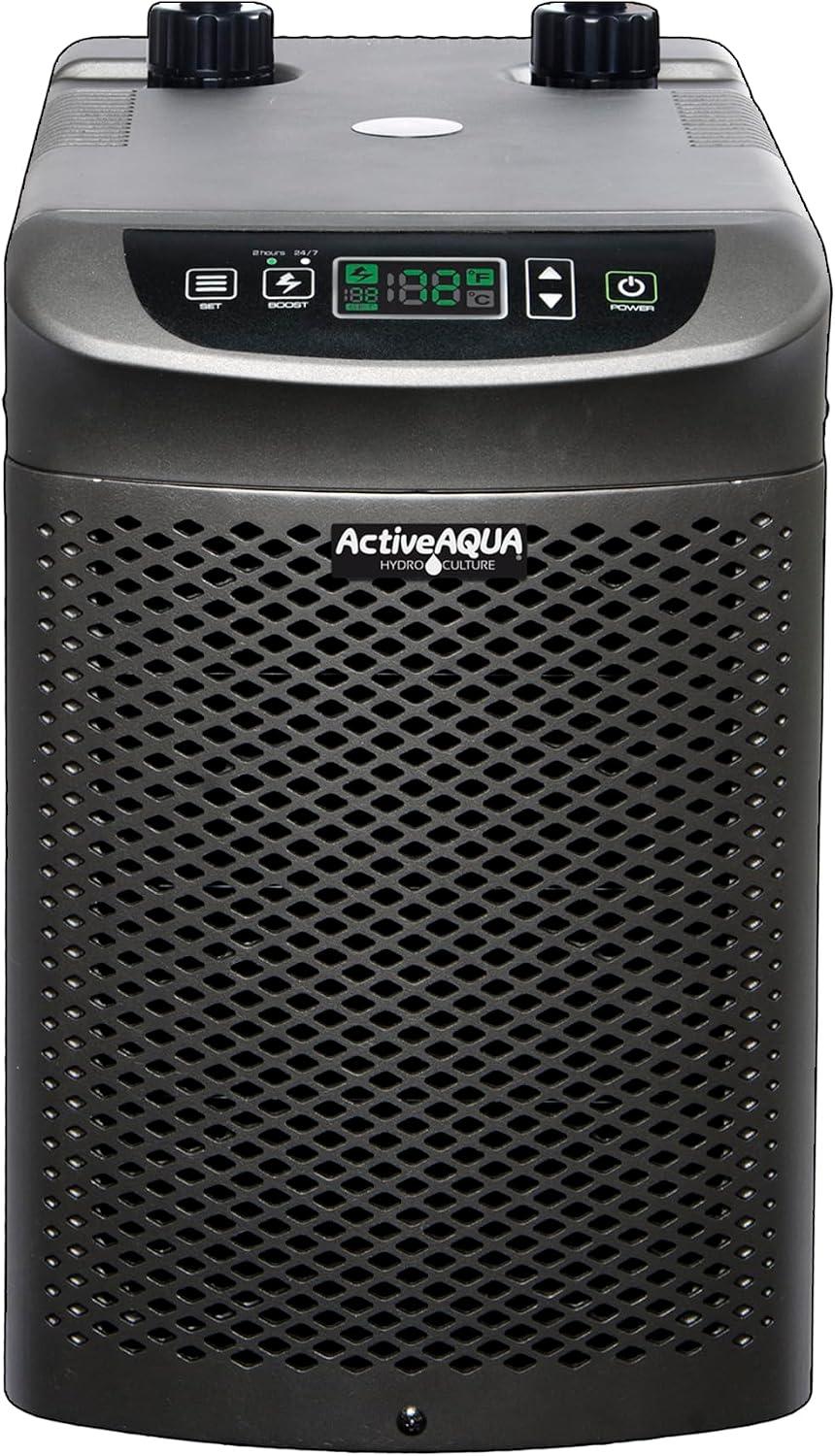
Axolotls suffer lethal bacterial gill infections and extreme metabolic stress above 68°F (20°C); active thermoelectric chillers maintain a safe, cool 60-64°F.
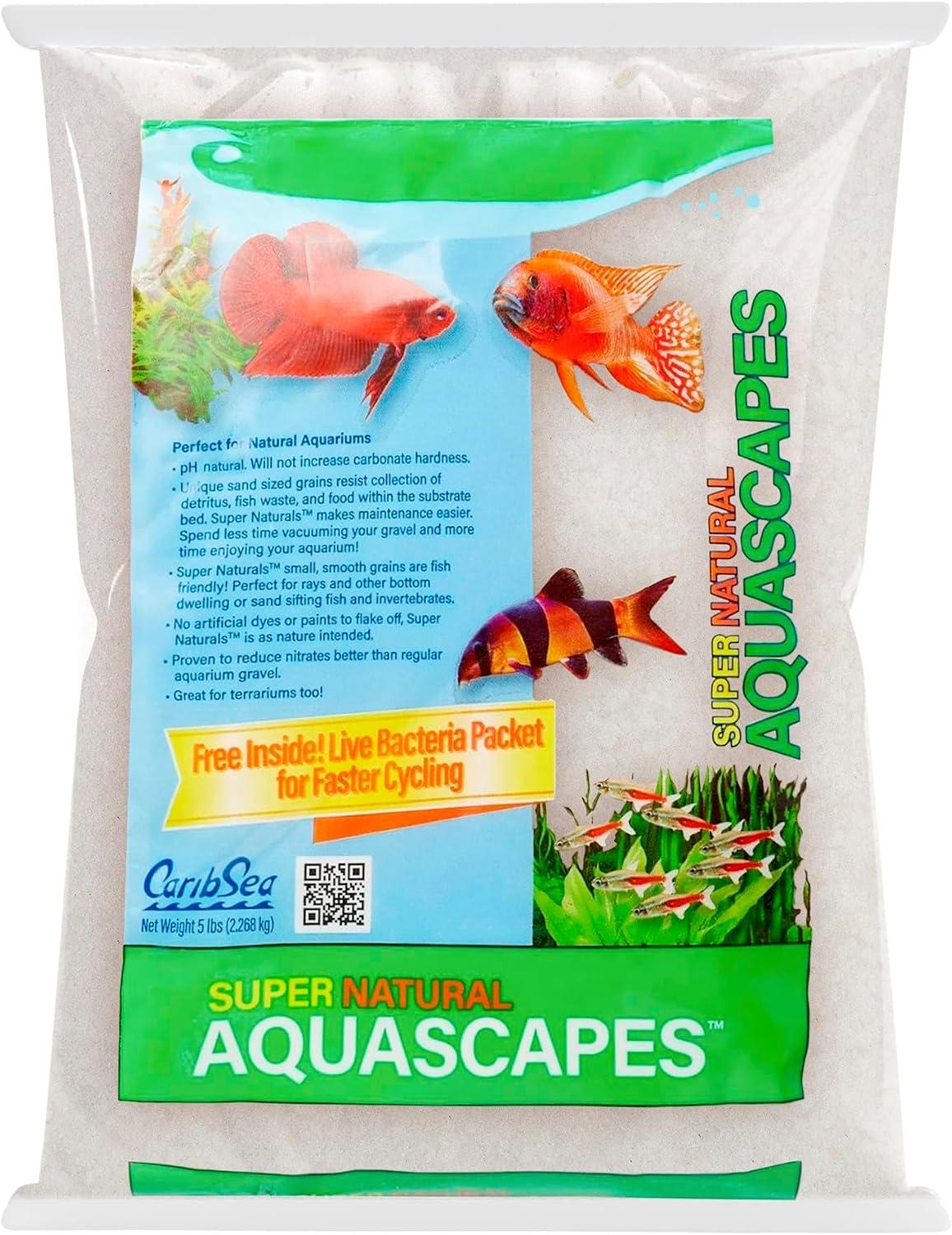
Axolotls vacuum up food with sudden vacuum gulps; gravel causes fatal intestinal blockages, whereas ultra-fine sand passes safely through their digestive tract.
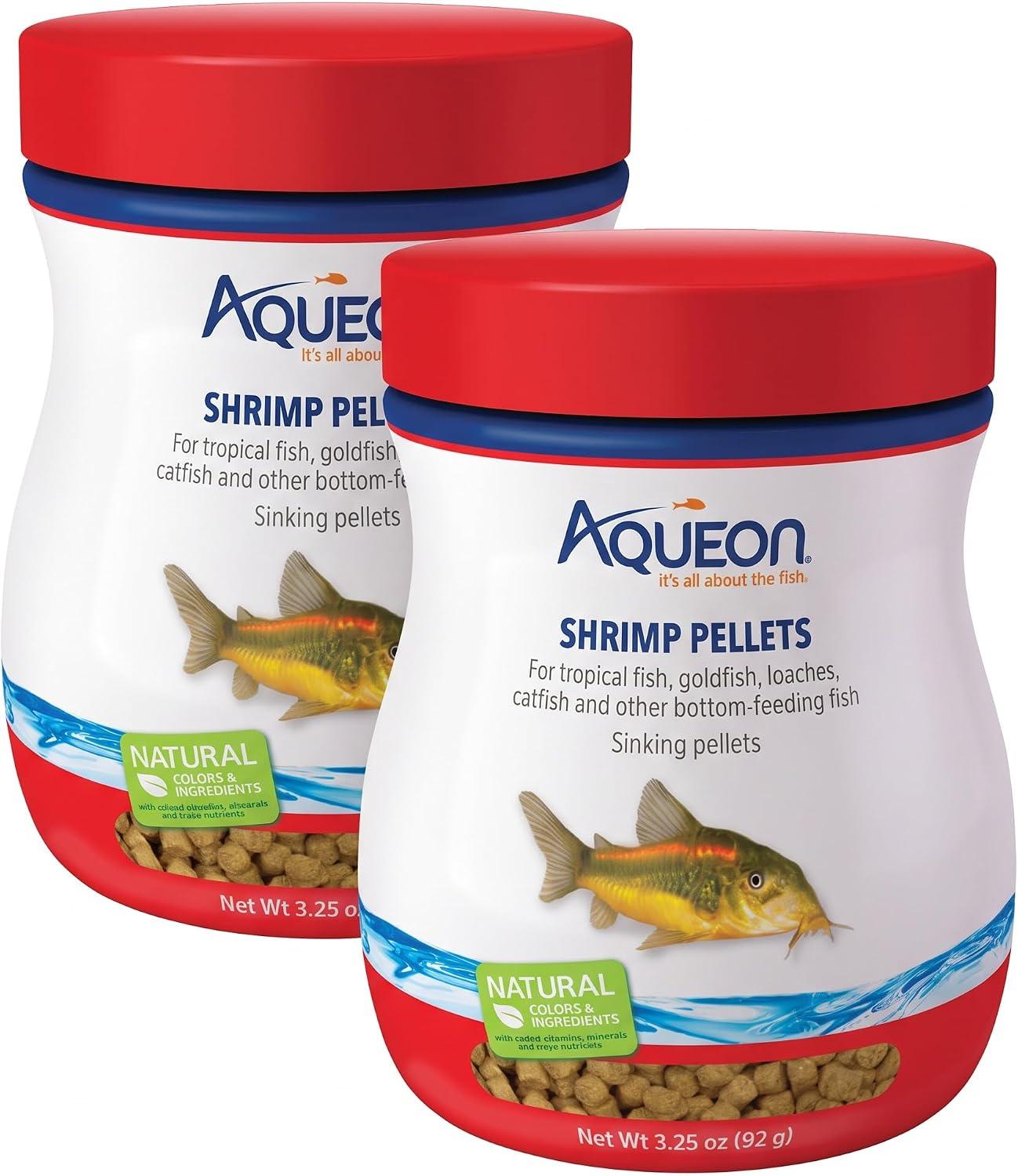
Pure carnivores, axolotls thrive on dense salmon and earthworm protein; soft sinking pellets allow effortless swallowing without damaging their soft mouths.
As an Amazon Associate, WhatPetSuitsYou earns from qualifying purchases. Product prices and availability are accurate at Amazon and subject to change.
As a pet, an axolotl is a smiling, frilly-gilled water dragon that regenerates lost limbs and watches you with ancient calm. It is solitary and best kept alone, silent, odour-free, fur-free, and almost entirely still, drifting or perching for hours before a sudden lunge at food. There is no handling at all: even clean hands strip protective slime and risk infection, so the relationship is purely visual through glass.
Tankmates are forbidden, including fish, which chew gills, and different-sized axolotls, which cannibalise. What you get is a living fossil of extraordinary charm and a meditation in slow movement; what you give up is every form of touch and play. For hands-off admirers, that trade is perfect.
Axolotls are carnivores that eat earthworms above all: chopped nightcrawlers or garden worms are the nutritionally ideal staple, with bloodworms, blackworms, daphnia for juveniles, and quality sinking salmon or axolotl pellets as supplements. Feed juveniles daily and adults two to three times a week, offering only what vanishes in 2 to 3 minutes, roughly a worm or about five pellets per adult. Remove uneaten food promptly since it rots and spikes ammonia.
Never feed feeder goldfish or wild-caught minnows, which carry parasites, and avoid beef heart or fatty meats as staples. Calcium dusting is unnecessary on a worm-based diet. Target-feed with tongs just above the substrate to reduce sand ingestion, and consider feeding in a separate tub to keep the main tank cleaner.
Keep one adult in a 20-gallon long tank minimum, with a 29 to 40 gallon breeder strongly preferred for stable water and floor space, since axolotls walk the bottom rather than swim. Water must stay cold at 15 to 18C year-round, never above 22C and lethal toward 24C: that means no heater ever, a cool quiet room, plus a fan or aquarium chiller through summer. Cycle the tank for weeks before arrival so ammonia and nitrite read zero and nitrate stays under 20 ppm, using a gentle sponge or baffled filter with minimal current, since flow stresses gills visibly forward.
Use fine sand or a bare bottom only: gravel of any mouth-sized grade causes fatal impaction. Add hides, smooth decor, dim lighting, a secure lid against jumping, and dechlorinated water with pH 7 to 8.
Daily care takes about 10 minutes plus a weekly water session. Each day: check the thermometer reading first, since heat kills fastest, glance at gill posture and appetite, remove uneaten food and waste with a turkey baster, and top up evaporated water with dechlorinated water. Feed juveniles daily or every other day and adults two to three times weekly. Weekly, change 25 to 30 percent of the water with temperature-matched dechlorinated water, siphon the substrate, and test ammonia, nitrite, nitrate, and pH with a liquid kit.
Monthly, rinse filter media gently in old tank water, never tap water, to protect cycle bacteria. Never handle axolotls: delicate skin, permeable to toxins, plus warm dry hands injure them. Observe only, with wet hands-off maintenance.
Heat stress above 22C is the commonest emergency, showing as curled-forward gills, loss of appetite, floating, and secondary fungal or bacterial infection. Gravel impaction from swallowed stones, ammonia burns from uncycled tanks, and nipped gills from fish tankmates are the other classic preventable disasters. Watch for fluffy white fungus on gills or skin, reddened limbs, persistent floating, weight loss, and limbs damaged by other axolotls.
Prevention is water discipline: cycled tank, weekly testing, gentle filtration, cold stable temperatures, species-only housing with same-sized animals at most, and quarantine of anything new. Exotic vet visits cost 60 to 120; axolotl-savvy vets are scarce, so locate one before buying. Seek urgent care for fungus, bloat, or any animal floating uncontrollably.
Setup costs 250 to 500 for a 20 to 40 gallon tank with lid, gentle filter, water test kit, dechlorinator, thermometer, hides, sand, and very often an aquarium chiller or cooling fan at 50 to 300, since summer room heat is the main enemy. Running costs are low: earthworms from bait shops or a home worm farm cost a few pounds a month, pellets last months, and electricity is modest except for chillers. Budget 10 to 25 a month.
Vet care is the wildcard: few vets treat axolotls, consultations start around 60, and diagnostics cost more. Over a 12 to 15 year lifespan the chiller and tank dominate spending. Never buy the animal before proving you can hold 15 to 18C water through the hottest week of summer.
Axolotls suit patient observers with cool rooms who love aquarium craft and want a genuinely unique animal. You will succeed if you can cycle a tank properly, test water weekly, hold cold temperatures all summer, and accept a pet you never handle. You will struggle if your flat runs hot without air conditioning, if weekly water changes bore you, or if you want interaction: axolotls do not play, cuddle, or learn tricks, and handling damages their skin.
They are also a poor fit for community tanks, since fish nip their gills and they eat anything smaller. Choose one only if cold-water aquarium keeping itself excites you, because the water chemistry is the real hobby here. Check local law before buying: axolotls are illegal as private pets in California, Maine, New Jersey, and DC, permit-restricted in Hawaii and New Mexico, and CITES Appendix II listed.
Cold: 15 to 18C is ideal, never above 22C, with 24C potentially fatal. No heater, ever.
Keep the tank in a cool room and plan summer cooling with a fan or chiller before buying. Heat stress shows as forward-curled gills, appetite loss, and floating.
Earthworms or nightcrawlers as the staple, plus bloodworms, blackworms, and sinking salmon or axolotl pellets. Juveniles eat daily, adults two to three times weekly in 2 to 3 minute portions.
Avoid feeder fish, which spread parasites, and remove uneaten food fast.
No. Fish nip their delicate external gills, axolotls eat anything small enough to swallow, and fish introduce disease.
Axolotls live alone or with same-sized axolotls in a big tank, on fine sand or a bare bottom, never gravel, which they swallow.
Take our free 15-question what pet should I get quiz to get a personalized compatibility score and see how they match your living environment.
Take the Free Pet Quiz