Loading…
Loading…
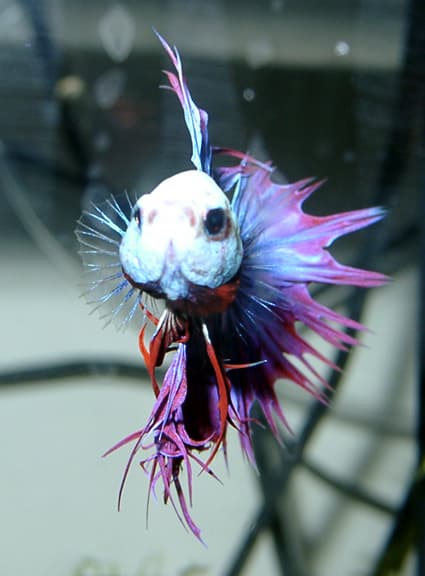
Halfmoon Betta · Plakat Betta · Crowntail Betta
Living jewel for your desk — recognises its owner
A single male betta in a planted, heated 5-gallon tank learns your face and swims up to greet you. Silent, rental-friendly, and 10 minutes of care a day plus a weekly water change.
Photo: Wikimedia Commons / Nippyfish / CC BY 2.0
Care guide last reviewed: · Care requirements referenced from veterinary and humane standards.
5–10 gallon heated, filtered aquarium. Never a bowl.
Virtually silent (1/5)
Highly independent — comfortable alone 8+ hours
Prefers to live alone
Three curated supplies researched for this companion's specific anatomy and daily welfare
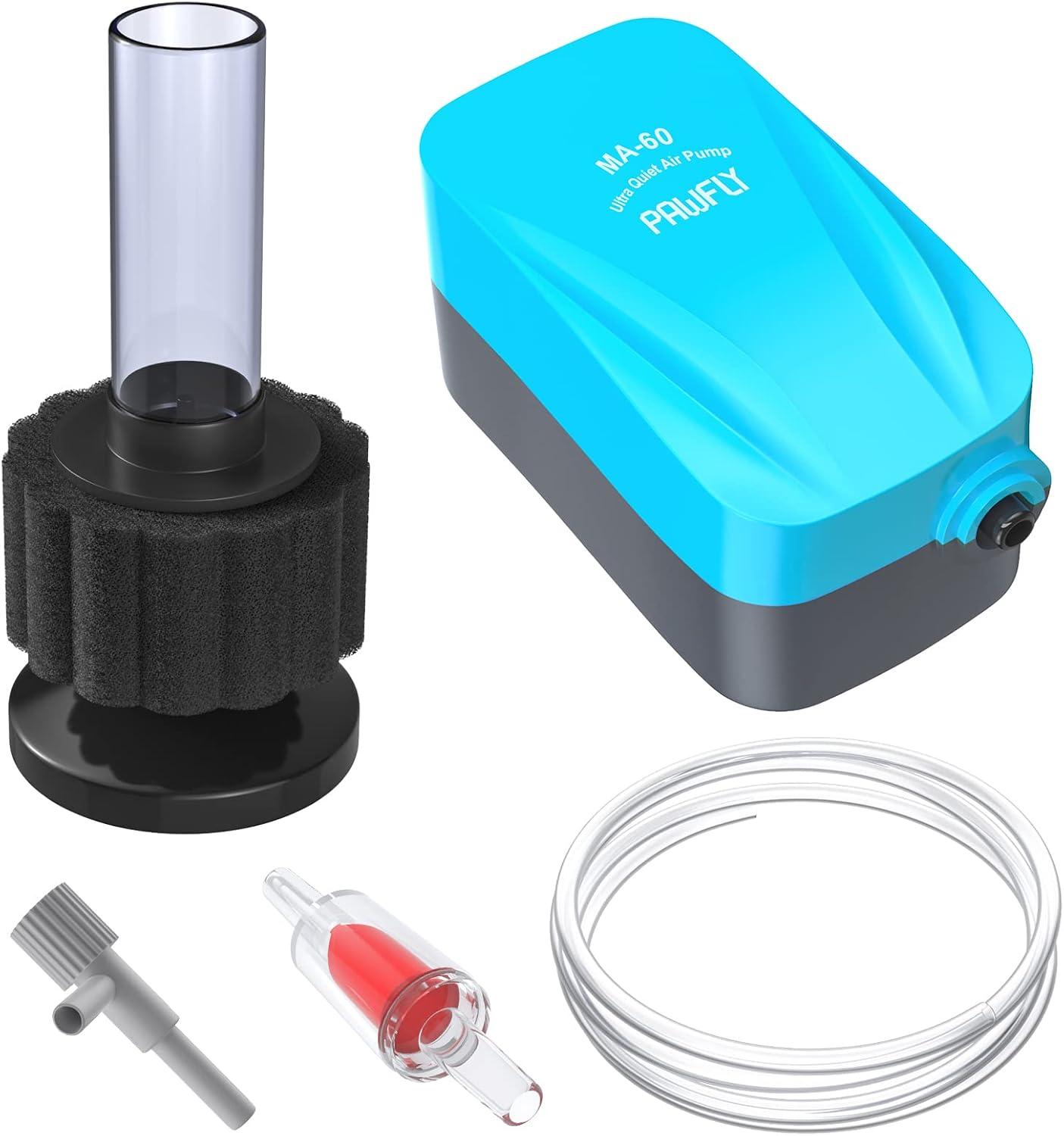
Heavy power filter currents exhaust long-finned bettas and tear delicate caudal fins; gentle air sponge filters circulate water with zero fin pull.
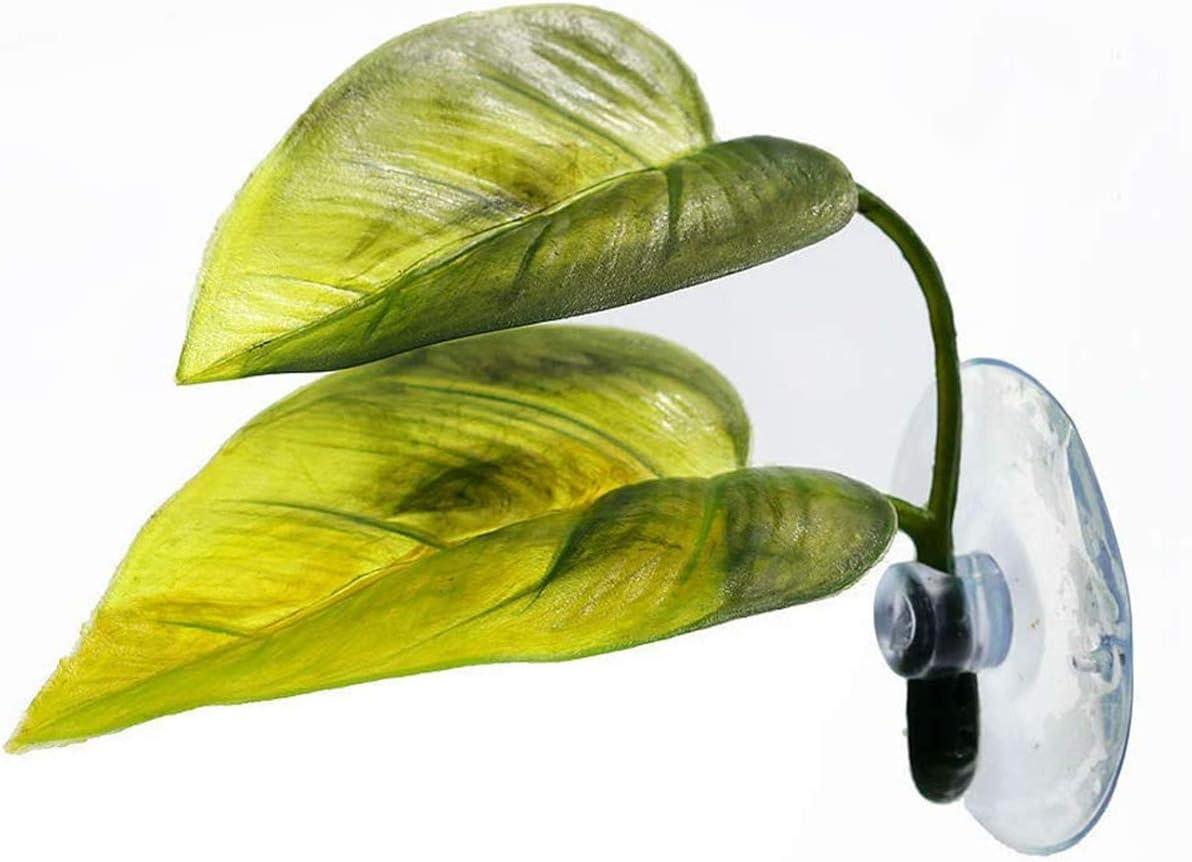
Bettas breathe atmospheric air via their labyrinth organ; placing a resting leaf hammock 1 inch below the water surface lets them rest while breathing easily.
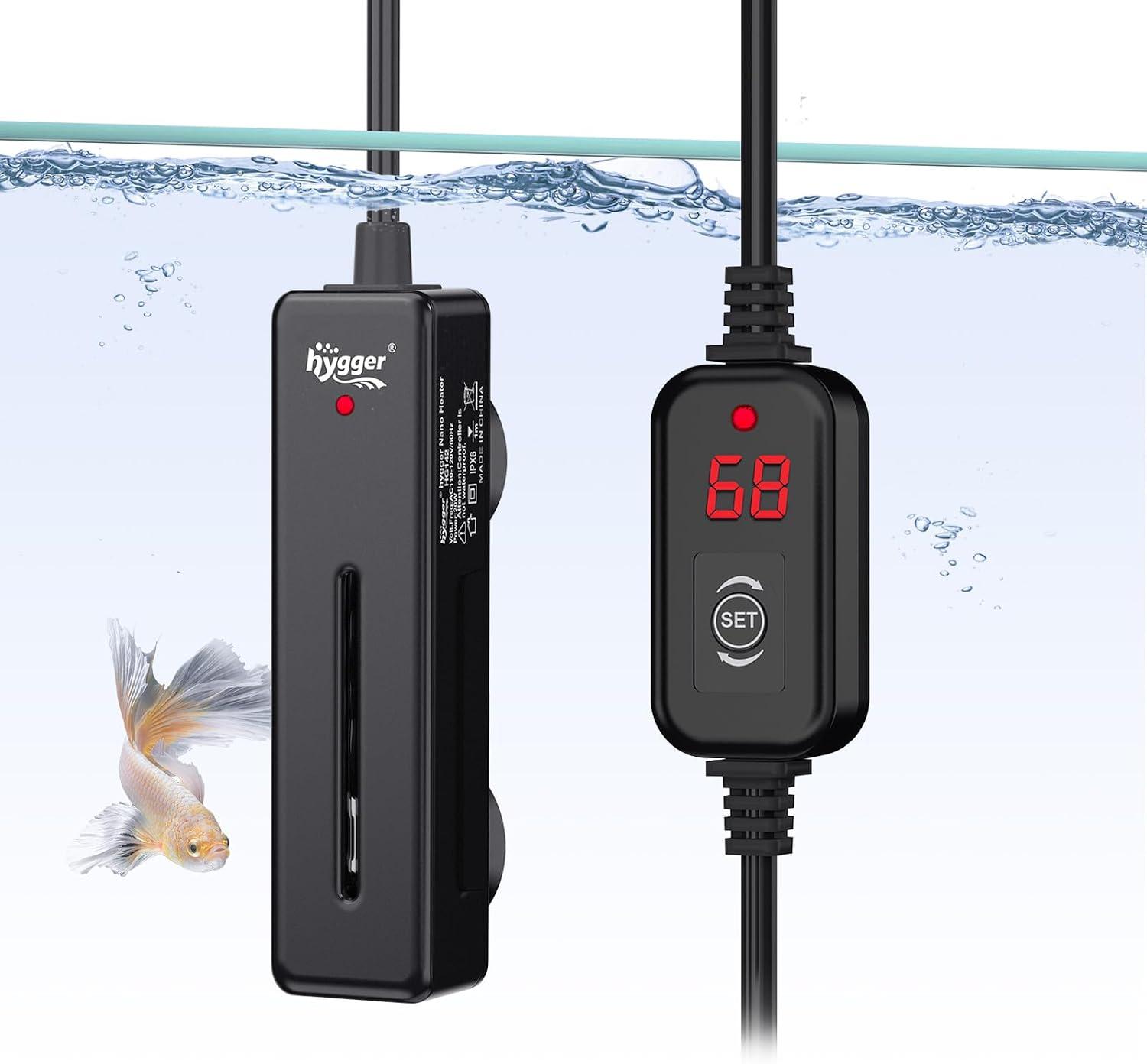
Tropical bettas kept in unheated bowls develop fin rot and lethargy; preset heaters maintain 78°F water to support active digestion and immune defenses.
As an Amazon Associate, WhatPetSuitsYou earns from qualifying purchases. Product prices and availability are accurate at Amazon and subject to change.
A betta as a pet is a living jewel with real personality: males flare shimmering fins, build bubble nests, learn your face, and swim up begging at mealtimes. They are silent, fur-free, landlord-proof observers rather than handling pets, and males must live alone since they fight other bettas to the death.
Never keep one in a bowl, vase, or unheated jar; the labyrinth organ that lets them gulp air is a survival trick for stagnant pools, not a substitute for clean warm water. In a planted 5-gallon heated tank they are calm, curious, and endlessly watchable.
Feed a high-protein betta pellet of 35 to 40 percent protein as the staple, just two to four pellets once or twice daily, only what vanishes in one to two minutes. Supplement two to three times weekly with thawed frozen daphnia, brine shrimp, or bloodworms for variety and color. Fast one day a week to prevent bloating.
Overfeeding is the top beginner mistake: excess dry food expands in the tiny stomach, causing constipation and swim-bladder trouble while fouling the water. Remove uneaten food after two minutes, replace food bottles every six months since vitamins decay, and never feed bread, crackers, or tropical flakes as the staple.
House a single male betta in a 5 to 10 gallon glass tank with lid, heater, thermometer, and gentle sponge or baffled filter. Never use a bowl: bowls cannot hold stable heat or filtration and ammonia poisons the fish within days. Hold water at 76 to 81 degrees with three to five watts of heater per gallon, pH around 6.5 to 7.8, and dechlorinated water always.
Add smooth silk or live plants like java fern and anubias plus a cave for resting near the surface, since long fins tire. Cycle the tank fishlessly for four to six weeks before buying, confirming zero ammonia and nitrite with a liquid test kit.
Daily care is five to ten minutes: feed a tiny measured meal, glance at the thermometer, confirm the heater and filter run gently, and watch fins and behavior for clamping, spots, or lethargy. Weekly, test ammonia, nitrite, nitrate, and pH, vacuum the substrate, and change 15 to 25 percent of the water with temperature-matched dechlorinated water.
Monthly, rinse filter media in old tank water, never tap water, and wipe algae. Males live solitarily; community tankmates belong only in 15-plus gallon planted tanks and never include another betta.
Most betta disease traces to cold, dirty, or uncycled water. Fin rot shows as ragged dark-edged fins, ich as salt-grain white spots, velvet as gold dust with flashing, and bloat or floating as swim-bladder trouble from overfeeding. Treat by fixing heat and water first, then using aquarium salt or species-appropriate medication in a quarantine setup.
Few vets treat fish, so prevention is the medicine: heated filtered water, weekly changes, and light feeding. Healthy bettas live 3 to 5 years; bowl-kept fish often die within months. Never replace filter media monthly — rinse sponge in old tank water and replace only when falling apart — and never change all water at once.
A pet-shop male betta costs 5 to 30 dollars, with fancy halfmoons 20 to 50. Proper setup is the real expense: a 5 to 10 gallon kit 40 to 80 dollars, adjustable heater 20 to 30, gentle filter 15 to 25, thermometer, conditioner, test kit, plants, and decor totaling 60 to 120 dollars all in.
Running costs are minimal: pellets and frozen food 3 to 6 dollars a month plus a few dollars of conditioner. Expect 5 to 10 dollars monthly after setup, the Minimal tier, but never economize by skipping the heater.
Bettas suit desks, small apartments, and rentals where fur, noise, and landlords rule out other pets. Owners who accept a heater, gentle filter, fishless cycling, and a weekly water change get a 3 to 5 year companion that recognizes them and begs at feeding time.
They fail for anyone wanting a no-equipment bowl pet, children expecting cuddling, or keepers unwilling to test water. Buy the 5-gallon heated filtered tank first, cycle it patiently, and the fish itself becomes the easy part.
At least 5 gallons with a heater and gentle filter, with 10 gallons even better since larger water volumes hold heat and chemistry steadier. Small volumes swing fast and demand constant water changes.
Anything under 2.5 gallons cannot be stably heated or filtered and should be avoided.
They survive briefly but suffer and die young. Bowls have no filtration, cannot hold 76 to 81 degree heat, and accumulate ammonia within days.
Aquatic vets are blunt: no fish belongs in a bowl. A 5-gallon filtered heated tank costs little more and extends life from months to years.
Yes to both. Bettas are tropical fish needing steady 76 to 81 degree water, which room temperature cannot guarantee, and a gentle sponge or low-flow filter converts waste that would otherwise poison them.
Choose adjustable low flow since strong currents exhaust long-finned males.
High-protein betta pellets, two to four pellets once or twice daily, plus thawed frozen daphnia or brine shrimp a few times weekly. Feed only what disappears in two minutes and fast one day weekly.
Overfeeding causes bloat, swim-bladder problems, and fouled water.
Take our free 15-question what pet should I get quiz to get a personalized compatibility score and see how they match your living environment.
Take the Free Pet Quiz