Loading…
Loading…
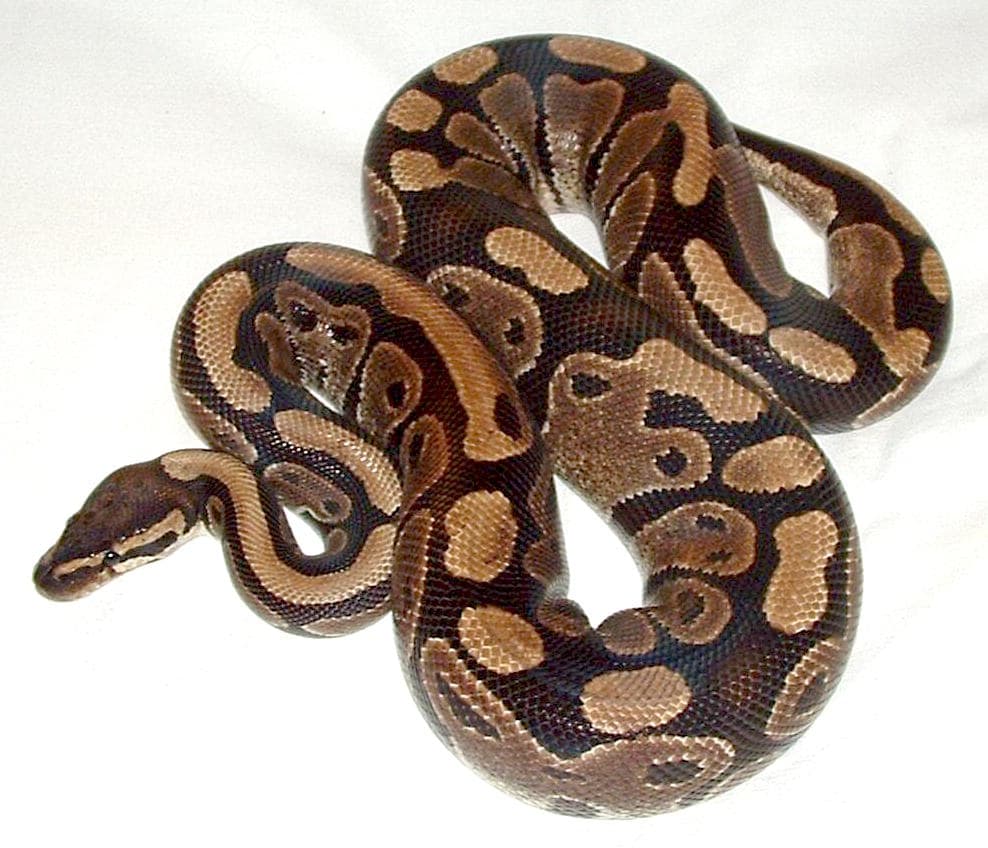
Normal Ball Python · Pastel Ball Python · Banana Ball Python
Gentle, slow-moving constrictor for calm handlers
The world’s most popular pet snake: docile, modest-sized, and content to curl around your arm. Eats one defrosted rat every 1–2 weeks and can live 30 years — a calm, decades-long commitment.
Photo: Wikimedia Commons / HCA / CC BY-SA 3.0
Care guide last reviewed: · Care requirements referenced from veterinary and humane standards.
Secure 40–120 gallon tank with locking lid, heat, and snug hides.
Virtually silent (1/5)
Highly independent — comfortable alone 8+ hours
Prefers to live alone
Three curated supplies researched for this companion's specific anatomy and daily welfare

Ball pythons are timid ambush predators that refuse meals if they feel exposed; identical low-profile tight hides on both warm and cool ends ensure stress-free thermoregulation.
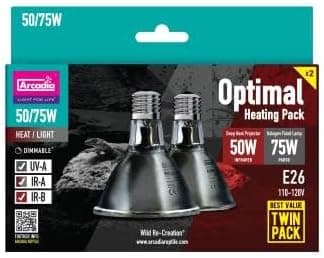
Standard heat lamps emit drying light; deep heat projectors provide deep-penetrating Infrared-A and Infrared-B rays that warm muscle tissue without disturbing nocturnal sleep.

Ball pythons develop stuck eye caps and respiratory infections below 60% humidity; natural coconut husk absorbs water without molding, keeping sheds intact.
As an Amazon Associate, WhatPetSuitsYou earns from qualifying purchases. Product prices and availability are accurate at Amazon and subject to change.
As a pet, a ball python is a slow, heavy, docile constrictor that drapes calmly over warm hands rather than racing away. It is strictly solitary, nocturnal, and hands-off by day, uncurling at dusk to explore. Handling should be brief and infrequent: a few short evening sessions a week, supporting its weight fully and returning it at the first sign of stress balling.
There is no noise or odour, and no fur to trigger allergies. What you get in return is a famously gentle snake with hundreds of colour morphs and a 30-year companionship. What you give up is interactivity: this is a living sculpture that eats a rat a fortnight and otherwise prefers to be left inside its favourite hide.
Ball pythons eat whole defrosted rodents, graduating from mouse hoppers as juveniles to small or medium rats as adults. Feed juveniles one appropriately sized item weekly, adults one rat every 10 to 14 days, with some healthy adults thriving on a 3-week rhythm. Prey should match the snake's widest girth, never much larger, since oversized meals cause regurgitation and long fasts.
Thaw in the fridge overnight, then warm in a sealed bag in warm water to about 38 to 40C so the heat pits register it, and offer at dusk with long tongs. Never feed live rats, which chew severe wounds into snakes. Ball pythons famously fast for weeks or months in winter or breeding season; track weight on kitchen scales and only worry when loss exceeds 10 percent or illness signs appear.
Adults need a secure 40-gallon breeder minimum, with a 48 by 24 by 24 inch (120-gallon) PVC or wooden vivarium now recommended so the snake can stretch fully and thermoregulate. Hatchlings feel safer starting in a 10 to 20 gallon setup with extra cover. Provide a basking surface of 32 to 35C, a warm hide at 30 to 32C, a cool hide at 24 to 26C, and night lows no colder than 22C, with every heat source on a thermostat.
Snug single-entrance hides on both ends are essential: a ball python forced to choose between warmth and cover stops eating. Keep humidity at 50 to 60 percent, boosting to 70 percent in shed with a damp moss hide. Use coconut husk or cypress substrate, a large soakable water bowl, clutter such as branches and plants, and low-level UVB on a 12-hour timer.
Daily care takes 10 to 15 minutes: verify warm and cool temperatures, refresh water, and spot-clean urates or droppings. Ball pythons are nocturnal ambush predators, so keep daytime handling to two or three calm 15-minute sessions a week, never within 48 hours of feeding and never during the blue-eyed pre-shed phase. Feeding happens in the evening every 1 to 2 weeks: thaw, warm, offer with tongs near the hide entrance, then cover the enclosure and leave the room, since shy individuals only strike unobserved.
Weigh monthly and log sheds. Weekly, check lid locks and wipe glass; monthly, wash the water bowl with reptile-safe disinfectant; every two to three months, replace substrate fully. Winter fasts need patience, not daily food offerings that only add stress.
The classic ball python problem is the hunger strike, usually caused by temperatures off by a few degrees, humidity under 50 percent, hides too open, over-handling, or winter seasonality rather than disease. Red flags needing a vet are weight loss over 10 percent, regurgitation, wheezing or st bubbles at the nostrils, retained shed constricting eyes or tail tip, mites, mouth rot with redness or discharge, and lumps. Prevention is husbandry: thermostat every heater, hygrometer checked daily, frozen-thawed prey warmed properly, quarantine newcomers for 90 days, and no cohabitation ever.
See an exotic vet annually; expect 60 to 100 per wellness visit, more for respiratory antibiotics or imaging. Never ignore a snake soaking constantly, gaping, or refusing food for over 3 months.
Expect 300 to 600 to set up properly: a 40 to 120 gallon vivarium with locks, quality thermostat, heat source, two hides, digital thermometers, hygrometer, UVB kit, substrate, and water bowl. Frozen rats cost 2 to 5 each depending on size, and with feeding every 1 to 2 weeks the food bill is only 5 to 15 a month. UVB tubes need replacing every 6 to 12 months, substrate every few months, and electricity for heating runs modestly on a thermostat.
Budget 15 to 30 a month ongoing. The real financial planning is lifespan: 25 to 30 years means decades of small costs plus exotic vet care, where a single respiratory workup can cost 150 to 400. Keep a dedicated vet fund from day one.
Ball pythons suit calm, patient beginners who want a heavier, slower snake and can accept fasting drama without panicking. You will succeed if you set up temperatures precisely, provide tight hides and clutter, feed defrosted rats without squeamishness, and commit for up to 30 years. You will struggle if you need a pet that eats on schedule, if frozen rats in the freezer horrify the household, or if you want a daytime-active display animal, since ball pythons hide all day.
They are a poor fit for owners who handle daily or keep the house cold without backup heating. If you want the easiest first snake with fewer hunger strikes, choose a corn snake instead.
Defrosted rats sized to the snake's widest girth: hoppers or small mice weekly for juveniles, small to medium rats every 10 to 14 days for adults. Thaw fully, warm to about 38 to 40C, offer at dusk with tongs.
Never feed live rats, which can badly injure snakes.
Fasting is famously common, especially in winter. First check husbandry: warm hide at 30 to 32C, humidity 50 to 60 percent, snug hides on both ends, and minimal handling.
Try warming prey hotter, feeding at night unobserved, or switching prey colour. See a vet after 3 months off food or 10 percent weight loss.
A 40-gallon breeder is the traditional adult minimum, but modern guidance recommends a 48 by 24 by 24 inch vivarium so the snake can stretch out and use a real gradient. Hatchlings start in 10 to 20 gallons with extra hides.
One snake per enclosure, always with a locked lid.
Take our free 15-question what pet should I get quiz to get a personalized compatibility score and see how they match your living environment.
Take the Free Pet Quiz