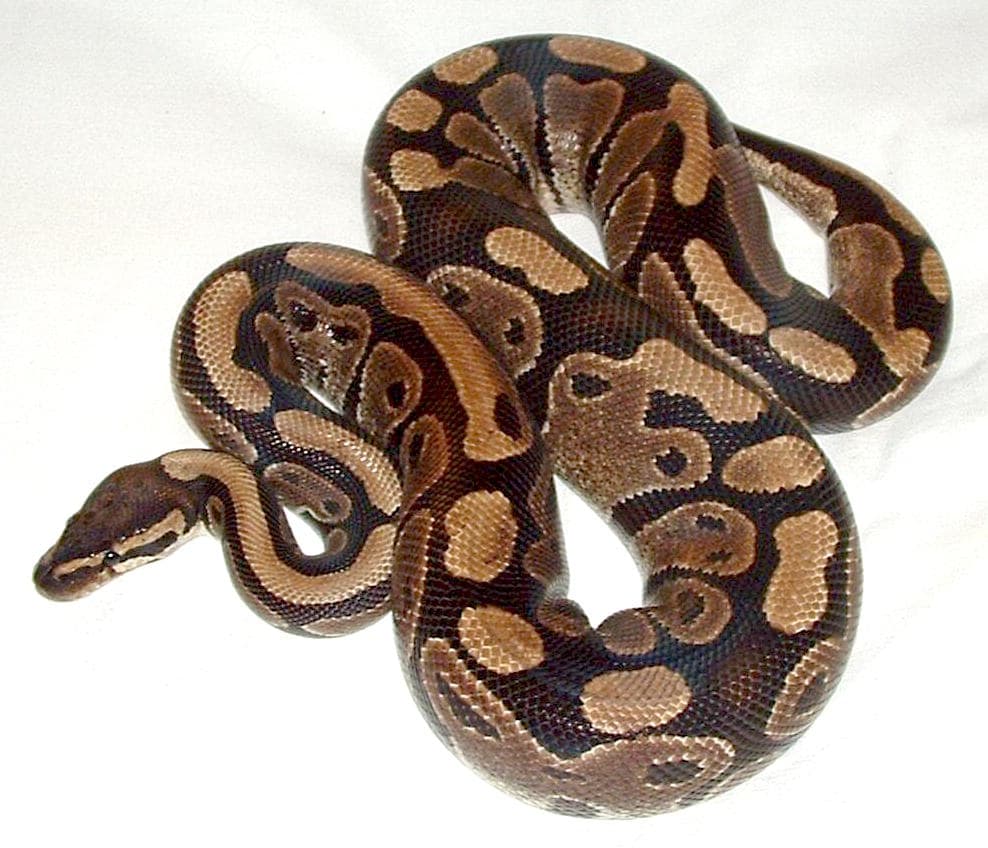
Loading…
Loading…
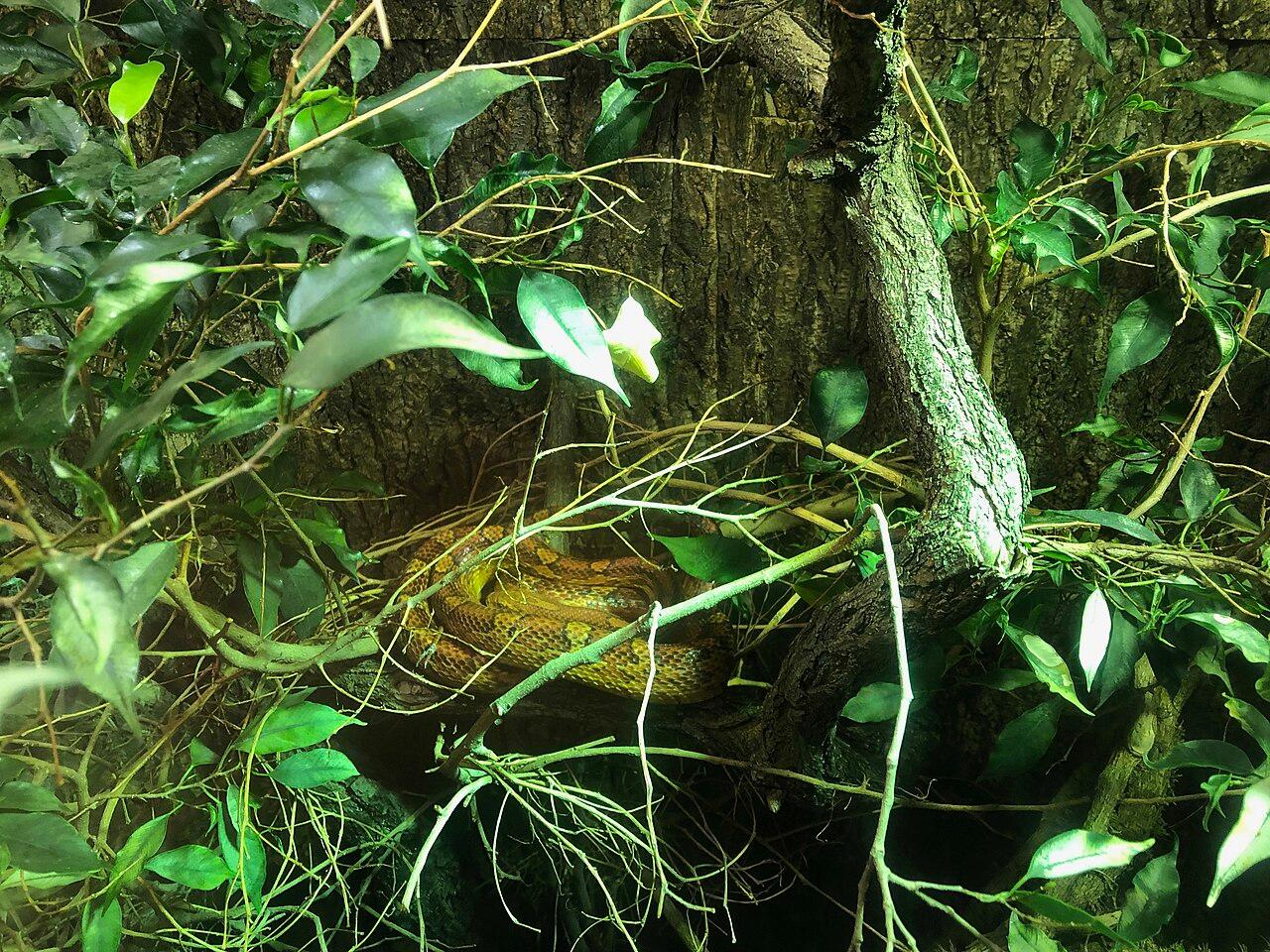
Carolina Corn Snake · Snow Corn Snake · Anery Corn Snake
Gentle beginner snake — eats mice, escapes less, bites rarely
The recommended first snake: docile, modest-sized (1.2–1.5 m), and undemanding — one defrosted mouse a week and a secure tank with a heat mat. Lives 15–20 years.
Photo: Wikimedia Commons / Killarnee / CC BY-SA 4.0
Care guide last reviewed: · Care requirements referenced from veterinary and humane standards.
Secure 40-gallon tank with locking lid, heat mat, and two hides.
Virtually silent (1/5)
Highly independent — comfortable alone 8+ hours
Prefers to live alone
Three curated supplies researched for this companion's specific anatomy and daily welfare
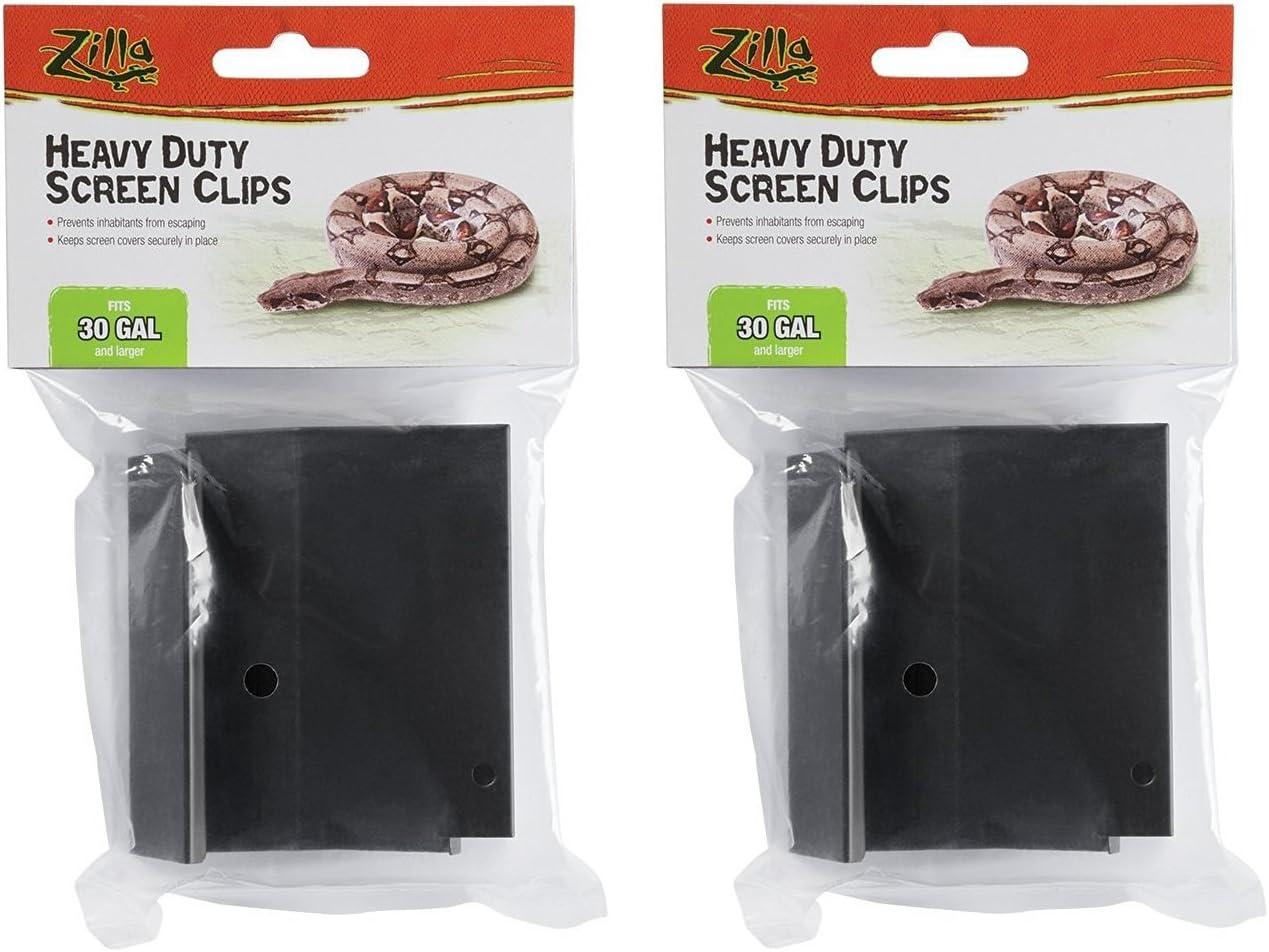
Corn snakes are muscular escape artists that push terrarium lids off with their snouts; high-tension locking clips keep lids securely fastened.

Corn snakes need a temperature gradient from 75°F to 85°F and 40-50% humidity; dual digital probes track both warm and cool ends with precision.
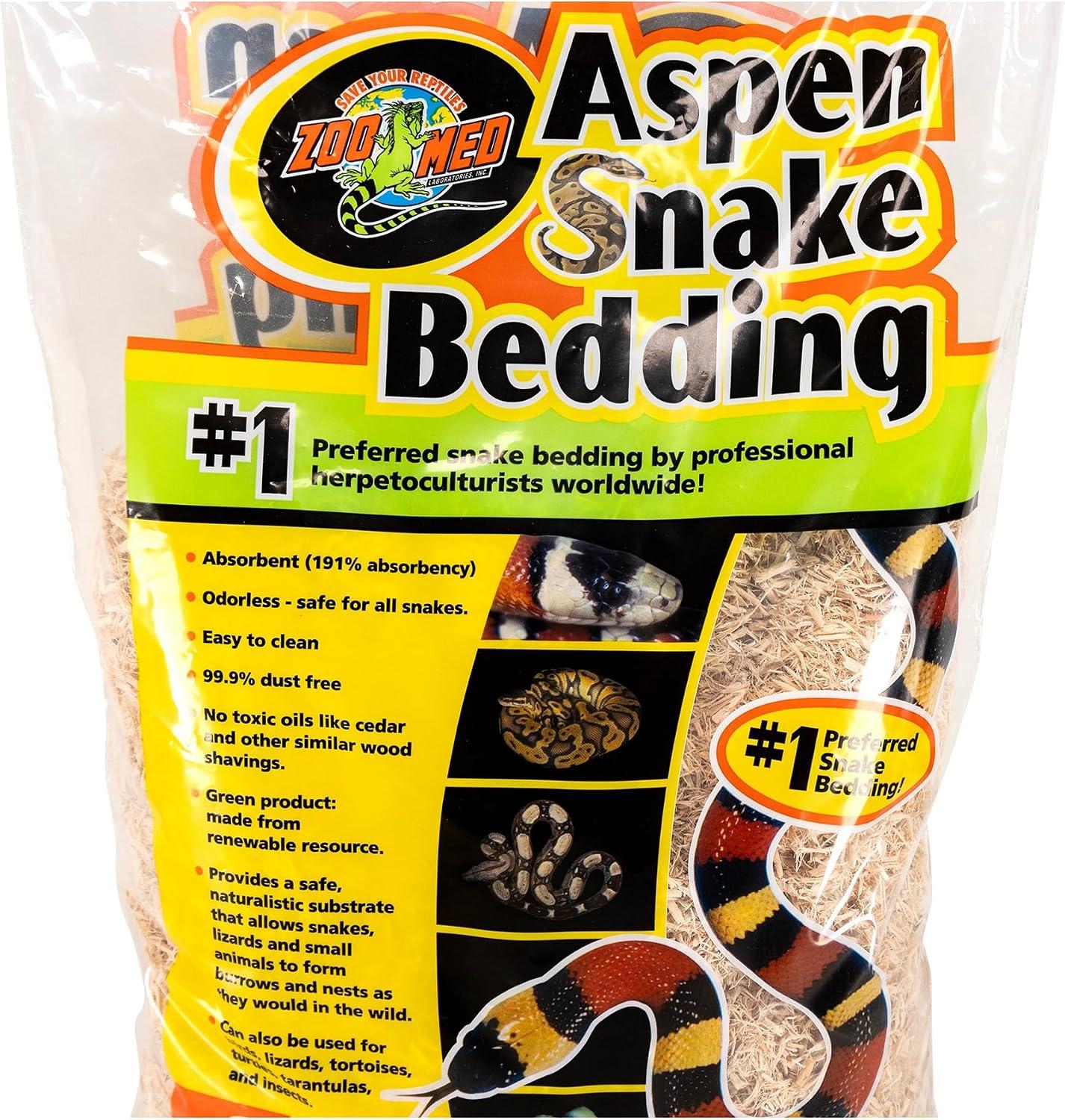
Corn snakes love burrowing beneath substrate after feeding; odorless, chemical-free shredded aspen holds tunnel shapes without releasing harmful aromatic oils.
As an Amazon Associate, WhatPetSuitsYou earns from qualifying purchases. Product prices and availability are accurate at Amazon and subject to change.
As a pet, a corn snake is a beautiful, quiet observer rather than a cuddle companion. It is solitary and must live alone, is most active at dusk and dawn, and spends days curled in hides, emerging to cruise and climb in the evening. Handling means letting it glide through loosely cupped hands for 10 to 15 minutes, never squeezing or dangling it, and always supporting most of its body.
There is no noise, no smell beyond the enclosure, and no fur for allergy sufferers. The honest trade is feeding: every meal is a whole dead mouse thawed and wiggled on tongs. Children can watch and eventually help under adult supervision, but the weekly mouse ritual and the locked lid are non-negotiable adult responsibilities.
Corn snakes eat whole defrosted rodents, almost exclusively mice. Hatchlings start on one pinky mouse every 5 to 7 days, juveniles take fuzzies to hoppers every 7 to 10 days, and adults eat one adult mouse every 10 to 14 days, occasionally stretching to 3 weeks. Choose prey slightly wider than the snake's widest body point, never larger than 1.5 times its girth, and offer variety a few times a year with a small rat, chick, or quail egg. Thaw frozen prey fully in the fridge or cold water, then warm to about 37C before offering with long tongs, never fingers.
Feed inside the vivarium in the evening and leave the snake alone for 48 hours afterward so it does not regurgitate. Never feed live rodents, which bite and injure snakes. Adults can safely fast for weeks, but repeated refusals plus weight loss mean a vet visit.
House adults in a secure 40-gallon breeder tank minimum (36 by 18 by 18 inches), ideally a 48 by 24 by 24 inch front-opening vivarium, since active corn snakes use climbing space. Hatchlings start in a small tub or 10-gallon tank so they feel secure, upgrading as they grow. A locking lid or vivarium locks are mandatory because corn snakes are relentless escape artists that push through tiny gaps.
Create a gradient with a warm end of 29 to 31C and a cool end of 22 to 25C, dropping to around 20C at night, using a guarded heat lamp or heat mat always wired to a thermostat. Provide at least two snug hides (warm and cool), a large water bowl for soaking, aspen or paper substrate, and branches for climbing. Add low-output UVB for 10 to 12 hours daily and keep humidity at 40 to 60 percent, rising toward 70 percent during sheds.
Daily care takes about 10 minutes: glance-check temperatures on both thermometers, refresh the water bowl, and spot-remove droppings or urates. Handle short sessions two to three times a week once the snake has eaten three or four settled meals, approaching from the side rather than swooping from above, and never handle for 48 hours after feeding or while the eyes are cloudy blue before a shed. Weekly, check the locking lid clips, wipe the glass, and weigh juveniles monthly on kitchen scales to track growth.
Every few weeks do a partial substrate change; every two to three months do a full clean with reptile-safe disinfectant. Feeding day is the main event: thaw one mouse, warm it, offer with tongs in the evening, then leave the snake undisturbed overnight to swallow and settle in its warm hide.
Corn snakes are hardy, but most illness traces back to husbandry. Watch for incomplete sheds and retained eye caps (humidity too low), wheezing or mouth bubbles (respiratory infection from cold or damp), regurgitation after oversized prey or early handling, lumps along the body, mites that look like moving black specks, and mouth rot showing as redness or cheesy discharge. Prevent problems by keeping the warm end at a true 29 to 31C measured with a digital probe, quarantining new arrivals, washing hands between animals, and thawing prey fully, since half-frozen food causes regurgitation.
Register with an exotic vet before you need one; an annual wellness check costs roughly 50 to 90, while respiratory treatment or surgery runs into the hundreds. Weigh monthly, because steady weight loss across several missed feeds is the earliest reliable warning sign.
A corn snake is one of the cheapest reptiles to keep. Setup runs about 200 to 400 for a 40-gallon tank with locking lid, thermostat, heat mat or lamp, two hides, water bowl, thermometers, and substrate. Frozen mice cost roughly 1 to 2 each in bulk, so feeding one mouse every week or two means only 5 to 10 a month. UVB tubes need replacing every 6 to 12 months at 20 to 40, plus substrate top-ups of a few pounds monthly.
Electricity is modest with a single heat source on a thermostat. Budget 10 to 20 a month ongoing, plus a vet fund: exotic consultations start around 50, and emergency care can exceed 200. Because they live 15 to 20 years, the lifetime cost is dominated by two decades of small running costs rather than any single big bill.
Corn snakes are the best beginner snake, full stop. They stay a manageable 1.2 to 1.5 metres, tolerate handling calmly once settled, feed reliably on cheap defrosted mice, and forgive small temperature wobbles that would stress a ball python into a hunger strike. You will succeed if you can commit to frozen rodents without flinching, keep a lid locked every single time, and leave the snake alone for its first settling week.
You will struggle if live feeding appeals to you, if anyone in the house is phobic about mice in the freezer, or if a 20-year commitment feels heavy. Households with cats or dogs must also guarantee a locked room, since a loose snake plus a curious predator ends badly for someone.
Yes, they are widely considered the best first snake. They stay under 1.5 metres, are calm about handling, eat defrosted mice reliably, and tolerate minor keeper mistakes.
The main demands are a locking lid, a proper heat gradient with a thermostat, and comfort feeding frozen mice weekly for up to 20 years.
Defrosted mice sized to the snake's widest body point: pinkies every 5 to 7 days for hatchlings, fuzzies to hoppers every 7 to 10 days for juveniles, and one adult mouse every 10 to 14 days for adults. Thaw fully, warm to body temperature, offer with tongs, and never feed live rodents.
Adults need at least a 40-gallon breeder (36 by 18 by 18 inches), with a 48 by 24 by 24 inch vivarium preferred since corn snakes climb. Hatchlings do better starting small, in a ventilated tub or 10-gallon tank, to feel secure.
Whatever the size, the lid must lock: corn snakes are expert escapers.
Check temperatures first: a cool warm end suppresses appetite. Shedding, breeding season, stress from over-handling, or prey offered too cold are the usual causes.
Warm the thawed mouse properly, feed in the evening, and leave the snake alone. If it misses more than two or three feeds with weight loss, see an exotic vet.
Take our free 15-question what pet should I get quiz to get a personalized compatibility score and see how they match your living environment.
Take the Free Pet Quiz