Loading…
Loading…
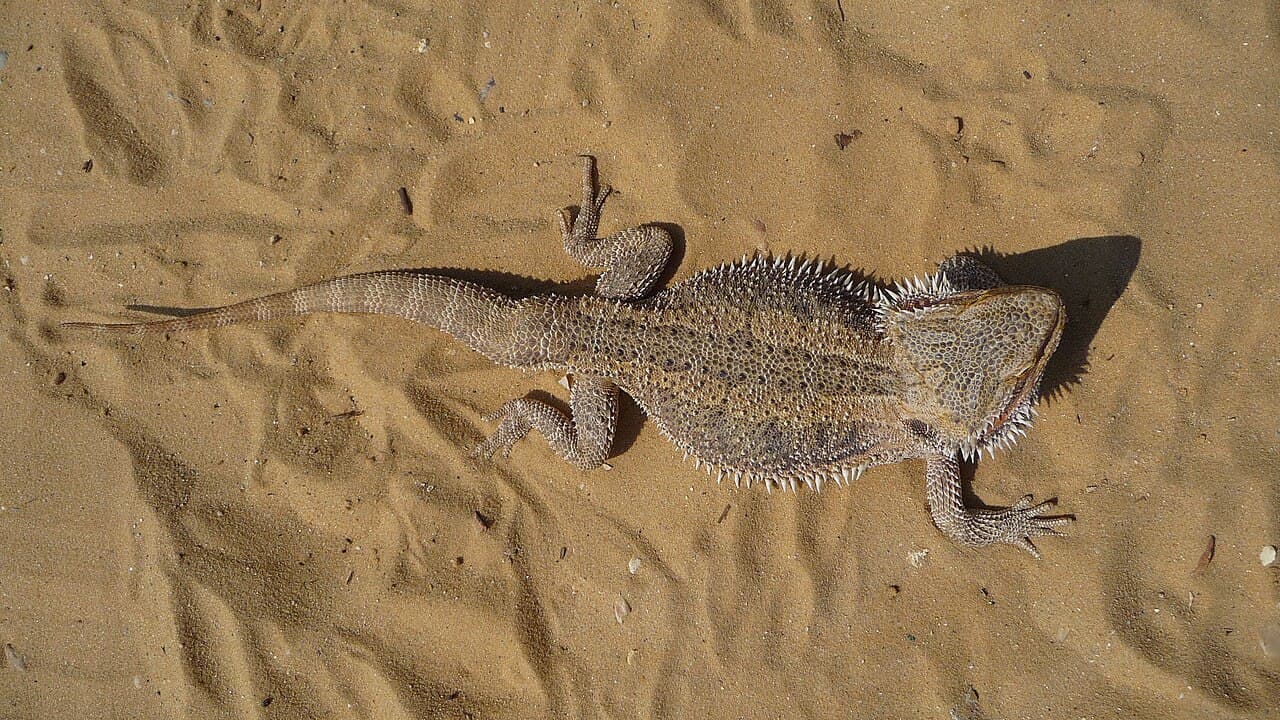
Central Bearded Dragon
Sun-loving lizard that perches on your shoulder
The most interactive lizard: awake by day, calm about handling, and genuinely enjoys sitting with you. Needs a large tank, UVB lighting, and daily greens plus feeder insects.
Photo: Wikimedia Commons / George Chernilevsky / Public domain
Care guide last reviewed: · Care requirements referenced from veterinary and humane standards.
120-gallon (4x2x2 ft) tank with UVB and basking lamp.
Virtually silent (1/5)
Independent — fine with long quiet stretches
Content with independent time
Three curated supplies researched for this companion's specific anatomy and daily welfare

Coil bulbs cause fatal Metabolic Bone Disease (MBD); linear T5 high-output tubes deliver the desert-strength UVB rays required to synthesize active Vitamin D3.

Bearded dragons require a precise 105°F basking surface to activate digestion enzymes; infrared laser guns measure surface temperatures accurately instead of ambient air.
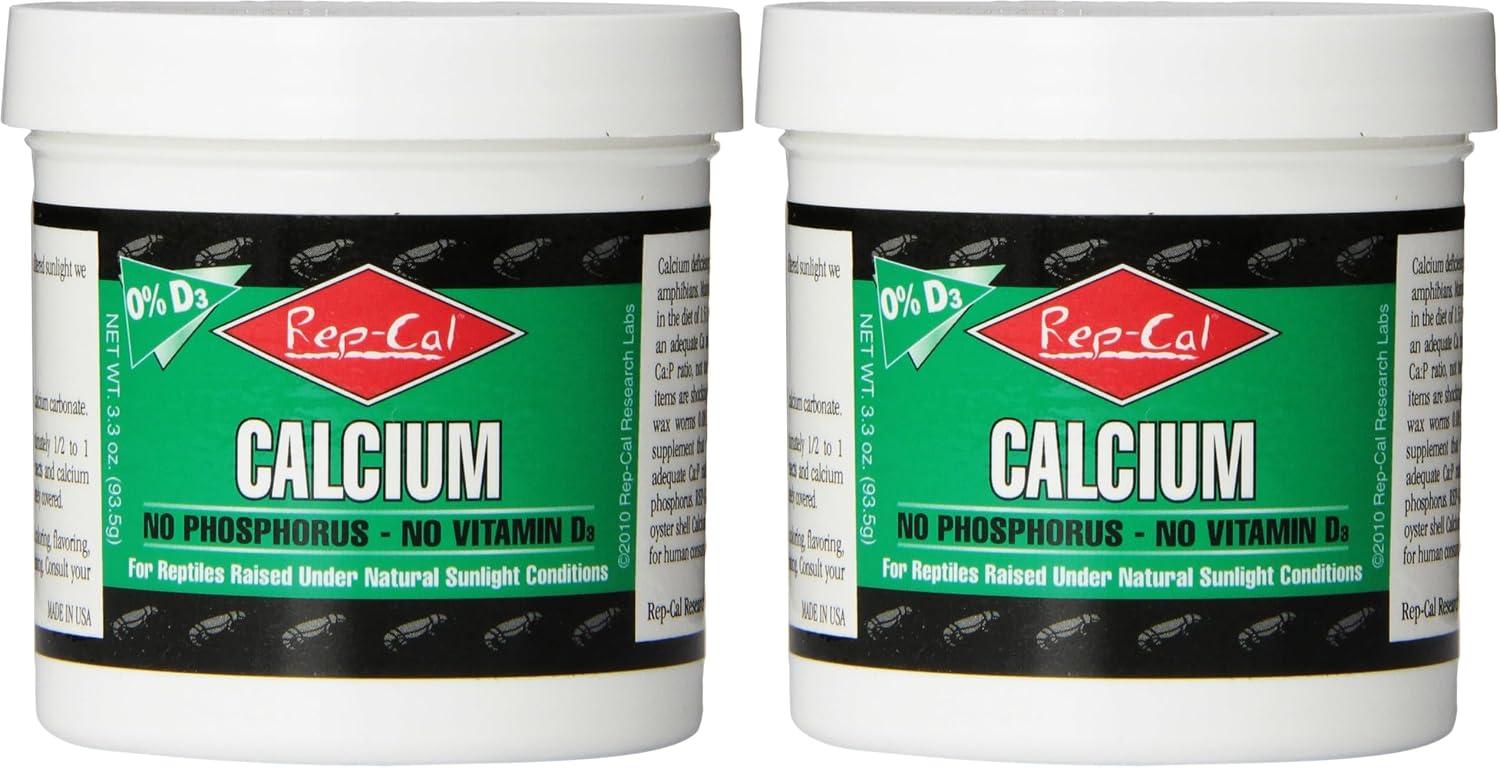
Rapidly growing dragon skeletons need balanced calcium-to-phosphorus ratios; dusting live feeder greens and dubia roaches prevents bone deformities.
As an Amazon Associate, WhatPetSuitsYou earns from qualifying purchases. Product prices and availability are accurate at Amazon and subject to change.
As a pet, a bearded dragon is the most interactive lizard you can own: diurnal, alert, and famously fond of perching on shoulders, watching television with you, and waving or head-bobbing in communication. It is independent rather than bonded, best kept singly since cohabitation causes bullying and injury, but it genuinely tolerates and often seeks handling. There is no fur, no noise beyond the occasional glass-scratching, and droppings are firm and easy to spot-clean.
The trade is daytime dependence: this is an animal that needs you present every morning with salad and bugs, basking under strong lights in your living room. In return you get a responsive, almost dog-like reptile companion for a decade or more.
Bearded dragons are omnivores whose menu flips with age. Hatchlings under 6 months need live insects twice daily at roughly 70 to 80 percent of the diet, juveniles get insects once daily, and adults over a year eat insects only two to three times a week with vegetables offered daily. Staple feeders are gut-loaded crickets, dubia roaches, black soldier fly larvae, and silkworms sized no bigger than the space between the dragon's eyes; waxworms and mealworms are occasional treats because of fat and chitin.
Daily salads mean collard, mustard, turnip and dandelion greens, endive, squash, and bell pepper, with fruit only as a rare treat. Dust insects with calcium at most feedings and a multivitamin weekly. Feed in the morning so the dragon digests under its basking lamp all day.
Adults need a 120-gallon, 4 by 2 by 2 foot wooden or PVC vivarium minimum, since the 40-gallon tanks of old advice cannot hold a real gradient for a 45 cm lizard. Build a basking surface of 40 to 43C under a bright halogen flood lamp, a warm end around 30 to 35C, a cool end of 24 to 29C, and night lows no colder than 18C with all heat on thermostats.
UVB is non-negotiable: mount a T5 high-output 10 to 12 percent tube spanning half the tank over the basking zone for 12 to 14 hours daily, replacing it every 6 to 12 months as output fades invisibly. Keep humidity low at 30 to 40 percent with ventilation, use solid substrates like tile, excavator clay, or paper rather than loose sand for juveniles, and furnish with a basking platform, branches, and hides plus a shallow water dish.
Expect 25 to 40 minutes daily. Mornings: lights on, offer fresh chopped salad, spot-clean droppings, refresh water, and check basking and cool-end temperatures with a probe and infrared gun. Midday: offer dusted live insects to juveniles, or to adults on insect days, removing uneaten bugs so they cannot bite the dragon. Evenings: remove wilted greens, a short handling or bath session a few times a week, lights off on a timer for a proper night.
Juveniles need two insect feeds a day; adults need salad daily and insects two to three times weekly to avoid obesity. Weekly, disinfect the water dish, weigh the dragon, and check UVB mounting distances. Monthly, deep-clean the vivarium and review body condition: hip bones should not jut, and the tail base should stay plump.
Metabolic bone disease from weak or expired UVB plus calcium-poor diet is the number one killer, showing as soft jaws, tremors, kinked tails, and fractures; it is preventable but often irreversible once advanced. Other common issues are respiratory infections from cool damp tanks, impaction from loose substrate or oversized prey, obesity and fatty liver from overfeeding insects to adults, burns from unguarded lamps, and parasites. Prevention means a Solarmeter-checked or schedule-replaced UVB tube, basking surface verified at 40C plus, gut-loaded dusted insects, and annual faecal tests.
Register with an exotic vet early: wellness visits cost 60 to 100, bloodwork and X-rays several hundred. Seek urgent care for lethargy with closed eyes, gaping or wheezing, limb swelling, or a dragon that stops eating for over a week.
Bearded dragons are a mid-cost reptile with real electricity use. Setup runs 400 to 800 for the 120-gallon vivarium, halogen basking kit, T5 UVB fixture and tube, thermostats, thermometers, decor, and supplements. Ongoing, feeder insects cost 20 to 50 a month for a growing juvenile, falling to 10 to 25 for an adult on mostly greens, plus fresh vegetables weekly. UVB tubes need replacing every 6 to 12 months at 25 to 50, and basking bulbs burn out regularly.
Budget 30 to 60 a month plus higher summer electricity. Vet care is the serious line: annual exotic checkups 60 to 100, illness workups 200 to 500. Over a 10 to 14 year life, expect several thousand in running costs, far more than the cute juvenile price tag suggests.
Bearded dragons suit committed beginners who are home in the daytime and genuinely enjoy daily feeding rituals. You will succeed if you can afford the big tank and UVB kit upfront, chop salads every morning, handle live insects without disgust, and monitor temperatures like a hobby. You will struggle if you want a cheap, low-effort, or apartment-tiny pet: dragons demand space, strong lighting, daily fresh food, and electricity bills.
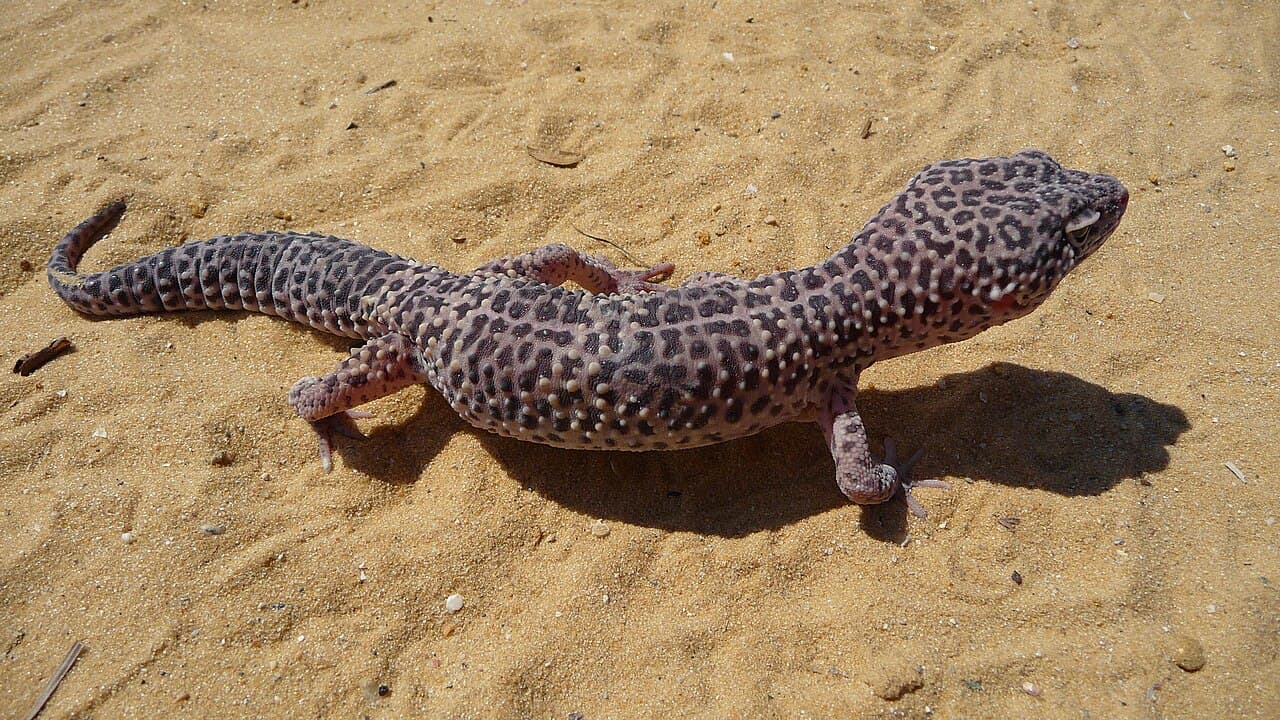
They are also a poor fit for holiday-heavy households, since juveniles cannot skip insect feeds. Teenagers do well with parental backup for vet costs and holiday cover. If daily insects and big tanks daunt you, a crested or leopard gecko is the easier first lizard.
A fresh salad of collard, mustard, turnip or dandelion greens plus squash and pepper, offered daily to all ages. Juveniles also get gut-loaded insects once or twice daily; adults get insects only two to three times a week.
Dust insects with calcium, add a multivitamin weekly, and feed mornings for daytime digestion.
Absolutely: without strong UVB they develop fatal metabolic bone disease. Mount a T5 high-output 10 to 12 percent tube over the basking zone for 12 to 14 hours daily and replace it every 6 to 12 months even while it still glows, since UV output fades invisibly.
A 120-gallon, 4 by 2 by 2 foot vivarium is the modern adult minimum, needed to hold a basking spot of 40 to 43C plus a cool end under 29C. Smaller tanks cannot fit the gradient and stunt activity.
Babies can start smaller but plan and budget for the adult tank within the first year.
Take our free 15-question what pet should I get quiz to get a personalized compatibility score and see how they match your living environment.
Take the Free Pet Quiz