Loading…
Loading…
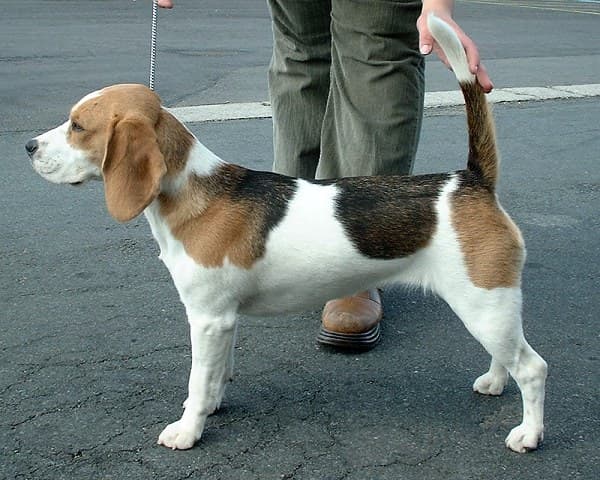
Standard Beagle · Pocket Beagle
Merry scent-hound that follows its nose and loves kids
Cheerful, sturdy, and great with children — but bred to bay and follow scents, so recall off-leash is unreliable and neighbours will hear the famous Beagle howl.
Photo: Wikimedia Commons / CC BY-SA 3.0
Care guide last reviewed: · Care requirements referenced from veterinary and humane standards.
Secure garden with high fences; scent-driven escapers.
Very vocal (5/5)
Misses company — best with someone home often
Thrives with daily company
Three curated supplies researched for this companion's specific anatomy and daily welfare
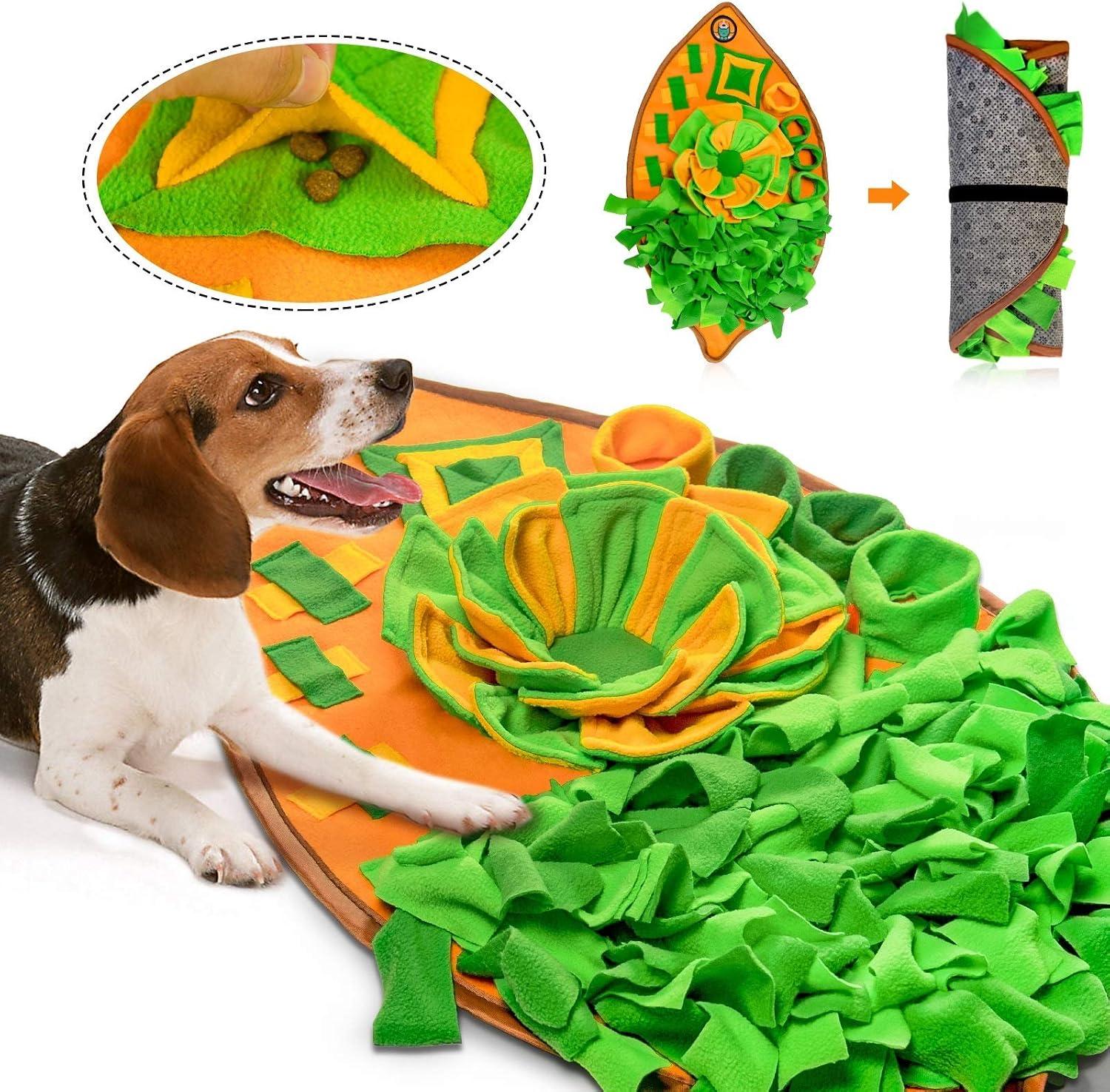
As scenthounds, Beagles see the world through their nose; foraging snuffle mats channel their obsessive tracking instincts indoors, calming separation restlessness.
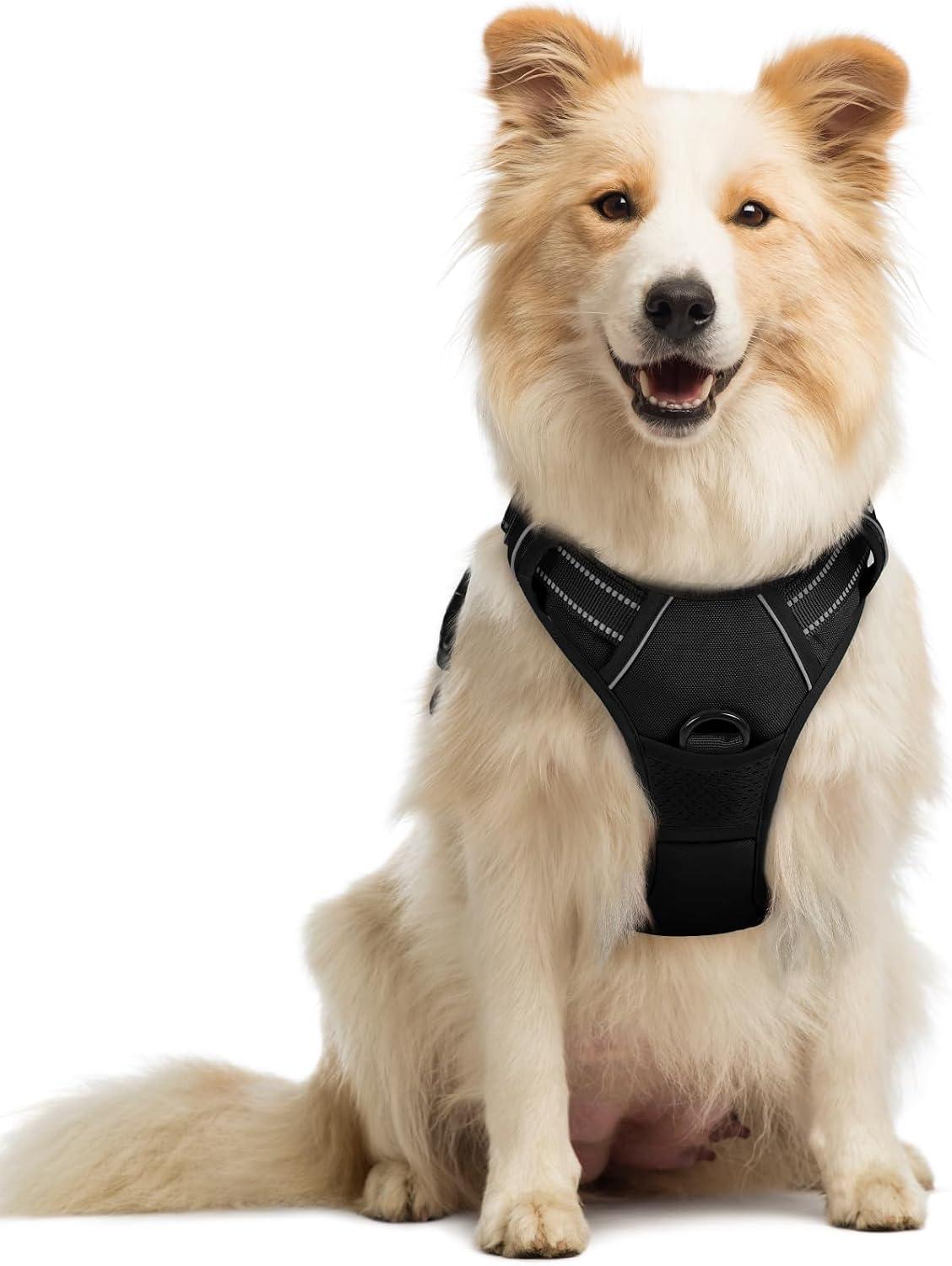
When a Beagle catches a wild rabbit or deer scent, recall vanishes; a secure multi-point chest harness prevents backing out and dashing into road traffic.

Beagles are genetically predisposed to voracious appetites and rapid weight gain; low-calorie reward bites allow endless tracking rewards without excess poundage.
As an Amazon Associate, WhatPetSuitsYou earns from qualifying purchases. Product prices and availability are accurate at Amazon and subject to change.
As a pet, the Beagle is a merry pack animal: it adores children, lives happily with other dogs, greets visitors like long-lost packmates, and wants company constantly — solitude past 4 to 6 hours brings baying concerts and creative destruction. Noise is the headline: the famous bay, plus whining, howling at sirens, and food-demand commentary, scoring maximum on any vocal scale.
Mess is moderate — year-round short-hair shedding and muddy paws — but food theft is a lifestyle: loaves, bins, handbags, and picnic blankets are all fair game. Give it sniffing, company, and secure boundaries, and you get one of the most cheerful, kid-proof companions in dogdom.
Feed a complete adult food in two measured meals daily — most 20 to 25 lb Beagles need roughly 550 to 750 calories, or 1 to 1.5 cups of standard kibble — because this breed is famously food-obsessed and obesity-prone. Use a slow-feeder bowl, measure every portion, keep treats tiny and under 10 percent of calories, and lock bins and counters: Beagles counter-surf, bin-raid, and swallow foreign objects with specialist dedication. Puppies need 3 small meals of puppy formula until 6 months.
Extra weight worsens joint disease, disc risk, and breathing, so weigh monthly and cut portions at the first lost waistline. Avoid chocolate, grapes, raisins, onions, garlic, xylitol, cooked bones, and rich leftovers that trigger pancreatitis.
A house with a secure garden is ideal: 5 to 6 foot fences with buried or concreted bases, locked gates, and no cat-flap escapes — scent-driven Beagles follow noses through any gap and cannot be trusted off-leash outside fenced areas. Indoors, crate-train from day one (around 30 inches for adults) as a den and house-training aid, and scent-proof the kitchen with latched bins and high shelving. Provide a digging-legal sandpit corner, long-lasting chews, and snuffle mats, since nose work tires Beagles faster than miles of walking.
Warn neighbours honestly about the bay: thin-walled flats and noise-sensitive streets are a genuine mismatch. Fit a harness and ID, and consider a GPS tracker for escape artists.
Give 60 to 90 minutes of exercise daily, ideally two 30 to 45 minute sessions combining brisk walking with 10 to 15 minutes of scent games (scatter feeding, hidden treats, tracking trails) — a sniffy walk beats a fast march for this nose. Add 5 to 10 minutes of recall and loose-lead training on a long line, never relying on off-leash recall near roads. Brush the short coat weekly, clean long floppy ears weekly (infection-prone), trim nails monthly, and brush teeth several times a week.
Puppies need toilet breaks every 2 hours, crate naps, and patient house-training — Beagles mature slowly and test consistency. Total hands-on time: around 90 minutes daily.
Annual vet checks with weight, ear, eye, thyroid, and dental review; seniors twice yearly. Beagles are generally sturdy but carry breed risks: epilepsy (seizures typically starting age 2 to 5, managed with lifelong anti-seizure drugs), hypothyroidism (weight gain, dull coat, lethargy — controlled with cheap daily tablets), ear infections from long floppy ears, cherry eye, glaucoma, hip dysplasia, and disc disease.
Report seizures, neck or back pain, sudden weight gain, or balance changes promptly. Keep vaccinations, flea, tick, and worming current — ground-sniffers meet every parasite in the park — and discuss weight clinics early, since vets score most pet Beagles overweight.
Budget $100 to $170 a month: $40 to $60 for food and training treats, $25 to $40 for prevention and amortised vaccines, $15 to $25 for tough chews and replacement toys, and $25 to $45 for insurance. First year runs $1,500 to $2,500 with puppy vaccines, spay or neuter, crate, harness, long line, and scent-game kit.
Beagles are among the cheaper dogs to keep, but the vet cost drivers are real: epilepsy workups and lifelong medication, cherry-eye surgery ($500 to $1,500), and foreign-body surgery after dietary indiscretions ($2,000 to $5,000). A secure-fence upgrade is a common one-off cost owners forget.
Beagles suit patient, noise-tolerant beginners with a garden and a sense of humour. They are sturdy, healthy, affordable, wonderful with children, and small enough for most cars — training basics are achievable with food rewards. But they are not easy: the baying howl enrages neighbours, recall fails whenever a scent calls, house-training is slow, and the nose overrides all plans.
You will struggle in a quiet apartment, with off-leash hiking dreams, with spotless-house standards, or by leaving food in reach. Success means embracing the hound: harness walks, long lines, scent games, locked bins, and laughing when your dignified walk becomes a 20-minute inspection of one hedge.
Almost never outside secure fencing. Centuries of scent-hound breeding mean a Beagle's nose overrides recall completely — once on a trail, it goes deaf to calling and can run for miles into roads.
Exercise off-leash only in fenced dog parks or rented secure fields, use a long line (15 to 30 feet) elsewhere, and fit ID tags plus a GPS tracker for escapes.
At least 60 to 90 minutes daily, per PDSA guidance — a mix of brisk walking and scent work like scatter feeding, hidden-treat trails, and tracking games. Ten minutes of nose work tires a Beagle more than 30 minutes of plain pavement pounding.
Puppies need shorter sessions with free sniffing and play. Without it, expect baying, chewing, and bin-raiding.
They can be, if you have a secure garden, high noise tolerance, and patience. Beagles are affordable, sturdy, great with kids, and food-motivated to train.
The hard parts are the loud baying howl, unreliable recall, slow house-training, and Olympic-level food theft. Quiet flats, off-leash ambitions, and immaculate kitchens point to a different breed.
It is bred in: Beagles were developed to bay loudly so hunters could follow the pack by ear. They vocalise at scents, sirens, solitude, excitement, and boredom.
You can reduce it with 60 to 90 minutes of exercise, scent games, company, and rewarding quiet — but never punish the noise, and accept that a silent Beagle does not exist. Check flat or lease noise rules before committing.
Take our free 15-question what pet should I get quiz to get a personalized compatibility score and see how they match your living environment.
Take the Free Pet Quiz