Loading…
Loading…
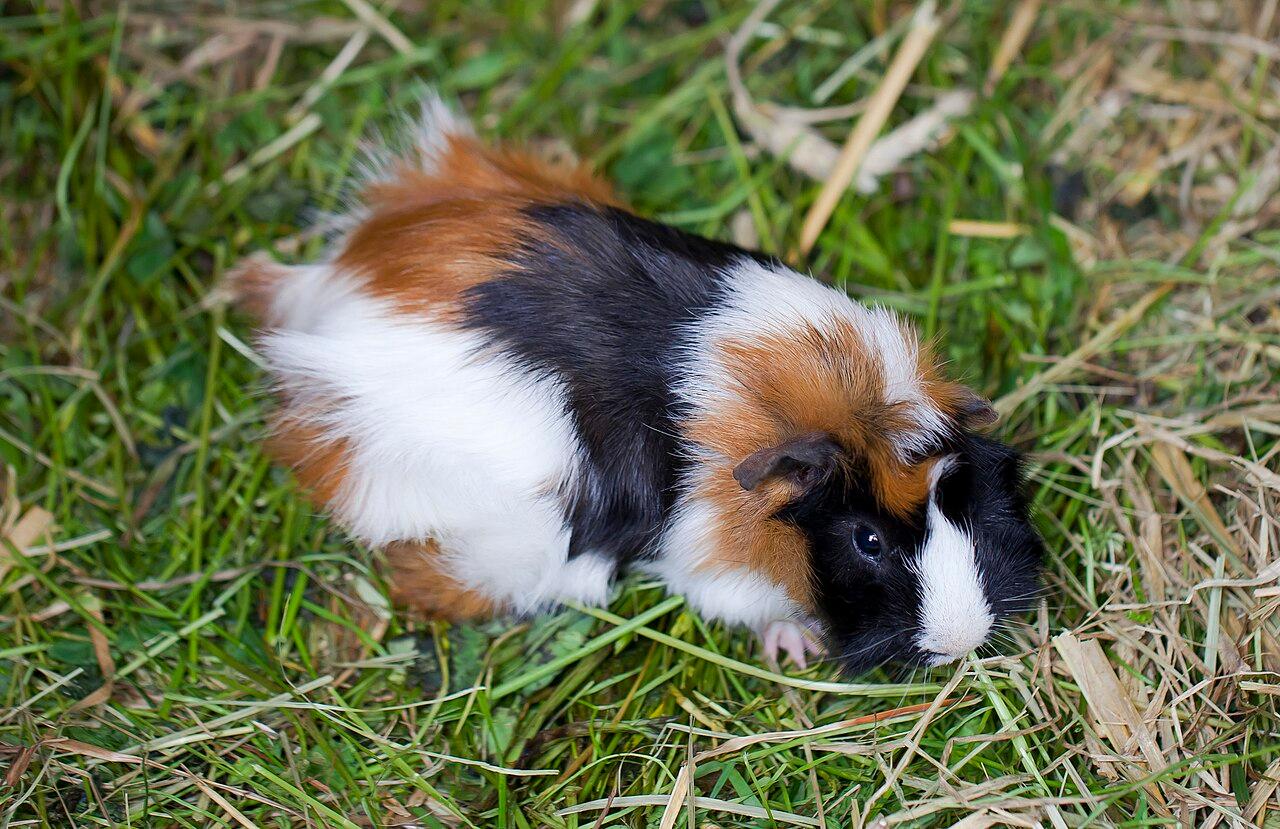
American Shorthair · Abyssinian · Peruvian
Chatty pair that squeaks hello at veggie time
Gentle, daytime-active, and wonderfully vocal — guinea pigs learn your footsteps and wheek for dinner. Must live in bonded pairs (a lone guinea pig is a lonely one) with daily fresh hay and vitamin C veg.
Photo: Wikimedia Commons / Diego Delso / CC BY-SA 3.0
Care guide last reviewed: · Care requirements referenced from veterinary and humane standards.
10–12 sq ft flat pen (C&C cage); no wire floors. Always two.
Moderate (3/5)
Tolerates a normal workday with enrichment
Best kept as a bonded pair
Three curated supplies researched for this companion's specific anatomy and daily welfare
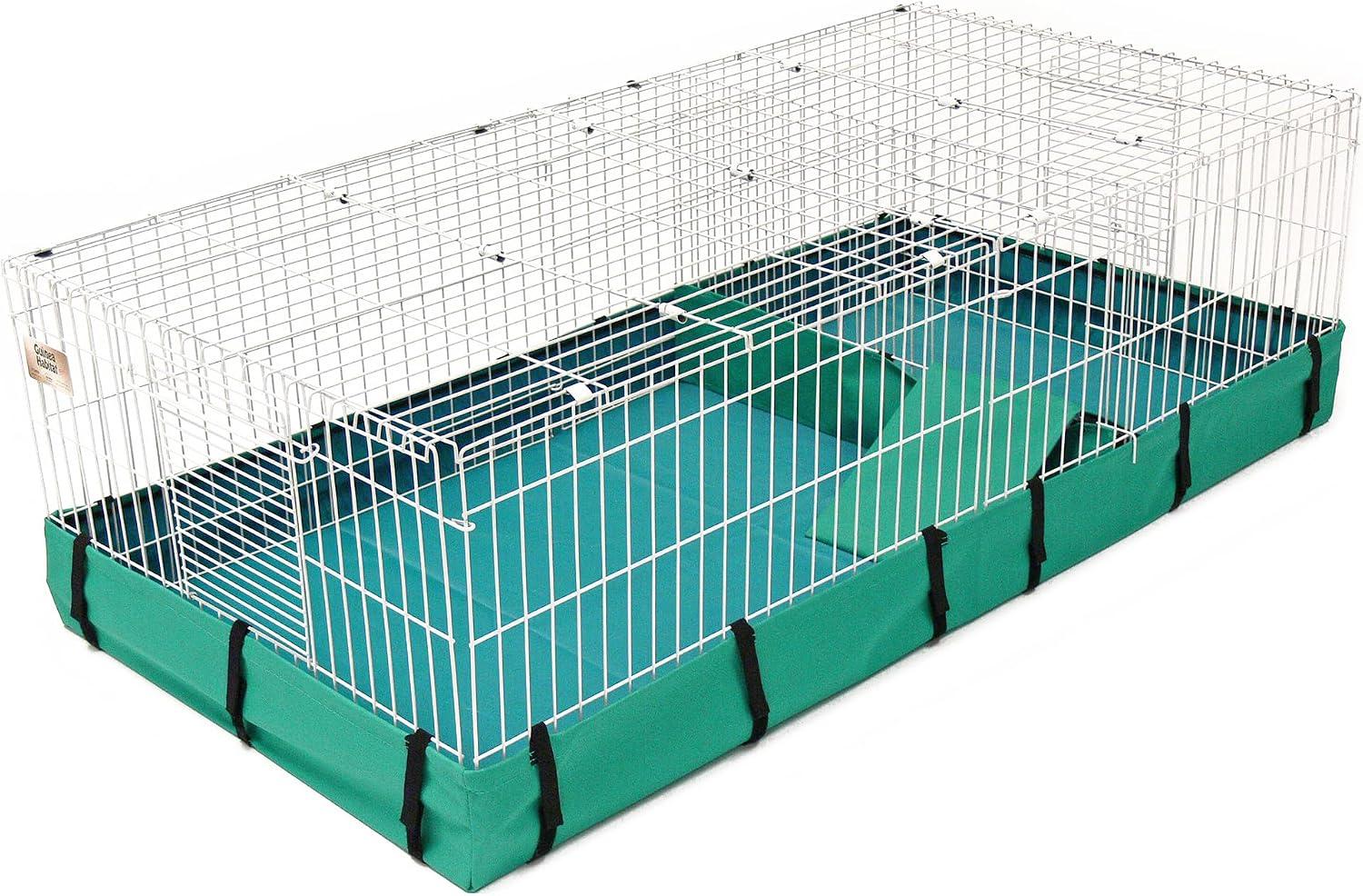
Guinea pigs have fragile spines and cannot climb stairs or use wheels; a minimum 8 square feet of contiguous flat floor space is critical for heart health.
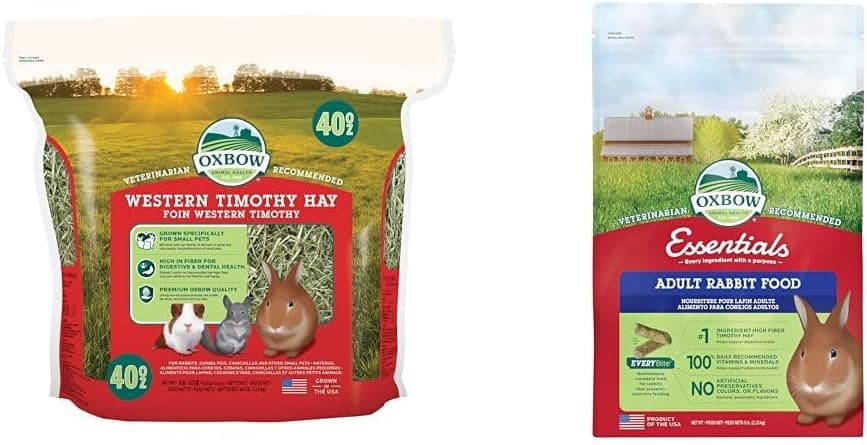
Guinea pigs must consume unlimited long-strand grass hay 24/7 to continuously wear down open-rooted molars and prevent fatal GI stasis.
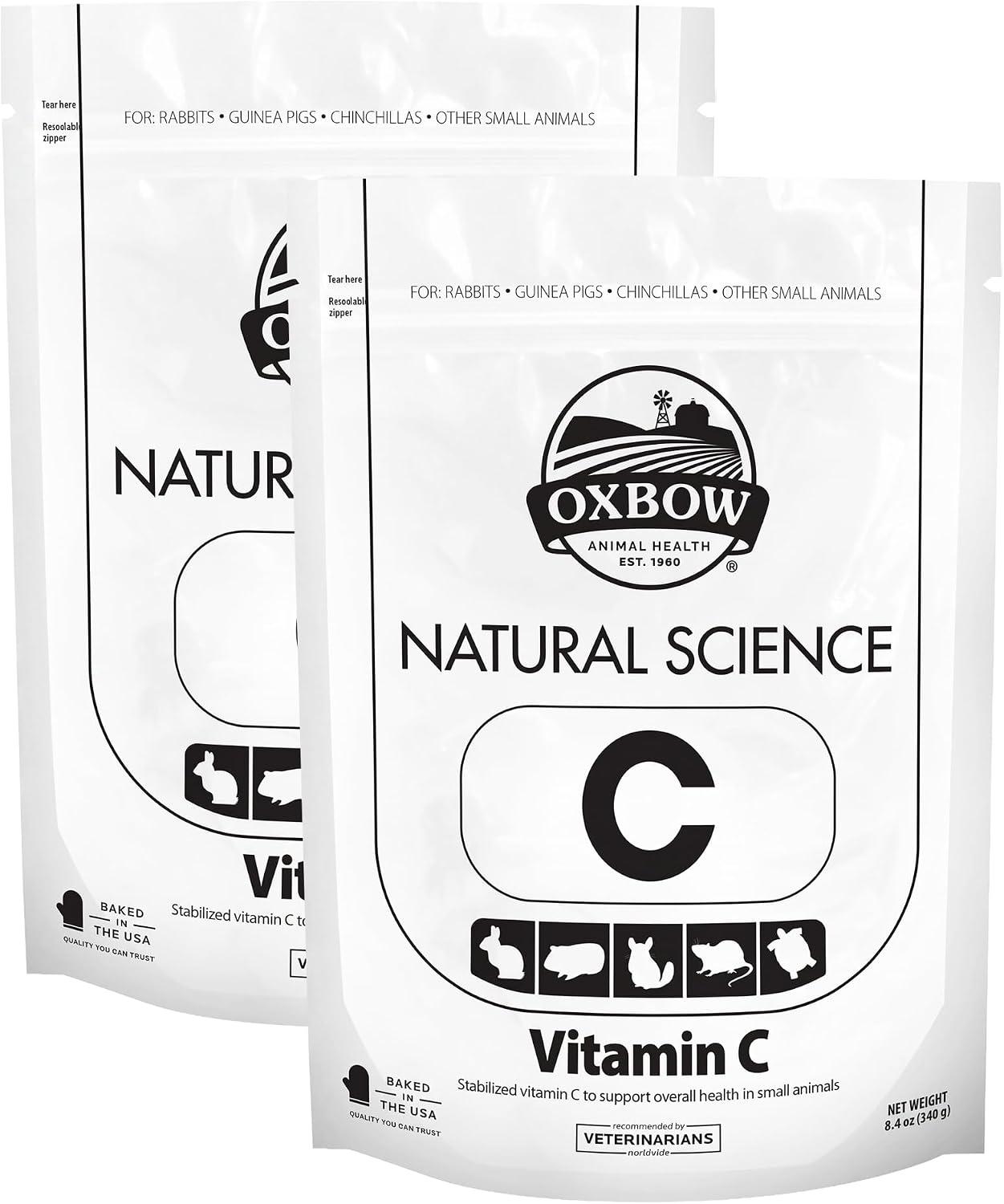
Lacking the L-gulonolactone oxidase enzyme, guinea pigs cannot manufacture their own Vitamin C; daily stabilized tablets prevent painful scurvy and joint hemorrhages.
As an Amazon Associate, WhatPetSuitsYou earns from qualifying purchases. Product prices and availability are accurate at Amazon and subject to change.
Expect chatty, social companions that learn your footsteps, popcorn with joy (leaping twists), rumble contentedly, and wheek at full volume when the fridge opens. Pairs groom, nap, and chatter together; a lone pig is a welfare failure. They are fragile to drops and chills, so small children must handle them seated on laps with adult supervision.
Shedding and hay mess are constant, and long-haired breeds need regular trims. They are prey animals that freeze or flee at sudden noise, so calm predictable handling builds trust over weeks. Daytime activity matches family life far better than nocturnal hamsters.
Feed unlimited grass hay (timothy or meadow) as 80 percent of the diet: each pig eats a body-sized bundle daily, keeping teeth ground and guts moving. Add one tablespoon of vitamin-C-fortified guinea-pig pellets per pig daily (never rabbit food) and one cup of fresh veg per pig: bell pepper, romaine, cucumber, coriander, and broccoli in rotation. Guinea pigs cannot make vitamin C and develop scurvy within 2 weeks without it, so serve fresh veg daily and use pellets within 90 days of milling.
Provide constant fresh water in bottles plus a bowl. Never feed potatoes, onion, garlic, iceberg lettuce, seeds, or dairy. Introduce new veg gradually to avoid bloat.
Keep a bonded PAIR, never one: single guinea pigs are lonely and Swiss law even mandates company. House two in a flat C and C style pen of at least 10 to 12 square feet (120 by 60 cm minimum, bigger always better), with solid flooring and paper or fleece bedding, never wire floors that injure feet. Add two hides (one per pig plus a spare), hay racks at both ends, tunnels, and a shaded grazing run for lawn time in mild weather.
Keep indoors or in a frost-free insulated shelter at 17 to 24C, away from direct sun and draughts. Spot-clean daily and fully change bedding weekly. Rabbits are not substitute companions and can injure pigs.
Spend 30 to 45 minutes daily: refill hay racks morning and evening, serve the fresh veg chop, refresh water, and spot-clean droppings and wet patches. Weigh each pig weekly on kitchen scales: weight loss is the earliest illness signal. Lap-time each pig for 10 to 15 minutes to check eyes, nose, feet, teeth, and coat, trimming nails fortnightly and brushing long-haired breeds twice weekly.
Clean bottles and bowls daily, disinfect the pen weekly, and sweep the hay-strewn room regularly. Guinea pigs are crepuscular and most vocal at dawn and feeding time, so schedule veg delivery when the wheeking chorus starts.
Guinea pigs live 5 to 8 years with prevention-led care. Scurvy (vitamin C deficiency) causes rough coat, swollen joints, and reluctance to move: daily fresh veg prevents it. Respiratory infections can turn to pneumonia within days, so treat sneezing with discharge or laboured breathing as urgent. Overgrown molars cause drooling and weight loss and need exotic-vet dentistry.
Bumblefoot comes from wire floors and dirty bedding. Find a cavy-savvy vet in advance, since many antibiotics safe for other pets are lethal to guinea pigs. Annual checks with dental review are the standard, and neutering of boars (for mixed pairs) needs an experienced exotic surgeon.
Adopting a bonded pair costs 30 to 80 from rescues, often already neutered and health-checked. Setup runs 80 to 150 for a C and C pen, hides, racks, and bottles. Monthly, budget 20 to 35 for hay (the big recurring cost for two), 10 to 15 for pellets and bedding, and 15 to 25 for fresh veg.
Annual exotic-vet checks cost 40 to 70 per pig, with dental work 80 to 200 and emergency care more. Average 60 to 100 per month for the pair. Pet insurance for exotics is limited, so keep a 300 emergency fund per pair for respiratory or dental crises.
Superb family pets for school-age children with adult backup: gentle, rarely biting, awake by day, and full of whistling character. You succeed with a bonded pair, daily hay and veg discipline, weekly weigh-ins, and tolerance for hay-covered floors. Adults must own the routine, since veg prep and cleaning fall to parents within weeks.
Avoid if you want one animal only, travel constantly, or cannot stand rustling hay and 6 a.m. wheeking. Adopt a bonded pair from a rescue rather than buying two strangers, and enjoy five-plus years of vegetable-fuelled comedy.
No. Guinea pigs are herd animals that suffer alone; welfare guidance everywhere requires at least a bonded pair, and Switzerland legally mandates it.
Always adopt an already-bonded pair, since strangers need careful introductions that sometimes fail.
Bell pepper (excellent vitamin C), romaine lettuce, cucumber, coriander, and small amounts of broccoli are daily-safe staples at one cup per pig. Avoid potatoes, onion, garlic, iceberg lettuce, and seeds.
Introduce new veg gradually.
At least 10 to 12 square feet of flat floor (120 by 60 cm minimum) for a pair, with solid flooring, two hides, and hay racks at both ends. Bigger pens reduce bickering and obesity; hutches marketed for guinea pigs are usually too small.
Weight loss is the top early warning sign, pointing to dental disease, scurvy, or infection. Weigh weekly on kitchen scales and see an exotic vet promptly for steady drops, drooling, or reduced hay eating.
Take our free 15-question what pet should I get quiz to get a personalized compatibility score and see how they match your living environment.
Take the Free Pet Quiz