Loading…
Loading…
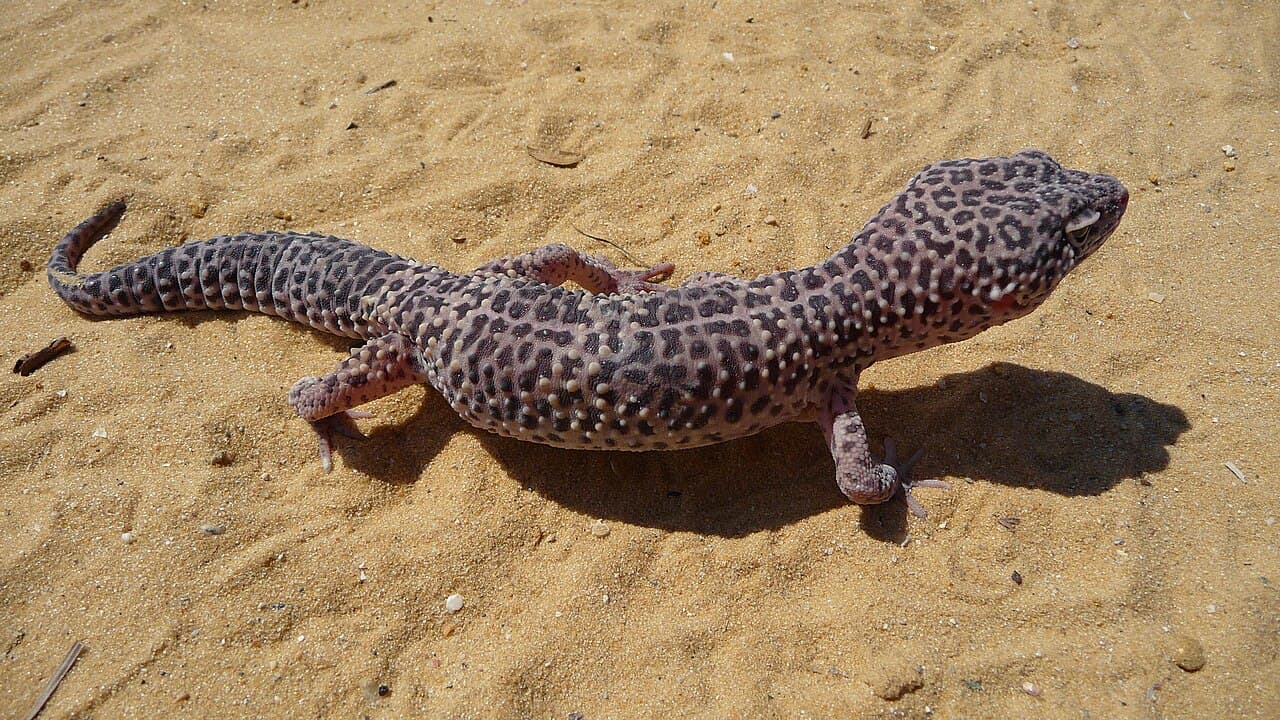
High Yellow Leopard Gecko · Albino Leopard Gecko
Smiling ground gecko — hardy, calm, and beginner-proof
Plump-tailed, docile, and nearly indestructible with basic care: warm hide, cool hide, damp hide, and mealworms. No climbing glass, no daytime UVB fuss — a calm evening companion.
Photo: Wikimedia Commons / George Chernilevsky / Public domain
Care guide last reviewed: · Care requirements referenced from veterinary and humane standards.
Horizontal 20-gallon tank with heat mat and three hides.
Virtually silent (1/5)
Highly independent — comfortable alone 8+ hours
Prefers to live alone
Three curated supplies researched for this companion's specific anatomy and daily welfare

As crepuscular ground dwellers, leopard geckos absorb warmth through their bellies to digest food; regulated heat pads ensure safe 90°F belly heat without burns.
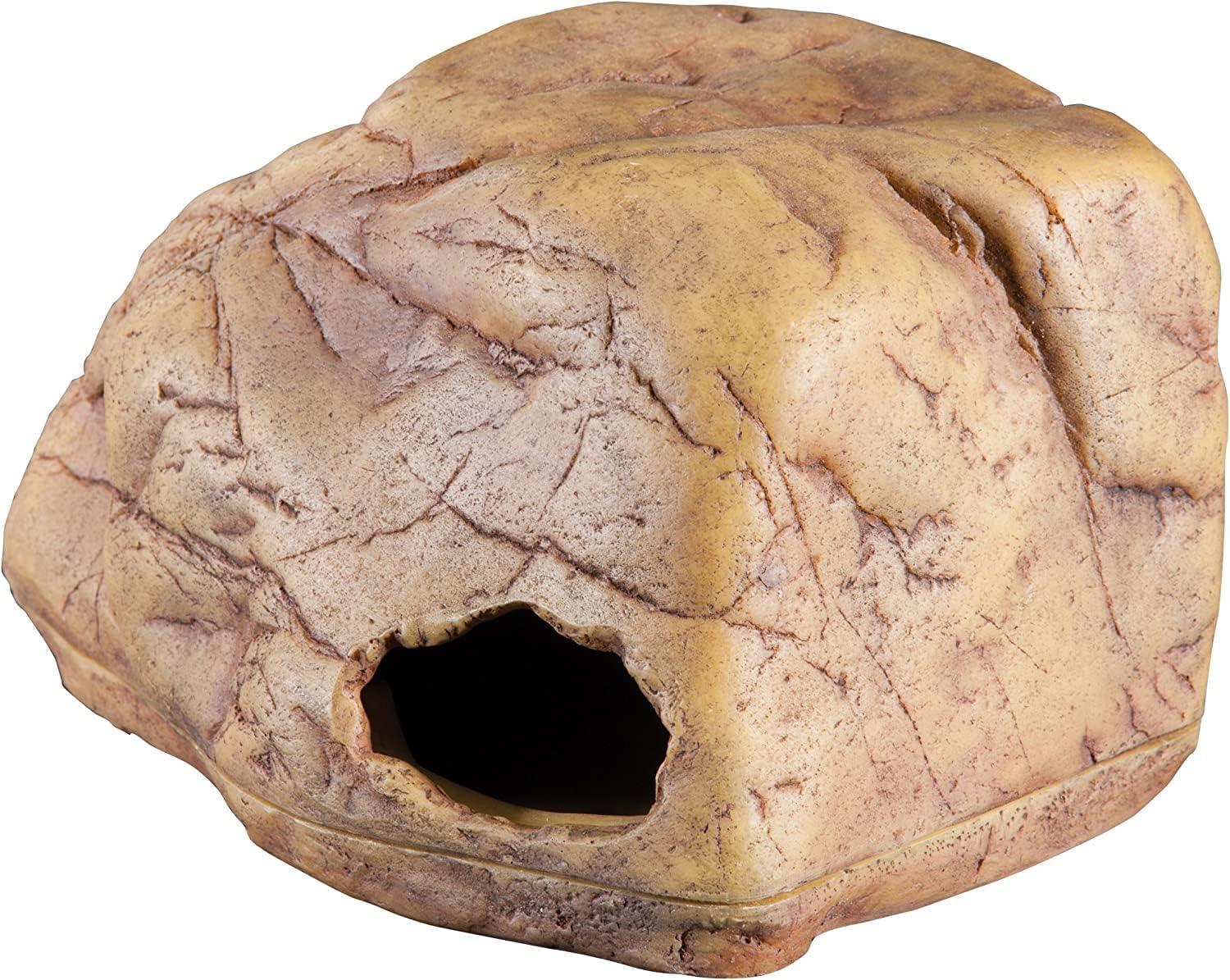
Dry arid terrariums cause retained shed that constricts blood flow and leads to lost toes; moss-filled humid caves provide the moisture needed for clean shedding.
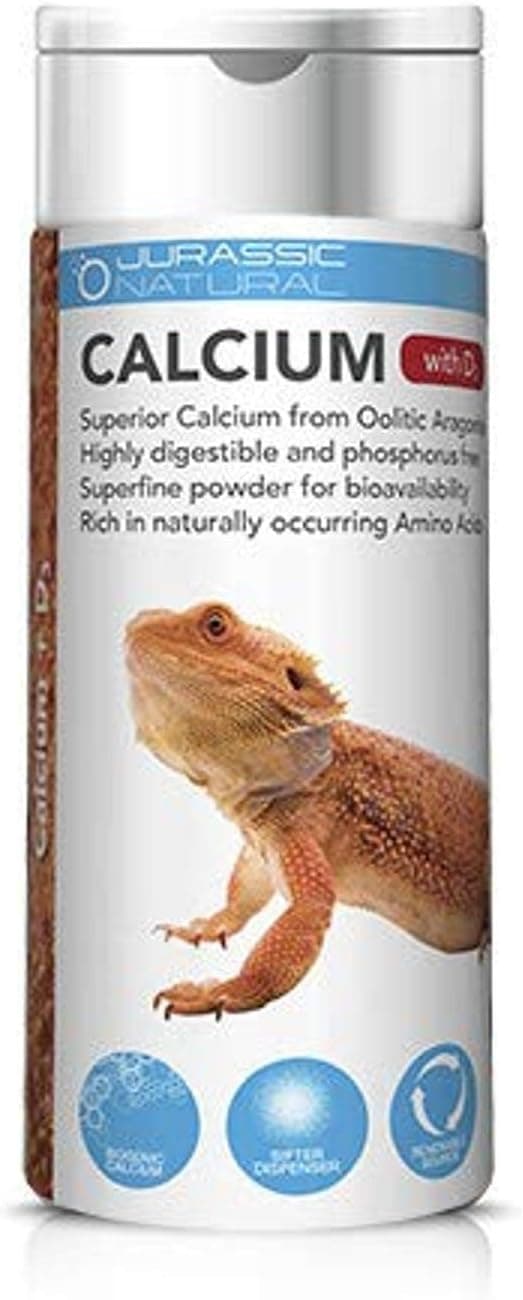
Leopard geckos self-regulate mineral intake by licking pure calcium directly from a shallow dish; calcium without D3 prevents accidental toxic vitamin overdoses.
As an Amazon Associate, WhatPetSuitsYou earns from qualifying purchases. Product prices and availability are accurate at Amazon and subject to change.
As a pet, a leopard gecko is a calm, smiling, ground-dwelling companion that tolerates handling better than almost any other lizard. It is solitary and must live alone, spends days asleep in its favourite hide, and becomes gently active at dusk, stalking insects with slow deliberate steps. Handling means letting it walk across warm hands for short sessions, never squeezing the body or pulling the tail.
There is no noise, no odour, and no fur for allergy homes. Do not expect play or affection: the pleasure is in quiet observation, the evening hunt, and a trusting gecko that climbs voluntarily onto an offered hand. With 15 to 20 years ahead, it becomes a familiar, low-key presence in the home.
Leopard geckos are strict insectivores that eat only live moving prey. Staples are gut-loaded crickets, dubia roaches, mealworms, and black soldier fly larvae, with waxworms and superworms kept as rare fatty treats to avoid obesity and addiction. Feed juveniles daily and adults every other day, offering only as many insects as the gecko eats in about 15 minutes, each no wider than the space between its eyes.
Gut-load feeders on vegetables and commercial diets for 24 hours before offering, then dust with phosphorus-free calcium at most feeds and a reptile multivitamin once or twice weekly. Keep a small dish of plain calcium powder in the tank for licking. Always remove uneaten crickets, which bite sleeping geckos, and feed in a dish or separate container over loose substrate.
House one adult in a horizontal 20-gallon long tank minimum, with a 40-gallon breeder preferred for a real gradient and enrichment. Provide exactly three hides: a warm hide over the heat source, a cool hide, and a humid hide lined with damp sphagnum moss or paper towel, re-moistened every few days for clean shedding. Heat with an overhead halogen or deep-heat projector as the primary source (mat as supplement only), always on a thermostat, giving a warm-hide floor of 31 to 33C measured with a probe or IR gun and a cool end of 21 to 25C, with nights safe down to 18C.
Add low-level UVB for immune and bone health on a 12-hour timer. Keep general humidity at 30 to 40 percent, use slate or tile, paper towel, or a 70:30 topsoil-playsand mix fed over a dish rather than sand, and never use heat rocks, which cause severe burns.
Daily care takes 10 to 15 minutes. Evenings are best: offer dusted insects to juveniles daily or adults every other day, refresh the shallow water dish, spot-clean droppings, and check both thermometers. Re-moisten the humid hide every two to three days and check toes and tail tip after each shed for stuck skin, which constricts blood flow if ignored.
Handle calmly two to three times a week for 10 minutes, scooping from below rather than grabbing from above, and skip handling during shedding or for 24 hours after feeding. Weekly, disinfect the water and calcium dishes and weigh the gecko: a thick tail means good condition, a thinning tail means trouble. Every two to three months, do a full substrate change and disinfect hides and decor.
Leopard geckos are among the hardiest reptiles, but poor supplementation causes metabolic bone disease with soft jaws and bent limbs, and dry setups cause retained shed that strangles toes. Other issues include impaction from swallowing sand, gravel, or walnut shell, respiratory infections from cold damp tanks, cryptosporidiosis causing wasting and regurgitation, and egg-binding in females. Prevention is simple: dust and gut-load every feeder, keep the humid hide damp at all times, measure the warm hide floor at 31 to 33C with a probe or IR gun, feed over a dish on loose substrates, and quarantine newcomers.
Exotic vet visits cost 50 to 90, with faecal tests cheap and worthwhile yearly. Seek prompt care for rapid tail thinning, persistent stuck shed, lethargy, or any gecko that stops eating for over 2 weeks.
Leopard geckos are cheap to buy and keep. Setup costs 120 to 250 for a 20-gallon tank with lid, heat mat plus thermostat, three hides, thermometers, water and calcium dishes, substrate, and an optional UVB kit. Feeder insects run 10 to 20 a month, plus calcium and vitamin powders that last months at 10 to 15 per tub. Electricity is minimal with a single mat on a thermostat.
Budget 10 to 20 a month ongoing. Vet care mirrors other geckos: 50 to 90 per exotic consultation, more for X-rays or parasite treatment. The financial surprise is lifespan rather than running cost: 15 to 20 years of small bills adds up, so plan for two decades of insect orders and periodic heat-mat and thermostat replacement, not just the cute juvenile price.
Leopard geckos are the classic beginner-proof reptile alongside corn snakes. You will succeed if you can handle live mealworms and crickets a few times a week, keep three hides in the right temperature zones, and dust every feeder without skipping. You will struggle if live insects disgust you, since unlike crested geckos there is no powder alternative, or if you want a pet that is awake while you are: leopard geckos sleep all day and emerge at dusk.
They suit children only with adult supervision, as tails can be dropped if grabbed and tiny toes need shed checks. For a household that wants the calmest handling of any gecko plus near-indestructible care, this is the pick.
Live insects only: gut-loaded crickets, dubia roaches, mealworms, and black soldier fly larvae, dusted with calcium. Juveniles eat daily, adults every other day.
Waxworms are rare treats because they are fatty. Remove uneaten crickets so they cannot bite the gecko.
They need a thermostat-controlled overhead halogen or deep-heat projector (heat mat as supplement) giving a warm hide floor of 31 to 33C and a cool end of 21 to 25C. Never use heat rocks, which burn.
Low-level UVB on a timer is recommended for bone and immune health.
One warm hide, one cool hide, plus a damp humid hide lined with moss. Separate hides let the gecko thermoregulate without giving up security, and the humid hide provides the moisture needed for clean sheds and healthy toes.
Check and re-moisten it every few days.
Take our free 15-question what pet should I get quiz to get a personalized compatibility score and see how they match your living environment.
Take the Free Pet Quiz