Loading…
Loading…
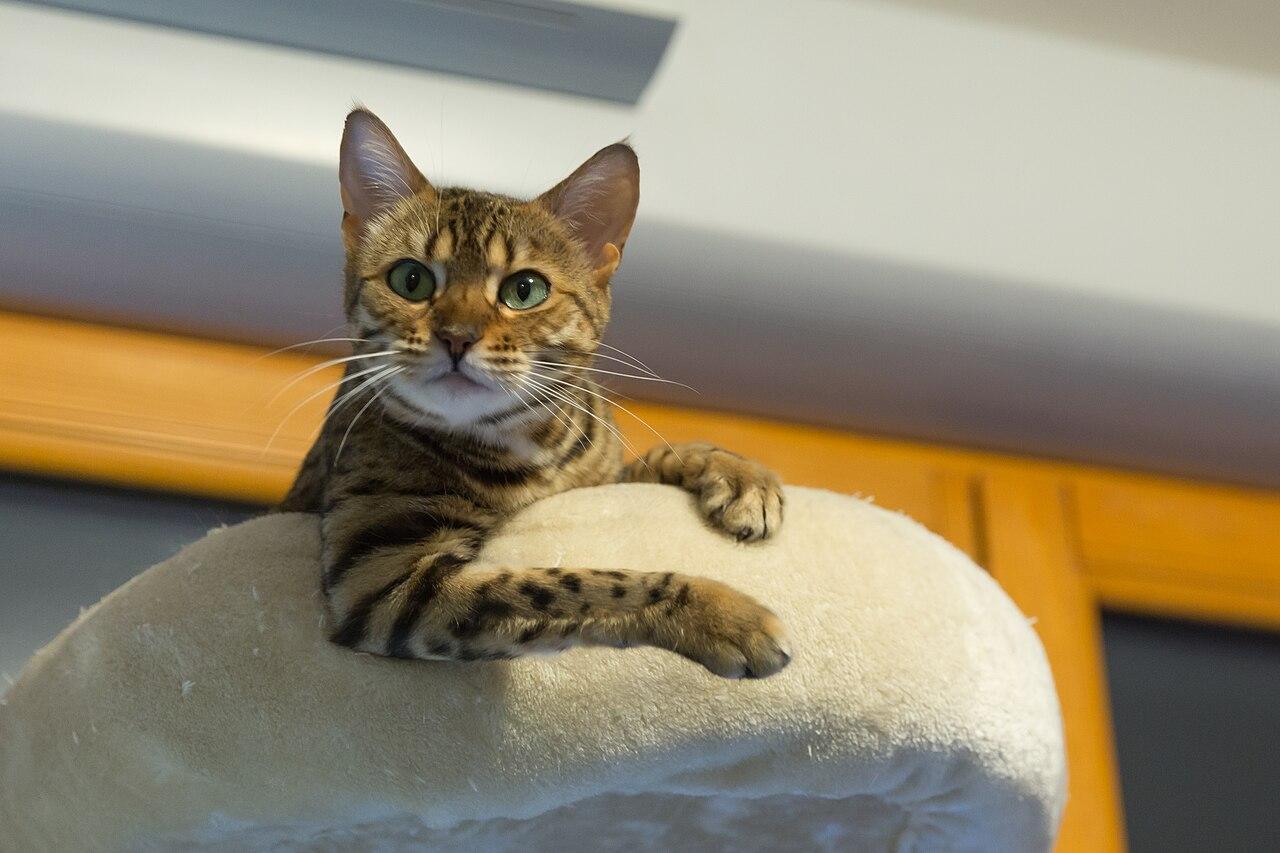
Brown Rosetted Bengal · Snow Bengal · Silver Bengal
Mini-leopard that plays fetch and climbs everything
Wild looks, dog-like energy: Bengals play fetch, walk on leashes, and scale every shelf. They need tall cat trees, daily play, and ideally a companion — a bored Bengal remodels your curtains.
Photo: Wikimedia Commons / Medium69 / CC BY-SA 4.0
Care guide last reviewed: · Care requirements referenced from veterinary and humane standards.
Roomy home with tall climbing furniture and scratching outlets.
Moderate (3/5)
Misses company — best with someone home often
Thrives with daily company
Three curated supplies researched for this companion's specific anatomy and daily welfare
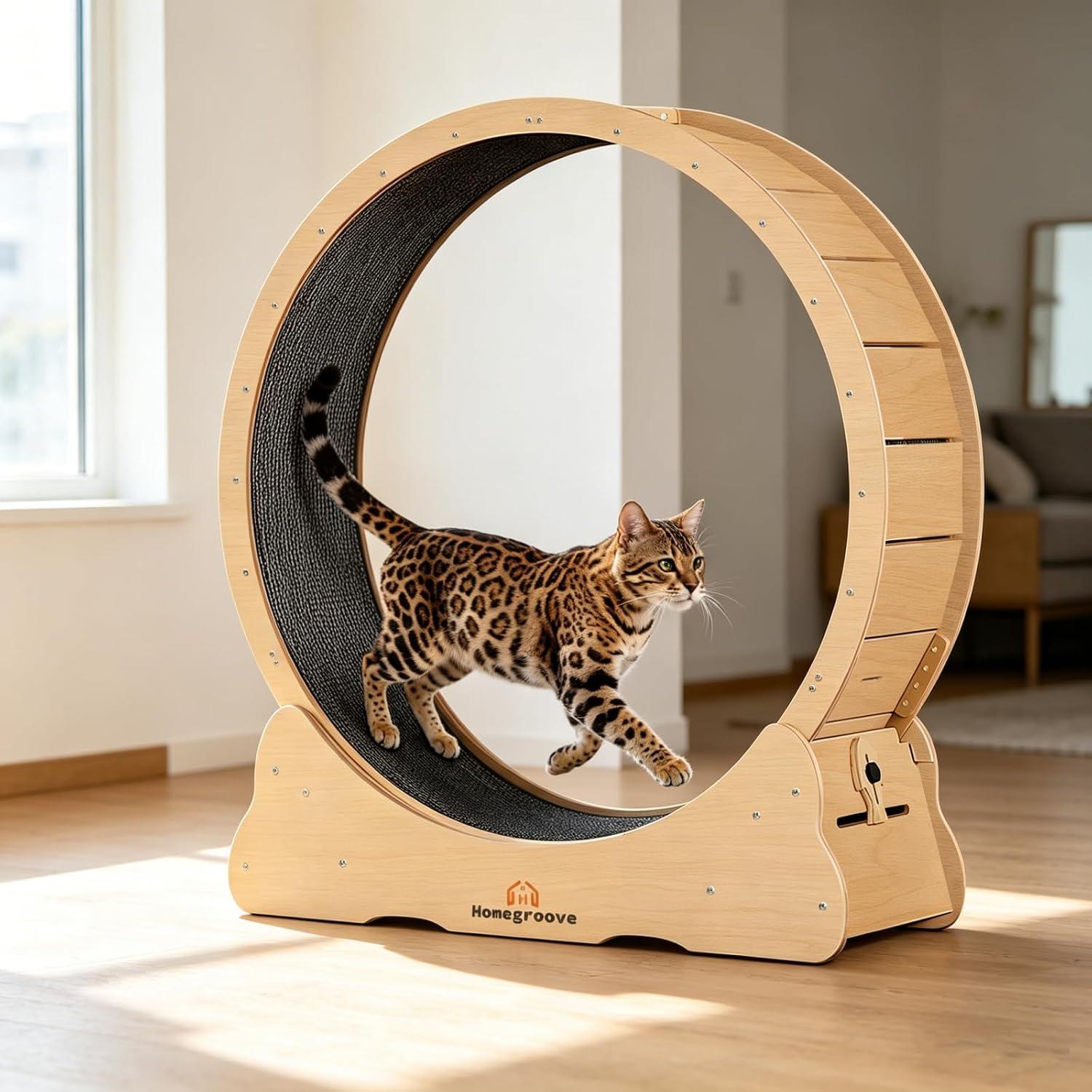
Bengals retain high ancestral wild-cat energy and nocturnal pacing instincts; an open exercise wheel channels their relentless sprinting drive safely indoors.

Athletic Bengals love leash walks but easily slip traditional strap collars; a wide, secure hook-and-loop wrap vest keeps them safely anchored outdoors.

Bengals are famously obsessed with running water and frequently splash their dishes; a heavy faucet-style fountain satisfies their instinct to bat and drink from streams.
As an Amazon Associate, WhatPetSuitsYou earns from qualifying purchases. Product prices and availability are accurate at Amazon and subject to change.
Expect a wild-looking extrovert with boundless energy: Bengals climb everything, play fetch, learn tricks, walk on leashes, and often love water, joining you in the shower. They are loud, opinionated, and demanding of attention, bonding intensely with family while bossing other pets. The short spotted coat sheds little and needs only weekly brushing.
They suit confident children and active dogs after careful introductions but overwhelm timid pets. Nights can be noisy with 3 a.m. sprints. Their intelligence is the whole story: everything is a puzzle to solve, every cupboard a challenge, every shelf a summit.
Feed a protein-rich diet suited to a muscular athlete: adults of 4 to 7 kg need roughly 250 to 350 kcal daily in two or three measured meals, with wet food prioritised for hydration. Choose AAFCO-complete food with named meat or fish first (at least 30 percent protein on a dry-matter basis), and transition new arrivals gradually over 7 to 10 days since Bengals have famously sensitive stomachs. Avoid sudden food changes, rich dairy, and raw diets without veterinary guidance due to bacterial risk.
Cap treats at 10 percent of calories and weigh monthly, because a bored Bengal raids bins and gains weight. Kittens need kitten formula in 3 to 4 meals until 12 months, and seniors need kidney-aware recipes with twice-yearly bloodwork.
Bengals need vertical territory: a floor-to-ceiling cat tree, wall shelves in climbable steps, and window perches, plus horizontal scratchers and a sturdy tall post for full-stretch scratching. Provide one large litter box per cat plus one spare in quiet spots, scooped daily, since Bengals are fastidious and protest dirty boxes loudly. Add puzzle feeders, rotating toys, and ideally a cat wheel for sprinting off energy.
Secure all windows, balconies, and curtain tops, hide cables, and remove toxic plants and small swallowable objects. Harness training gives safe outdoor adventure; free roaming is unsafe for an expensive, curious cat with poor road sense.
Commit 60 to 90 minutes daily: two vigorous 15-minute play sessions (wand toys, fetch, leash walks), plus training or puzzle-feeder time for a brilliant mind. Scoop litter daily and wash boxes weekly, serve measured meals morning and evening with fresh water, and brush the short glittered coat weekly to cut shedding. Check ears, eyes, and claws during play cooldowns, trim nails fortnightly, and brush teeth if tolerated.
Rotate toys weekly to prevent boredom destruction. A neglected Bengal scales shelves, opens cupboards, yowls, and remodels curtains, so the exercise quota is compulsory, not optional. Annual vet checks complete the routine.
Bengals live 14 to 16 years with breed-specific screening that responsible breeders must show. Hypertrophic cardiomyopathy (HCM) occurs in the breed: ask about heart scans in the lines. Progressive retinal atrophy (PRA-b) causes early blindness and pyruvate kinase deficiency (PK deficiency) causes anaemia; both have DNA tests, so demand clear or carrier-status certificates for both parents. Sensitive digestion means chronic vomiting or diarrhoea needs vet investigation, not endless food swaps.
Feline infectious peritonitis anxiety aside, keep vaccines current and discuss FeLV testing for new arrivals. Watch for lethargy, breathing changes, vision bumps, and pale gums. Insure early: cardiac and ophthalmic workups are costly.
Kittens from health-tested breeders cost 1,500 to 3,500, among the highest here. Monthly, budget 35 to 55 for high-protein food, 10 to 20 for litter, and 25 to 45 for insurance, strongly advised given HCM and eye risks. Annual vet checks run 120 to 250, plus dental cleaning 300 to 600 every few years.
Enrichment is a real budget line: a tall cat tree, wheel, harness, and puzzle toys total 200 to 400 one-off. Average 100 to 160 per month excluding purchase. A bored Bengal's damage to furniture and curtains is the hidden cost of skipping play, so treat enrichment as essential spending.
Not a beginner cat and not a decoration cat: Bengals suit experienced, active owners who want a dog-like athlete. You will succeed with space, 90 minutes of daily play and training, climbing furniture, and ideally a feline companion. You will struggle in a small quiet flat, on a tight budget, or wanting a calm lap cat: under-stimulated Bengals are loud, destructive escape artists.
Buy only from breeders showing PRA-b and PK-deficiency DNA certificates plus heart screening. If you can meet the athlete, you gain the most entertaining, fetch-playing, leash-walking companion in the cat world.
At least 30 to 45 minutes of vigorous interactive play daily, split morning and evening, plus climbing furniture, puzzle feeders, and ideally a cat wheel or leash walks. Without this they become loud, destructive, and prone to weight gain.
Ask for PRA-b and pyruvate kinase deficiency DNA certificates for both parents, plus HCM heart screening in the lines. Responsible breeders share results, keep kittens until 13 weeks, and socialise them extensively.
Many do: Bengals famously dip paws, splash in sinks, and join owners near showers. Always supervise water play, keep toilet lids closed, and never force bathing.
Offer a shallow supervised splash tray as safe enrichment.
Only in a large, enriched apartment with tall cat trees, a wheel, and an owner home enough for long play sessions. Small, quiet flats with absent owners produce miserable, destructive Bengals.
Active houses suit them better.
Take our free 15-question what pet should I get quiz to get a personalized compatibility score and see how they match your living environment.
Take the Free Pet Quiz