Loading…
Loading…
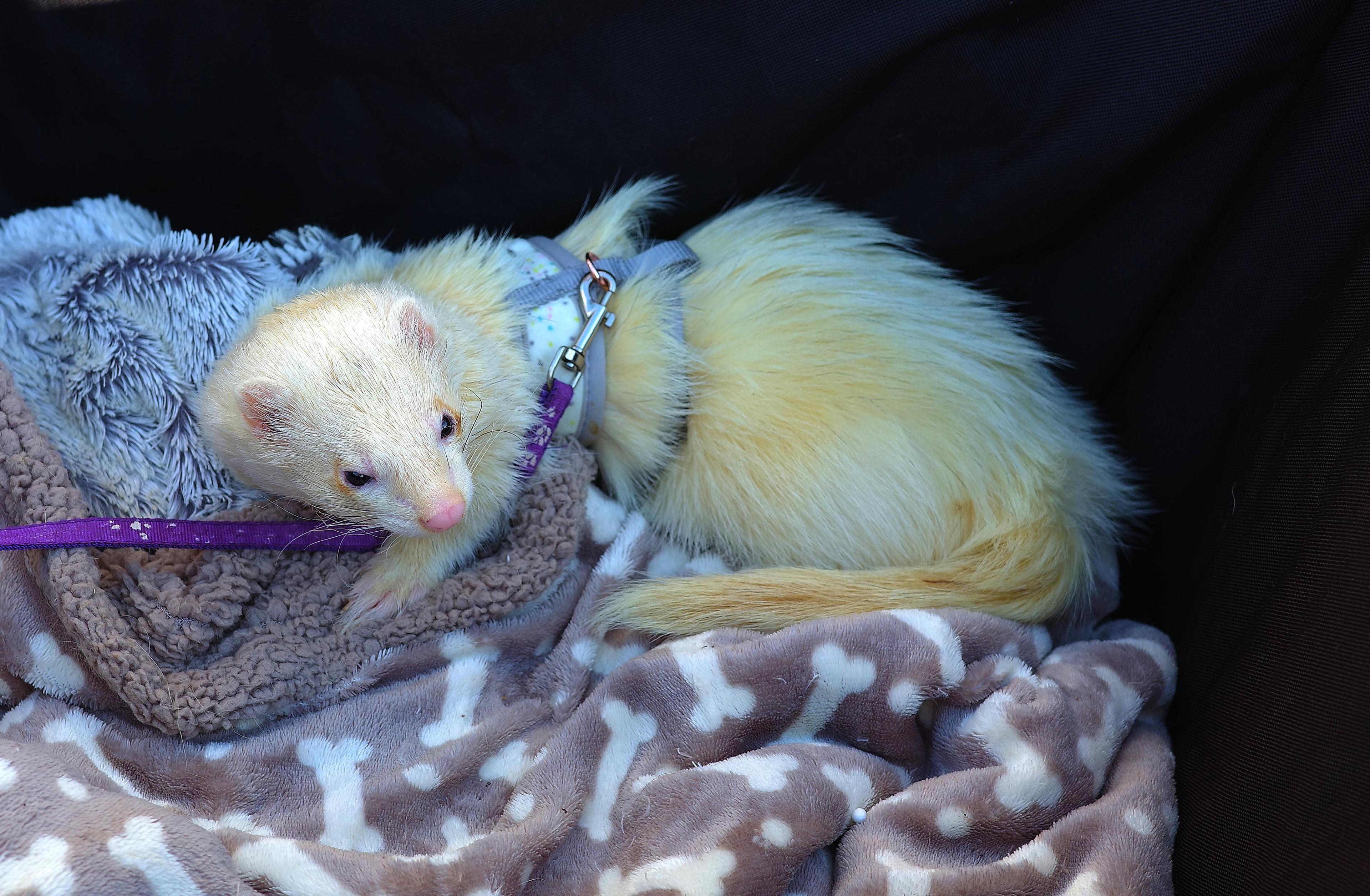
Sable Ferret · Albino Ferret
Chaotic clown that plays hard and sleeps harder
Endlessly playful and mischievous — ferrets stash your keys, dance sideways with joy, then sleep 16 hours. Needs a big multi-level cage, ferret-proofed rooms, and check local laws (banned in some regions).
Photo: Wikimedia Commons / Anthony O'Neil / CC BY-SA 2.0
Care guide last reviewed: · Care requirements referenced from veterinary and humane standards.
Large multi-level cage plus daily supervised free-roam in a ferret-proofed room.
Quiet (2/5)
Misses company — best with someone home often
Thrives with daily company
Three curated supplies researched for this companion's specific anatomy and daily welfare
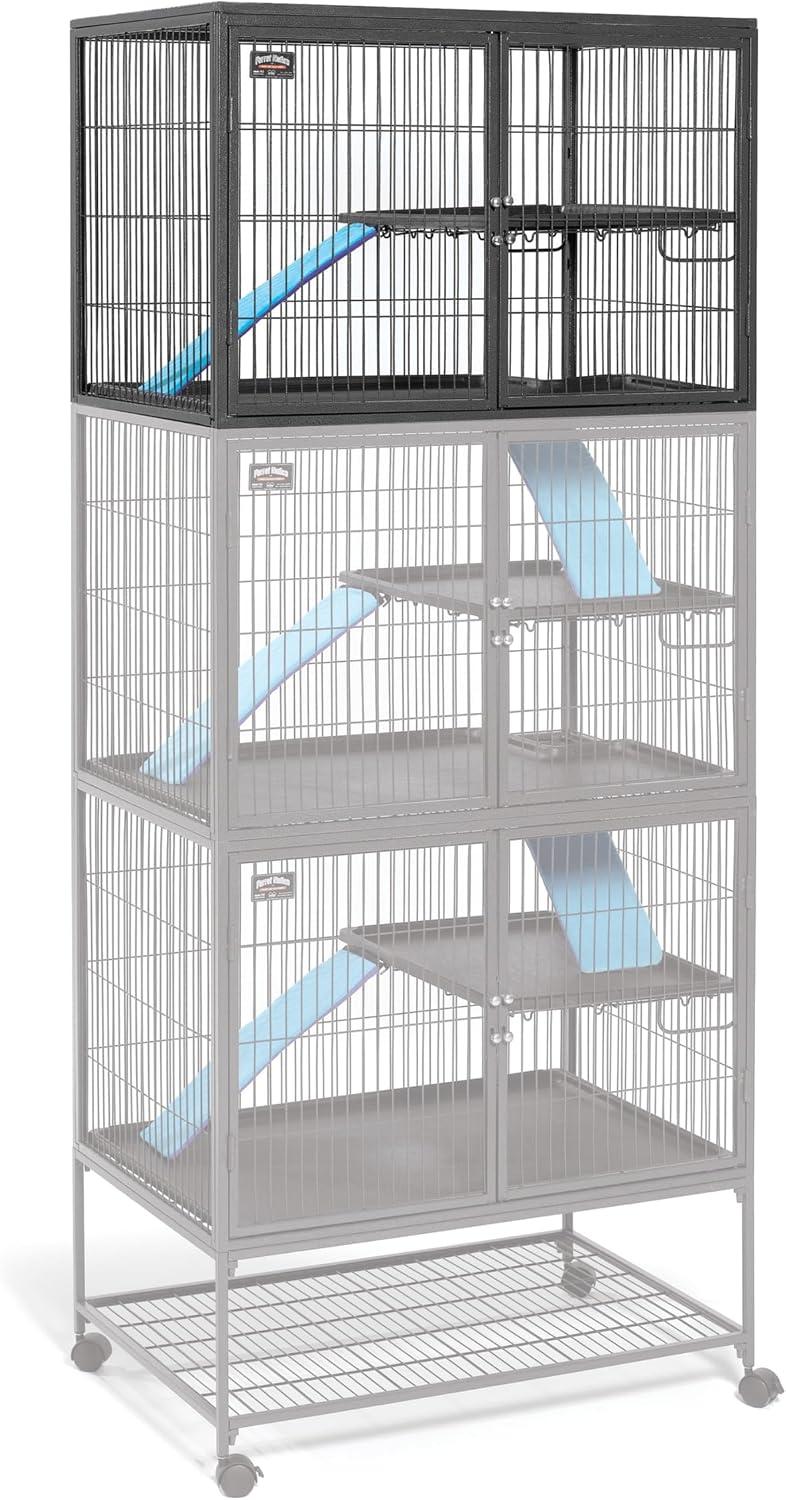
Flexible ferret bodies easily squeeze out of standard pet wire; locking critter-proof latch doors and wide ramps ensure safety when unsupervised.

Obligate carnivores with rapid 4-hour digestive transit, ferrets develop pancreatic insulinoma from carbohydrate fillers; 60% pure animal protein supports their metabolism.
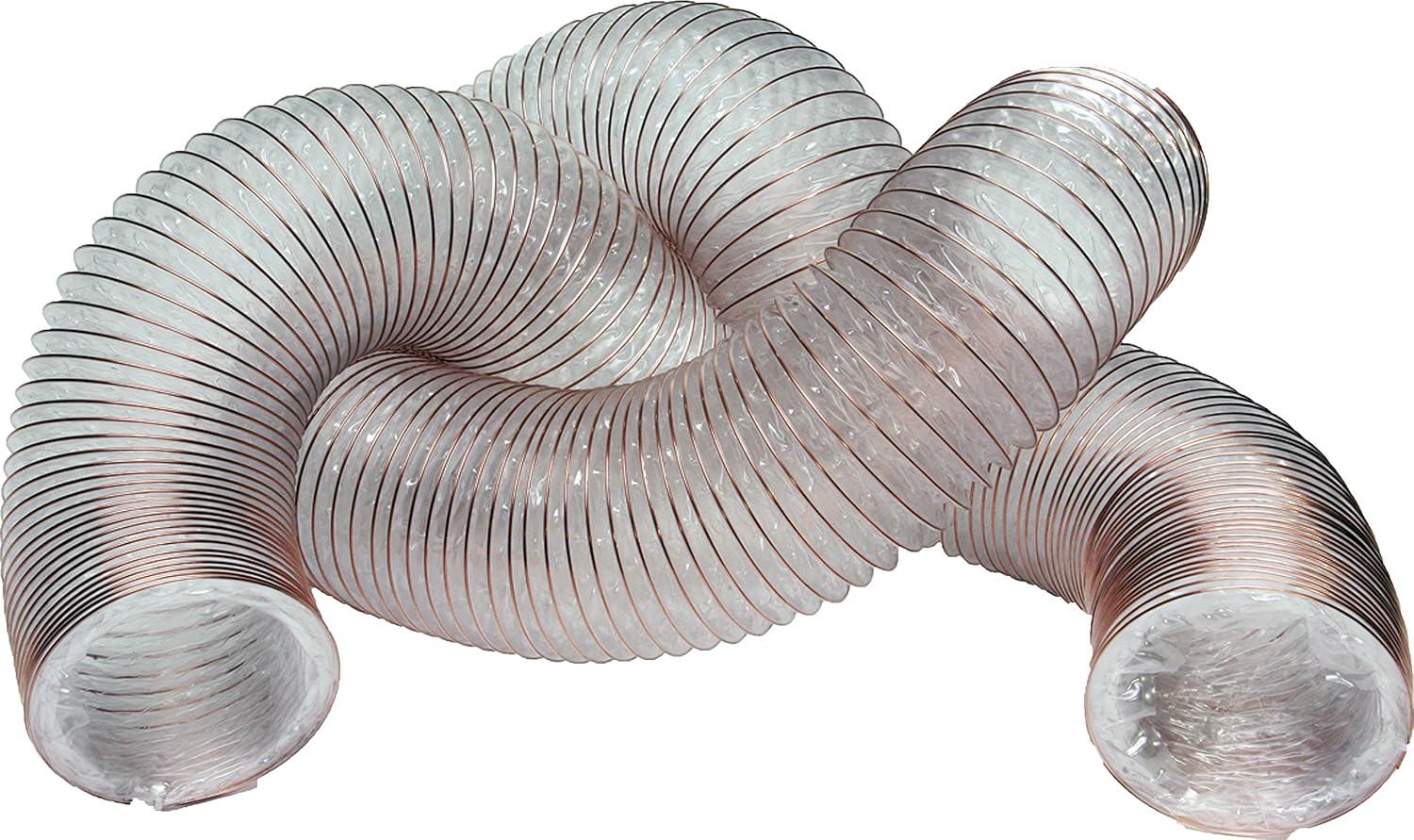
Domesticated from European polecats that hunt in rabbit warrens, ferrets crave serpentine enclosed conduits for joyful play sprints and war-dancing.
As an Amazon Associate, WhatPetSuitsYou earns from qualifying purchases. Product prices and availability are accurate at Amazon and subject to change.
Expect joyful chaos: ferrets dook (chuckle), war-dance (hopping sideways), stash your possessions, wrestle each other, then collapse into dead-weight sleep anywhere. They are quiet, litter-trainable, and sleep through workdays, but their musky odour is permanent (descenting is banned in the UK and does not remove it anyway) and their hunting instincts endanger small pets. Handling is robust and playful, with nips during training that need consistent redirection.
They bond deeply with owners and cage-mates yet remain escape artists for life. Company matters: single ferrets need extra human play to replace a cage-mate.
Feed as an obligate carnivore: a high-protein (30 to 40 percent), high-fat (18 to 22 percent) ferret kibble available for grazing, since ferrets eat many small meals across the day. Supplement with fresh raw or cooked meat, egg, and salmon oil on vet advice, but never dog food, sugary treats, fruit, or dairy: sugar risks insulinoma and dairy causes diarrhoea. Provide constant fresh water in a bowl plus a bottle.
Transition foods over 2 weeks because ferrets imprint on familiar tastes and may starve rather than switch. Growing kits and nursing jills need kitten-grade protein density. Keep treats meat-based and pea-sized, and lock bins, since foraging ferrets eat anything remotely chewable.
House in a large multi-level cage (at least 100 by 60 cm footprint with 2 to 3 levels, 2.5 cm or smaller bar spacing) with solid floors, hammocks, tunnels, and a litter tray with paper pellets in one corner. But the cage is only a bedroom: ferrets need 3 to 4 hours of supervised free-roam daily in a ferret-proofed room with blocked gaps, covered cables, latched cupboards, recliners removed (crush risk), and toxic plants gone. Provide dig boxes and tunnels for weasel energy.
Keep at 15 to 24C with shade and ventilation: ferrets die of heatstroke above 30C. Never house with rabbits, rodents, or birds: they are predator and prey.
Spend 90 minutes daily: refresh kibble and water morning and evening, scoop litter trays (ferrets back into corners reliably but miss when excited), and supervise 3 to 4 hours of free-roam play with tunnels, chase games, and digging. Check ears, nails, and teeth weekly, trim nails fortnightly, and brush seasonally during coat change. Bathe rarely (2 to 3 times yearly at most, since over-bathing worsens musky odour) and clean bedding weekly.
Ferrets sleep 14 to 18 hours, mostly by day, then erupt at dawn and dusk: schedule play then. Ferret-proof every session, since a new gap becomes an escape within minutes.
Ferrets live 6 to 10 years with heavyweight vet needs. Adrenal disease (hair loss from tail upward, itchy skin, swollen vulva or prostate trouble) and insulinoma (pancreatic tumours causing staring episodes, drooling, hind-leg weakness, collapse) commonly strike from age 3 to 4: annual vet checks with blood glucose screening catch both early. Annual canine-distemper vaccination is essential where vets advise, since distemper is almost always fatal.
Ear mites, dental disease, and heatstroke round out the list. Find a ferret-savvy vet before buying and insure comprehensively: adrenal surgery and insulinoma management cost thousands over a lifetime.
Purchase costs 100 to 400 per ferret (pairs recommended), with neutering and microchipping extra if not done. A big multi-level cage runs 150 to 300, plus proofing, harnesses, and toys around 100 one-off. Monthly, budget 25 to 45 for quality ferret kibble and meat extras, plus litter and bedding. Annual checks and vaccines cost 80 to 150.
Insurance at 15 to 30 monthly is strongly advised: adrenal surgery, insulinoma drugs, and emergency gut-blockage surgery (from swallowed rubber) each run 500 to 2,000. Average 60 to 110 per month in healthy years, far more from middle age. Check legality first: ferrets are banned in California, Hawaii, and some other regions.
A specialist pet for playful, home-based adults and teens, not a casual cage pet. You succeed with ferret-proofed rooms, 90-plus minutes daily, tolerance for musky odour and mischief (stashed keys, dug plants), and funds for serious vet bills. Households with rabbits, rodents, birds, or toddlers should not mix species.
Check local legality before falling in love, since bans apply in several US states and some countries. Adopt from ferret rescues in bonded pairs where possible. If you want a clown that war-dances sideways with joy then sleeps 16 hours, nothing else compares.
Check before buying: ferrets are illegal in California and Hawaii, restricted in New York City and Washington DC, and need licences in parts of Australia and elsewhere. Rules change, so confirm with your local authority and landlord as well as national law.
Yes, ferrets have a permanent natural musky odour from skin glands, plus stronger litter smell if unneutered. Weekly bedding washes and litter scooping control it, but frequent bathing makes it worse.
Descenting surgery is banned in the UK and does not remove the musk.
Never. Ferrets are predators and will kill rabbits, rodents, and birds even in play.
House and exercise ferrets entirely separately from all prey species, with locked doors between them during free-roam time.
At least 3 to 4 hours of supervised out-of-cage time daily in a ferret-proofed room, plus cage enrichment. Caged-only ferrets become obese, depressed, and destructive.
They sleep 14 to 18 hours, so schedule active play at dawn and evening.
Take our free 15-question what pet should I get quiz to get a personalized compatibility score and see how they match your living environment.
Take the Free Pet Quiz