Loading…
Loading…

Seal Point Siamese · Blue Point Siamese
Chatty, athletic extrovert that demands to be your shadow
Beautiful, vocal, and intensely social — Siamese cats hold loud conversations and insist on participating in everything. Best for owners who are home a lot and enjoy an interactive pet.
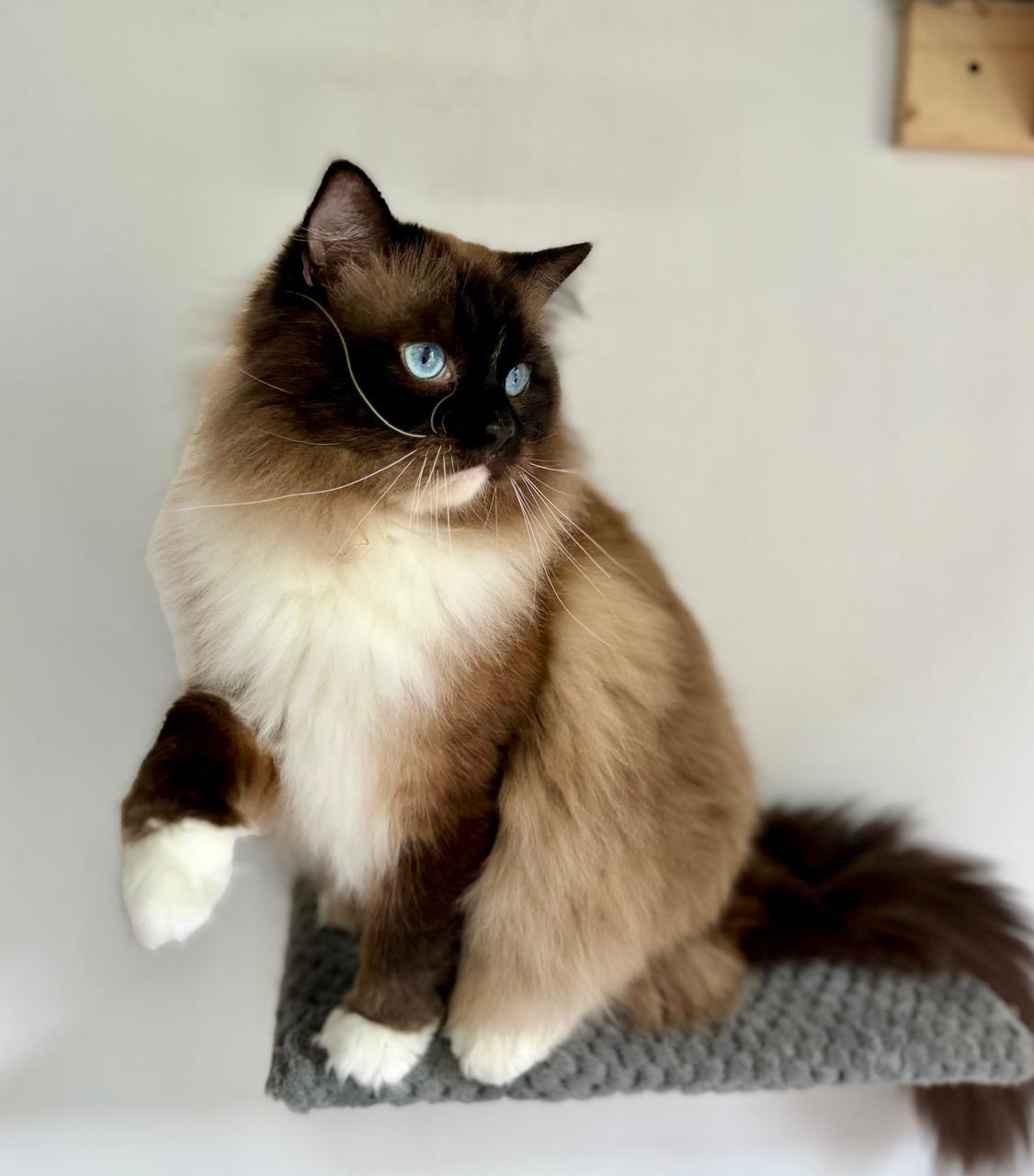
Photo: Wikimedia Commons / Felinlove / CC BY-SA 4.0
Care guide last reviewed: · Care requirements referenced from veterinary and humane standards.
Any indoor home; ideally with a feline companion.
Vocal (4/5)
Misses company — best with someone home often
Thrives with daily company
Three curated supplies researched for this companion's specific anatomy and daily welfare
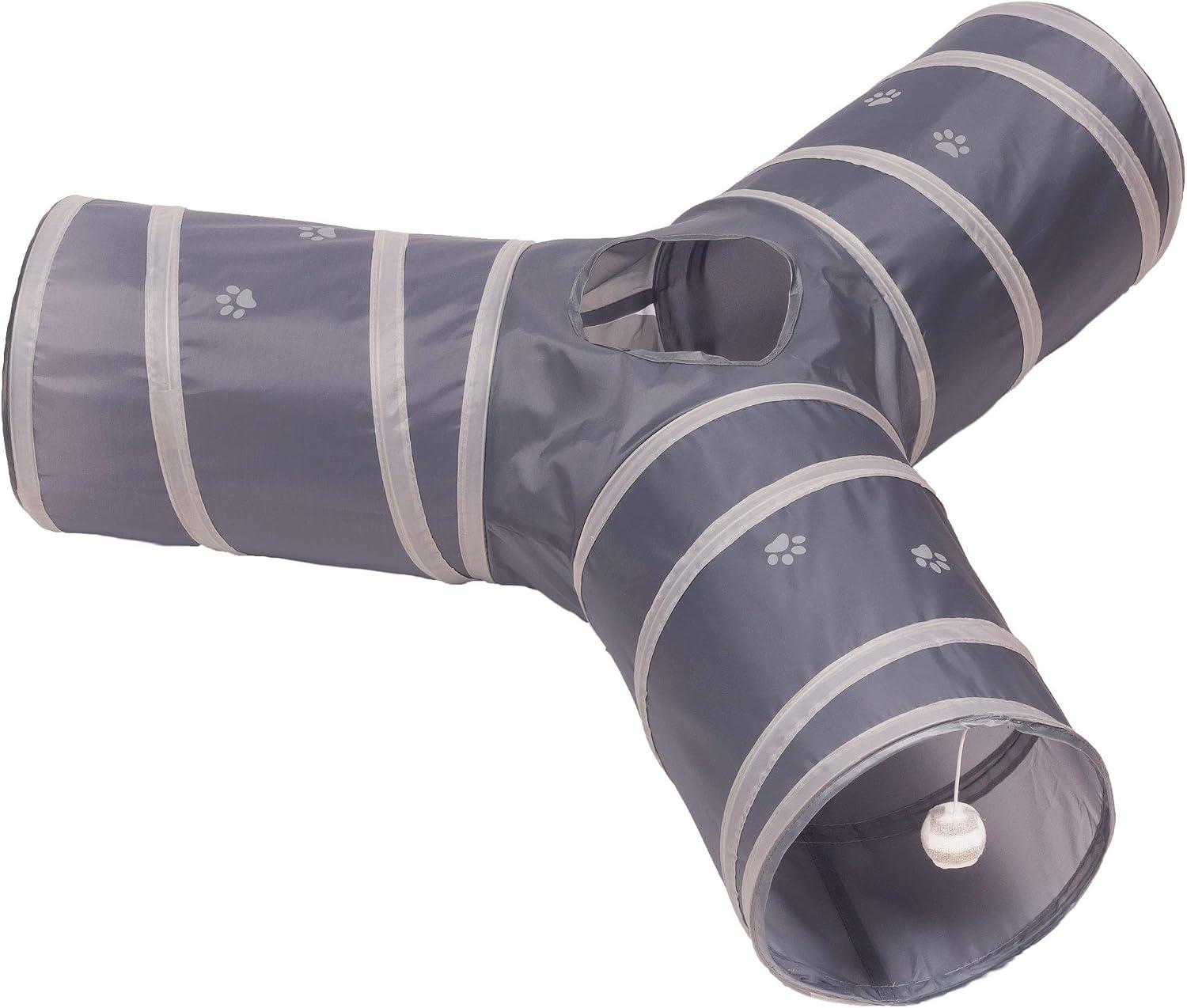
Vocal, intensely inquisitive Siamese cats get bored easily in quiet apartments; crinkly multi-way tunnel chutes allow endless stealth sprints and hide-and-seek.
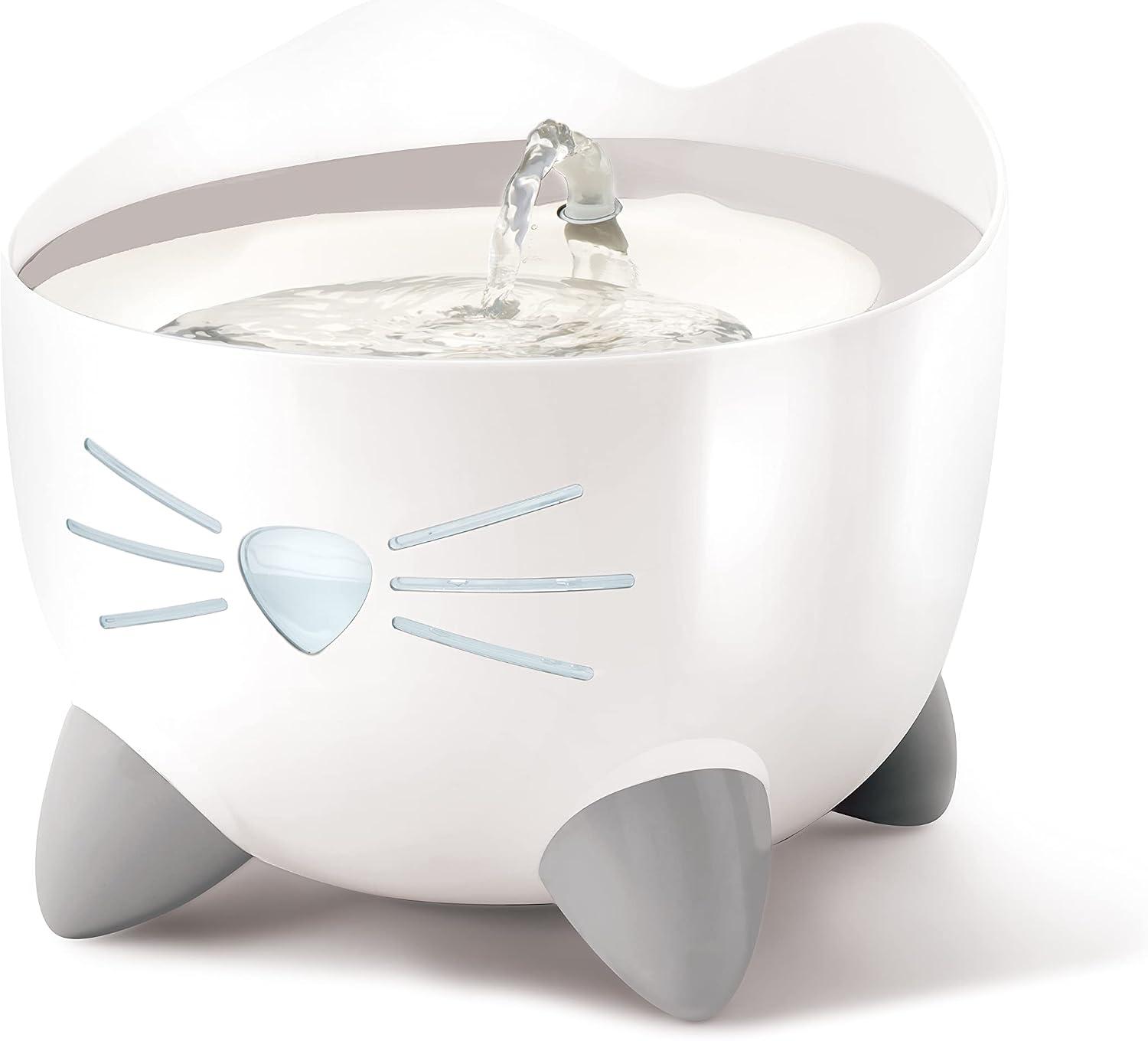
Siamese cats are prone to renal issues and frequently refuse stagnant water; continuous triple-filtration streams entice regular hydration to protect kidney function.
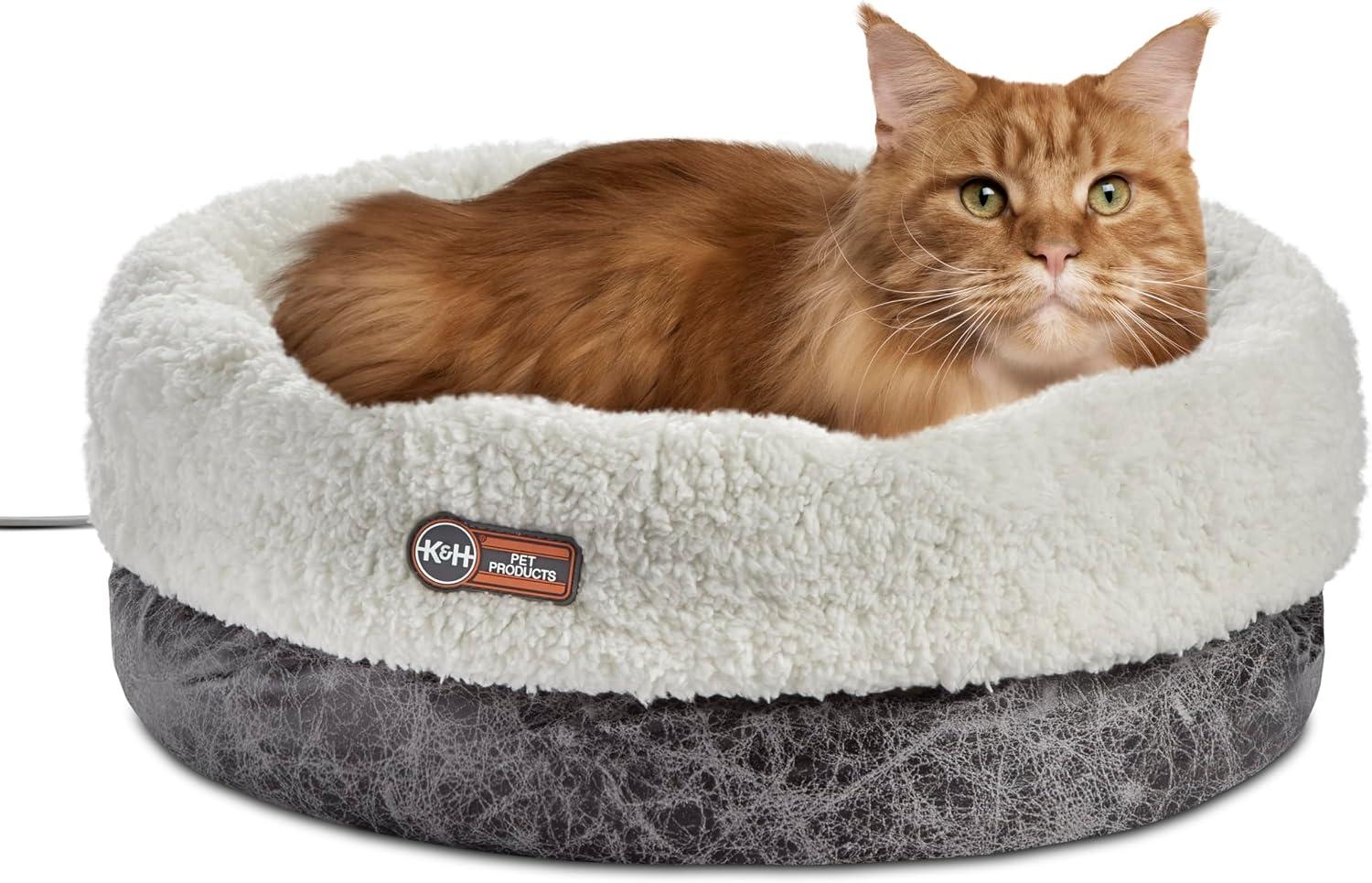
Having very fine short coats with little insulating body fat, heat-seeking Siamese love burrowing against soothing 102°F thermostatically controlled warmth.
As an Amazon Associate, WhatPetSuitsYou earns from qualifying purchases. Product prices and availability are accurate at Amazon and subject to change.
Expect an extroverted shadow: Siamese follow you room to room, sleep under the duvet, greet you at the door, and hold loud, opinionated conversations in a famously raspy voice. They are athletic, clever, and playful into old age, learning fetch and tricks readily. The short coat sheds little and needs minimal grooming.
They adore children and other pets when socialised but demand attention jealously and can pester or yowl if ignored. Noise is the defining trade-off: this is the most talkative breed, unsuitable for thin walls or quiet homes. Company is a need, not a luxury.
Feed a high-protein diet matched to a slim, athletic build: adults of 2.5 to 5.5 kg need roughly 200 to 300 kcal daily in two measured meals, with wet food prioritised for hydration and urinary health. Siamese burn energy through constant play and stay lean easily, but do not free-feed: measure portions, cap treats at 10 percent of calories, and weigh monthly. Choose AAFCO-complete food with named meat first and support dental health with dental kibble or brushing, since the breed is dental-prone.
Kittens eat 3 to 4 meals daily until 12 months. Seniors over 12 need easily digestible, kidney-aware recipes and twice-yearly bloodwork, as kidney disease and hyperthyroidism rise with the breed's long lifespan.
Any indoor home works if it includes company: ideally a second cat, since Siamese hate solitude. Provide one litter box per cat plus one spare in quiet spots, scooped daily, plus tall scratching posts, wall shelves, and a window perch for an athletic climber. Puzzle feeders, rotating toys, and a cat wheel suit a restless, clever mind.
Secure windows and balconies, remove lilies and toxic plants, and add a warm sleeping spot: short-coated Siamese feel the cold. Harness training gives safe outdoor stimulation. Keep the layout stable, since Siamese are routine-bound and protest loudy at change, and place resources away from noisy appliances.
Scoop litter daily and wash boxes weekly, serve two measured meals with fresh water, and commit to at least 30 to 60 minutes of interactive play: wand toys, fetch, and trick training, split across morning and evening. Brush the short coat weekly (5 minutes), check ears, eyes, and teeth during cuddles, trim claws fortnightly, and brush teeth several times weekly to fight dental disease.
Total hands-on care is about 60 minutes daily, but the real demand is presence: Siamese want hours of company, conversation, and lap time. Lone 10-hour workdays without a companion cat reliably produce yowling, destructiveness, or over-grooming.
Siamese live 15 to 20 years, among the longest of any breed, with breed-specific watch points. Dental disease is very common, so schedule annual dental checks and brush teeth. Amyloidosis (abnormal protein deposits) can damage liver and kidneys: report increased thirst, weight loss, or lethargy early. Feline asthma causes coughing or wheezing and needs vet diagnosis, sometimes lifelong inhalers.
Hereditary retinal degeneration and higher rates of intestinal lymphoma also occur. Keep FVRCP and rabies vaccines current, maintain parasite prevention, and run annual senior bloodwork from age 10. Insurance pays off across a two-decade life full of dental procedures.
Kittens from reputable breeders cost 800 to 2,000. Monthly, budget 30 to 50 for food, 10 to 20 for litter, and 20 to 35 for insurance across a long life. Annual vet checks cost 100 to 200, dental cleanings 300 to 600 (likely needed more than once), and senior bloodwork 100 to 200 yearly.
Expect to spend more on enrichment: puzzle toys, a second cat's upkeep if you add a companion, and sturdy scratchers for an athletic breed, roughly 100 to 200 one-off. Average 80 to 130 per month, sustained for up to 20 years, so lifetime cost is high despite modest monthly bills.
Choose a Siamese only if you want an intense, chatty, dog-like relationship and are home most of the day. You will succeed if you provide a companion cat (or constant human company), an hour of play, and tolerance for loud commentary. First-time owners who are out all day, need quiet, or want an independent cat will struggle: loneliness makes Siamese destructive and depressed.
Adopting a bonded pair solves the solitude problem elegantly. If you love conversation, fetch, shoulder-perching, and a shadow for 20 years, no breed satisfies like the Siamese.
Siamese are the most vocal breed: loud meowing usually means boredom, loneliness, hunger, or a protest at changed routines. Answer with play, company, and consistent schedules rather than punishment.
Persistent new yowling, especially at night in seniors, deserves a vet check.
Strongly recommended. Siamese are intensely social and suffer alone during long workdays, often becoming destructive or depressed.
A second sociable cat, or a human home most of the day, is close to essential for this breed.
Typically 15 to 20 years, among the longest-lived breeds, with many reaching their late teens in good health. Dental care, lean weight, indoor life, and annual senior bloodwork from age 10 help them reach the upper end.
Only for first-timers who are home a lot and want intense interaction. Their demands for company, play, and noise tolerance surprise many novices.
If you work long hours or want a quiet, independent cat, choose a British Shorthair or domestic shorthair instead.
Take our free 15-question what pet should I get quiz to get a personalized compatibility score and see how they match your living environment.
Take the Free Pet Quiz