Loading…
Loading…
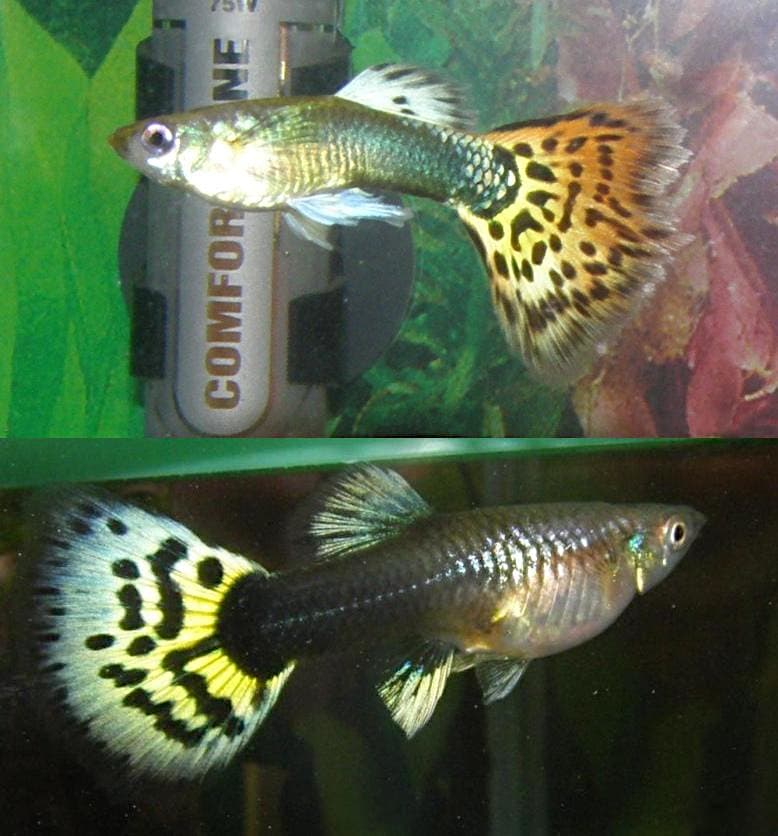
Fancy Guppy · Endler Guppy
Beginner community fish — colourful, hardy, always active
The easiest community fish: hardy, cheap, and constantly on the move in a planted 10-gallon tank. Males-only groups avoid population explosions; a weekly water change keeps them thriving.
Photo: Wikimedia Commons / JacKit / CC BY-SA 3.0
Care guide last reviewed: · Care requirements referenced from veterinary and humane standards.
10-gallon filtered, heated community tank.
Virtually silent (1/5)
Highly independent — comfortable alone 8+ hours
Thrives with daily company
Three curated supplies researched for this companion's specific anatomy and daily welfare
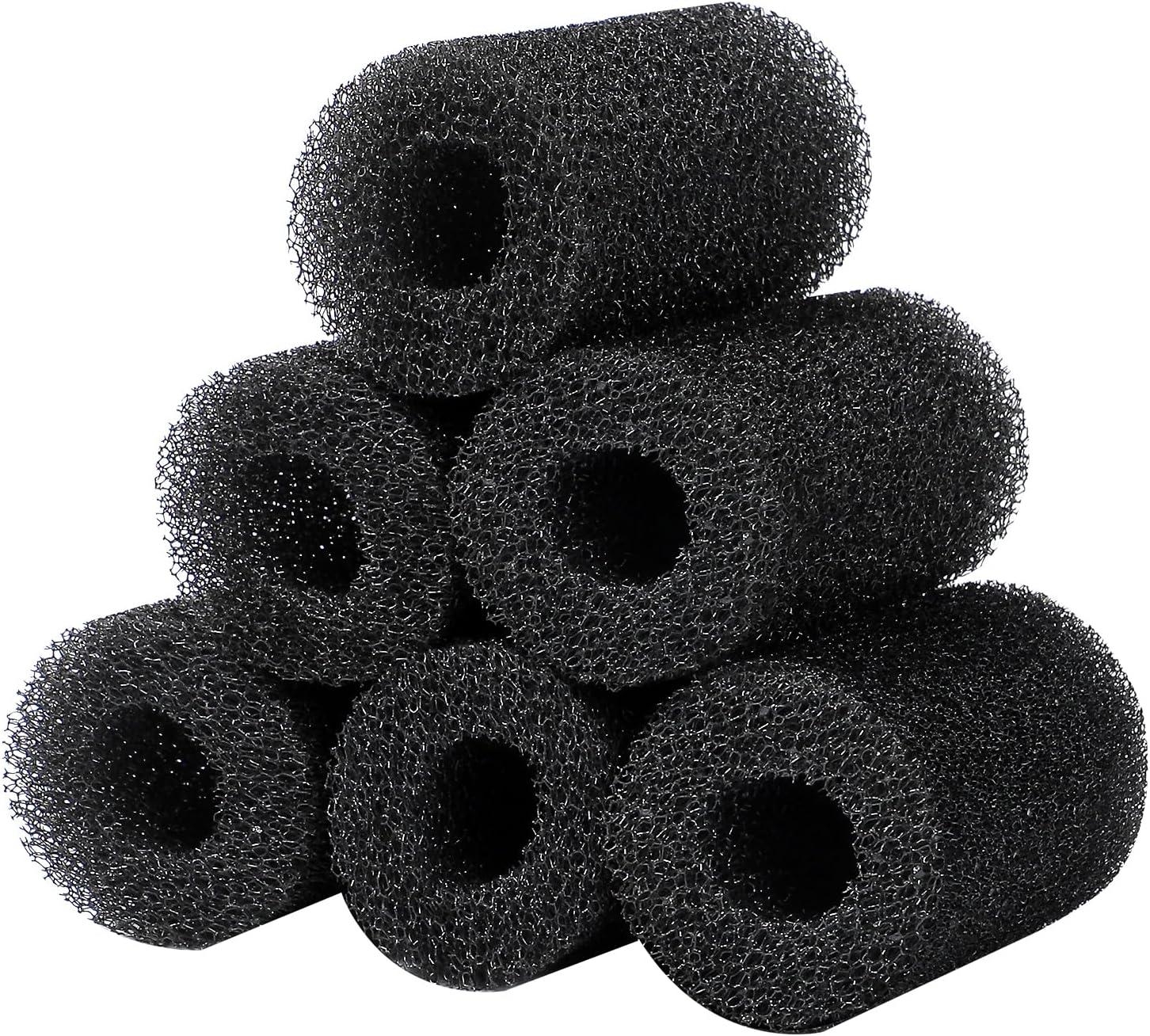
Livebearing guppy fry and delicate adult fins get pulled into motor filter impellers; high-density foam sleeves safely cover suction grates.
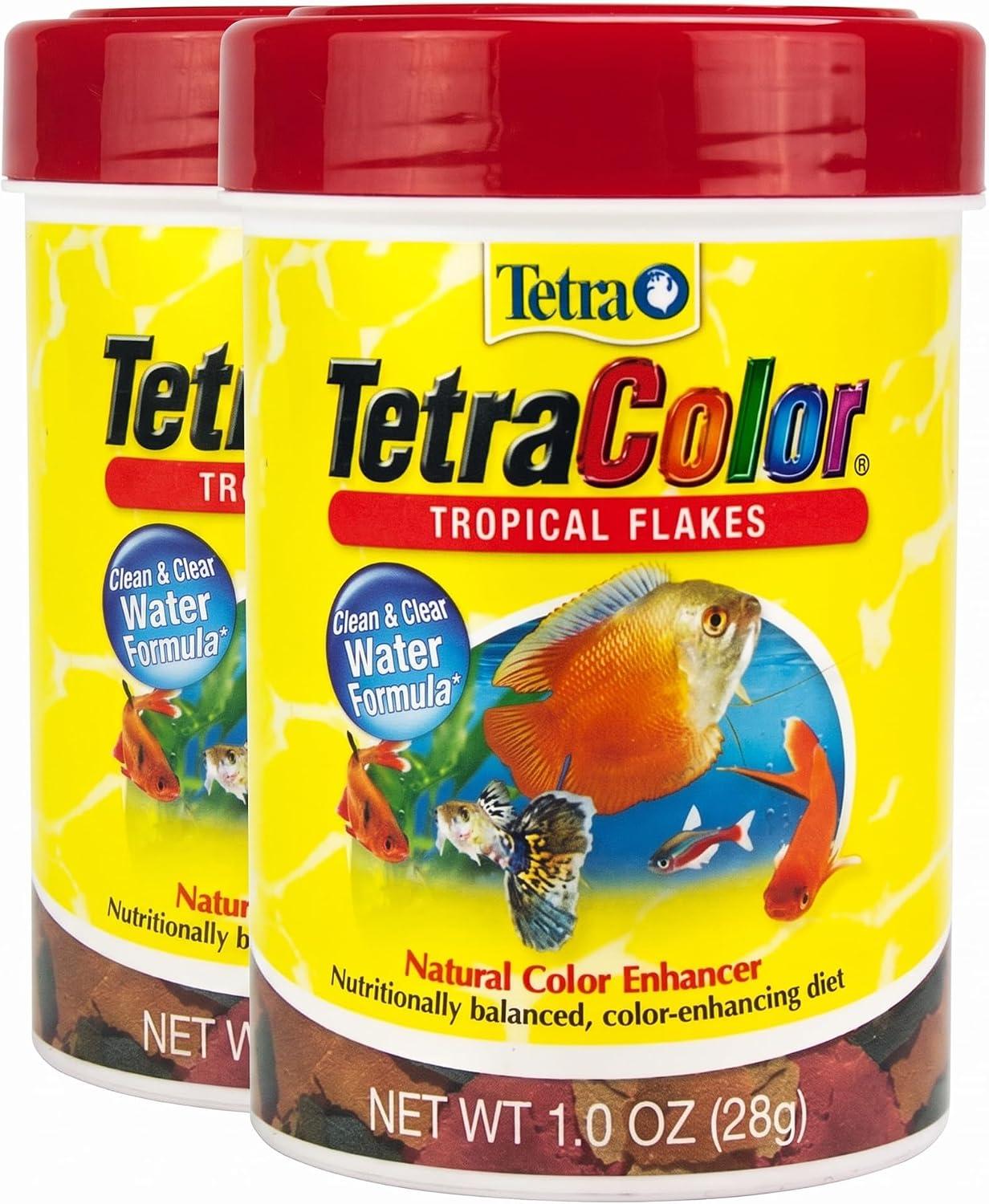
Guppy coloration depends on dietary carotenoids and astaxanthin; vitamin-rich micro flakes enhance rainbow tail iridescence and strengthen fry vigor.
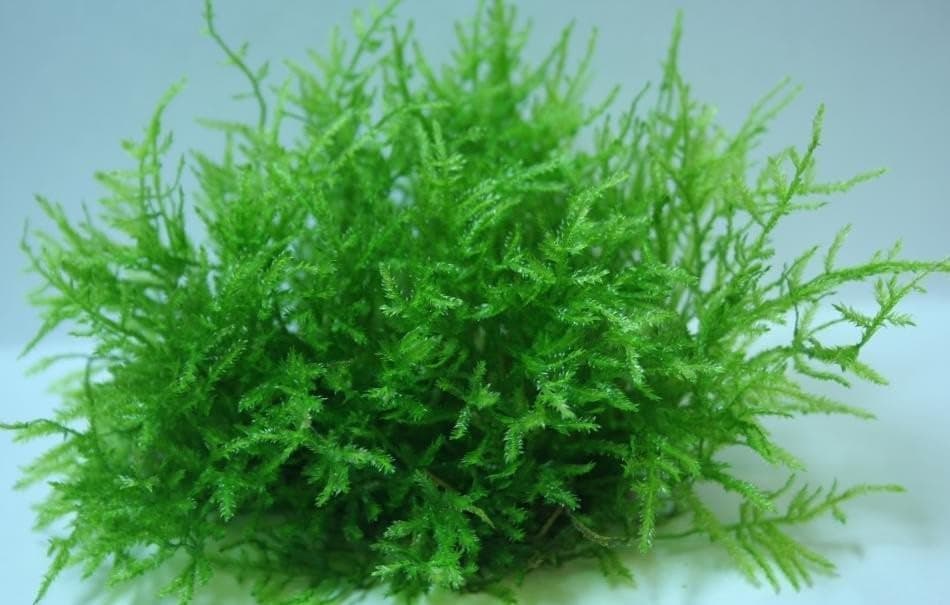
Adult guppies eat their own newborn fry; dense mats of living java moss create micro-passages where fry hide safely and graze on beneficial infusoria.
As an Amazon Associate, WhatPetSuitsYou earns from qualifying purchases. Product prices and availability are accurate at Amazon and subject to change.
A guppy trio as pets is pure motion: glittering males displaying flowing tails, sparring gently, and grazing all day in a planted 10-gallon tank. They are peaceful community fish that mix well with shrimp, snails, and other calm species, and they genuinely watch their owners at feeding time.
The defining fact is reproduction: females store sperm and drop 20 to 60 live fry every month, so mixed groups become colonies fast. Keep males only unless fry are wanted, accept the short 2 to 3 year lifespan, and enjoy the cheapest active display in the hobby.
Feed a quality tropical flake or micro pellet as the staple, small pinches once or twice daily, only what the group clears in thirty seconds to two minutes. Add variety with thawed frozen daphnia, baby brine shrimp, and blanched zucchini or deshelled peas, plus spirulina-based food for color and digestion. Guppies beg constantly, so resist extra meals and fast the tank one day weekly.
Overfeeding fouls small tanks fast and shortens lives. Crush food finely for fry, feeding powdered fry food twice daily in tiny amounts. Replace opened dry food every six months and always thaw frozen food before offering.
Keep a trio or small group in a 10-gallon filtered heated tank at minimum, 20 gallons being far more stable and better for breeding plans. Hold water at 72 to 82 degrees with minimal daily fluctuation, pH 7.0 to 8.0 in moderately hard alkaline water, and always dechlorinated.
Fit a gentle sponge filter or hang-on-back with a pre-filter sponge, since fry and fancy tails suffer in strong currents and unguarded intakes. Plant densely with java moss and floating cover for fry hiding, leave open swimming space, add a secure lid since guppies jump, and cycle the tank fully before stocking.
Daily care is five to ten minutes: feed a small measured meal, check temperature, confirm the filter flows gently, and watch for chasing, clamped fins, or hiding. Weekly, test ammonia, nitrite, nitrate, and pH, vacuum the substrate lightly, and change 20 to 25 percent of the water with matched dechlorinated water.
Trim plants as needed and rinse filter sponges in old tank water monthly. In mixed-sex tanks, check for newborn fry hiding in moss and decide whether to separate, rehome, or let the colony self-limit through natural predation.
Guppies are hardy but mass-farmed stock arrives delicate, so quarantine newcomers for two weeks. Common troubles include ich white spots after temperature swings, fin rot in dirty water, and wasting from internal parasites in new imports. Females exhausted by relentless male chasing suffer stress and disease, which is why ratios and cover matter.
Most outbreaks resolve with stable heat, clean water, and appropriate medication, though few vets treat fish. Healthy guppies live 2 to 3 years; short lives usually trace to uncycled tanks, soft acidic water, or chronic overfeeding rather than bad luck.
Fancy guppies cost 3 to 6 dollars each, so a starter trio runs under 20 dollars. A 10-gallon setup with heater, gentle filter, light, lid, substrate, plants, test kit, and conditioner totals 80 to 150 dollars. Monthly running is minimal: flake, frozen food, and conditioner 5 to 10 dollars.
There is no vet bill for most keepers. Expect 5 to 10 dollars a month, the Minimal tier. The hidden cost is population: mixed-sex groups multiply, so budget for a bigger tank or rehoming if you keep both sexes.
Guppies are the easiest community fish for beginners, kids with adult help, and small apartments, provided the tank is cycled first. They forgive minor mistakes, eat readily, and animate a planted tank all day. Keep a males-only trio if you want color without the population explosion, or a one-male-to-two-female group if you welcome fry and own a 20-gallon tank.
They fail for instant-setup impulse tanks and very soft acidic tap water. Cycle patiently, plant densely, feed lightly, and they thrive.
Males are smaller, far more colorful, and cannot breed alone, so an all-male trio suits most beginners. Mixed groups need two to three females per male plus dense plants and a fry plan, since females produce dozens of babies monthly.
A female bought from a mixed tank is almost certainly already pregnant.
Six to eight males comfortably in a planted filtered 10-gallon tank. Allow roughly one guppy per four to five liters and leave room for growth, since mixed-sex groups add fry fast.
For breeding colonies or communities with tankmates, start at 20 gallons instead.
Usually an uncycled tank with ammonia or nitrite, very soft acidic water, or temperature swings. Guppies want hard alkaline water at 72 to 82 degrees in a tank cycled for weeks before stocking.
Test the water, stabilize it, quarantine newcomers, and feed lightly before assuming disease.
Peaceful community fish of similar size: neon tetras, harlequin rasboras, corydoras, platies, mollies, and snails or shrimp. Avoid fin-nippers like tiger barbs and anything big enough to swallow them, such as angelfish.
Keep any community in at least 20 gallons.
Take our free 15-question what pet should I get quiz to get a personalized compatibility score and see how they match your living environment.
Take the Free Pet Quiz