Loading…
Loading…
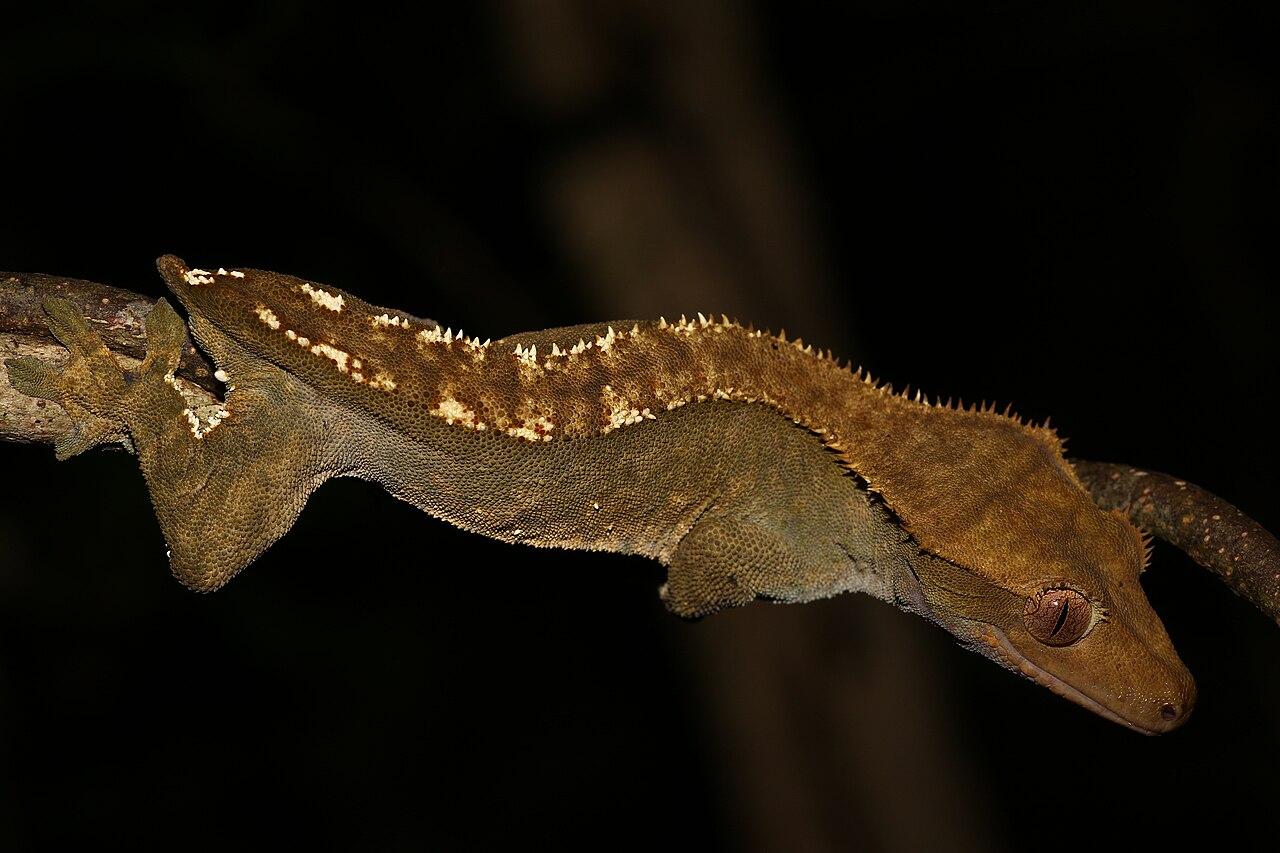
Harlequin Crested Gecko · Dalmatian Crested Gecko
Room-temperature reptile — no live bugs, no heat lamp drama
The easiest starter reptile: lives at room temperature, eats fruit powder mixed with water, and makes no smell or noise. Handle gently in the evening when it wakes up.
Photo: Wikimedia Commons / Lennart Hudel / CC BY 4.0
Care guide last reviewed: · Care requirements referenced from veterinary and humane standards.
Vertical glass terrarium (18x18x24 in) with branches.
Virtually silent (1/5)
Highly independent — comfortable alone 8+ hours
Prefers to live alone
Three curated supplies researched for this companion's specific anatomy and daily welfare

Crested geckos spend their lives in New Caledonian tree canopies; tall vertical enclosures accommodate vertical jumps and foliage climbs safely.
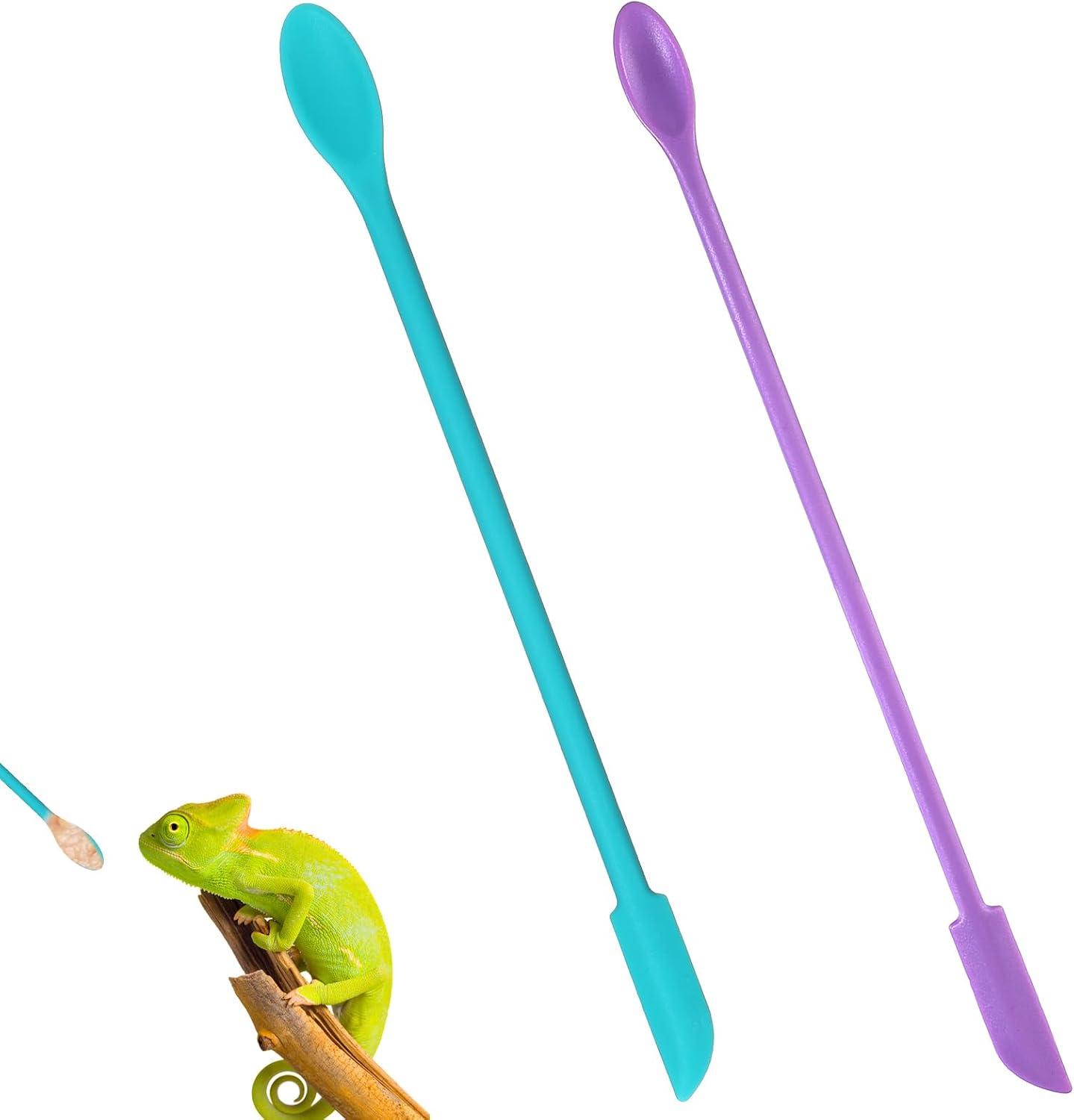
Crested geckos thrive on fruit nectar and insects; this balanced powder mix provides calcium and Vitamin D3 without requiring live insect handling.

Crested geckos rarely drink from standing bowls, instead lapping water droplets off leaves while requiring 70-80% evening humidity spikes for clean shedding.
As an Amazon Associate, WhatPetSuitsYou earns from qualifying purchases. Product prices and availability are accurate at Amazon and subject to change.
As a pet, a crested gecko is a silent, odour-free, nocturnal roommate that watches you with big lashed eyes from behind leaves. It lives alone, communicates with occasional chirps and squeaks, and tolerates gentle evening handling once settled, though it will always be a look-mostly animal rather than a cuddler. There is no fur, no noise to bother neighbours, and no smell beyond faint earthiness from the substrate.
The delight is in the details: colour changes as it fires up darker at night, acrobatic ceiling walks on sticky toe pads, and enthusiastic tongue-flicking at food cups. Expect a calm, low-mess companion that asks only for cool air, nightly rain, and to be admired after dark.
Crested geckos thrive on complete powdered crested gecko diet mixed with water to a smoothie consistency, offered fresh every other day for adults and daily for juveniles. This powder is nutritionally complete, so fruit baby food or puree must never replace it: fruit-only feeding causes calcium deficiency and metabolic bone disease. Supplement with gut-loaded, calcium-dusted crickets or dubia nymphs no wider than the space between the gecko's eyes, once or twice a week for enrichment and protein.
Remove uneaten mix within 24 hours before it sours, and offer food in the evening on a raised ledge, since cresties feed at night. Keep a shallow water dish available but expect most drinking as licks from misted leaves and glass. Dust insects with calcium plus D3 if no UVB is provided.
House one adult in a vertical glass terrarium at least 18 by 18 by 24 inches, taller rather than longer since cresties are arboreal climbers. Furnish with horizontal and diagonal cork branches, vines, dense foliage for cover, a feeding ledge, and a shallow water dish. Keep daytime temperatures at 22 to 26C with a cool end near 21C, dropping to 18 to 22C at night.
Heat sensitivity is the critical fact: sustained temperatures above 28C cause dangerous heat stress, so most homes need no heater at all, and tanks must stay out of direct sun. Provide low-output UVB (shade-dweller tube) on a 12-hour cycle for calcium metabolism. Mist every evening to spike humidity to 80 percent, letting it dry to 40 to 50 percent by day, and use moisture-retentive substrate with springtails for a bioactive cleanup crew.
Daily care takes 10 to 15 minutes, mostly in the evening when the gecko wakes. Mist the enclosure thoroughly at night so walls and leaves glisten, check the digital thermometer and hygrometer, and replace the food cup with fresh mixed powder two to three times a week. Spot-clean droppings from glass and leaves, refresh the water dish, and remove shed skin or uneaten insects. Handle briefly in the evening once or twice a week, letting the gecko walk hand to hand over a soft surface, and never grab the tail: dropped crestie tails never regrow.
Weekly, scrub food ledges and check plant cover density. Monthly, do a deeper substrate refresh and inspect toes for stuck shed. Juveniles need food offered daily and slightly more frequent misting than settled adults.
Crested geckos are hardy when cool and humid on a correct cycle. The big killers are overheating above 28C, chronic saturation that breeds skin and respiratory infections, and calcium deficiency from fruit-only diets. Watch for stuck shed on toes and tail tip, sunken eyes or wrinkled skin signalling dehydration, soft jaws or kinked tails hinting at metabolic bone disease, lethargy, and weight loss measured on gram scales.
Prevent trouble by verifying temperatures with a digital probe rather than guessing, letting the tank dry between mistings, feeding only complete diets, and quarantining new geckos. Exotic vet visits run 50 to 90; respiratory or metabolic treatment costs more. Seek help quickly for a gecko that stops eating for over 3 weeks, cannot shed its toes, or floppy jaw.
Setup costs about 150 to 300: an 18 by 18 by 24 inch terrarium, branches and plants, feeding ledge, mister bottle, thermometers, hygrometer, substrate, and an optional low-output UVB kit. Running costs are tiny: a tub of complete powder diet lasts months at 15 to 25, occasional feeder insects cost a few pounds a week, and with no basking lamp electricity is negligible. Budget 10 to 20 a month including UVB tube replacement yearly and substrate refreshes.
No live-insect colony is required, unlike desert geckos. Vet costs are the wildcard: budget 50 to 90 per consultation plus a small emergency fund. Across a 15 to 20 year lifespan this is one of the cheapest reptiles to own, with housing bought once and food costing less than most takeaway coffees.
Crested geckos are the easiest starter reptile, ideal for bug-squeamish owners, apartments, and allergy homes. You will succeed if you can mist nightly, mix powder with water a few times a week, and keep the room between 18 and 26C without cooking the tank near radiators or sunny windows. You will struggle if you want a daytime playmate, since cresties sleep stuck to glass all day and wake when you go to bed, or if gentle handling frustrates you: they jump without warning and drop non-regrowing tails if grabbed.
They are also a 15 to 20 year commitment in a small package. Families with young children should plan on adults doing the misting and feeding while kids observe.
A complete powdered crested gecko diet mixed with water, offered fresh every two to three days for adults and daily for juveniles. Add gut-loaded, calcium-dusted crickets or dubia roaches once or twice a week.
Never use fruit puree or baby food as the staple: it causes calcium deficiency.
Usually not. They thrive at 22 to 26C room temperature and are easily killed by sustained heat above 28C.
Keep the tank out of direct sun and away from radiators. Only add a thermostat-controlled low-wattage heater if the room sits below 18C for long stretches.
Mist thoroughly every evening so humidity spikes to around 80 percent, then let the enclosure dry to 40 to 50 percent during the day. The wet-dry cycle matters more than any single number: constant saturation causes infections, while a permanently dry tank causes stuck shed.
Take our free 15-question what pet should I get quiz to get a personalized compatibility score and see how they match your living environment.
Take the Free Pet Quiz