Loading…
Loading…
Working Line · Show Line
Loyal, brilliant guardian for experienced, active owners
Smart, courageous, and intensely loyal — but not a beginner dog. Needs serious training, 2+ hours of activity, and a job to do, or it invents its own (like guarding your sofa).
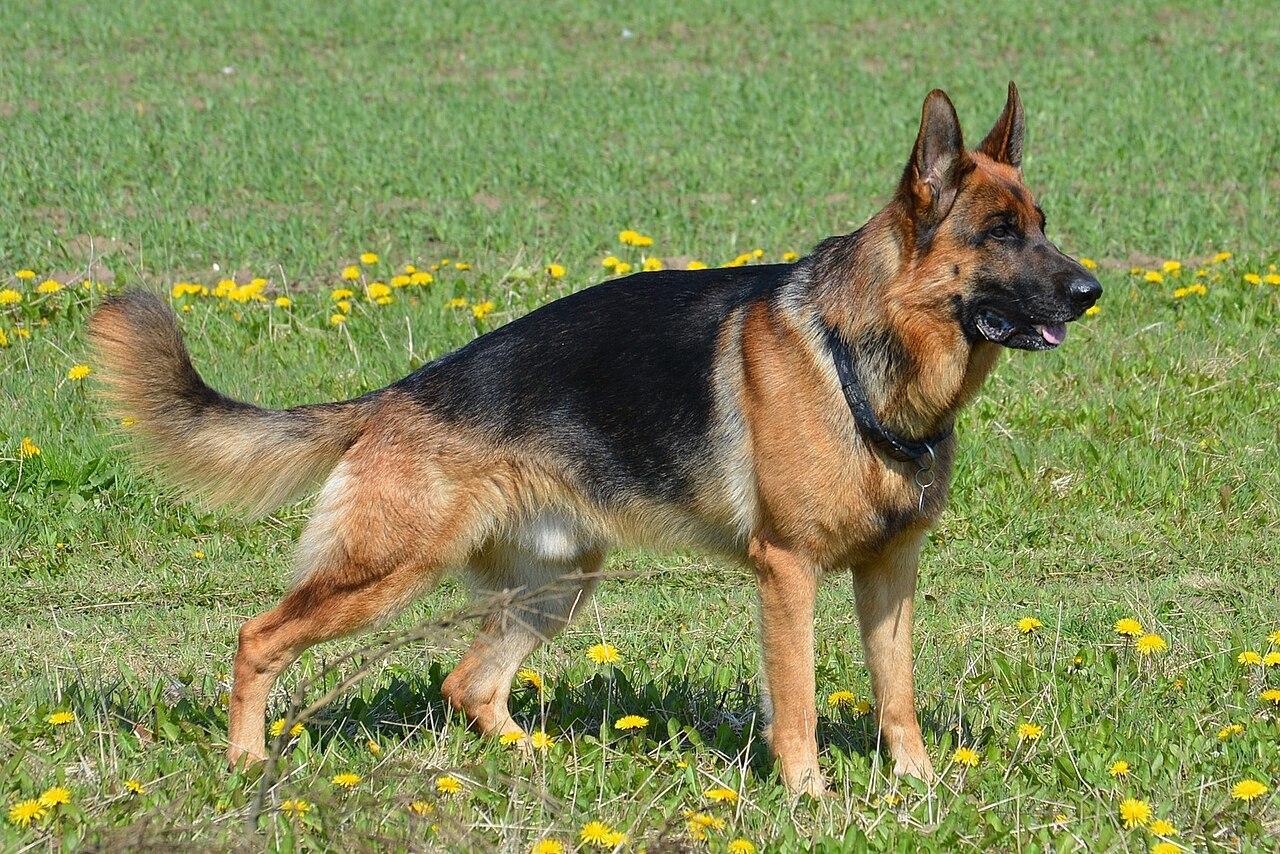
Photo: Wikimedia Commons / Hans Kemperman / CC0
Care guide last reviewed: · Care requirements referenced from veterinary and humane standards.
House with large garden; needs room to patrol and play.
Vocal (4/5)
Cannot be left alone long — needs company most of the day
Thrives with daily company
Three curated supplies researched for this companion's specific anatomy and daily welfare
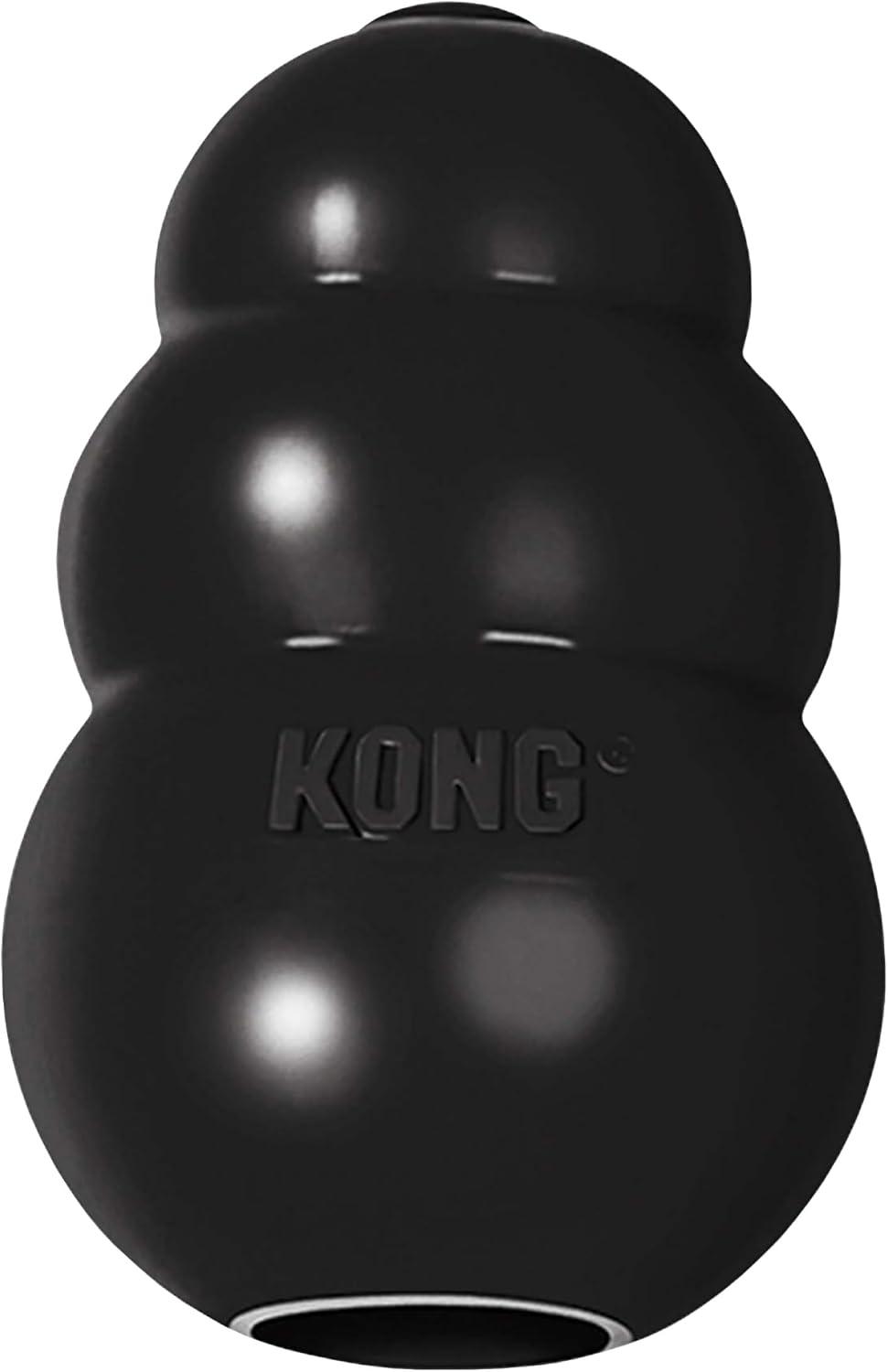
German Shepherds possess intense bite pressure and working drive; ultra-tough natural black rubber channels their high chew drive safely without splintering.
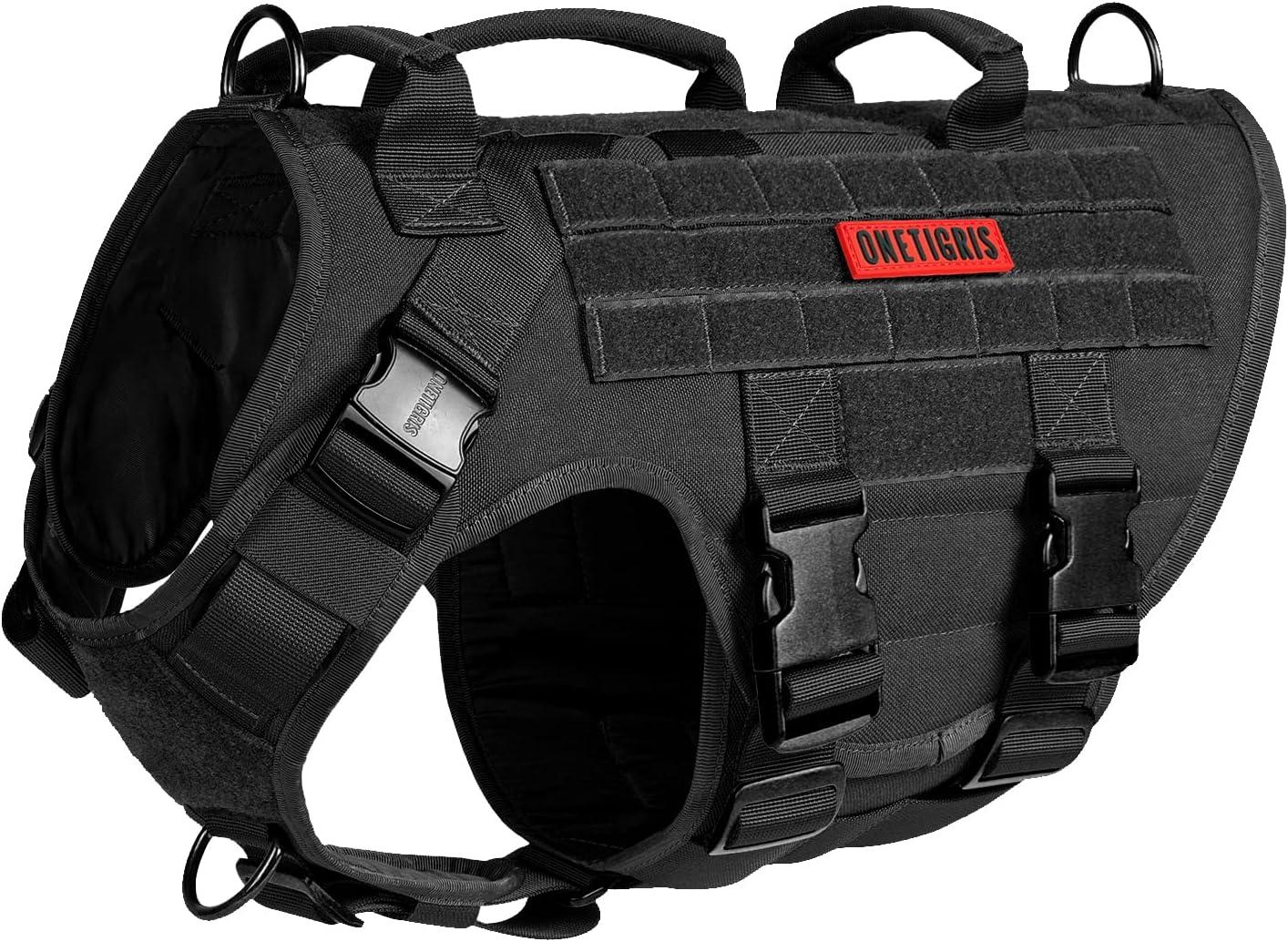
A sturdy tactical nylon harness with a reinforced top handle allows owners to safely guide and steady focused, high-drive German Shepherds in crowded environments.

German Shepherds are biologically susceptible to hip dysplasia and degenerative joint disease; early glucosamine and chondroitin support preserves mobility.
As an Amazon Associate, WhatPetSuitsYou earns from qualifying purchases. Product prices and availability are accurate at Amazon and subject to change.
As a pet, the Shepherd is a loyal shadow with a security-guard streak: it bonds hardest to one or two people, patrols windows and fences, announces every visitor with deep barking, and wants to be touching or watching you at all times. With kids it is protective and playful once raised together, but herding nips and size mean toddlers need supervision. Shedding is epic — tumbleweeds of undercoat twice a year and steady hair otherwise.
It tolerates solitude badly (expect howling and fence damage if left 8 or more hours) and distrusts strangers without early socialisation. Give it training, running, and a role in family life, and few dogs love harder or guard better.
Feed a complete large-breed food split into two or three meals a day — never one big meal — totalling roughly 1,600 to 2,200 calories for a typical 65 to 90 lb adult, tuned to a lean body condition with felt ribs and a visible waist. Use a large-breed puppy formula with controlled calcium until 12 to 18 months and grow puppies lean; rapid fat growth is a proven driver of hip and elbow dysplasia. Slow fast eaters with puzzle feeders, rest the dog an hour either side of meals, and feed from floor level — all reduce bloat (GDV) risk in this deep-chested breed.
Add vet-approved omega-3s for skin and joints in adults. Avoid chocolate, grapes, raisins, onions, garlic, xylitol, cooked bones, and high-fat table scraps.
A house with a large, securely fenced garden (6-foot fence, locked gates — Shepherds learn to open latches) is the realistic minimum, plus daily access to fields, trails, or a training club. Indoors, fit a large crate for calm rest, a tough orthopaedic bed, and non-slip runners for hip-dysplasia-prone joints. Build a training corner with long line, tug toys, treat pouch, and puzzle feeders, because this dog needs work, not just walks.
Puppy-proof to police-dog standards: chewed cables, drywall, and fence escapes are normal adolescent achievements. Provide shade and water outdoors at all times, and a cool indoor retreat — thick double coats overheat in summer.
Commit 2 to 3 hours daily: a 45 to 60 minute morning session (brisk walk, jog, or bike work for adults), a 30 to 45 minute evening walk, and 20 to 30 minutes of obedience, scent work, agility, or protection-sport foundations — mental work is as tiring as running for this breed. Brush the heavy double coat 3 to 4 times a week (daily in coat blows), check ears and brush teeth several times weekly, and trim nails monthly.
Puppies need short age-appropriate exercise, socialisation outings to 100 different sights and sounds before 16 weeks, and crate naps between sessions. Skimp on the routine and the Shepherd invents jobs: fence-patrolling, visitor-barking, and sofa-guarding.
Choose breeders with OFA or PennHIP hip and elbow scores, DM (SOD1) testing, and cardiac and eye clearances — OFA data shows hip dysplasia near 20 percent in the breed. Vet checks should be annual, twice-yearly from age 7, tracking weight, gait, and rear-leg strength: bunny-hopping or slow rising flags dysplasia, while painless rear wobbling after age 8 needs a degenerative myelopathy workup (no cure, but physiotherapy and carts extend quality life).
Learn bloat signs cold — pacing, drooling, unproductive retching, tight belly — and ask your vet about prophylactic gastropexy at spay or neuter. Budget for allergy and ear care, anal furunculosis in some lines, and dental work.
Budget $220 to $350 a month — the highest tier here: $80 to $120 for large-breed food, $30 to $50 for prevention and amortised vaccines, $30 to $60 for tough toys, chews, and training treats (prediction: you will replace equipment), and $40 to $80 for training club fees or classes, which are near-mandatory. Insurance at $50 to $90 a month is strongly advised; hip replacement runs $5,000 to $7,000 per side and emergency bloat surgery $3,000 to $7,000.
First year costs $2,500 to $4,000. Seniors commonly add arthritis drugs, hydrotherapy, and allergy management, pushing costs toward $400 a month.
German Shepherds are not beginner dogs, and the profile's maximum experience score means it. They are the most trainable breed alive — which also means they learn your mistakes perfectly and test boundaries daily. You will succeed only with prior dog experience (or a professional trainer on speed-dial from week one), 2 to 3 genuinely free hours daily, a big garden, and calm, ultra-consistent leadership.
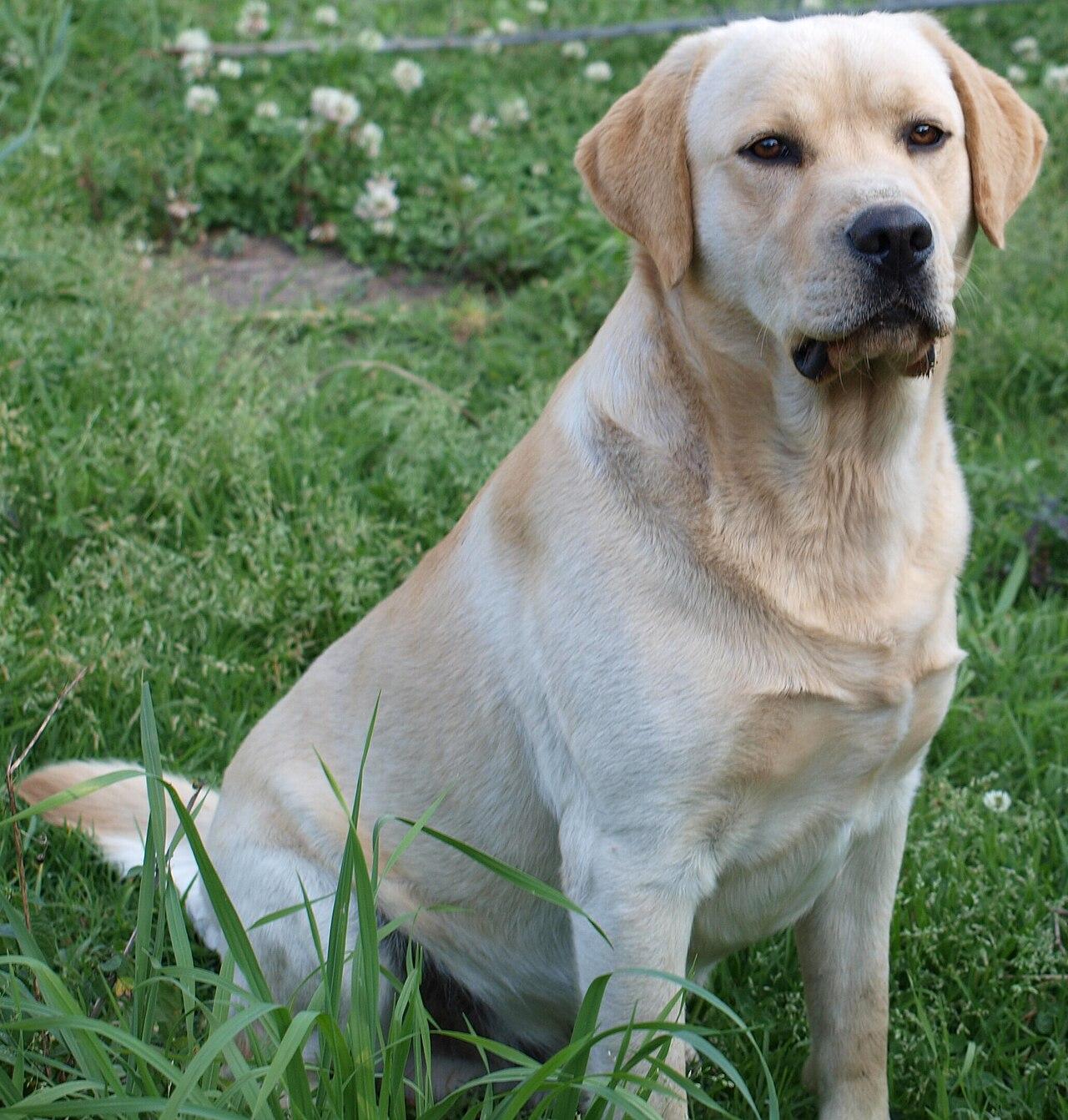
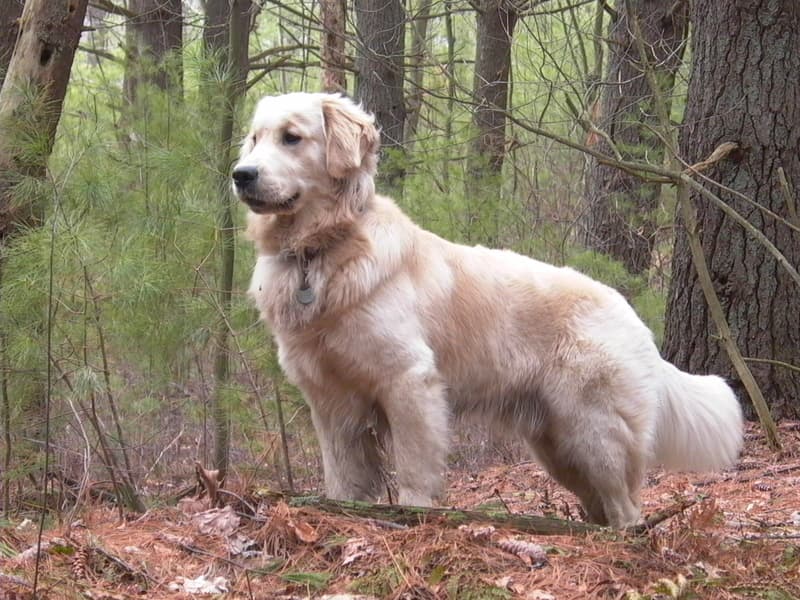
First-timers, full-time workers, flat-dwellers, and nervous handlers routinely end up with a reactive, barking, 85 lb problem. If that profile stings, a Labrador or Golden gives 80 percent of the loyalty at a fraction of the difficulty.
Adults need 2 or more hours daily: long walks or runs plus 20 to 30 minutes of brain work like obedience, tracking, or agility. Physical exercise alone is not enough — an under-stimulated Shepherd becomes reactive and destructive.
Puppies need controlled exercise (5 minutes per month of age, twice daily) with no forced running until growth plates close around 12 to 18 months.
Honestly, no. They need experienced, consistent training from day one, 2 to 3 hours daily, and confident handling — first-timers commonly create reactive, guarding, or anxious 85 lb dogs by accident.
If your heart is set on one, hire a professional trainer before the puppy arrives, join a training club, and clear your schedule. Otherwise start with a Labrador or Golden.
Bloat (GDV) is a twisted, gas-filled stomach that cuts off blood flow and kills within hours without surgery. Deep-chested breeds like Shepherds are prime targets, especially after one large meal plus exercise.
Prevention: 2 to 3 smaller meals daily, rest an hour either side of food, slow feeders, floor-level bowls — and ask your vet about preventive gastropexy (stomach-tacking) during spay or neuter.
Take our free 15-question what pet should I get quiz to get a personalized compatibility score and see how they match your living environment.
Take the Free Pet Quiz