Loading…
Loading…
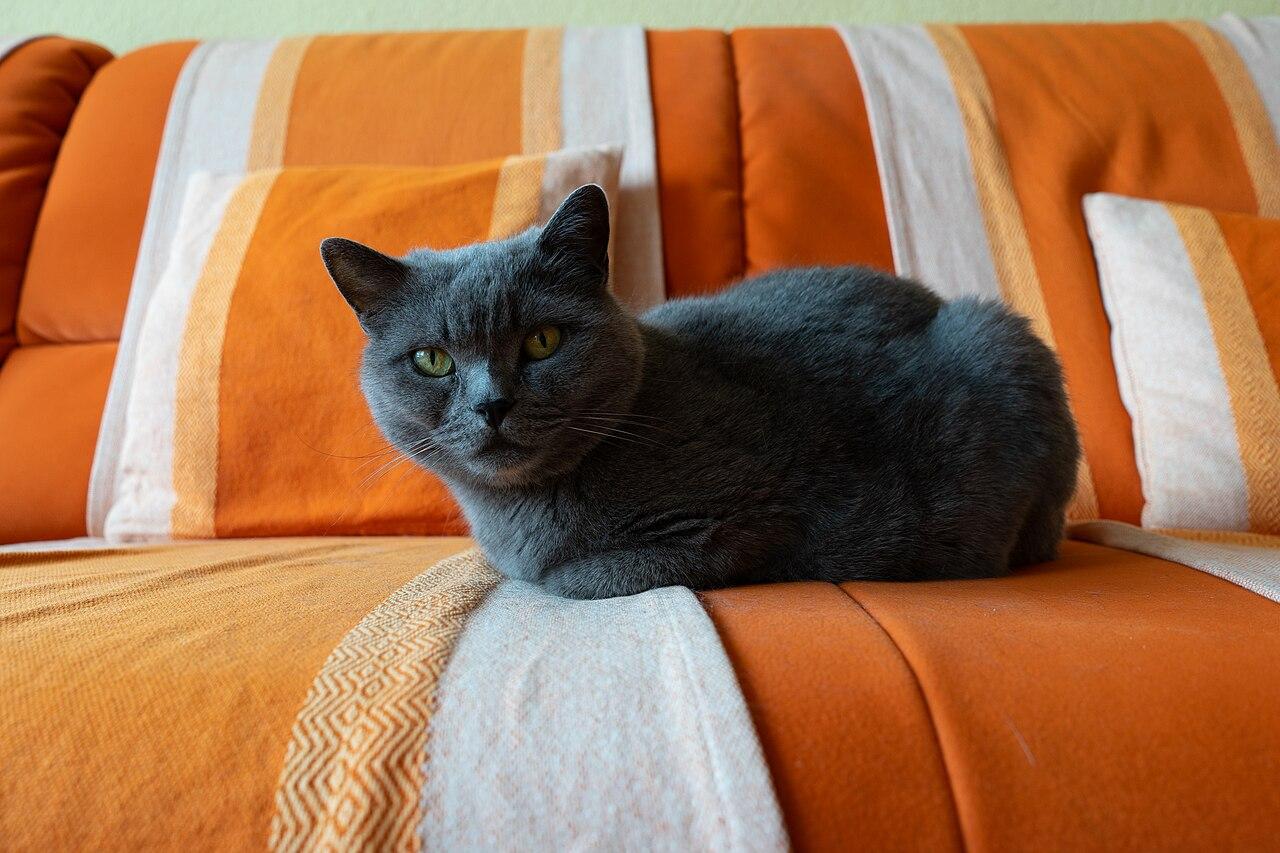
British Blue · British Lilac · British Golden
Plush teddy-bear cat — calm, quiet, and dignified
Round-faced, plush-coated, and famously calm. British Shorthairs enjoy company without demanding laps, making them ideal for working owners who want a serene presence.
Photo: Wikimedia Commons / PantheraLeo1359531 / CC BY 4.0
Care guide last reviewed: · Care requirements referenced from veterinary and humane standards.
Indoor home of any size; vertical space appreciated.
Virtually silent (1/5)
Independent — fine with long quiet stretches
Content with independent time
Three curated supplies researched for this companion's specific anatomy and daily welfare
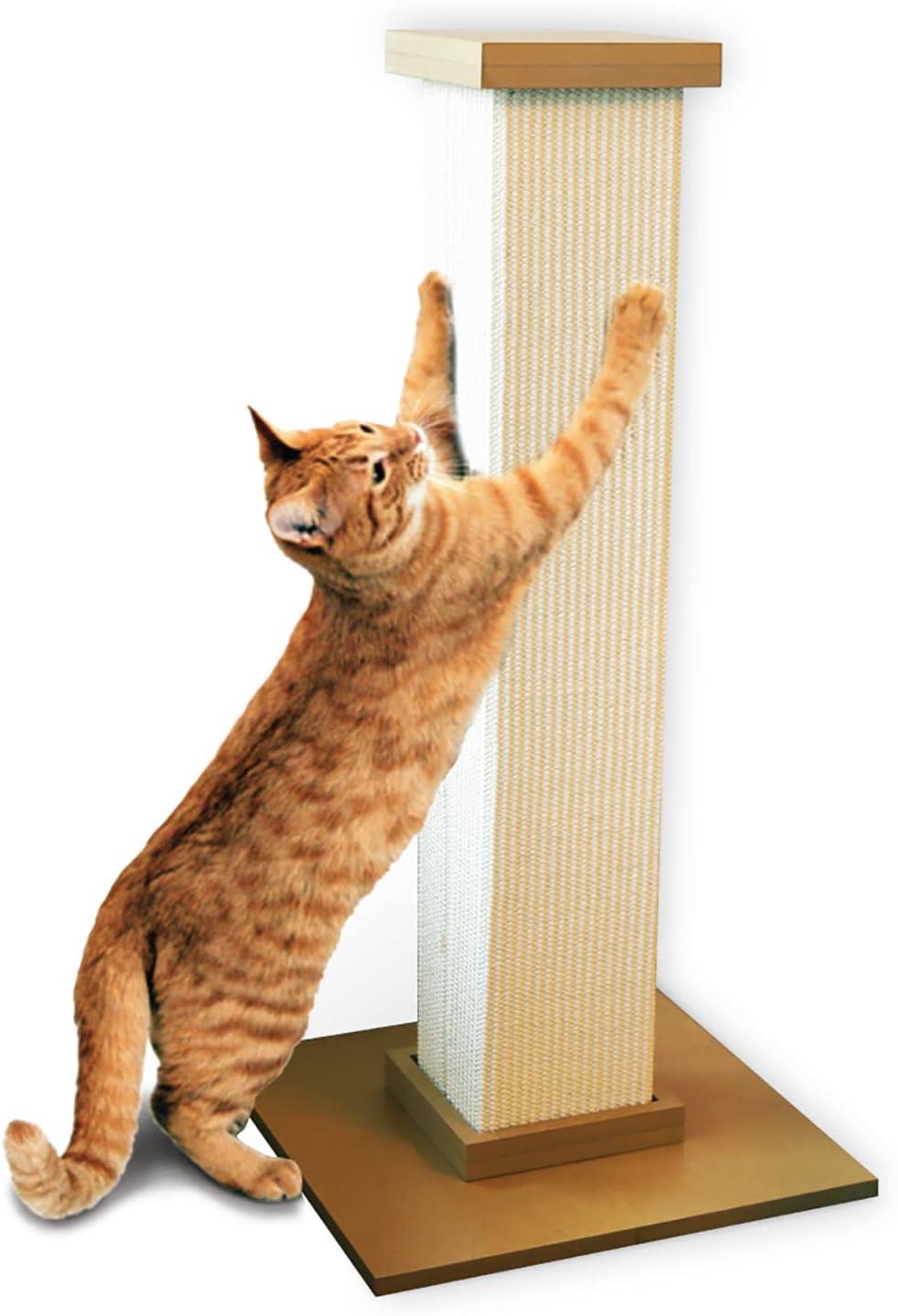
British Shorthairs are heavy, muscular cats who topple flimsy scratchers; this solid 32-inch vertical post lets them fully stretch their dense bodies safely.
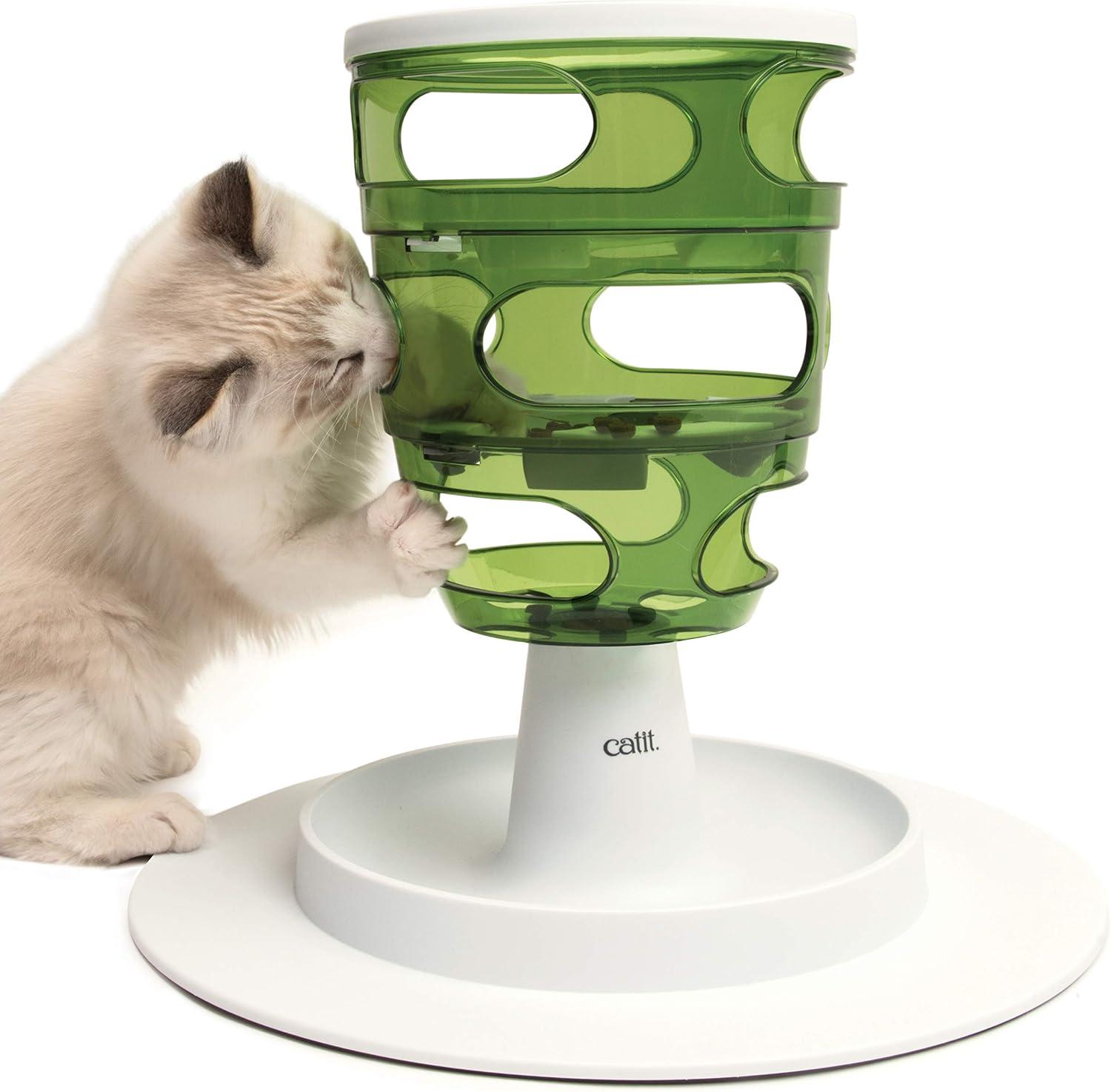
Stocky British Shorthairs love lounging and are prone to weight gain; narrow digging tubes force them to work for each kibble, pacing digestion.
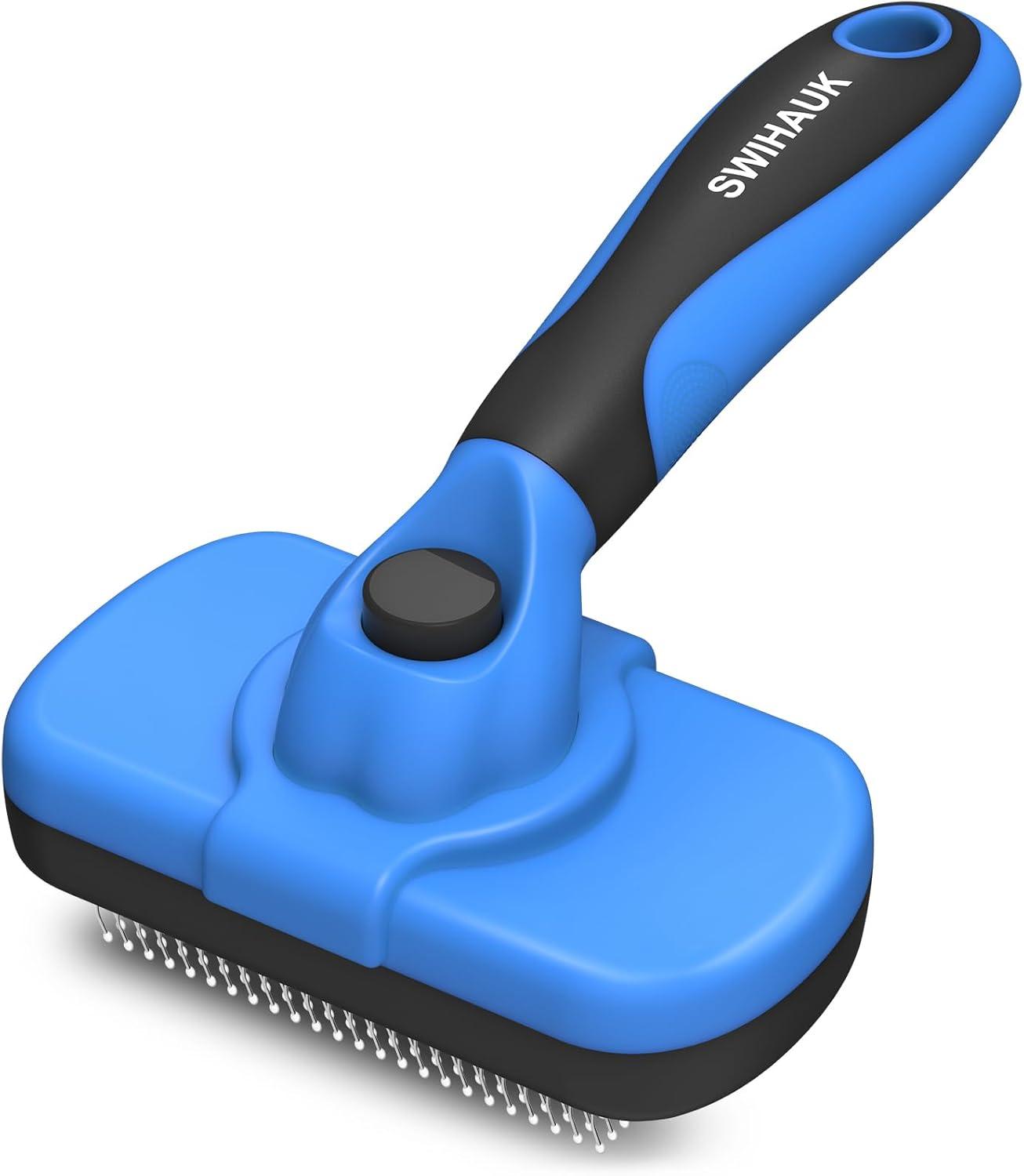
Famous for their dense "teddy bear" double coat, British Shorthairs collect thick loose underfur that turns into hairballs without weekly detangling.
As an Amazon Associate, WhatPetSuitsYou earns from qualifying purchases. Product prices and availability are accurate at Amazon and subject to change.
Expect a placid, dignified housemate that enjoys your company without demanding it: they follow at a distance, sit beside you rather than on you, and rarely meow. The plush double coat sheds moderately and needs weekly brushing, with heavy seasonal moults. They are patient with calm children and usually accept other pets after slow introductions, but dislike being carried orroughly handled.
Play comes in short, dignified bursts rather than acrobatics. They are strictly indoor cats with poor street sense and a coat that mats if neglected outdoors. Their silence is golden for apartments, but do not mistake quiet for low appetite: they love food intensely.
Feed a measured, high-protein diet because calm British Shorthairs gain weight fast on free-fed kibble. Adults of 4 to 8 kg typically need 200 to 270 kcal per day across two weighed meals, with wet food prioritised for hydration and urinary health. Choose an AAFCO-complete food with named meat first, avoid constant grazing, and cap treats at 10 percent of calories.
Weigh monthly and feel for ribs under the plush coat, since the teddy-bear roundness hides fat. Kittens eat 3 to 4 meals daily until 12 months and mature slowly, reaching full size around age 3. Seniors over 10 need lighter, kidney-supportive recipes and twice-yearly weigh-ins, as even one extra kilogram strains joints and heart.
Any calm indoor home suits this breed; they need horizontal comfort more than climbing walls. Provide one large litter box per cat plus one spare in quiet spots, a low-sided sturdy box for the stocky build, and unscented clumping litter scooped daily. Add a heavy-base scratching post (they are strong cats), a floor-level cosy bed or fleece cave, and a window perch at an easy jump height.
Puzzle feeders and food balls turn meals into activity that fights obesity. Secure balconies and windows, keep lilies and other toxic plants away, and keep the home reasonably cool in summer since the dense double coat overheats faster than a shorthair's.
Scoop litter daily and wash boxes weekly (10 minutes). Serve two measured meals morning and evening, refresh water, and run two 10-minute play sessions with a feather wand or laser pointer to burn calories, since this breed will not exercise itself. Brush once a week, rising to 2 or 3 times during spring and autumn coat blows.
Wipe eye corners and check ears weekly, trim claws fortnightly, and weigh monthly. Total active care is about 30 minutes a day, making them one of the least time-demanding pedigree cats, though the play sessions are non-negotiable for weight control. Annual vet checks and vaccine boosters complete the routine.
British Shorthairs live 12 to 16 years but carry three headline risks. Obesity is the most common and most owner-controllable, driving diabetes, arthritis, and heart strain. Hypertrophic cardiomyopathy (HCM), thickening of the heart muscle, is the top inherited concern; ask breeders about family heart history and heart scans, since no DNA test exists for this breed.
Polycystic kidney disease (PKD) has a DNA test, so demand clear certificates for both parents. Watch for heavy breathing, lethargy, sudden hind-leg pain (possible clot), increased thirst, and weight loss. Annual vet checks with bloodwork from middle age catch kidney and thyroid disease early, and insurance is strongly advised for pedigree vet bills.
Purchase price from a health-tested breeder runs 1,000 to 2,500, the biggest single cost. Monthly, expect 30 to 50 for quality food (they eat more than their calm looks suggest), 10 to 20 for litter, and 20 to 40 for comprehensive insurance, which is wise given HCM and PKD risks. Annual vet checks cost 100 to 200, plus dental cleaning every few years at 300 to 600.
A heavy-duty scratching post, carrier, and puzzle feeders total around 100 one-off. Averaged over the year, budget 80 to 140 per month excluding the purchase price, and keep an emergency fund since cardiac workups and ultrasounds are expensive.
An excellent first pedigree cat for quiet, working households: calm, quiet, undemanding, and tolerant of full workdays alone. You will succeed if you control portions strictly, play twice daily, and brush weekly. Choose a breeder who shows PKD DNA certificates and discusses heart screening openly, or adopt a retired adult.
Struggle points are predictable: owners who free-feed, expect a lap cat (most prefer beside-you company), or want a playful shadow will be disappointed. If you want serene, dignified companionship and can afford pedigree vet costs, the British Shorthair is close to ideal.
Yes, they are one of the breeds most prone to obesity because they are calm and food-loving. Feed two measured meals, avoid free-feeding kibble, keep treats under 10 percent of calories, and play twice daily.
Monthly weigh-ins catch creeping weight early.
Ask for PKD DNA certificates for both parents, which stand for life, plus recent heart scans in the lines and a discussion of any HCM in the family. Responsible breeders also vaccinate, microchip, and keep kittens until at least 13 weeks.
Brush once a week with a slicker or rubber curry brush, increasing to 2 or 3 times weekly during spring and autumn shedding. Their dense double coat rarely mats but sheds heavily, and grooming doubles as a health check for lumps and skin issues.
Yes, they are among the best pedigree cats for full-time workers: calm, quiet, and content alone during the day with food puzzles and a window perch. They still need morning and evening play, fresh food, and company when you are home.
Take our free 15-question what pet should I get quiz to get a personalized compatibility score and see how they match your living environment.
Take the Free Pet Quiz