Loading…
Loading…
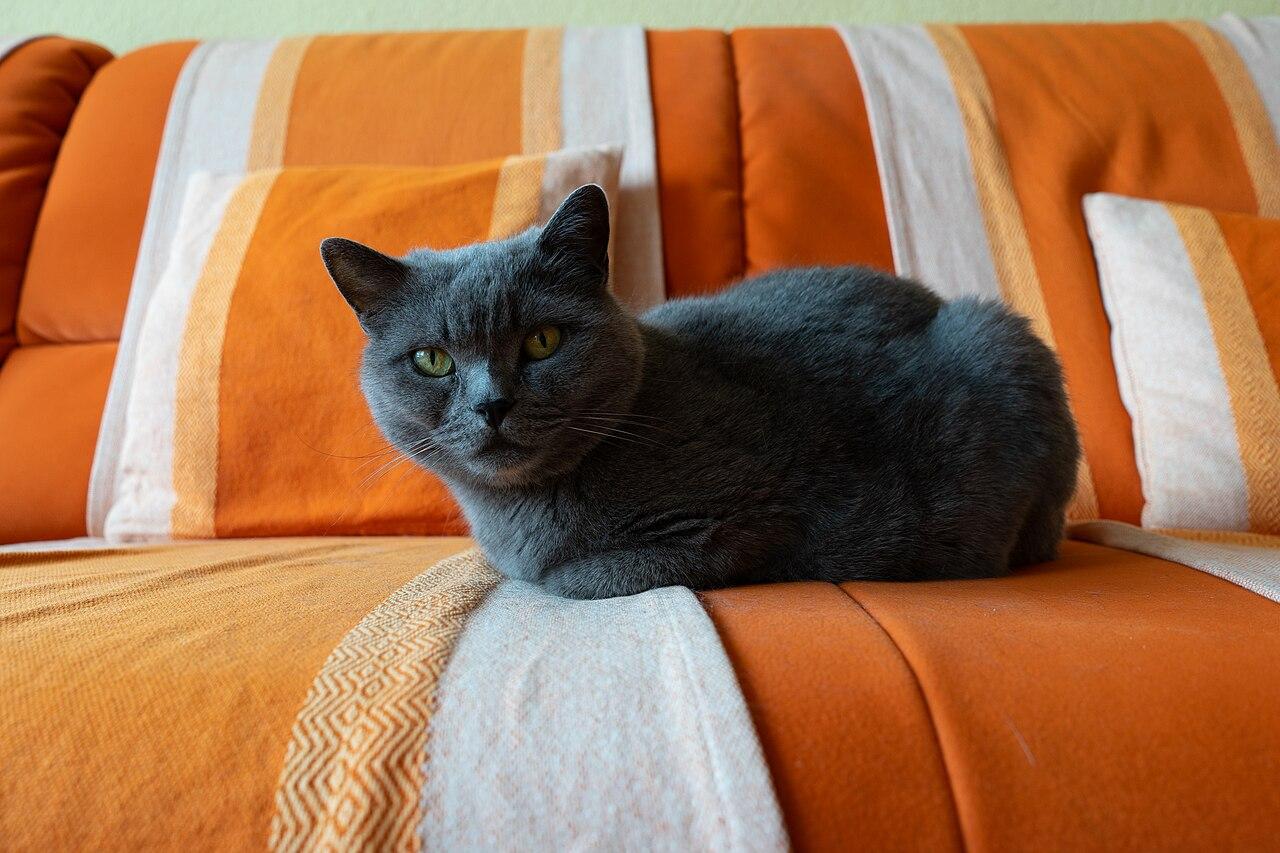
Russian Blue
Elegant silver cat that sheds less — for mildly sensitive homes
Silver-blue coat produces less dander than most cats, suiting mildly sensitive owners (no cat is fully allergen-free — test exposure first). Shy with strangers, deeply loyal to family.
Photo: Wikimedia Commons / Andrzej Barabasz / CC BY-SA 4.0
Care guide last reviewed: · Care requirements referenced from veterinary and humane standards.
Calm indoor home of any size.
Virtually silent (1/5)
Independent — fine with long quiet stretches
Content with independent time
Three curated supplies researched for this companion's specific anatomy and daily welfare
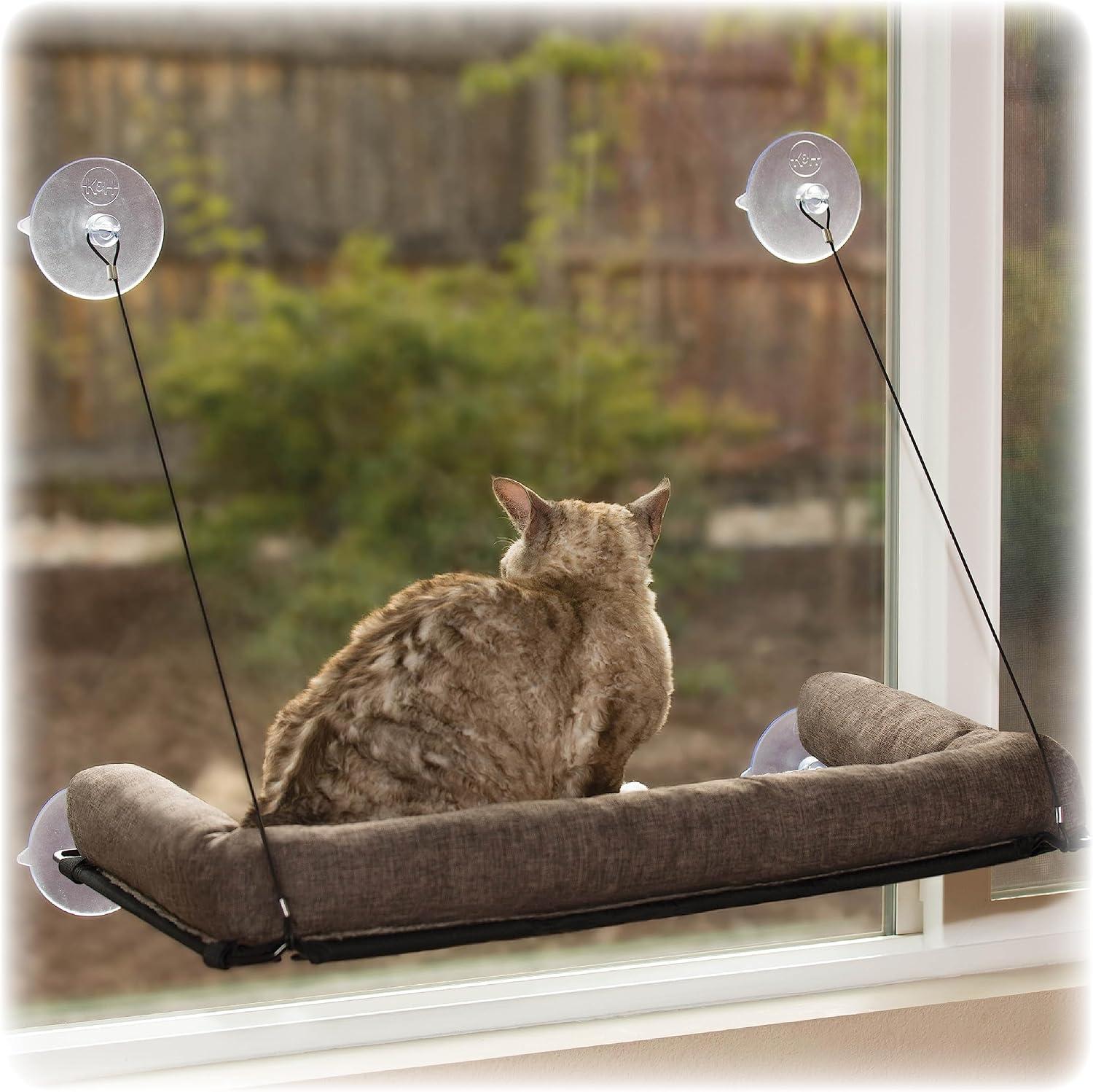
Reserved and observant Russian Blues find peace watching outdoors from a safe elevation; heavy-duty suction hammocks offer serene sunbathing away from household commotion.

The Russian Blue's signature silver-tipped double coat requires gentle rubber nubs that capture dander and loose fur like a magnet without scratching tender skin.

Sensitive to loud noises, Russian Blues prefer stealthy, quiet play; 100% organically stuffed catnip toys stimulate pleasant solitary batting and rolling.
As an Amazon Associate, WhatPetSuitsYou earns from qualifying purchases. Product prices and availability are accurate at Amazon and subject to change.
Expect a shy-but-devoted companion: reserved with strangers, deeply bonded to family, often choosing one favourite person to follow and comfort. They are quiet, graceful, and clean, with a plush silver coat that sheds less than most but still needs weekly brushing. Playful fetch sessions alternate with long dignified naps in favourite warm spots.
They tolerate respectful children and other calm pets after slow introductions but dislike rough handling and loud parties. Routine is sacred: they learn your schedule and remind you of meals. No cat is allergen-free, so test extended exposure before committing.
Feed a portion-controlled, high-protein diet because Russian Blues are enthusiastic eaters prone to obesity. Adults of 3 to 5.5 kg need roughly 200 to 280 kcal daily in two weighed meals, with wet food prioritised to support urinary health in a breed prone to bladder stones. Choose AAFCO-complete food with named meat first and moderate magnesium and phosphorus, encourage drinking with a fountain, and cap treats at 10 percent of calories.
Weigh monthly and keep ribs easily felt under the dense coat. Kittens eat 3 to 4 meals until 12 months. Seniors need kidney-aware recipes and twice-yearly checks, since weight and urinary signs are the earliest clues to trouble in this stoic breed.
A calm indoor home of any size suits this orderly breed. Provide one litter box per cat plus one spare in quiet, stable locations (they dislike box moves and scented litter), scooped daily. Add a sturdy scratching post, a tall cat tree for surveying, a warm window perch, and a private hiding spot for retreat when visitors come.
Puzzle feeders slow down greedy eating and add mental work. Keep routines predictable: Russian Blues memorise feeding times and wake owners who deviate. Secure windows, remove lilies, and keep the home peaceful during settling-in, since newcomers hide for days and bond slowly but deeply.
Scoop litter daily and wash boxes weekly, serve two measured meals with fresh water (10 minutes), and play for 15 to 20 minutes with wand toys or fetch, a game many Russian Blues love. Brush the dense double coat once or twice weekly to control shedding, check ears and eyes, trim claws fortnightly, and weigh monthly. Total care is 30 to 45 minutes daily, plus quiet companionship they prize.
Monitor thirst, appetite, and litter output: bigger urine clumps, frequent small wees, or straining need prompt vet attention given the breed's urinary risk. Annual vet checks keep vaccines and dental care on track.
Russian Blues live 14 to 18 years and are generally robust, with three watch points. Bladder and urinary stones are reported more often than average: feed wet-led diets, maximise water intake, minimise stress, and treat straining or blood as urgent, since male blockages kill quickly. Obesity creeps up under the plush coat and drives diabetes and joint pain, so strict portions are preventive medicine.
Dental disease is common by middle age. No cat is hypoallergenic, though many mildly sensitive owners tolerate this lower-shedding breed; always trial-visit before committing. Annual checks with weight trend, dental review, and urinalysis from middle age are the standard.
Kittens from reputable breeders cost 1,000 to 2,200. Monthly, budget 30 to 50 for quality food, 10 to 20 for litter, and 20 to 40 for insurance. Annual vet checks run 100 to 200, dental cleaning 300 to 600 every few years, and urinary workups 200 to 500 if stones occur.
A cat tree, carrier, fountain, and puzzle feeders total around 120 one-off. Average 80 to 130 per month excluding purchase. Urinary prescription diets and emergency unblocking (1,000+) are the main financial risks, which insurance and wet-food prevention help contain.
A lovely first pedigree cat for calm, orderly homes, including mild-allergy households that have trial-tested exposure. You will succeed if you control portions, keep routines stable, and accept a cat that bonds intensely with family but hides from visitors. Struggles come with chaotic, noisy homes, owners who free-feed, or anyone expecting instant affection: trust takes weeks.
Note the pedigree price and urinary-prone vet needs. If you want a quiet, graceful, loyal companion that tolerates workdays and plays fetch in the evening, the Russian Blue fits beautifully.
No cat is truly hypoallergenic. Russian Blues produce the Fel d 1 allergen like all cats, though their dense, lower-shedding coat spreads less dander and many mildly sensitive owners tolerate them.
Always arrange extended trial visits before committing.
Straining, frequent tiny urinations, or blood can signal bladder stones or cystitis, which this breed is prone to. A male cat unable to pass urine is a same-day emergency.
See a vet promptly, increase wet food and water, and reduce stress.
Most adults need 200 to 280 kcal daily across two measured meals, with wet food prioritised. They love food and gain weight easily, so weigh portions, limit treats, and check ribs monthly under the thick coat.
Excellent: quiet, clean, medium-energy, and content alone during workdays with toys and a window perch. They need evening play and company, plus stable routines, but their silence and tidiness suit flats perfectly.
Take our free 15-question what pet should I get quiz to get a personalized compatibility score and see how they match your living environment.
Take the Free Pet Quiz