Loading…
Loading…

Tabby · Black & White Tuxedo · Ginger
The classic shelter cat — healthy, affordable, full of character
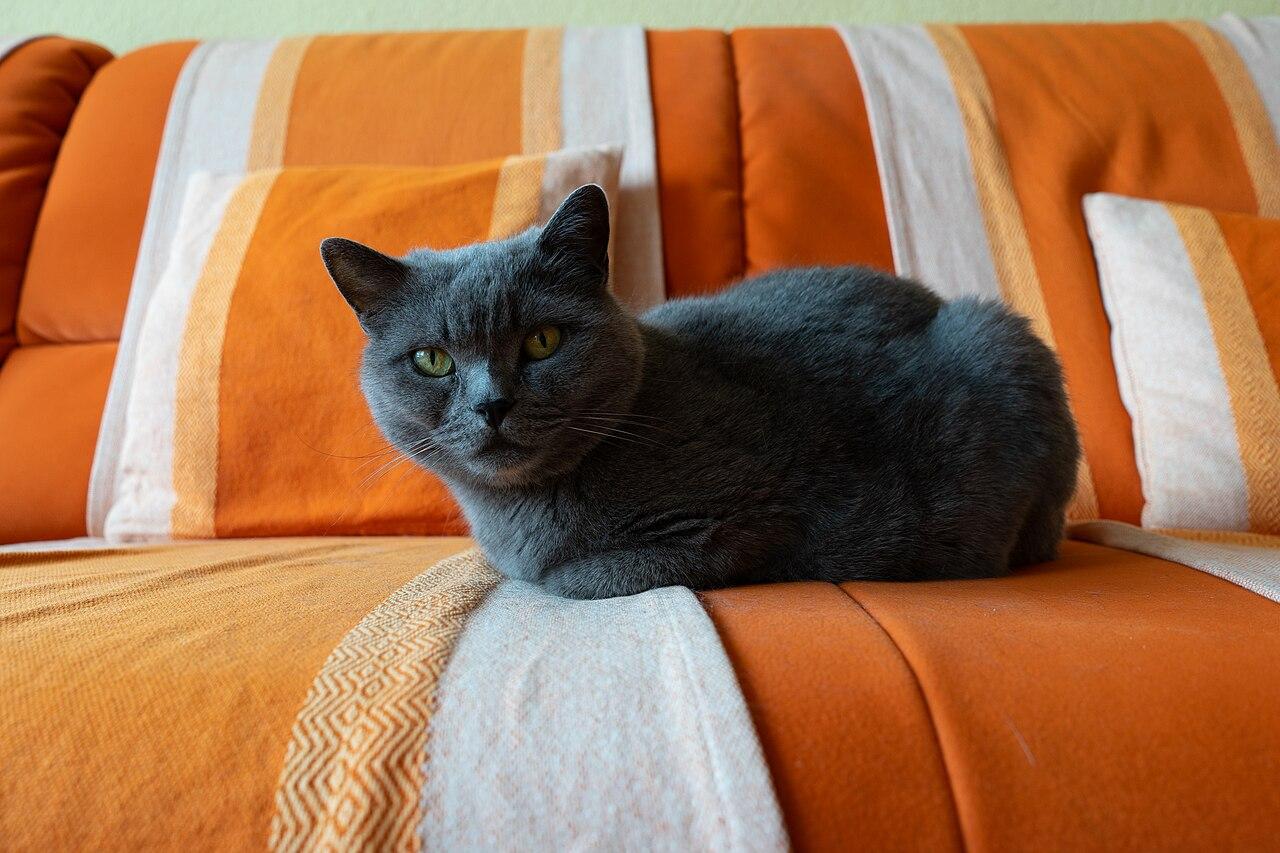
The everyday mixed-breed cat found in every shelter: hardy, varied in personality, and the most affordable way to get a cat. Adult rescues (1–3 years) show their true temperament upfront.
Photo: Wikimedia Commons / Fleshgrinder / Public domain
Care guide last reviewed: · Care requirements referenced from veterinary and humane standards.
Thrives indoors in any home with a scratching post and window perch.
Quiet (2/5)
Independent — fine with long quiet stretches
Content with independent time
Three curated supplies researched for this companion's specific anatomy and daily welfare
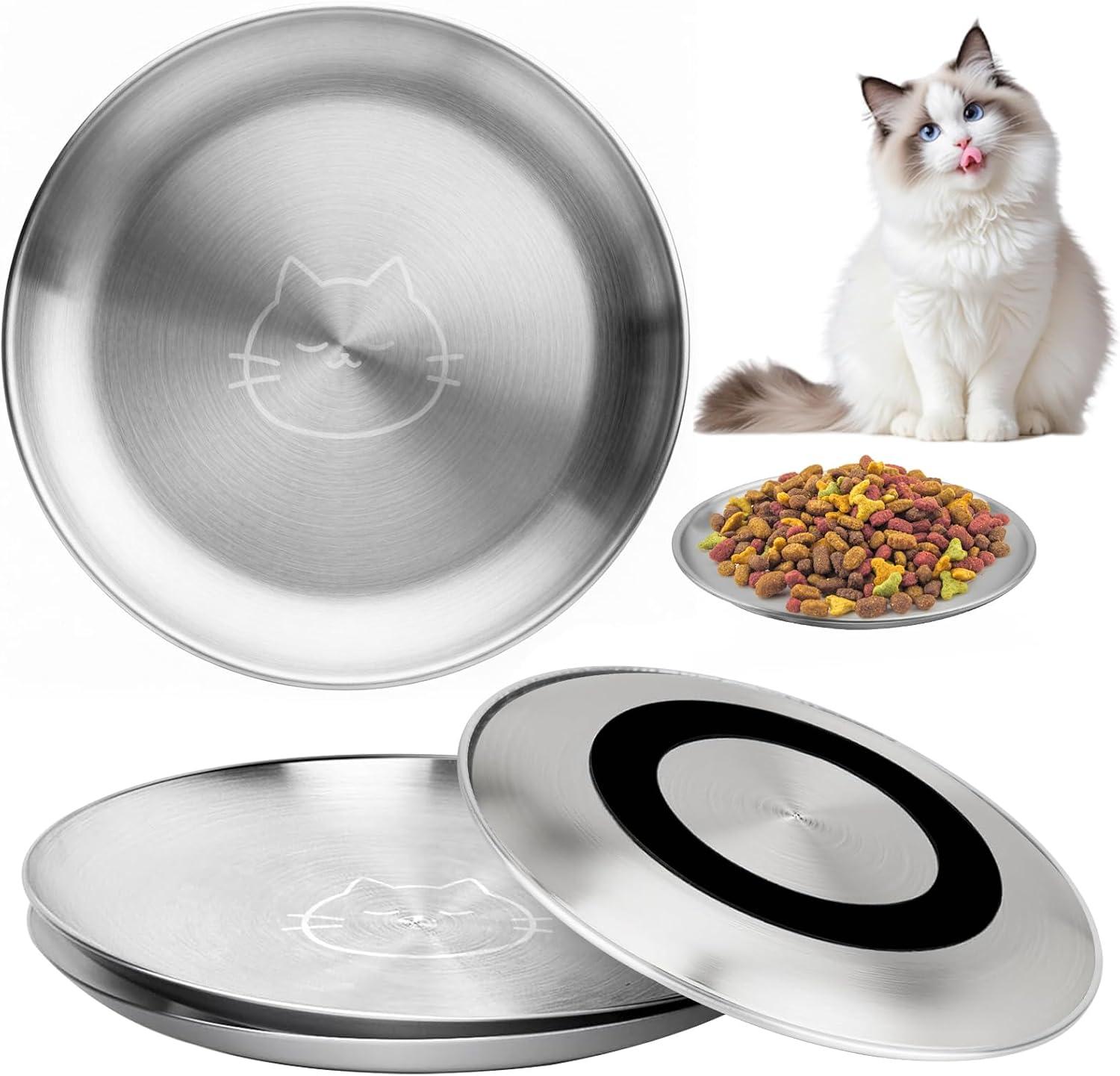
Domestic shorthairs frequently avoid eating or spill kibble when their sensitive whiskers brush tall bowl sides; wide shallow bowls eliminate whisker stress.
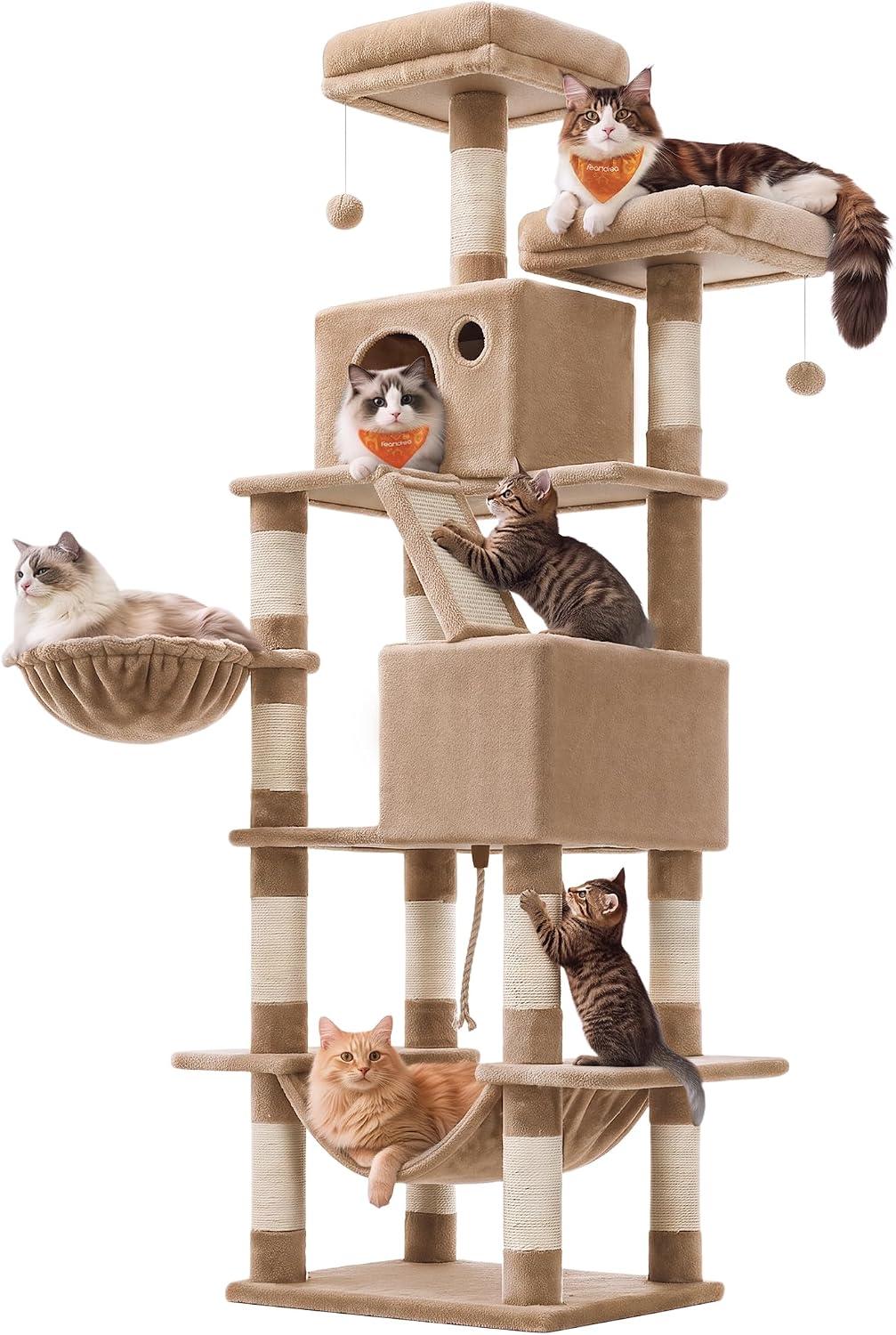
Indoor shorthairs require vertical territory to survey their home and natural sisal posts to condition claws without shredding living room furniture.
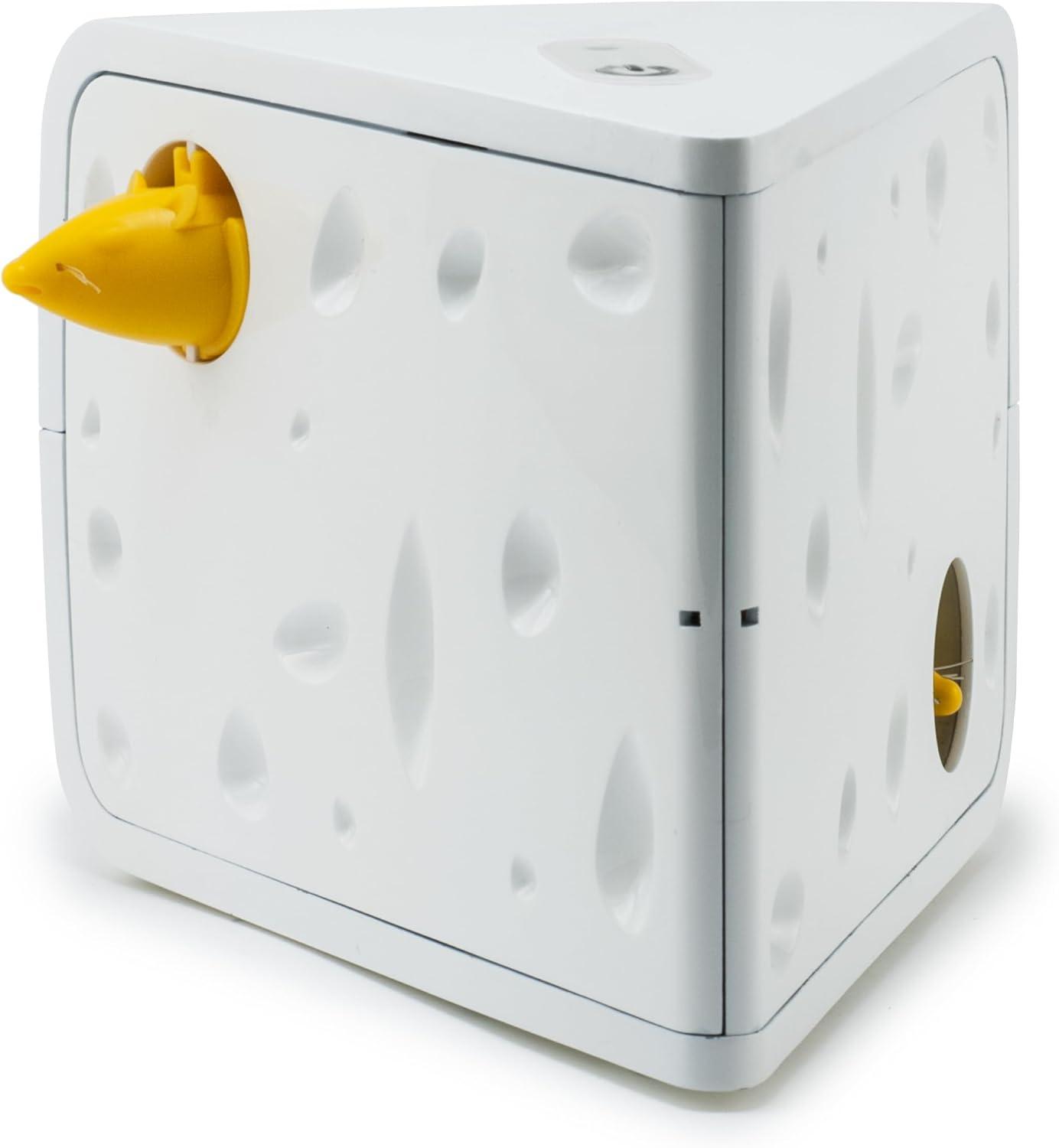
Curious shorthairs need daily aerobic chasing to prevent indoor obesity and evening zoomies; automated rotating mirrors trigger natural stalk-and-pounce instincts.
As an Amazon Associate, WhatPetSuitsYou earns from qualifying purchases. Product prices and availability are accurate at Amazon and subject to change.
Expect an independent but affectionate housemate that grooms itself, uses the litter box instinctively, and sleeps 14 to 16 hours a day. Most shorthairs enjoy lap time on their own terms rather than on demand, and play in short dawn and dusk bursts. Shedding is moderate year-round with heavier spring loss; weekly brushing keeps it manageable.
They are quiet compared with Siamese types but still meow, scratch, and occasionally knock things off shelves. With slow introductions they usually accept other cats, cat-friendly dogs, and respectful children. Keep them strictly indoors or in a catio: free-roaming cats live dramatically shorter lives from traffic, fights, and disease.
Feed a complete, high-protein commercial cat food that meets AAFCO standards, with wet food making up at least half the diet for hydration. A typical 4 to 5 kg indoor adult needs roughly 200 to 250 kcal per day, split into two measured meals rather than free-fed kibble, since neutered indoor cats gain weight easily. Keep treats under 10 percent of daily calories and always provide fresh water, ideally in a wide bowl or fountain away from the food.
Never feed dog food, and keep onions, garlic, grapes, chocolate, xylitol, alcohol, and lilies (lethal even in tiny amounts) out of reach. Kittens need kitten formula until 12 months, and cats over 7 benefit from senior recipes with joint and kidney support, agreed with your vet.
Keep domestic shorthairs indoors with one large litter box per cat plus one extra, placed in quiet, low-traffic spots and never beside food or water. Fill with 2 to 3 inches of unscented clumping litter and scoop daily. Provide a tall, sturdy scratching post (at least 80 cm so the cat can fully stretch) plus a horizontal scratcher, a window perch for sunbathing, and a covered hiding spot for decompression.
A cat tree near a window covers climbing and viewing in one item. Secure windows with screens and remove toxic plants such as lilies, sago palm, and dieffenbachia. A Feliway diffuser can help a new rescue settle during the first weeks.
Scoop litter boxes once or twice daily (5 minutes) and top up litter; do a full empty-and-wash with mild detergent weekly. Refresh food and water each morning and evening, washing bowls daily to prevent chin acne and bacterial film. Play in two 10-minute sessions with a wand toy or crinkle ball, finishing with a small treat so the hunt ends in a catch.
Brush briefly once a week to cut shedding and hairballs, check ears and eyes during cuddle time, and trim claws every 2 to 3 weeks. Total hands-on time runs 30 to 45 minutes a day, plus passive company. Vacuum soft furnishings weekly and expect the busiest chores at dawn and dusk, when cats are naturally active.
Domestic shorthairs are the hardiest cats, commonly living 13 to 17 years, but obesity is the number one threat: Cornell estimates over half of pet cats are overweight, driving diabetes, arthritis, and urinary problems. Dental disease affects most cats by age 3, so budget for annual dental checks and consider tooth brushing. Senior cats need yearly bloodwork for chronic kidney disease and hyperthyroidism.
Keep FVRCP and rabies vaccines current, maintain year-round flea and worm prevention, and spay or neuter before 6 months. Red flags needing same-day care include straining in the litter box, hiding with no appetite for 24 hours, open-mouth breathing, and sudden hind-leg weakness. Pet insurance is cheapest when started in kittenhood.
Adoption from a shelter typically costs 50 to 150 including spay or neuter, vaccines, and microchip, versus 800 or more from a breeder. Monthly, budget 25 to 40 for quality wet and dry food, 10 to 20 for clumping litter, and 10 to 25 for insurance. Annual vet checks run 100 to 200, plus 300 to 600 for a professional dental cleaning every few years as advised.
A sturdy scratching post and carrier are one-off costs of 30 to 60 each. Emergency funds matter: urinary blockages or foreign-body surgery can exceed 1,500. Realistic all-in cost is 60 to 100 per month averaged over the year, making the domestic shorthair the most affordable cat option.
The domestic shorthair is the best first cat for most people: hardy, affordable, litter-trained by nature, and available in every personality type at local shelters. Choose an adult rescue of 1 to 3 years and staff can match energy level and cuddle tolerance honestly. You will succeed if you commit to daily litter scooping, measured meals, and 20 minutes of play, and if everyone in the home accepts 15 years of responsibility.
Think twice only if someone has a severe cat allergy, if the cat would be alone 12-hour days with no enrichment, or if you cannot fund vet care. Adopt, do not shop, and you get the healthiest cat with the clearest conscience.
Scoop solids and clumps at least once a day, ideally twice, and do a full litter change plus box wash weekly for non-clumping litter or monthly for clumping. Cats often refuse dirty boxes, so daily scooping prevents accidents and lets you spot blood, straining, or diarrhoea early.
Most 4 to 5 kg indoor adults need 200 to 250 kcal daily, roughly one 85 g wet pouch plus a small measured portion of dry food, split into two meals. Weigh your cat monthly and adjust with your vet, since neutered indoor cats gain weight very easily.
Vets and welfare charities recommend keeping cats indoors or in a secure catio. Free-roaming cats face traffic, fights, infections like FIV, and parasites, and live significantly shorter lives on average.
Indoor cats with a window perch, scratching post, and daily play stay safe and content.
Indoor domestic shorthairs typically live 13 to 17 years, and many reach 18 to 20 with lean weight, dental care, and annual vet checks. Crossbred cats average longer lives than pedigree breeds in large UK vet studies.
Take our free 15-question what pet should I get quiz to get a personalized compatibility score and see how they match your living environment.
Take the Free Pet Quiz