Loading…
Loading…
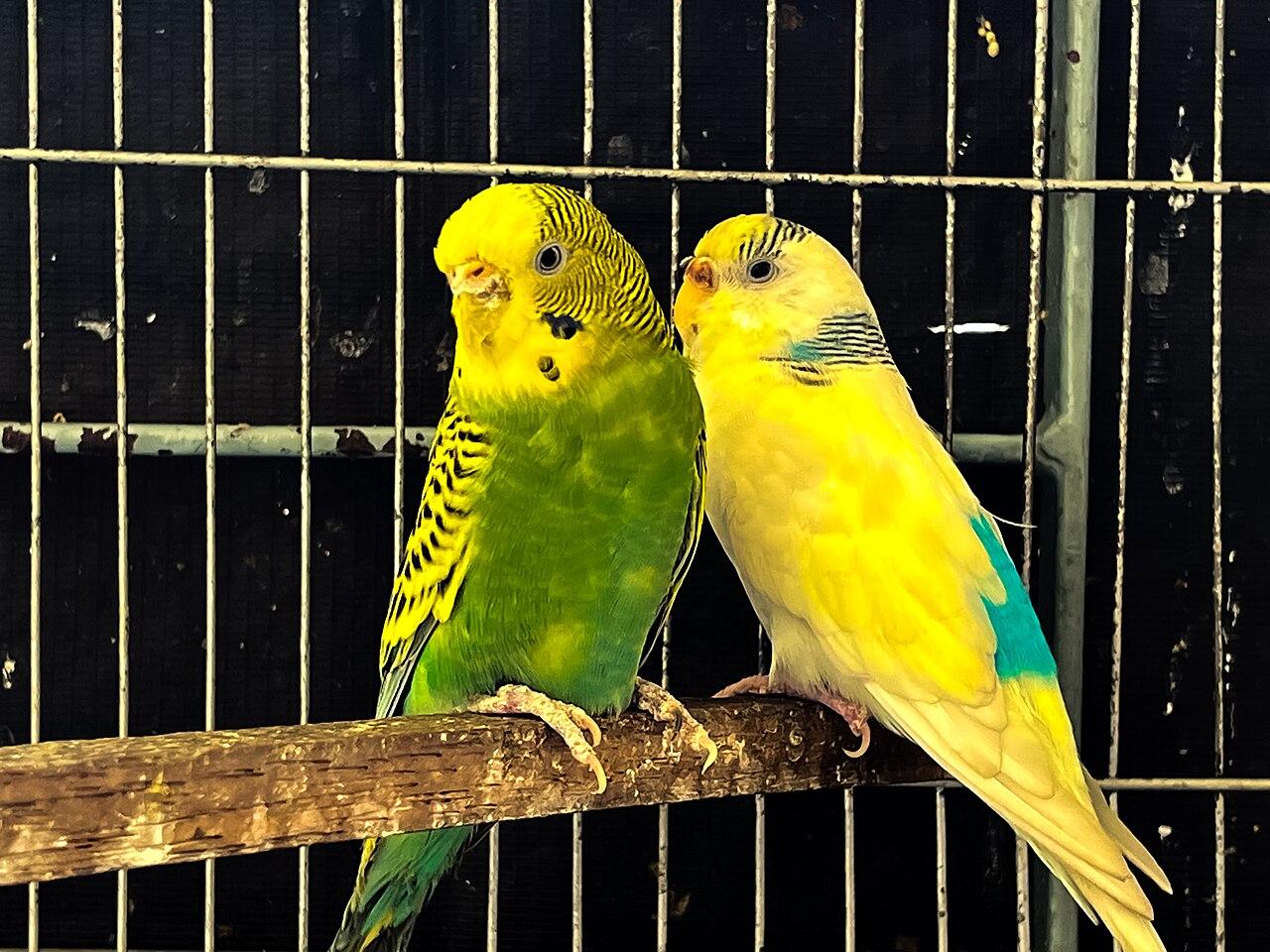
English Budgie · American Budgie
Tiny talking parrot that learns tunes and words
The world’s most popular pet bird: cheap, cheerful, and clever enough to learn words with daily practice. Best kept in pairs in a wide flight cage in the living room.
Photo: Wikimedia Commons / S.M.M.Musabbir Uddin / CC BY-SA 4.0
Care guide last reviewed: · Care requirements referenced from veterinary and humane standards.
Wide flight cage with horizontal bars; daily out-of-cage flight.
Vocal (4/5)
Misses company — best with someone home often
Thrives with daily company
Three curated supplies researched for this companion's specific anatomy and daily welfare
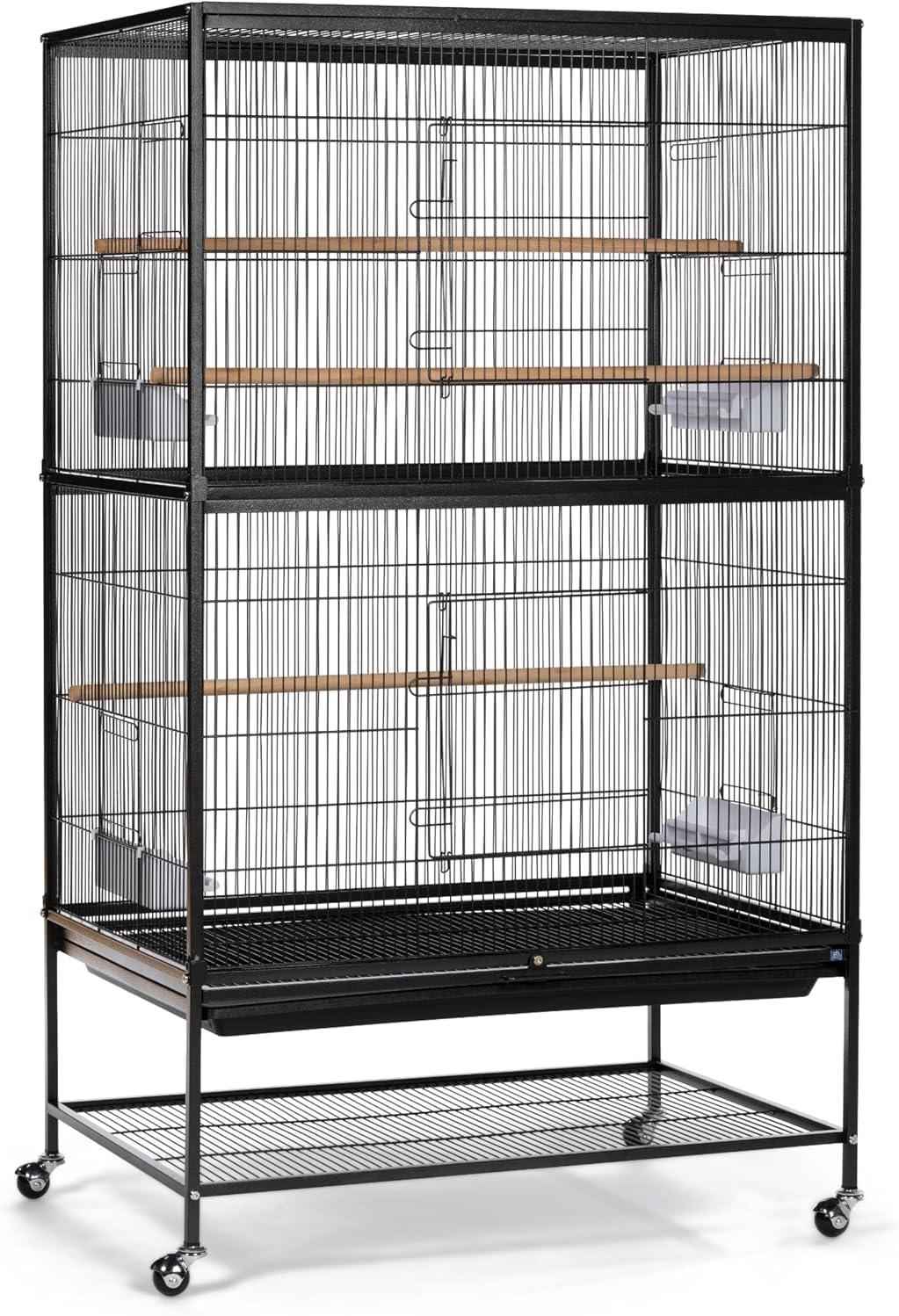
Budgies are active horizontal fliers needing width over height; tight 1/2-inch horizontal wire bars support safe wing stretches and climbing exercise.
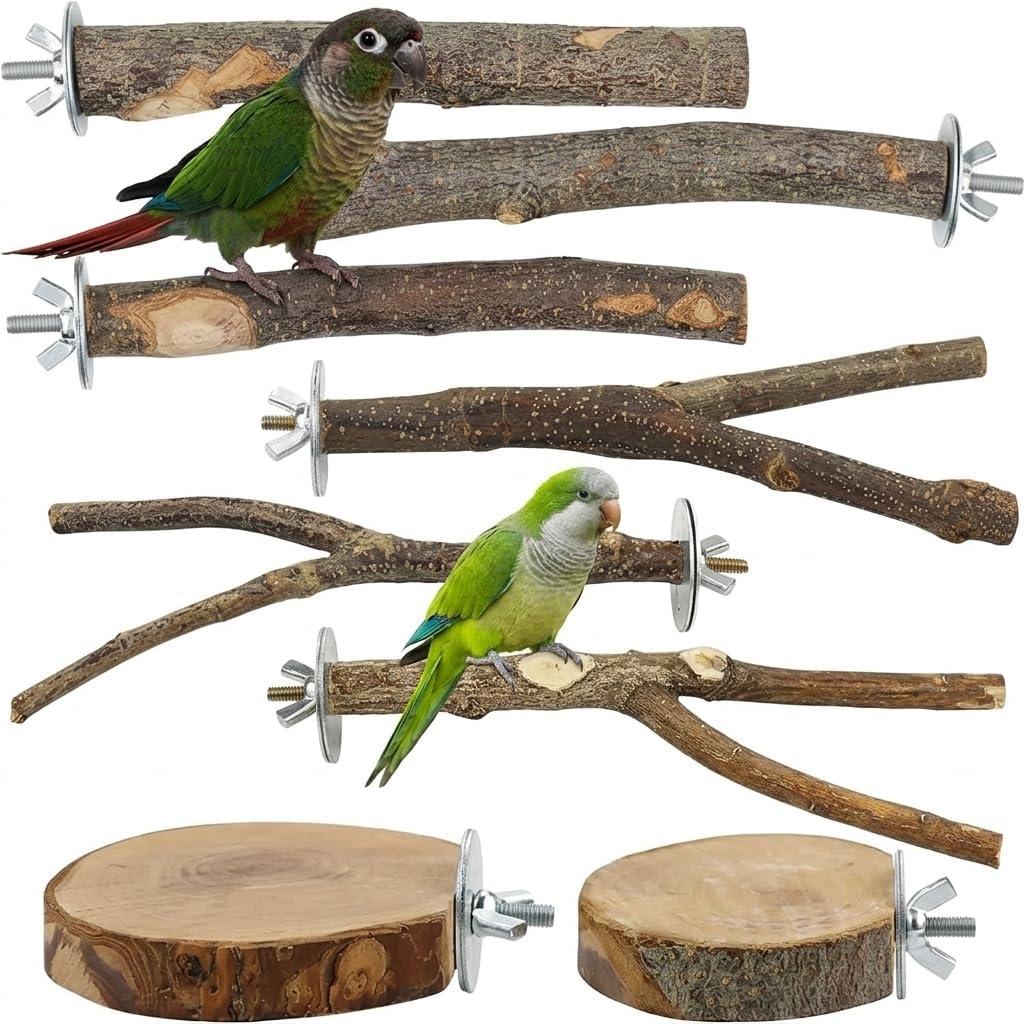
Uniform dowel perches exert constant pressure on the same toe joints, leading to bumblefoot; variable natural branch contours exercise gripping muscles.
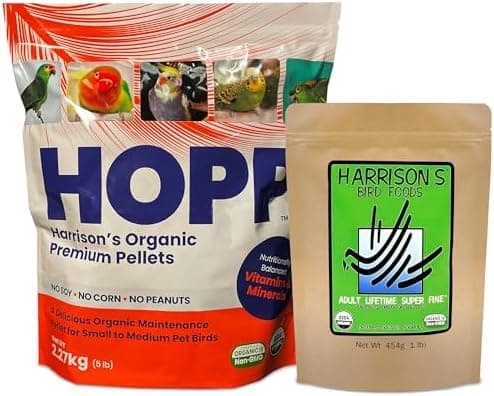
All-seed diets cause fatty liver disease and shorten budgie lifespans to 4 years; organic extruded pellets deliver complete vitamins and trace minerals.
As an Amazon Associate, WhatPetSuitsYou earns from qualifying purchases. Product prices and availability are accurate at Amazon and subject to change.
A budgerigar as a pet is a tiny parrot with outsized personality: males especially can learn words, whistles, and tunes with daily repetition, and bonded pairs preen, feed, and chatter together for hours. They are happiest in pairs or small flocks in a wide flight cage in the living room, with an hour or more of supervised flying.
Expect constant cheerful chirping, seed husks scattered yards from the cage, and light feather dust needing a weekly vacuum. They step up readily when millet-trained but stay fragile, so children must handle them only with calm adult supervision.
Feed a budgie-specific pellet as the dietary base, roughly 50 to 70 percent of intake, plus a measured spoonful of quality seed mix rather than an all-day seed bowl. Add finely chopped vegetables daily such as broccoli, carrot, peas, corn, bell pepper, spinach, and kale, with small pieces of fruit like apple, berries, melon, or banana once or twice weekly.
Hang millet spray only as a training reward, since seed-only diets cause obesity, fatty liver, and vitamin A deficiency. Provide a cuttlebone and mineral block, change filtered water daily, and never feed avocado, chocolate, caffeine, alcohol, onion, or garlic.
Give a single budgie a cage at least 18 inches in every direction, a pair 30 by 18 by 18 inches, and a small group a flight cage of 32 by 18 by 20 inches or larger; length matters more than height. Bar spacing must be half an inch or less with horizontal bars for climbing. Fit natural wood perches of varying diameters, a swing, a shallow bath, and rotating foraging, shredding, and bell toys.
Place the cage in the living room at 65 to 80 degrees, off the floor and away from kitchens, drafts, and nonstick fumes. Cover for 10 to 12 hours of sleep nightly.
Budget 45 to 60 minutes daily. Each morning replace pellets and seed, clip fresh vegetables to the bars, change water, and swap the cage paper. Let the birds out for one to two hours of supervised flight in a bird-proofed room with windows covered and ceiling fans off.
Run short five-to-ten-minute training sessions of step-up and recall with millet rewards, and repeat a chosen word or whistle clearly dozens of times for speech training. Spot-clean dishes and perches midweek, then do a full weekly wash of tray, grate, toys, and bath. Weigh birds monthly to catch silent weight loss.
Arrange an avian vet exam yearly, generally 80 to 150 dollars. Budgies are prone to fatty tumors called lipomas and internal tumors especially in English show lines, scaly face and leg mites, psittacosis, megabacteriosis, and egg binding in hens. Red flags include tail bobbing, sitting fluffed on the cage floor, discharge from eyes or cere, overgrown beak, droppings changed for a day, or a cere color shift in males.
Convert seed addicts to pellets gradually over weeks while tracking weight, since fasting small birds is dangerous. Quarantine newcomers for 30 days.
An American budgie costs 20 to 50 dollars at a pet shop, with hand-raised or English show birds 50 to 100. A decent flight cage runs 60 to 150 dollars, plus 40 to 60 for perches, toys, bath, cover, and carrier. Monthly running costs are low: pellets and seed 10 to 20 dollars, fresh produce a few dollars, and toy replacements 5 to 10 dollars.
Budget an annual vet exam around 100 to 150 dollars. All in, expect 20 to 35 dollars a month, matching the Low tier on this site.
The budgie is the best starter bird for people home often, families with school-age children, and anyone wanting a chatty, trainable flock in a small space. Patient owners who repeat words daily, offer flight time, and tolerate cheerful all-day chatter get a 7 to 12 year friend that may learn dozens of words.
Skip budgies for silent homes, households with toddlers who grab, free-roaming cats, or anyone wanting a cuddly lap bird. Get a pair if you work full days, and a single hand-raised male if speech training is the goal.
Yes, males especially can learn dozens of words and whistles with patient daily repetition. Train in a quiet room in short five-minute sessions, repeating one clear word, and reward any approximation with millet.
Females chirp and chatter but rarely speak. Not every bird talks, so enjoy the chatter regardless.
Get two unless someone is home most of the day. Budgies are flock birds and a lone bird left alone eight hours daily gets lonely and bored.
A pair entertains itself, though it bonds less intensely to you. A single bird plus hours of daily interaction can work and usually talks more.
American budgies live 7 to 12 years with a pellet-based diet, flight time, and vet care, occasionally 15. English show budgies average shorter at 5 to 8 years.
Seed-only diets, obesity, tumors, and untreated mites are the main lifespan cutters.
A budgie sitting fluffed, sleepy, and low on the perch during the day is often ill, since birds hide sickness until late. Check for tail bobbing, discharge, appetite loss, or droppings changes, keep the bird warm, and call an avian vet the same day rather than waiting.
Take our free 15-question what pet should I get quiz to get a personalized compatibility score and see how they match your living environment.
Take the Free Pet Quiz