Loading…
Loading…
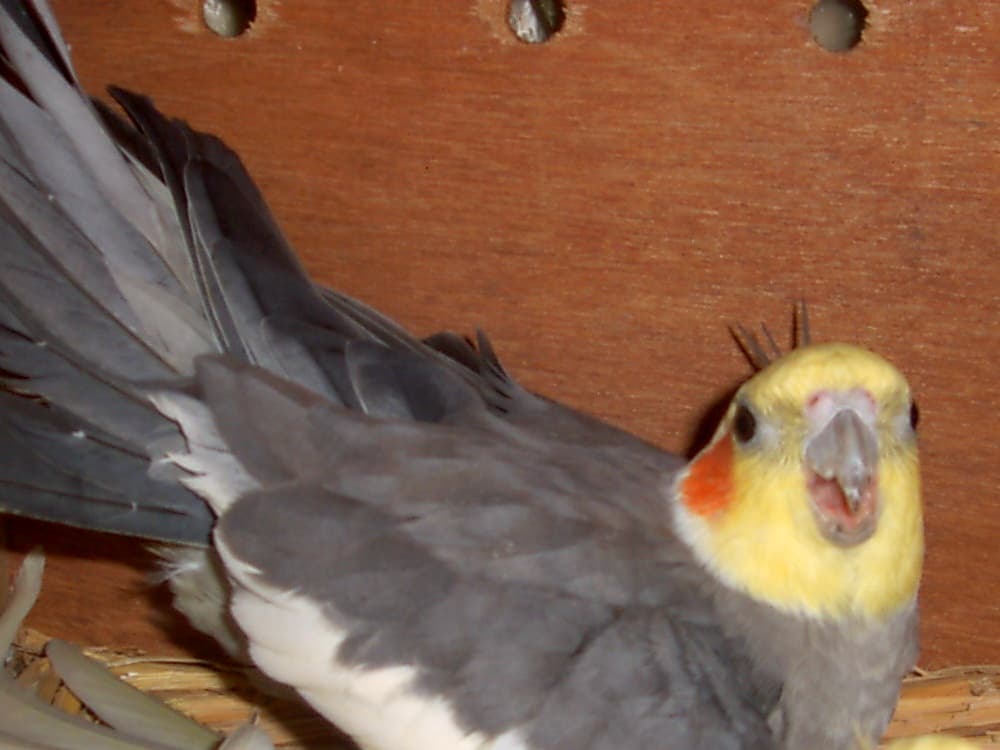
Normal Grey Cockatiel · Lutino Cockatiel · Pied Cockatiel
Whistling crested companion that loves head scratches
A step up from a budgie: bigger, cuddlier, and a brilliant whistler (males learn full tunes). Needs 1–2 hours out of the cage daily and produces powder-down dust.
Photo: Wikimedia Commons / annycheng / CC BY-SA 3.0
Care guide last reviewed: · Care requirements referenced from veterinary and humane standards.
Large flight cage; 1–2 hours supervised out-of-cage time daily.
Vocal (4/5)
Misses company — best with someone home often
Thrives with daily company
Three curated supplies researched for this companion's specific anatomy and daily welfare

Cockatiels have an instinctual urge to pick and shred fibrous material; all-natural woven palm and abaca toys satisfy foraging drives and prevent feather plucking.
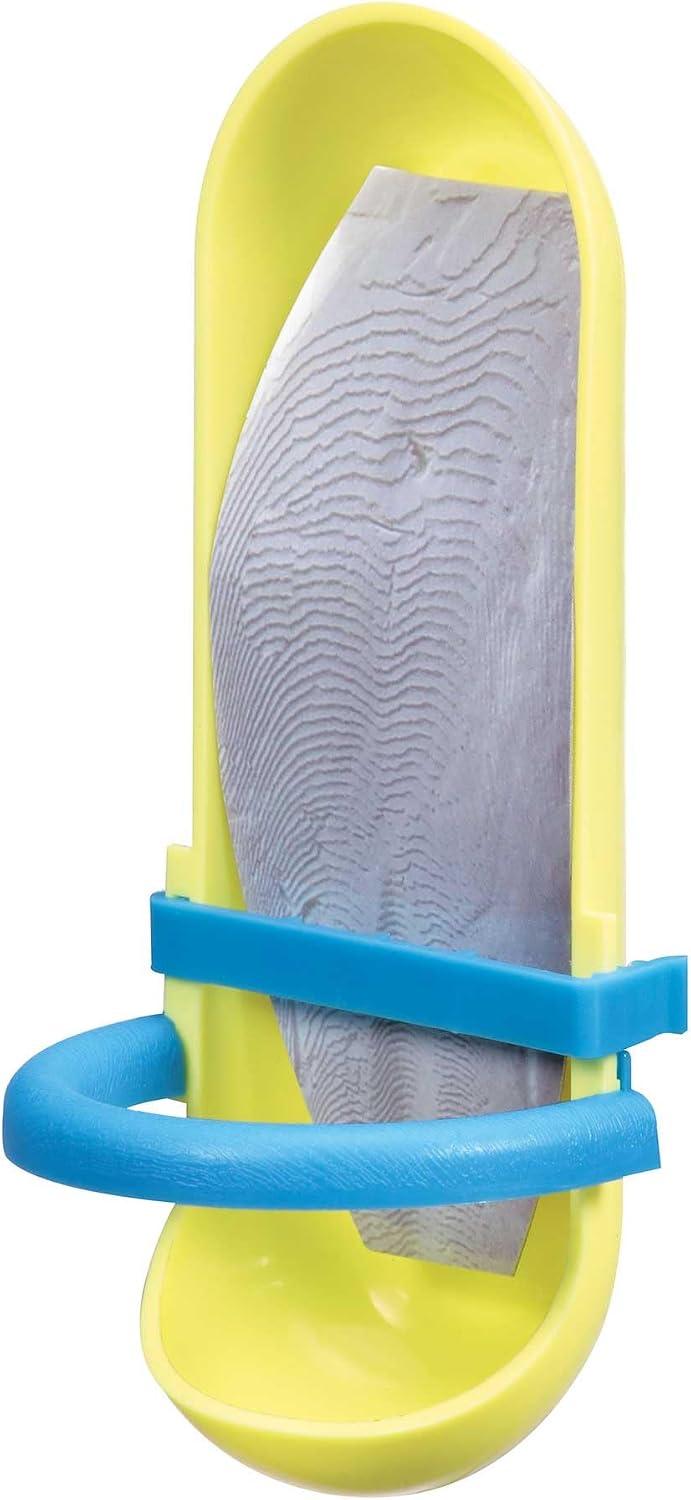
Female cockatiels are prone to chronic egg-laying and egg-binding; cuttlebone provides bio-available calcium while trimming beak keratin naturally.

Cockatiels frequently thrash and break blood feathers from "night frights"; breathable blackout covers block sudden headlight sweeps and shadows.
As an Amazon Associate, WhatPetSuitsYou earns from qualifying purchases. Product prices and availability are accurate at Amazon and subject to change.
A cockatiel as a pet is a crested companion that begs for head scratches, rides shoulders, and whistles household tunes back at you, with males the star singers. They are gentle enough for supervised school-age children and bond deeply without the intensity of a conure.
The honest trade-offs are constant fine powder-down dust coating nearby surfaces, loud contact calls when lonely, and theatrical night frights needing a night light. They need one to two hours out of the cage daily and live 15 to 20 years, so this is a long, dusty, musical friendship.
Feed a cockatiel-formulated pellet as 60 to 70 percent of the diet, with fresh vegetables making up most of the rest. Offer dark leafy greens, broccoli, carrot, sweet potato, bell pepper, peas, and corn daily, since cockatiels are prone to vitamin A deficiency on seed diets, plus small fruit portions a few times weekly. Keep seeds and millet spray as treats under 10 percent of intake.
Supply a cuttlebone for calcium, especially for hens, and change filtered water daily. Never feed avocado, chocolate, caffeine, alcohol, onion, or salty snacks, and discard uneaten fresh food within a few hours.
House one cockatiel in a cage at least 24 inches long, 24 wide, and 30 high, bigger always better, with bar spacing of half an inch or less and horizontal bars for climbing. Add natural wood perches of several diameters, a swing, foraging and shreddable toys, and a shallow bath dish. Place the cage in a bright living area at 65 to 80 degrees away from kitchens and drafts.
Because cockatiels suffer night frights, fit a dim night light nearby and use a breathable partial cover for 10 to 12 hours of sleep. Expect fine powder-down dust on nearby furniture and run an air purifier for allergy-prone homes.
Allow 60 to 90 minutes daily. Mornings mean fresh pellets, chopped vegetables, clean water, and fresh cage paper, plus a droppings check. Provide one to two hours of supervised out-of-cage time on shoulders and play stands, with whistle practice, since males learn whole tunes through daily musical repetition.
Mist-bathe or offer a bath dish twice weekly to control dust and condition feathers. Spot-clean dishes midweek and do a full weekly cage wash. Weigh monthly, trim nails as needed, and keep a small night light on to cut night-fright panic.
See an avian vet annually, around 90 to 180 dollars. Cockatiels are famous for night frights, thrashing blindly at sounds or shadows and breaking blood feathers, so keep styptic powder on hand and call the vet for bleeding past two to three minutes. Other risks include chronic egg laying and binding in hens, respiratory infections, psittacosis, giardia, fatty liver on seed diets, and lutino-related health weaknesses.
Persistent screaming, plucking, tail bobbing, or fluffed daytime sleeping all deserve prompt exams. Never house with cats unsupervised.
A hand-raised cockatiel costs 100 to 250 dollars depending on mutation. A large flight cage runs 120 to 250 dollars, with perches, toys, bath, cover, carrier, and night light adding 60 to 100. Monthly costs stay low: pellets, seed treats, and produce 15 to 30 dollars, plus 5 to 10 dollars for shreddable toy replacements.
The annual vet exam is 100 to 180 dollars. Expect 30 to 50 dollars a month overall, in the Low tier, with the bird itself and cage as the main outlay.
Cockatiels suit patient first-time bird owners who are home most of the day, love music, and want an affectionate shoulder bird for 15 to 20 years. They forgive beginner mistakes better than conures and their whistling charms whole families.
They fail in silent apartments, since lonely birds emit loud contact calls, in homes with asthma or dust allergies because of powder-down, and with owners gone all day. If you want a gentle, whistling companion and can give one to two hours daily, this is the classic step up from a budgie.
Most cockatiels are brilliant whistlers rather than talkers. Males learn full tunes, doorbells, and microwave beeps with daily repetition, and some pick up a few words.
If you want conversation choose a budgie; if you want a bird that performs your favorite songs, choose a cockatiel.
Night frights are blind panic episodes where a sleeping cockatiel thrashes into cage bars, sometimes breaking blood feathers. Use a dim night light, a breathable partial cover, and a quiet draft-free spot.
After an episode, turn on lights, speak softly, check for bleeding, and keep styptic powder ready.
They can be. Cockatiels produce abundant powder-down feather dust that coats furniture and irritates asthma and allergies.
Daily misting, weekly cleaning, good ventilation, and an air purifier help, but severely allergic or asthmatic households should choose a non-powder species instead.
Plan on 60 to 90 minutes of direct interaction plus one to two hours of supervised out-of-cage time. Birds left alone all day scream, pluck, or withdraw.
A second cockatiel helps working owners, though bonded pairs whistle less to people.
Take our free 15-question what pet should I get quiz to get a personalized compatibility score and see how they match your living environment.
Take the Free Pet Quiz