Loading…
Loading…
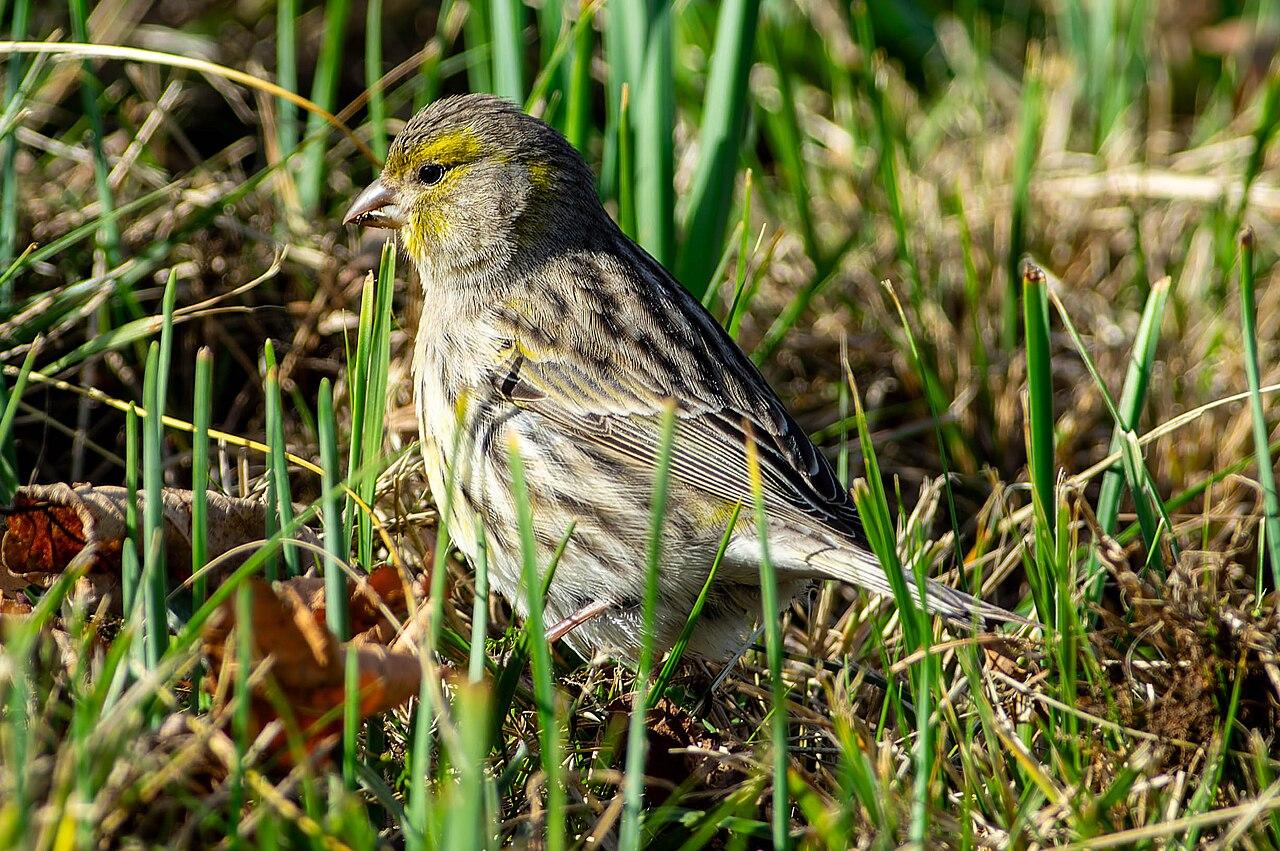
American Singer Canary · Border Canary · Gloster Canary
Living song — beautiful voice, hands-off care
For music without mess-handling: male canaries sing gloriously, need only a roomy cage, fresh seed, and greens. A watch-and-listen bird, not a cuddler.
Photo: Wikimedia Commons / Hobbyfotowiki / CC0
Care guide last reviewed: · Care requirements referenced from veterinary and humane standards.
Roomy cage in a bright, draft-free spot.
Moderate (3/5)
Independent — fine with long quiet stretches
Content with independent time
Three curated supplies researched for this companion's specific anatomy and daily welfare
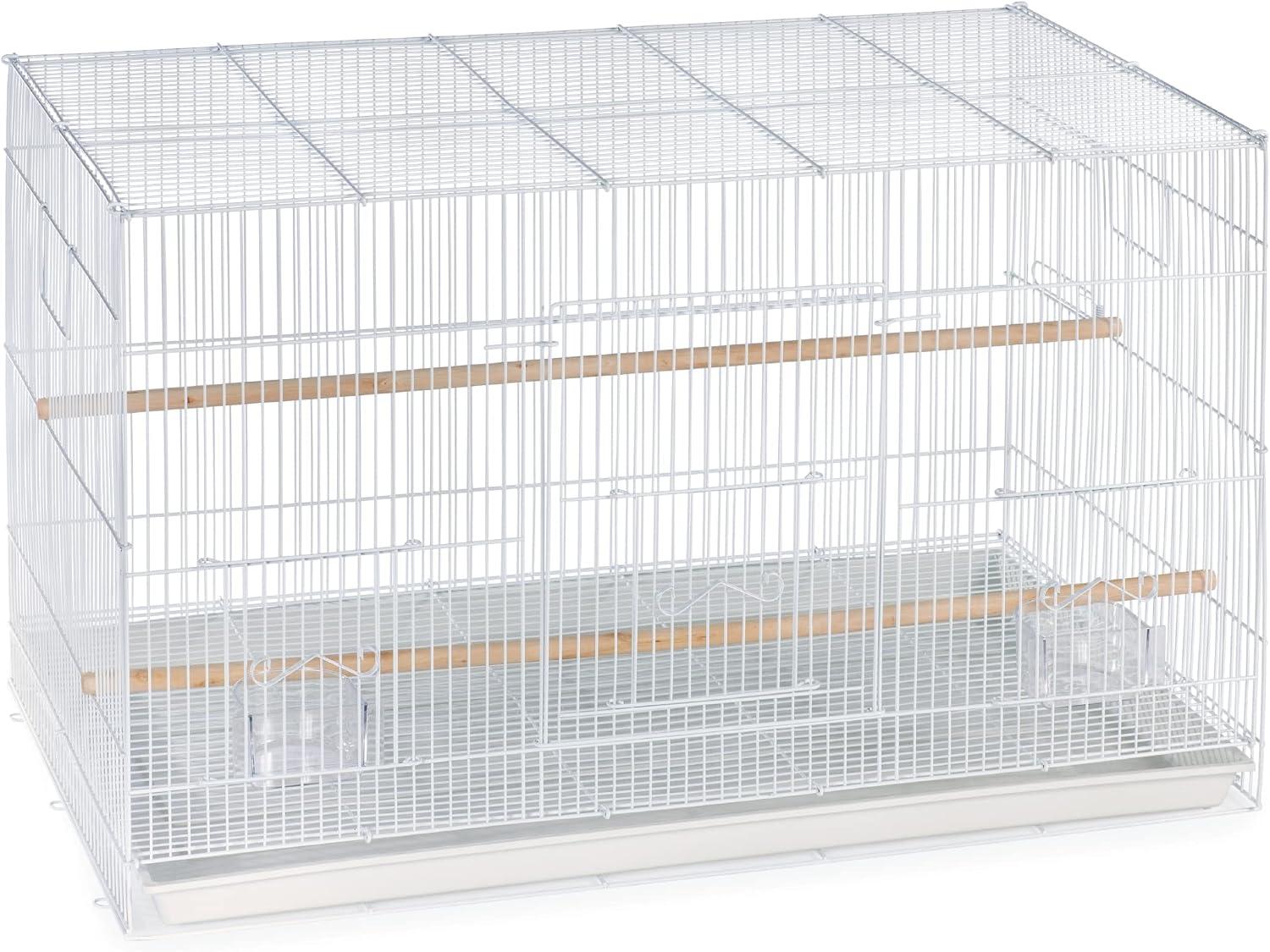
Canaries cannot climb bars like parrots and must exercise strictly by flying back and forth; extra-wide flight cages support cardiovascular health and song stamina.
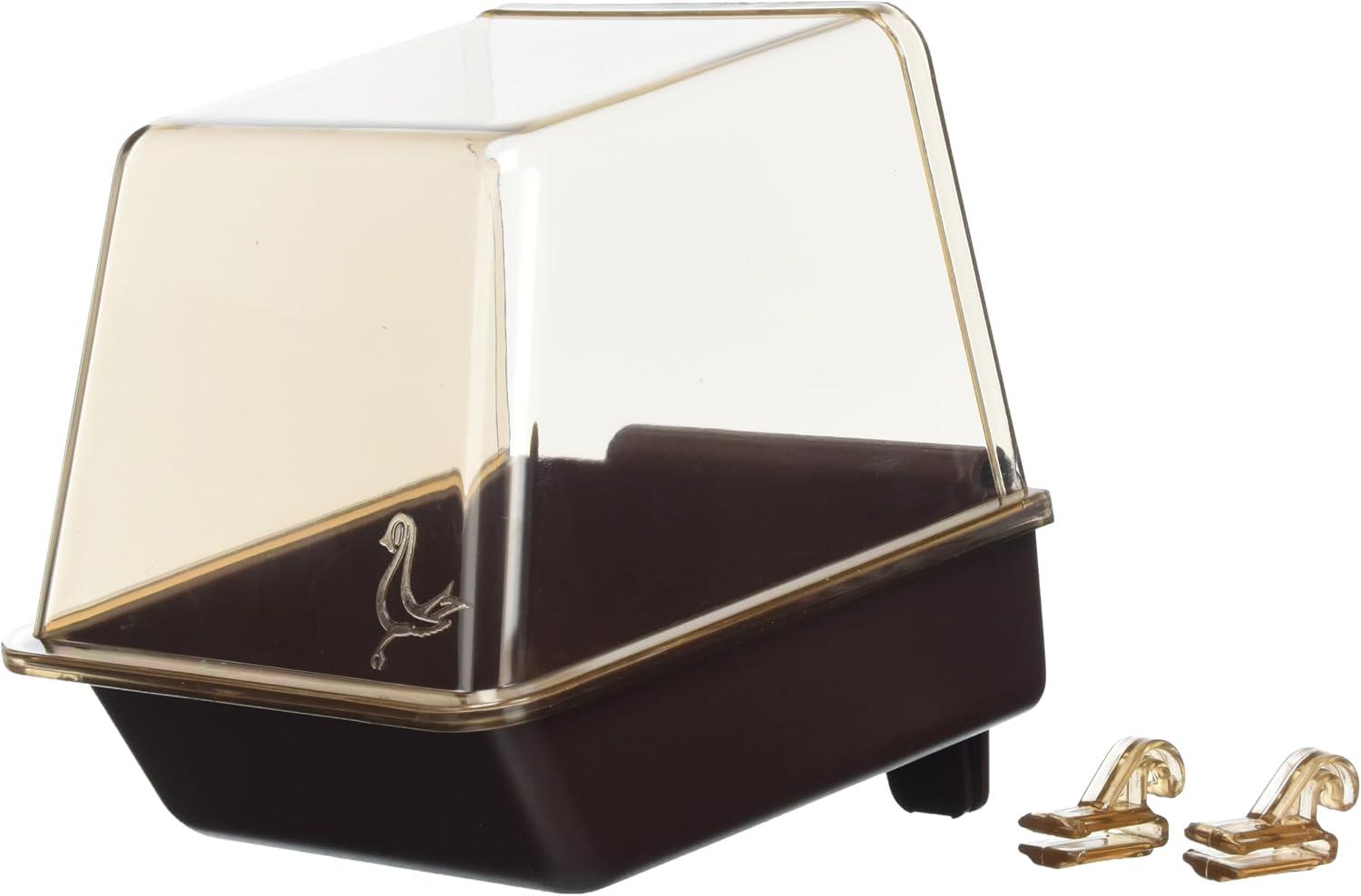
Canaries bathe daily to condition delicate flight plumage; enclosed splash-proof baths hook into standard cage doors without soaking surrounding cage bedding.

Molting and singing require immense metabolic energy; real whole egg protein and amino acids ensure smooth feather regeneration and vocal strength.
As an Amazon Associate, WhatPetSuitsYou earns from qualifying purchases. Product prices and availability are accurate at Amazon and subject to change.
A canary bird as a pet is a watch-and-listen companion, not a cuddler. Only mature males sing full elaborate songs, starting around six months old, while females produce soft chirps, so buy from a breeder who lets you hear the bird first. Males are territorial and sing best housed alone, though they enjoy hearing other birds nearby; two males caged together will fight.
Canaries do not crave handling and most never tame to the shoulder, but hand-raised birds take food from fingers. Expect cheerful daytime song, scattered seed husks, and a low-demand bird content while you work.
Build the diet on a quality canary pellet or fortified canary seed mix of canary seed, rapeseed, and millets, making pellets 60 to 70 percent of intake where accepted, since all-seed diets cause fatty liver and vitamin deficiency. Add dark leafy greens daily, such as kale, spinach, broccoli, dandelion leaves, and grated carrot, plus small pieces of apple, pear, or berries a few times weekly. Offer egg food or mashed hard-boiled egg twice weekly, daily during molt and breeding, for protein.
Keep a cuttlebone available for calcium and change filtered water daily. Never feed avocado, chocolate, caffeine, alcohol, or fruit seeds.
Give a single canary bird as a pet a long flight cage at least 18 inches long, 14 wide, and 18 high, though 24 inches or longer lets it fly properly between perches. Bar spacing must be three-eighths of an inch or less. Mount two or three perches of varying diameters at opposite ends to encourage flight, avoiding sandpaper covers, and add a swing, a birdbath, and a few foraging toys.
Place the cage off the floor in a bright, draft-free spot at normal room temperature with 10 to 12 hours of quiet dark sleep. House males singly for the best song, never two males together, and skip mirrors, which can suppress singing.
Daily care takes 20 to 30 minutes. Each morning refresh seed or pellets, clip in fresh greens, change water, clean the bath, and replace the cage paper so droppings stay easy to monitor. Spend a few minutes observing: bright eyes, smooth feathers, active hopping, and singing in males all signal health.
Once weekly, scrub dishes and perches, wash the tray and grate, and rotate a toy. During the summer molt, add extra egg food, keep handling minimal, and expect silence for several weeks. Trim nails every few months or have the vet do it.
Canaries are hardy but hide illness, so schedule an avian vet checkup yearly, usually 80 to 150 dollars. Common problems include air-sac mites causing clicking breathing and tail bobbing, scaly leg mites, egg binding in hens, feather cysts in some type breeds, and respiratory infections from drafts or fumes.
A male that stops singing outside molt season, sits fluffed for a full day, eats less, or shows discharge around eyes or vent needs a vet promptly. Boost nutrition during molt, never medicate the water without diagnosis, and quarantine new birds for 30 days before housing nearby.
A pet-shop canary bird as a pet typically costs 25 to 75 dollars, while proven song breeds like American Singers, German Rollers, or Waterslagers run 75 to 150 dollars from breeders. A proper flight cage costs 60 to 120 dollars, with dishes, perches, bath, cover, and carrier adding 40 to 60.
Running costs are low: seed or pellets plus greens and egg food total 10 to 20 dollars a month, with an annual vet exam around 100 dollars. Expect 15 to 25 dollars a month, firmly in the Low tier.
The canary is one of the best beginner birds for someone who wants music and beauty without handling. Music lovers, busy workers, and apartment dwellers who accept daytime song will love a male singer that asks only for fresh food, a clean flight cage, and a bright window.
It is the wrong pet for children wanting a cuddly bird, anyone seeking talking or tricks, or households wanting silence, since a good male sings for hours in breeding season. Buy the male for song, the female for quiet company, and enjoy a 10 to 15 year companion.
A canary bird as a pet is ideal if you want beautiful song without handling demands. Males sing for hours, care takes under 30 minutes daily, and they thrive alone in a flight cage.
They are a poor choice if you want cuddling, talking, or tricks, since canaries are strictly hands-off birds.
No. Canaries are among the few pet finches content living singly, and males sing most when housed alone.
Never cage two males together or they will fight. Same-sex female groups or opposite-sex pairs can work in a large flight cage, but a lone male with human company nearby is perfectly happy.
Silence during the summer molt is completely normal and lasts several weeks while feathers regrow. Outside molt, check for illness, poor diet, short daylight, stress from moves or mirrors, or a nearby dominant male.
If silence comes with fluffed feathers, appetite loss, or tail bobbing, see an avian vet.
With a pellet-supplemented diet, greens, clean housing, and vet care, pet canaries commonly live 10 to 15 years, occasionally over 20. Seed-only diets, drafts, fumes, and untreated mites shorten that sharply.
Their decade-plus lifespan surprises many first-time buyers. Choose a young song-bred male for the longest singing years.
Take our free 15-question what pet should I get quiz to get a personalized compatibility score and see how they match your living environment.
Take the Free Pet Quiz