Loading…
Loading…
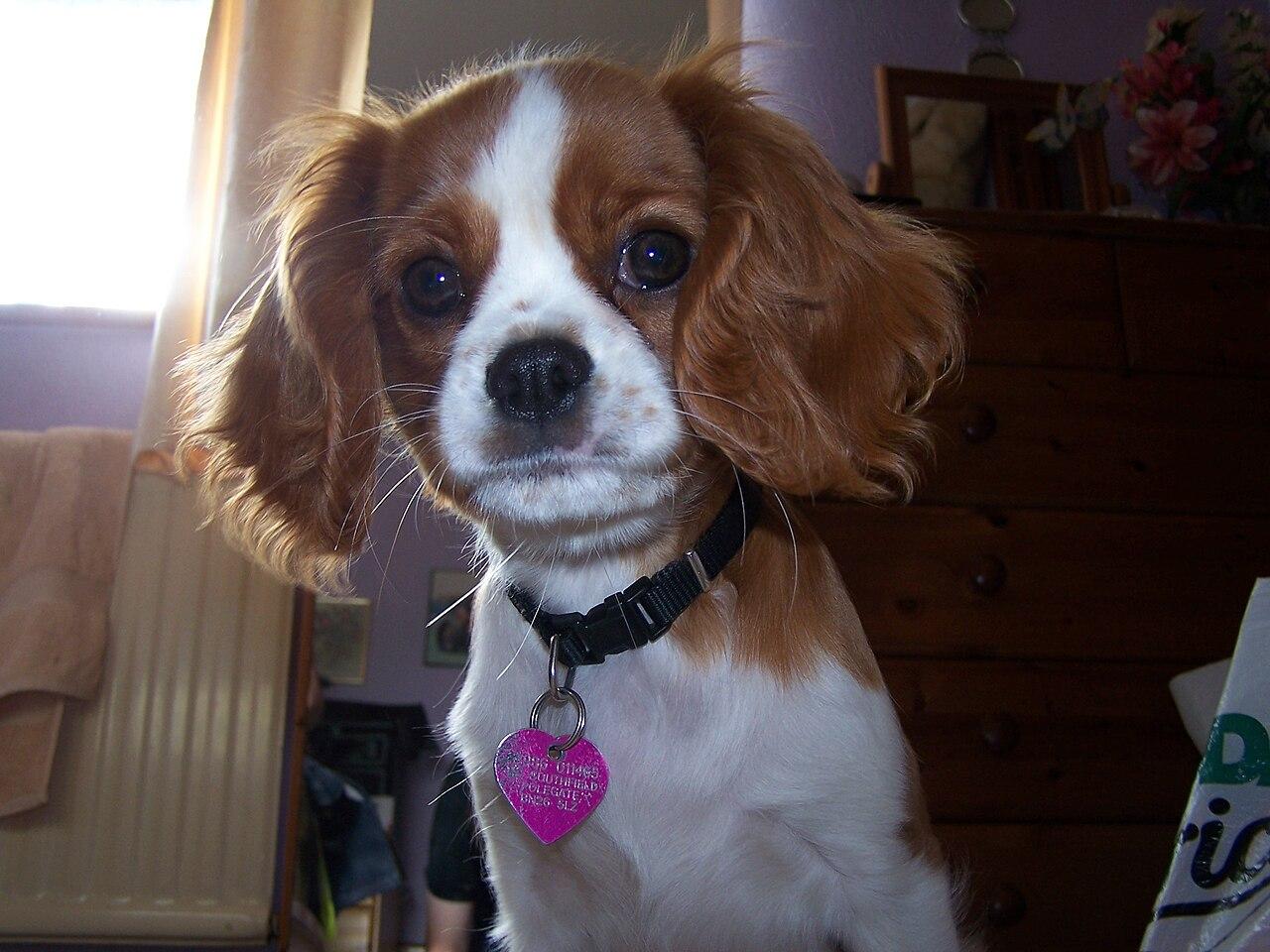
Blenheim Cavalier · Tricolour Cavalier · Ruby Cavalier
The gentle people-pleaser — happy everywhere you are
Bred purely for companionship: sweet with kids, cats, and strangers, and equally happy on a hike or a cushion. The trade-off is health — hearts need monitoring — and a coat that sheds and mats without brushing.
Photo: Wikimedia Commons / Ashley Mewett / Public domain
Care guide last reviewed: · Care requirements referenced from veterinary and humane standards.
Any home with company; hates being left alone all day.
Quiet (2/5)
Cannot be left alone long — needs company most of the day
Thrives with daily company
Three curated supplies researched for this companion's specific anatomy and daily welfare
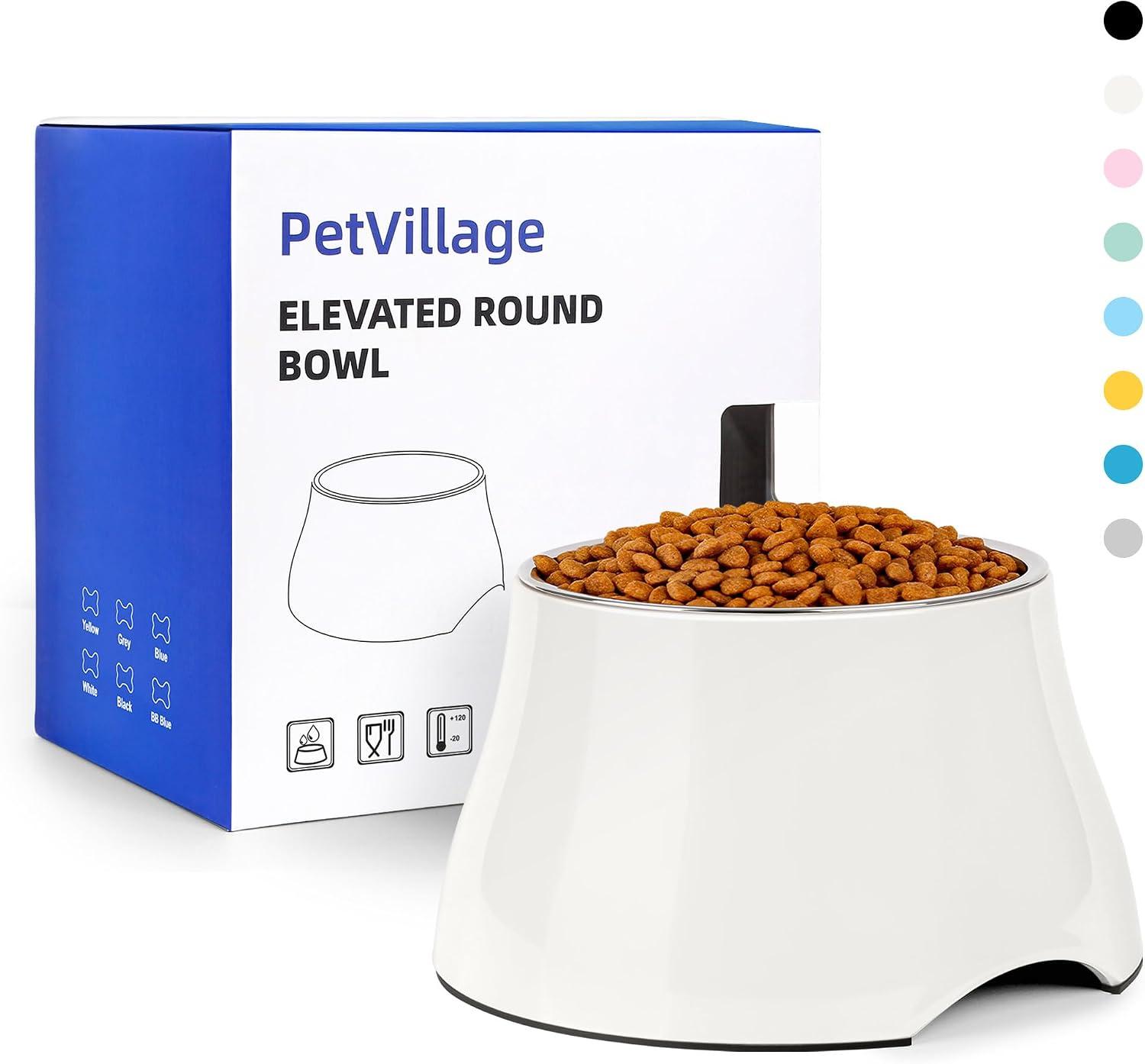
Cavaliers have long, luxurious pendulous ear feathers that drag into water and food bowls; a narrow-rimmed conical bowl keeps ears clean and dry.

Over half of all Cavaliers develop mitral valve disease (MVD) by age 5; concentrated EPA/DHA fatty acids support heart muscle elasticity and vascular health.

Large soulful Cavalier eyes frequently produce excessive tear overflow (epiphora); gentle pre-soaked wipes prevent red iron pigment staining and irritation.
As an Amazon Associate, WhatPetSuitsYou earns from qualifying purchases. Product prices and availability are accurate at Amazon and subject to change.
As a pet, the Cavalier is pure velvet companionship: it melts onto laps, sleeps touching you, greets everyone as a friend, plays gently with children and cats, and adapts from city flat to country walk without complaint. Noise is low — soft barks and wistful whines rather than alarms. Shedding and matting are the honest price of the silk coat.
It needs people constantly and follows you room to room; left alone all day it howls, paces, and chews. Give it company, moderate walks, and ear rubs, and you get the gentlest, most universally lovable small dog in these guides — with a heart, medically and emotionally, that needs lifelong watching.
Feed a complete small-breed adult food in two measured meals daily — most 13 to 18 lb Cavaliers need roughly 400 to 550 calories, or about 1 to 1.5 cups of standard kibble — with treats under 10 percent. Cavaliers gain weight sweetly and silently, and every extra kilo strains a heart already at breed-wide risk, so weigh monthly and cut portions at the first lost waist. Puppies need 3 small meals until 6 months.
Add vet-approved omega-3s for the silky coat and consider dental-support kibble or chews, since small jaws crowd teeth. Avoid chocolate, grapes, raisins, onions, garlic, xylitol, cooked bones, and fatty scraps. Ask your vet about heart-aware sodium levels once any murmur appears.
Any home fits — flat or house — provided someone is in it most of the day: Cavaliers are the least solitude-tolerant small breed here and pine loudly when left 8 or more hours. Set up a grooming station with slicker brush, comb, and ear cleaner (long ears trap moisture and mat), plus a crate or cosy bed in the family room as a rest den.
Fence gardens to chest height and fit a harness for walks — recall is unreliable when a spaniel nose finds a scent. Provide warm bedding for the thin single-layer feathering in winter, baby gates for puppies, and non-slip rugs for seniors whose hearts and joints slow them early.
Give 45 to 60 minutes daily: a 30 to 40 minute walk with sniffing time plus 10 to 15 minutes of gentle fetch or trick training — Cavaliers are sporty enough for hikes yet content with park laps. Brush the feathered coat 3 to 4 times a week (daily behind ears, legs, and tail where mats form), check ears weekly for smell or head-shaking, brush teeth several times weekly, and trim nails monthly. Puppies need toilet breaks every 2 hours and early alone-time training in tiny increments to prevent separation anxiety.
Bathe every 4 to 6 weeks. Total hands-on time: about an hour daily, happily spent — Cavaliers make every chore feel like cuddling.
Annual vet checks with stethoscope heart grading are non-negotiable — mitral valve disease is the leading cause of death in Cavaliers, with most developing a murmur by middle age. Ask breeders for Kennel Club heart-scheme certificates, eye certificates, and MRI-based syringomyelia (Chiari-like malformation) screening: scratching at the neck, yelping when touched, or face-rubbing needs neurological workup. Report new murmurs, coughing, breathlessness, fainting, or exercise intolerance fast — modern heart drugs extend good life years when started early.
Expect ear infections, patella checks, and dental care. Insure comprehensively from puppyhood; cardiac workups and MRIs are costly.
Budget $120 to $200 a month: $35 to $55 for food and treats, $25 to $40 for prevention and amortised vaccines, $25 to $45 amortised for grooming (professional sessions $45 to $70 every 6 to 8 weeks plus home tools), and $35 to $60 for insurance — buy the best cardiac coverage you can afford. First year runs $1,800 to $2,800 with vaccines, spay or neuter, crate, and training class.
The long-term cost driver is heart disease: echocardiograms ($300 to $600), lifelong pimobendan and diuretics ($40 to $100 a month), and possible neurology MRIs ($1,500 to $3,000). Seniors commonly exceed $250 a month in medication and monitoring.
Cavaliers are arguably the best small dog for gentle first-time owners — soft, quiet, eager to please, wonderful with children, cats, and strangers, and trainable without experience. You will succeed if someone is home most of the day, you brush several times weekly, and you accept the breed's heart statistics with eyes open (insurance plus a cardiac-savvy vet).
Think hard if you work full days away (separation anxiety and loneliness barking follow), cannot face potentially heavy midlife vet bills, or want a guard dog or jogging partner. Buy only from breeders with heart, eye, and MRI screening — untested Cavalier puppies are heartbreak on layaway.
A leaking heart valve that thickens and degrades with age, eventually enlarging the heart toward congestive failure. It is far more common in Cavaliers than in average dogs and the breed's leading killer — most develop a murmur by middle age.
Vets grade murmurs at checkups; once confirmed, echocardiograms and drugs like pimobendan add good years. Choose breeders in the Kennel Club heart scheme and insure early.
Yes — they are among the easiest, gentlest starter dogs: quiet, affectionate, easy to train, and wonderful with kids and other pets. The two conditions are company (someone home most of the day) and honest budgeting for heart and neurological vet care.
If you work long days away or cannot face potentially serious midlife vet bills, look at sturdier small breeds instead.
Around 45 to 60 minutes daily: a 30 to 40 minute walk with sniffing plus gentle play or trick training. They are adaptable — happy on a decent hike or a park lap — but should not be couch potatoes, since fitness protects the heart.
Puppies need short sessions with rest. Always use a harness and keep recall expectations modest around squirrels.
No — they are one of the quietest breeds here, with soft reporting barks rather than sustained alarm barking. What sounds like problem vocalising is usually separation distress: whining, howling, or pacing when left alone long hours.
Fix the loneliness (company, daycare, gradual alone-training) rather than punishing the noise, and most Cavaliers stay peacefully quiet.
Take our free 15-question what pet should I get quiz to get a personalized compatibility score and see how they match your living environment.
Take the Free Pet Quiz