Loading…
Loading…
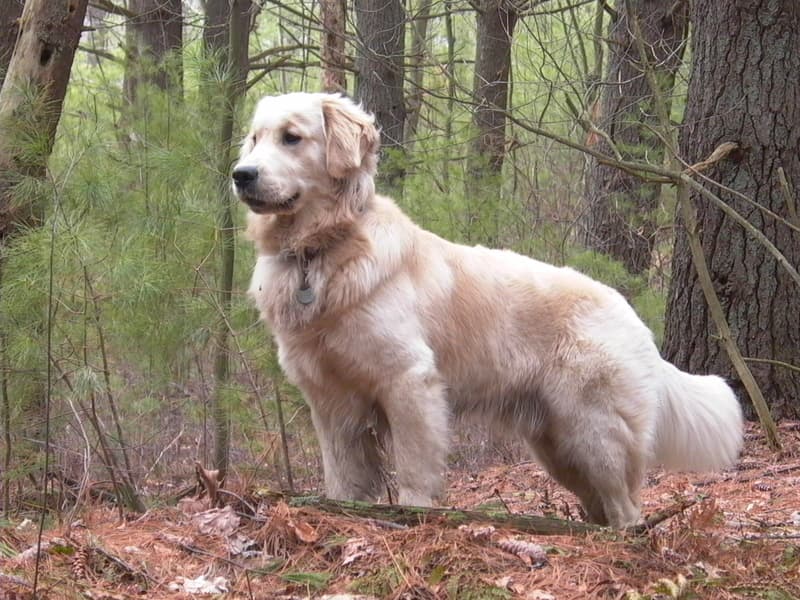
American Golden · English Cream Golden
Gentle, patient companion that adores people of all ages
Calmer than a Labrador but just as devoted. Goldens thrive on companionship and daily outdoor adventures, and their long coat needs brushing several times a week.
Photo: Wikimedia Commons / Edward / CC BY 2.0
Care guide last reviewed: · Care requirements referenced from veterinary and humane standards.
House with garden or daily park access; hates being left alone.
Moderate (3/5)
Cannot be left alone long — needs company most of the day
Thrives with daily company
Three curated supplies researched for this companion's specific anatomy and daily welfare
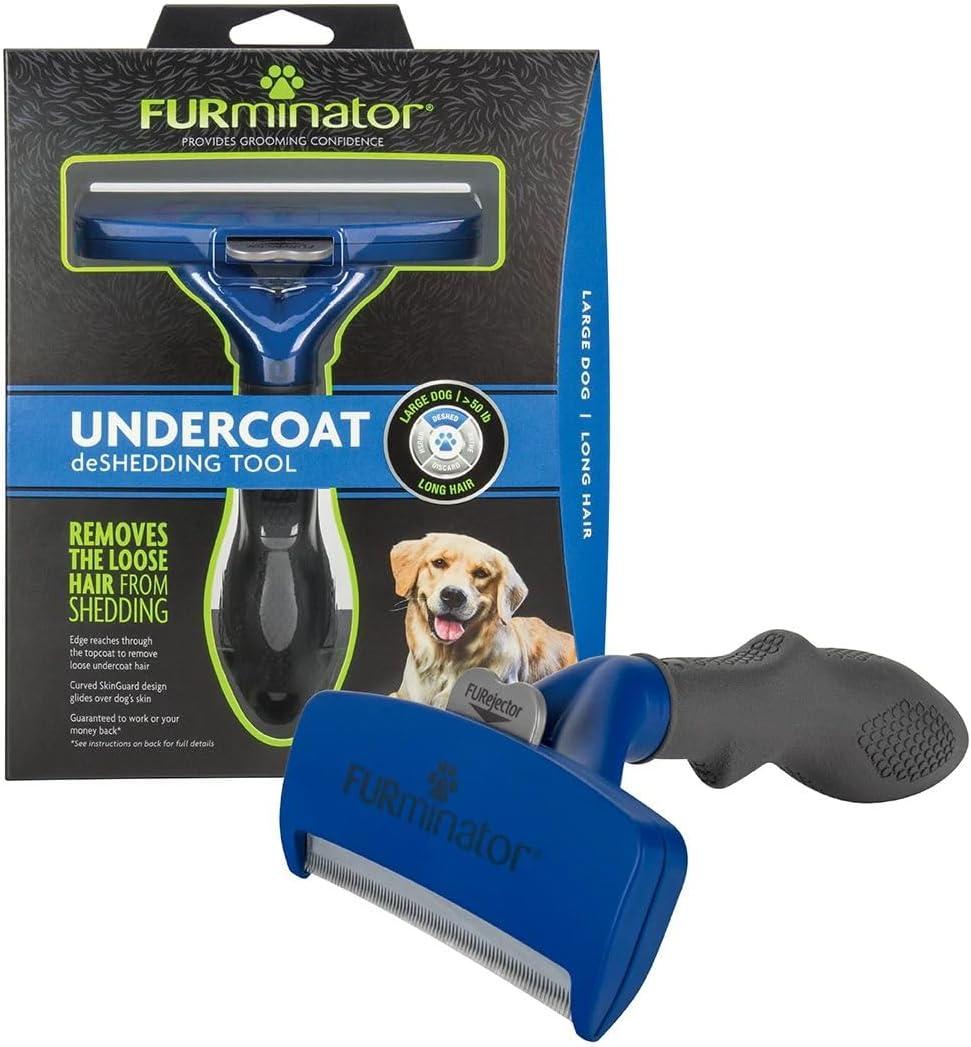
Goldens possess a dense water-repellent double coat that sheds heavily year-round; an undercoat de-shedder removes dead underfur before it mats against sensitive skin.

Prone to hip and elbow dysplasia, Golden Retrievers require clinical-grade therapeutic foam that cushions heavy joints and prevents pressure point pain.
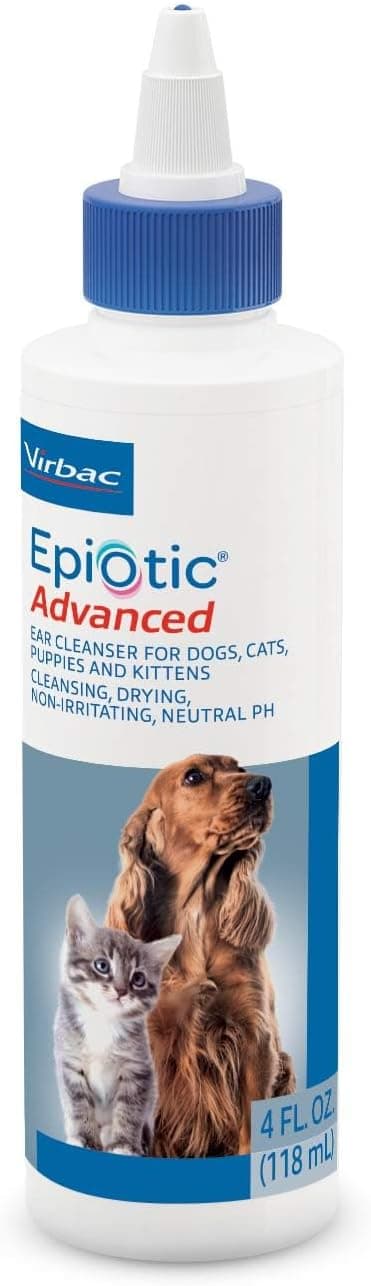
Goldens' heavy floppy ears trap moisture from swimming and humidity; regular drying rinses prevent painful yeast and bacterial otitis externa infections.
As an Amazon Associate, WhatPetSuitsYou earns from qualifying purchases. Product prices and availability are accurate at Amazon and subject to change.
As a pet, the Golden is pure companionship: it follows the family from room to room, leans against legs, lies calmly under dinner tables after exercise, and plays gently with children, cats, and visiting dogs. Noise is moderate — alert barking and excited greeting vocalisations rather than the Beagle-style serenade. Shedding is the honest price: long golden hair on clothes, sofas, and car seats year-round, plus wet-dog smell after swims.
It needs people constantly and wilts when kenneled or left 8 or more hours daily. In return you get a steady, affectionate, endlessly patient friend that slots into family routines better than almost any breed.
Feed a complete large-breed food in two measured meals daily — roughly 2 to 3 cups of kibble (about 1,200 to 1,600 calories) for a typical 55 to 75 lb adult, tuned so ribs are felt easily and a waist is visible from above. Goldens gain weight easily and extra kilos accelerate hip dysplasia and arthritis, so weigh monthly and keep treats under 10 percent of calories. Use a large-breed puppy formula until 12 to 18 months to slow skeletal growth, and avoid calcium supplements unless your vet prescribes them.
Omega-3-rich foods or vet-approved fish oil help the skin and feathered coat. Avoid chocolate, grapes, raisins, onions, garlic, xylitol, and cooked bones, and never exercise hard within an hour of meals to reduce bloat risk.
A house with a garden fits best, backed by daily access to a park, trail, or safe swimming water — Goldens are born swimmers and need space to gallop. Fence gardens securely (5 feet minimum) and provide a cool indoor resting spot with an orthopaedic bed, since heavy adults develop joint stiffness on hard floors. Set up a grooming station with a slicker brush, undercoat rake, and ear cleaner, plus a mud-room towel point: feathered legs and tails collect burrs, mud, and water after every outing.
Puppy-proof thoroughly — Goldens explore with famously soft but persistent mouths and chew shoes, remote controls, and garden plants. A crate in a family room doubles as a calm-down den for excitable adolescents.
Give 60 to 120 minutes of exercise daily: a 30 to 45 minute morning walk or jog plus an afternoon of fetch, swimming, or off-leash play, with 10 to 15 minutes of obedience or trick training since Goldens thrive on learning. Brush the feathered coat 3 to 4 times a week (10 minutes a session, daily during spring and autumn sheds), check ears weekly for yeasty smell after swims, and brush teeth several times a week.
Puppies need short play bursts, toilet breaks every 2 hours, and enforced naps — overtired Golden puppies turn into land-sharks. Plan on 2 or more hours of hands-on time daily; a lonely under-exercised Golden digs, barks, and develops separation anxiety.
See the vet within the first week, then annually, with senior checks twice yearly from age 7. Buy only from breeders with OFA or PennHIP hip and elbow certification, annual eye exams, and cardiac screening for subvalvular aortic stenosis: OFA data puts hip dysplasia near 20 percent in evaluated Goldens. The breed carries the highest cancer burden of any popular dog — hemangiosarcoma and lymphoma cause most deaths — so report any lump lasting over 2 weeks, unexplained weight loss, or sudden lethargy promptly.
Watch for hot spots and ear infections (scratch now, vet this week), hypothyroidism-related weight gain and dull coat in midlife, and cruciate tears in heavy sporty dogs. Keep weight lean and consider pet insurance early.
Budget $160 to $240 a month: $65 to $95 for large-breed food and treats, $25 to $40 for prevention and amortised vaccines, $20 to $40 for toys and chews, and $30 to $60 for grooming (a professional bath and tidy every 8 to 12 weeks plus home brushing tools). Insurance at $45 to $75 a month is wise given cancer and orthopaedic risk — cruciate surgery costs $3,000 to $5,000 and cancer treatment far more.
First year runs $2,000 to $3,200 with vaccines, spay or neuter, crate, and training classes. Seniors commonly need arthritis medication, allergy care, and lump checks, pushing monthly costs past $300.
Goldens are one of the best large dogs for gentle first-time owners who are home most of the day. Training is a joy — they learn fast, aim to please, and forgive handling mistakes — and their patience with toddlers is legendary. You will succeed if you can give 2 or more hours daily, brush several times a week, and accept heavy shedding on every surface you own.
Think twice if you work full days away (separation anxiety is common and real), want a guard dog (they welcome burglars), or cannot face the breed's cancer statistics and vet bills. Puppy adolescence (6 to 18 months) is bouncy and mouthy, so commit to a training class early.
Plan 60 to 120 minutes daily: a solid walk or jog plus a game of fetch or a swim, with training mixed in. Goldens are sporting dogs — a 10-minute stroll will not cut it, and under-exercised adolescents dig, chew, and bark.
Puppies need shorter bursts with plenty of rest while joints develop. Swimming is ideal low-impact exercise for adults with early arthritis.
Yes — heavily, year-round, with two bigger seasonal blows. The long double coat needs brushing 3 to 4 times a week (daily during sheds) plus a professional bath and feather trim every 8 to 12 weeks.
A slicker brush, undercoat rake, and a good vacuum are non-negotiable. Never shave the coat; it insulates against heat and sun.
Cancer — especially hemangiosarcoma and lymphoma — is the leading cause of death, alongside hip and elbow dysplasia, skin allergies and hot spots, ear infections, hypothyroidism, and heart valve disease. Choose breeders with hip, elbow, eye, and heart clearances, keep your dog lean, and get any persistent lump or sudden lethargy checked quickly.
Take our free 15-question what pet should I get quiz to get a personalized compatibility score and see how they match your living environment.
Take the Free Pet Quiz