Loading…
Loading…
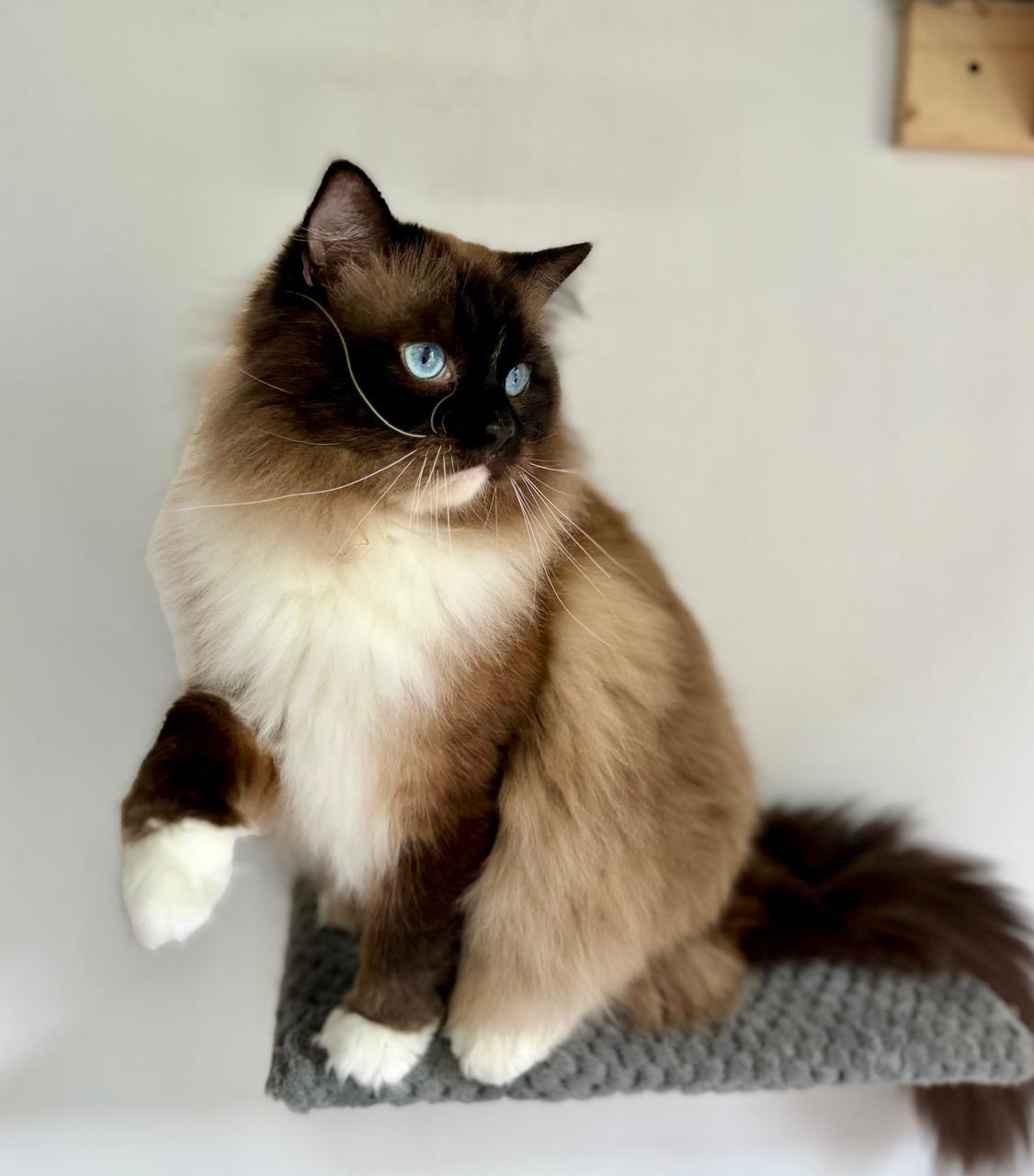
Seal Point Ragdoll · Blue Mitted Ragdoll
Floppy lap cat that goes limp with happiness in your arms
Famous for going completely relaxed when held. Ragdolls are gentle, kid-proof, and follow owners like puppies — but must stay indoors (they have no street smarts) and need company.
Photo: Wikimedia Commons / Cgomez766 / CC0
Care guide last reviewed: · Care requirements referenced from veterinary and humane standards.
Indoor-only; too trusting for free roaming.
Virtually silent (1/5)
Misses company — best with someone home often
Content with independent time
Three curated supplies researched for this companion's specific anatomy and daily welfare
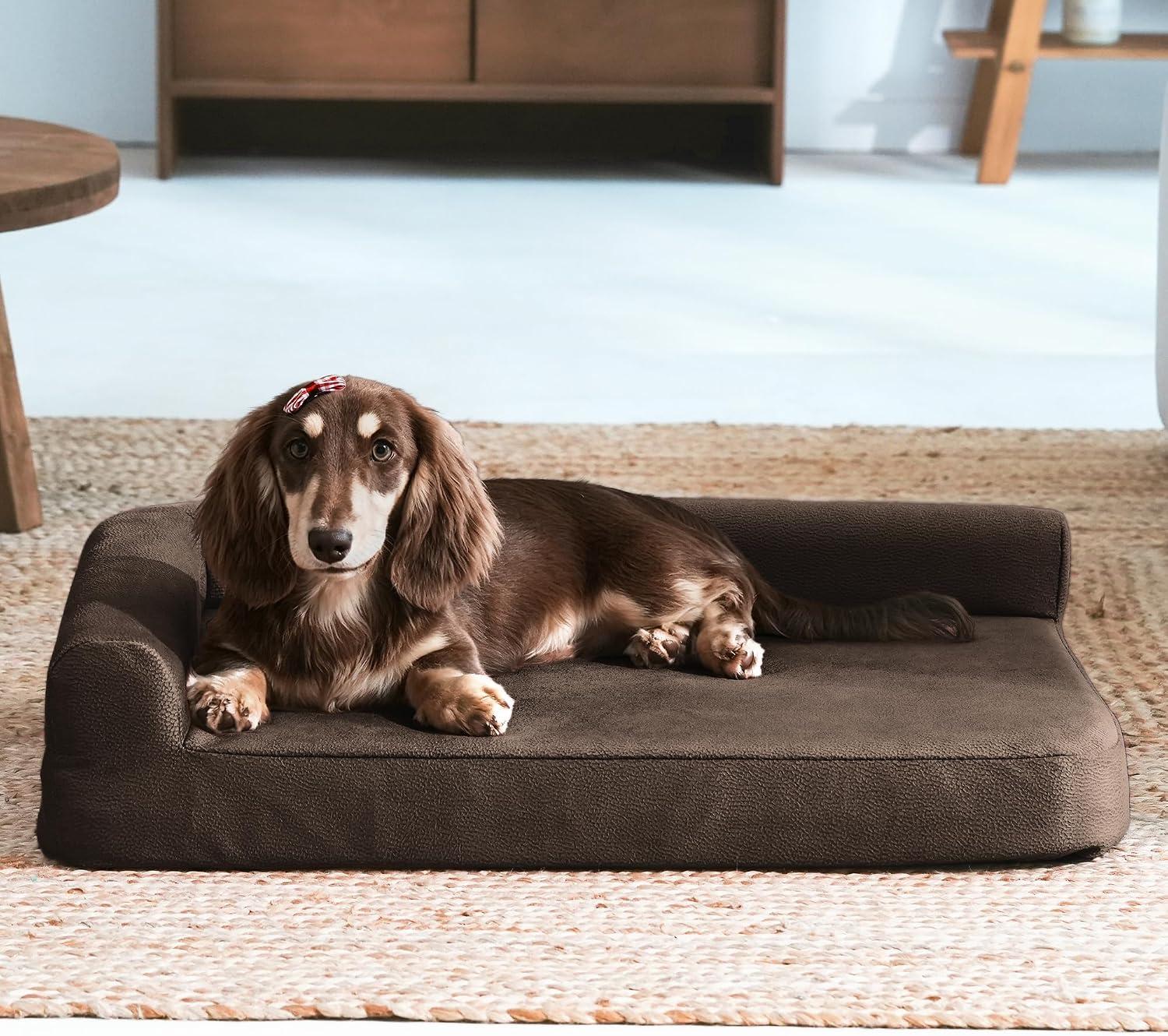
True to their name, Ragdolls completely relax their muscle tone when resting; dense memory foam supports their large frame and relaxes pressure on their hips.
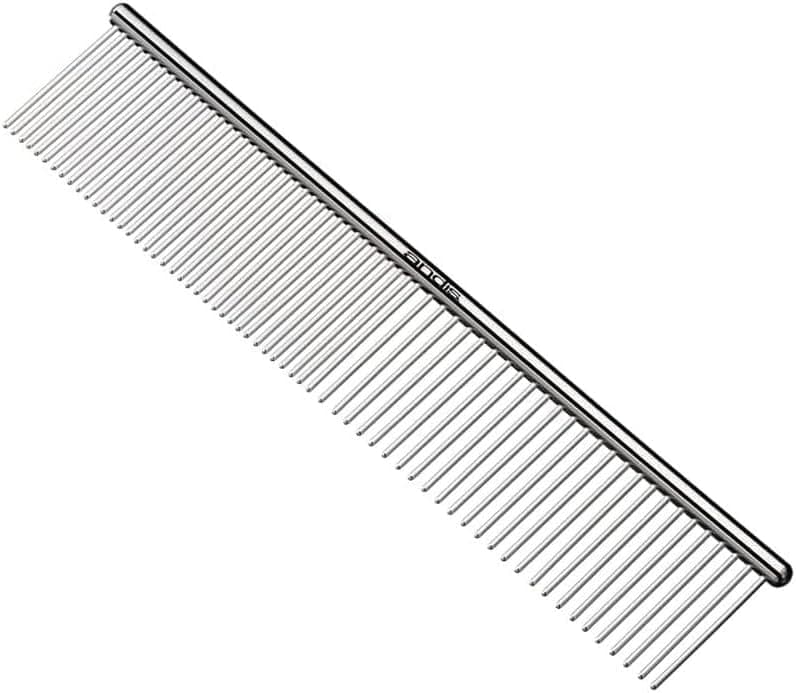
Ragdolls have plush bunny-soft semi-long fur with minimal undercoat; wide-and-narrow rounded steel tines glide smoothly to prevent static cling and knots.
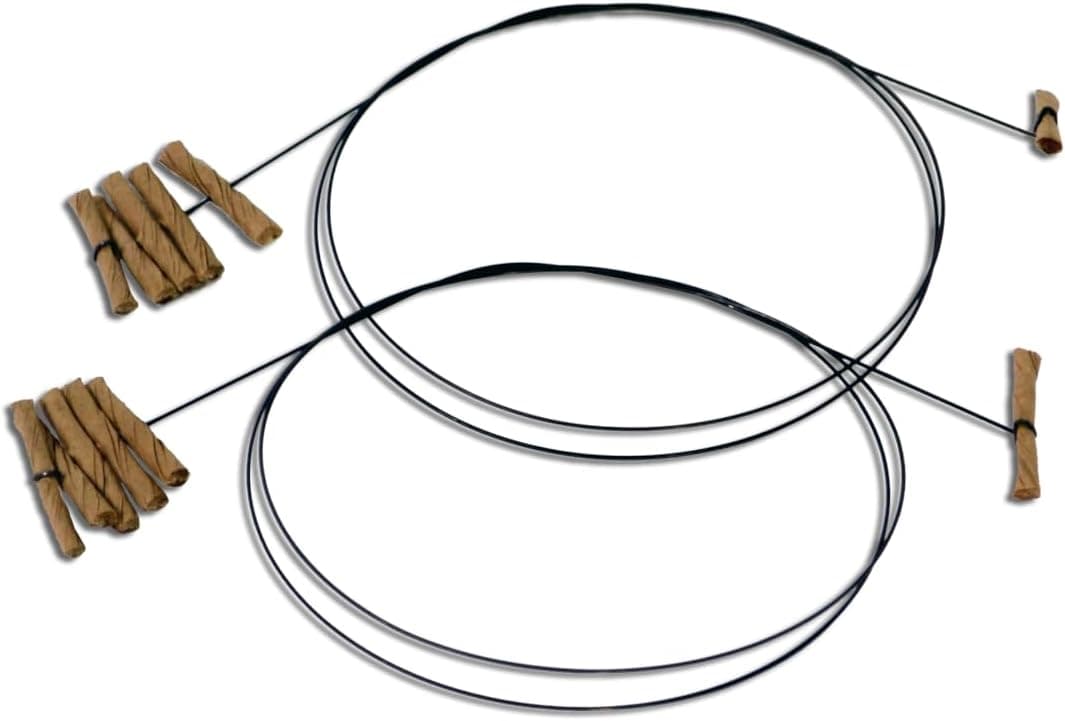
Docile Ragdolls prefer slow, subtle floor play over frantic acrobatic leaps; spring steel wire and rolled cardboard simulate real insect fluttering.
As an Amazon Associate, WhatPetSuitsYou earns from qualifying purchases. Product prices and availability are accurate at Amazon and subject to change.
Expect a soft, floppy companion that goes limp in your arms, follows you like a puppy, and greets you at the door. They are famously tolerant of children and handling, quiet-voiced, and sociable with other pets after careful introductions. The semi-long coat is silky and resists matting better than a Persian's but still needs twice-weekly brushing and sheds noticeably.
They play gently, rarely climb curtains, and prefer floor-level cuddles to high perches. The trade-off for all this softness is neediness: Ragdolls crave company, dislike closed doors, and can develop separation anxiety if routinely left alone all day.
Feed for a large, indoor, food-motivated cat: adults reach 4.5 to 9 kg and need roughly 250 to 350 kcal daily in two measured meals, with wet food prioritised for hydration and urinary health. Ragdolls gain weight easily and are prone to urinary crystals, so choose AAFCO-complete food with controlled minerals, encourage water intake with a fountain placed away from food, and cap treats at 10 percent of calories. Kittens grow for up to 4 years and stay on kitten food until 12 months.
Weigh monthly under the fluffy coat, keep a visible waist, and ask your vet about urinary-support diets if crystals recur. Never feed dog food, and keep lilies, onions, and garlic away.
Ragdolls must live strictly indoors: they are famously trusting, go limp when held, and have no street smarts. Provide one large litter box per cat plus one spare in quiet spots, tall sturdy scratching posts, and a big cat tree, since these are among the longest cats. Add a soft floor bed (many prefer low nests to high perches), a window perch for birdwatching, and puzzle feeders to keep a food-focused brain busy.
Secure windows and balconies, remove toxic plants, and consider harness training for safe garden access. Multi-cat homes work well because Ragdolls dislike solitude, but introduce newcomers slowly over 1 to 2 weeks.
Scoop litter daily and wash boxes weekly, serve two measured meals with fresh water (10 minutes), and brush the silky coat twice weekly to prevent tangles behind ears and on the belly. Play in two short 10-minute sessions with wand toys or fetch, since Ragdolls prefer gentle games to marathons. Check eyes, ears, and rear feathering during grooming, trim claws every 2 to 3 weeks, and brush teeth if tolerated.
Total care is about 45 minutes daily, plus plenty of lap time they will demand themselves. Watch litter-box habits closely: straining, tiny frequent wees, or blood are same-day vet signs in this urinary-prone breed.
Ragdolls live 13 to 18 years with two headline risks. Hypertrophic cardiomyopathy (HCM) has a breed-specific DNA test (R820W MYBPC3 mutation) plus echocardiogram screening: buy only from breeders testing both, and discuss cardiac monitoring. Feline lower urinary tract disease, including bladder stones and cystitis, is disproportionately common; wet food, water fountains, low stress, and prompt vet care for straining are the defences, and a blocked male cat is a same-day emergency.
Obesity, dental disease, and kidney disease round out the list. Annual checks with dental review and urinalysis from middle age are the gold standard, and insurance is advisable for cardiac and urinary bills.
Kittens from tested breeders cost 1,000 to 2,500. Monthly, budget 35 to 55 for quality wet-led food, 10 to 20 for litter, and 20 to 40 for insurance. Annual vet checks run 120 to 200, heart scans 300 to 600 when advised, and dental cleaning 300 to 600 every few years.
A large cat tree, carrier, and harness total around 120 one-off. Average 90 to 150 per month excluding purchase. Urinary emergencies and cardiac workups are the big-ticket risks, each potentially exceeding 1,000, so an emergency fund or solid insurance is part of responsible Ragdoll ownership.
A superb first pedigree cat for people who are home often and want a floppy, child-tolerant lap cat. You will succeed if someone is around most of the day, you keep the cat strictly indoors, and you control portions. The dealbreakers are solitude and roaming: a Ragdoll left alone 10-hour days gets lonely and depressed, ideally needs a feline companion, and must never be an outdoor cat.
Buy only from breeders with HCM DNA certificates and heart scans. If you want gentle, puppy-like devotion and can offer company, the Ragdoll repays it completely.
No, keep Ragdolls strictly indoors or in a secure catio or on a harness. They are famously trusting, go limp when picked up, and lack road sense, making them vulnerable to traffic, theft, and fights.
Indoor life with a window perch and play keeps them safe and happy.
Often yes. Ragdolls are social and prone to loneliness during long workdays, so a second cat, ideally another gentle breed, suits them well.
If you work full-time out of the house, plan for a companion or choose a more independent breed.
Brush twice a week with a steel comb, focusing behind the ears, armpits, and belly where tangles start. The silky coat resists matting but sheds seasonally, and grooming sessions double as bonding time most Ragdolls genuinely enjoy.
Straining, frequent tiny urinations, crying, or blood can signal cystitis or bladder stones, which Ragdolls are prone to. A male cat that cannot urinate at all is a same-day emergency.
See a vet promptly and increase wet food and water intake meanwhile.
Take our free 15-question what pet should I get quiz to get a personalized compatibility score and see how they match your living environment.
Take the Free Pet Quiz