Loading…
Loading…
Red Cherry Shrimp · Yellow Shrimp · Blue Dream Shrimp
Self-sustaining cleanup crew in living colour
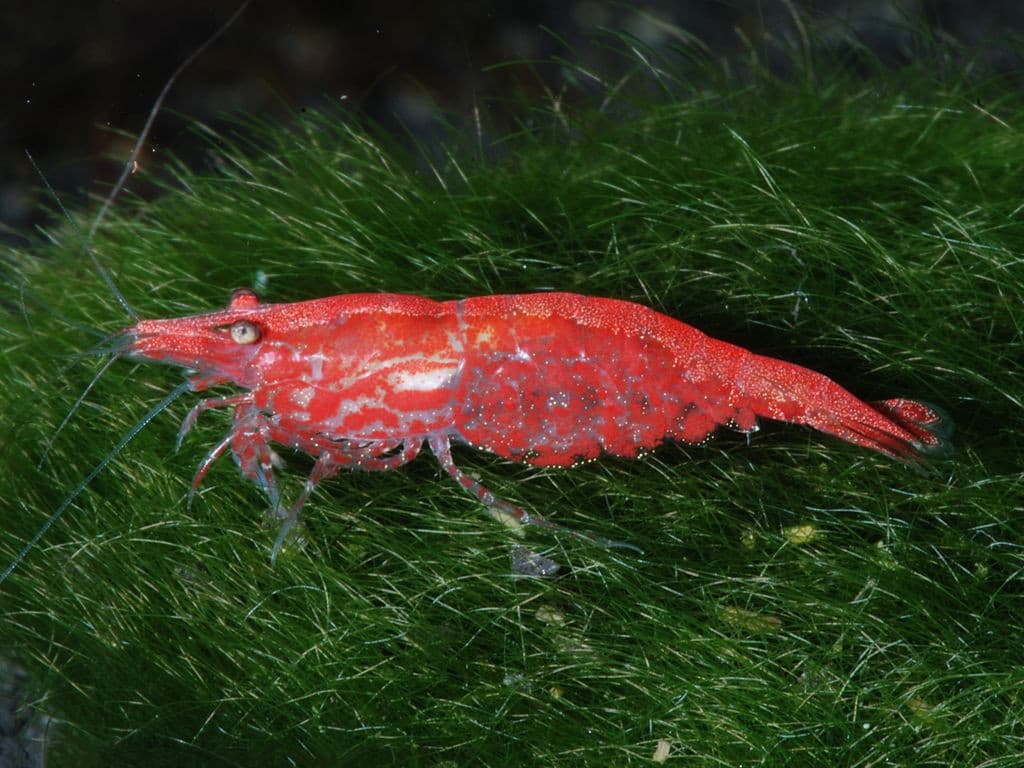
A breeding colony of bright-red shrimp that grazes algae all day in a planted nano tank. Nearly free to run, endlessly watchable — and they multiply, so one purchase becomes hundreds.
Photo: Wikimedia Commons / DirkBlankenhaus / CC BY-SA 3.0
Care guide last reviewed: · Care requirements referenced from veterinary and humane standards.
5–10 gallon planted tank; colony of 10+ to start.
Virtually silent (1/5)
Highly independent — comfortable alone 8+ hours
Thrives with daily company
Three curated supplies researched for this companion's specific anatomy and daily welfare
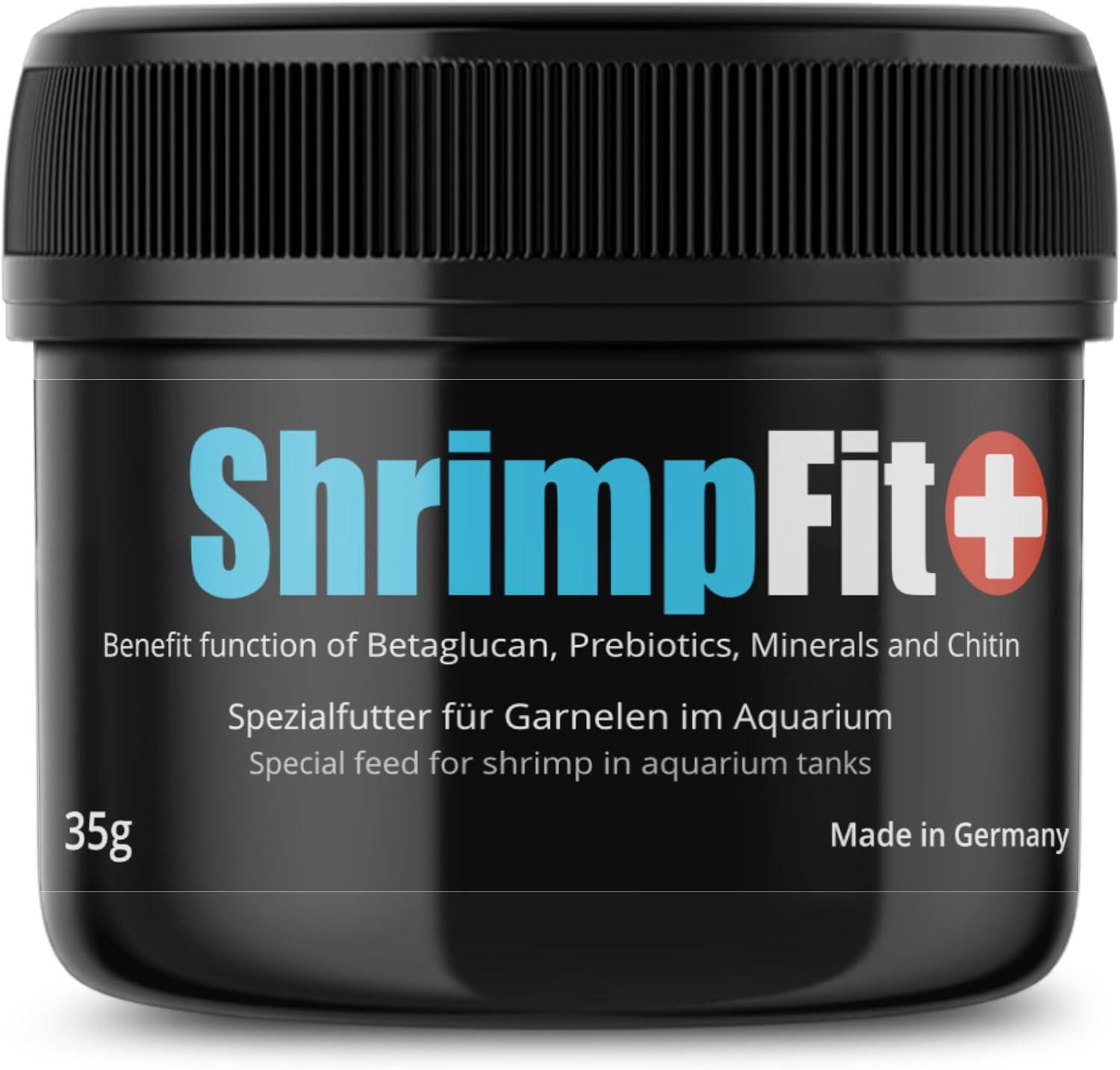
Neocaridina dwarf shrimp require bio-available calcium, minerals, and proteins to build tough carapaces and avoid fatal "white ring of death" molting failures.
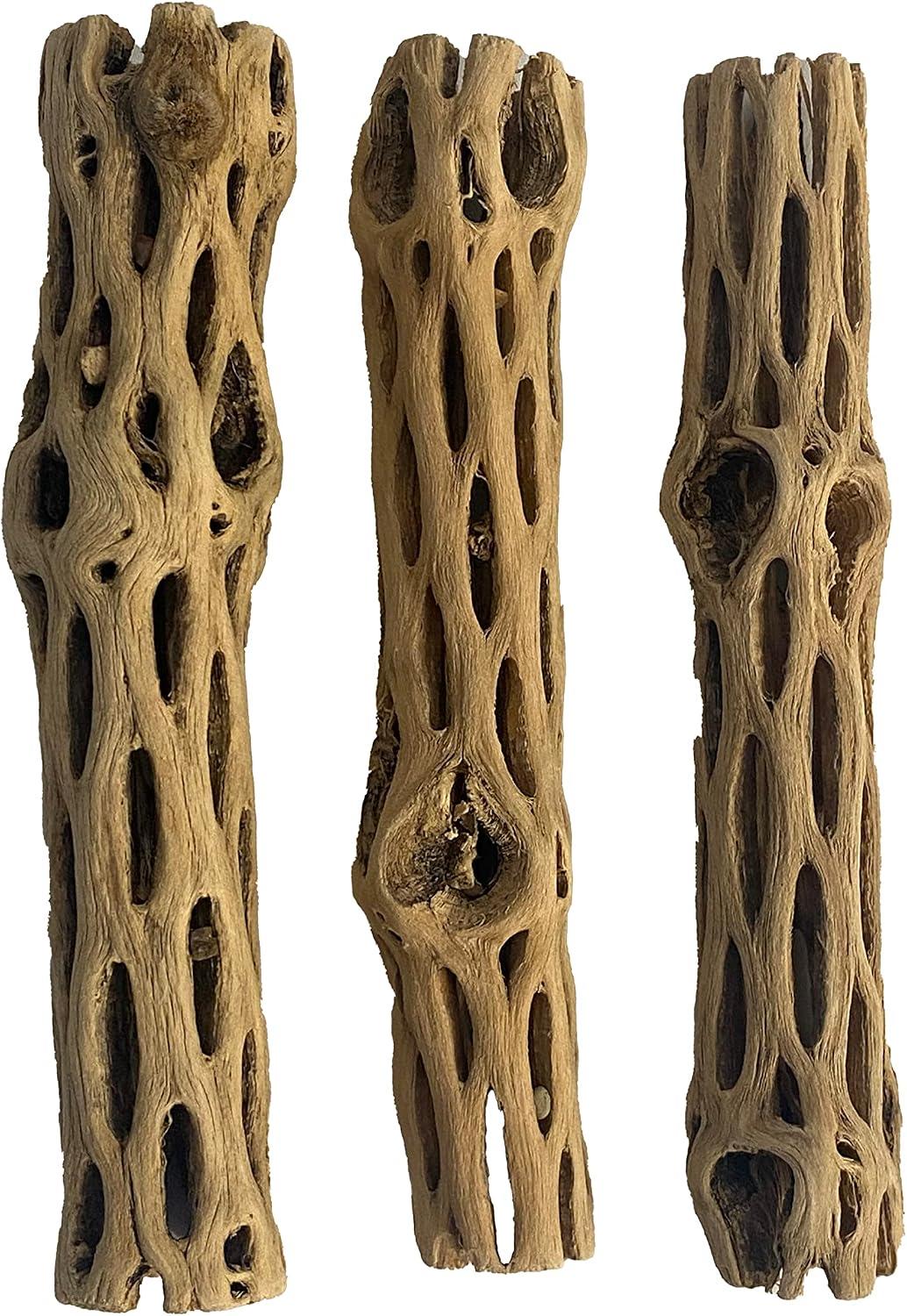
Shrimp feed round-the-clock on microbial biofilm; porous cholla cactus logs grow rich microscopic grazing pastures while offering hollow shelter during molting.
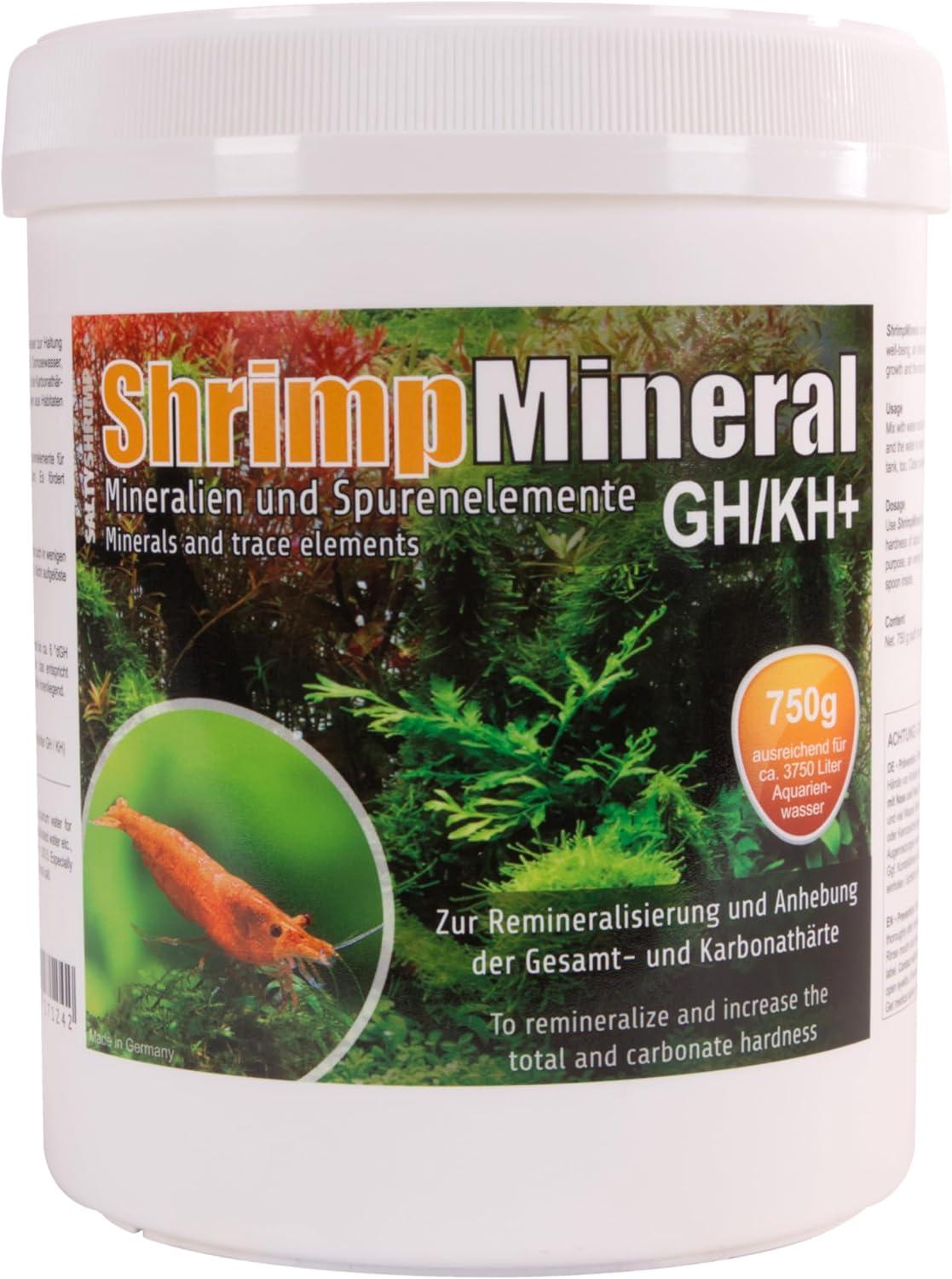
Soft tap water lacks the magnesium and carbonate hardness dwarf shrimp need to form new shells; precise mineral dosing ensures successful shedding cycles.
As an Amazon Associate, WhatPetSuitsYou earns from qualifying purchases. Product prices and availability are accurate at Amazon and subject to change.
A cherry shrimp colony as pets is a living carpet of color: ten starter shrimp grazing moss all day, fanning yellow eggs under their tails, and multiplying toward a hundred within months in a planted nano tank. They are peaceful, silent, endlessly watchable cleaners that ask only for stable water and no copper.
Treat them as snacks-on-legs for most fish: adults survive with tiny peaceful species but shrimplets feed nearly everything, so species-only tanks breed best. Expect constant molts, berried females within weeks, and the most rewarding colony dynamic in freshwater keeping.
Feed sparingly, since a mature planted tank grows biofilm and soft algae that form the natural staple. Supplement two to three times weekly with a tiny pinch of shrimp-specific food enriched with calcium for molting, alternating with blanched zucchini, spinach, or Indian almond leaves. Remove uneaten food after a few hours because overfeeding is the top colony killer, spiking ammonia in small volumes.
Protein-rich foods offered lightly improve breeding. Never overfeed to compensate for shyness; grazing shrimp are healthy shrimp. Replace opened dry food every six months and avoid copper-containing supplements or unrinsed garden vegetables.
Start a colony of 10 or more in a planted 5 to 10 gallon nano tank with inert sand or gravel, dense java moss, anubias, and floating plants for grazing and shrimplet hiding. Fit a gentle sponge filter or cover any intake with a pre-filter sponge so babies are never sucked in.
Hold water stable at pH 6.5 to 7.5, hardness 6 to 8 degrees, carbonate hardness 2 to 4, temperature 68 to 78 degrees, always dechlorinated. Cycle the tank fully and mature it for weeks so biofilm develops, drip-acclimate newcomers over one to two hours, and never allow copper from medications, fertilizers, or old plumbing.
Daily care is about five minutes: observe grazing and molting, confirm the filter bubbles gently and temperature holds, and feed only on supplement days in amounts cleared within two hours. Weekly, test ammonia, nitrite, nitrate, pH, and hardness, then change just 10 to 20 percent of the water with carefully matched dechlorinated water, since sudden shifts kill more shrimp than stable imperfection.
Top up evaporation with dechlorinated water, wipe viewing glass lightly, and leave moss and mulm undisturbed as nursery habitat. Count berried females as your colony health score.
Shrimp deaths are almost always husbandry signals, not disease: sudden losses follow water-change swings, failed molts with a white ring behind the head trace to low or swinging hardness, and mass deaths suggest copper from medication or fertilizer. There is no meaningful vet care for shrimp, so prevention is everything: stable parameters, gentle small changes, shrimp-safe products, and checked labels.
Treat hydra and planaria pests with shrimp-safe methods and quarantine new plants. Individuals live 1 to 2 years, but breeding colonies sustain themselves indefinitely, making deaths individual events rather than endings.
Cherry shrimp cost 3 to 6 dollars each, so a starter colony of ten runs 30 to 60 dollars. A 5 to 10 gallon planted nano with sponge filter, light, substrate, moss, test kit, and conditioner totals 80 to 150 dollars. Monthly running is the cheapest here: shrimp food and conditioner 3 to 8 dollars.
Expect the Minimal tier. Colonies of ten become a hundred-plus within six to twelve months, so the colony pays for itself through trades and sales to local shops, offsetting every other cost in the hobby.
Cherry shrimp are the easiest invertebrate for nano desks, planted-tank lovers, and budget breeders wanting a self-sustaining colony. They tolerate a wide range of stable tap water, breed without help, and clean algae while glowing red against green moss.
They fail for keepers who chase perfect numbers with constant chemicals, change big water volumes abruptly, dose copper medications, or house them with bettas, angelfish, and other hunters. Set up plants first, cycle patiently, acclimate slowly, and the colony handles the rest.
At least ten, mixing sizes and both sexes so males and females are guaranteed. Females are larger and deeper red with a visible saddle of eggs.
Ten founders become a hundred-plus within six to twelve months in a stable planted tank, so resist starting with fifty.
Adults survive with small peaceful fish like otocinclus, pygmy corydoras, and chili rasboras, but nearly all fish eat newborn shrimplets. For maximum breeding keep a species-only tank.
Bettas, guppies, angelfish, and gouramis hunt adults too and should never share the tank.
Sudden shifts in hardness, TDS, temperature, or pH shock shrimp more than stable imperfect water. Change only 10 to 20 percent weekly with matched dechlorinated water, drip-acclimate newcomers, and check for copper in fertilizers or medications.
Stability beats perfect numbers.
They need gentle filtration, ideally a sponge filter that shelters babies and grows grazing biofilm. Heating depends on the room: they thrive at 68 to 78 degrees unheated in most homes.
Add a small heater only if the room drops below 65, and avoid strong currents.
Take our free 15-question what pet should I get quiz to get a personalized compatibility score and see how they match your living environment.
Take the Free Pet Quiz