Loading…
Loading…
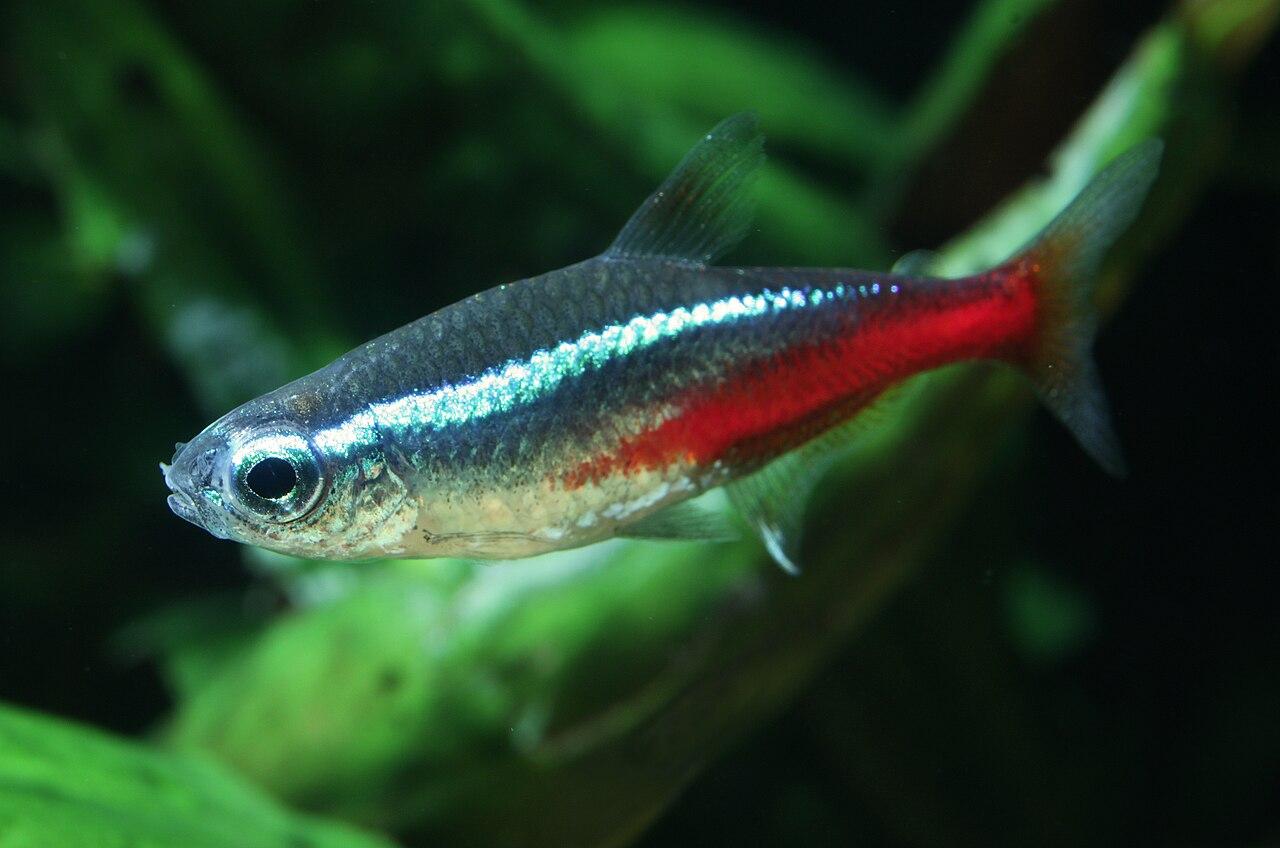
Neon Tetra · Cardinal Tetra
Glowing school of ten — a living light show
Ten neon tetras schooling through plants under soft light is pure calm. Peaceful, tiny, and undemanding in a cycled 10-gallon tank — keep at least 8–10 for natural behaviour.
Photo: Wikimedia Commons / Holger Krisp / CC BY 3.0
Care guide last reviewed: · Care requirements referenced from veterinary and humane standards.
10-gallon cycled, planted community tank; school of 8–10.
Virtually silent (1/5)
Highly independent — comfortable alone 8+ hours
Thrives with daily company
Three curated supplies researched for this companion's specific anatomy and daily welfare
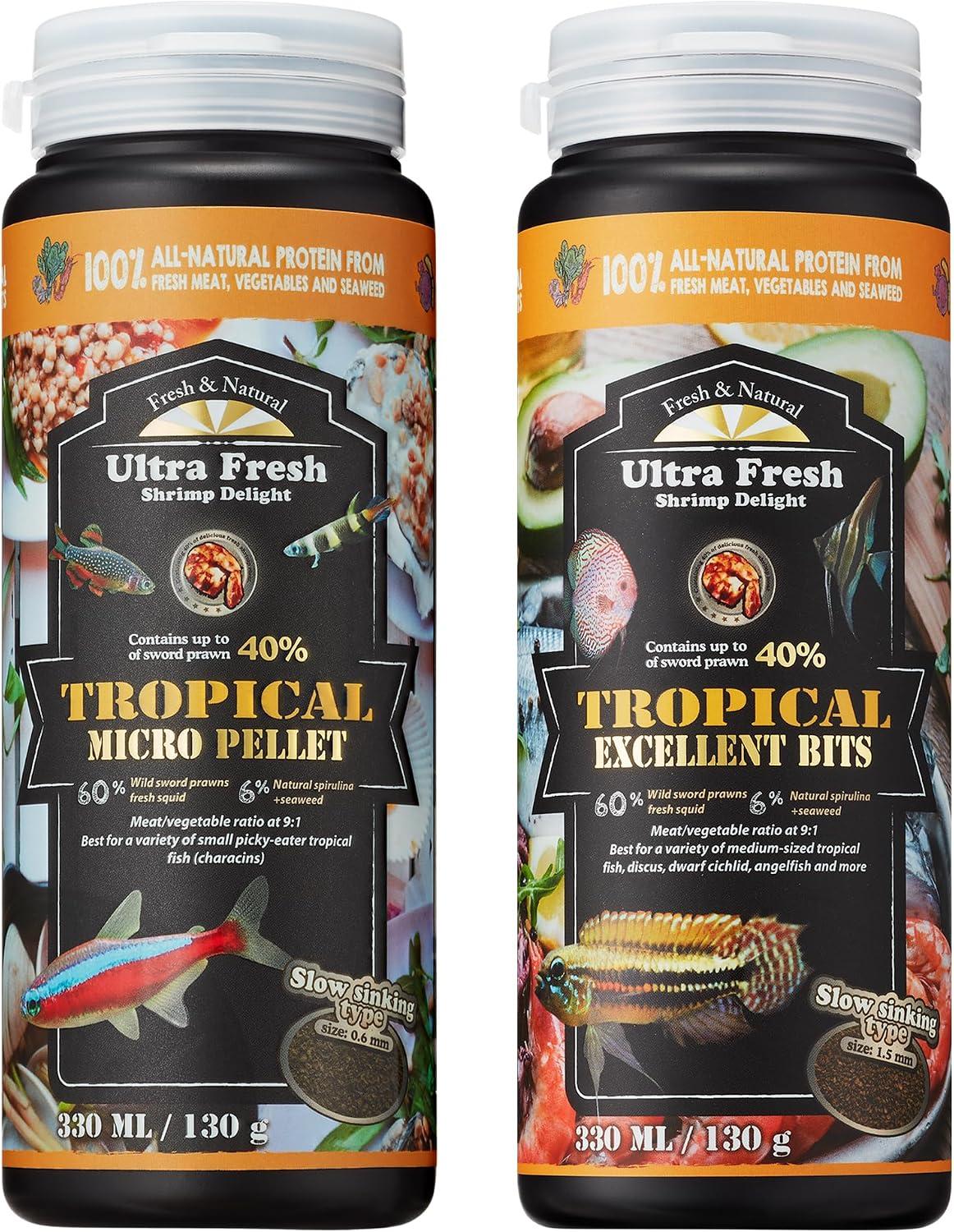
Neon tetras have tiny, delicate mouths and cannot swallow standard pellets; slowly descending micro-spheres provide multi-tier water column feeding.
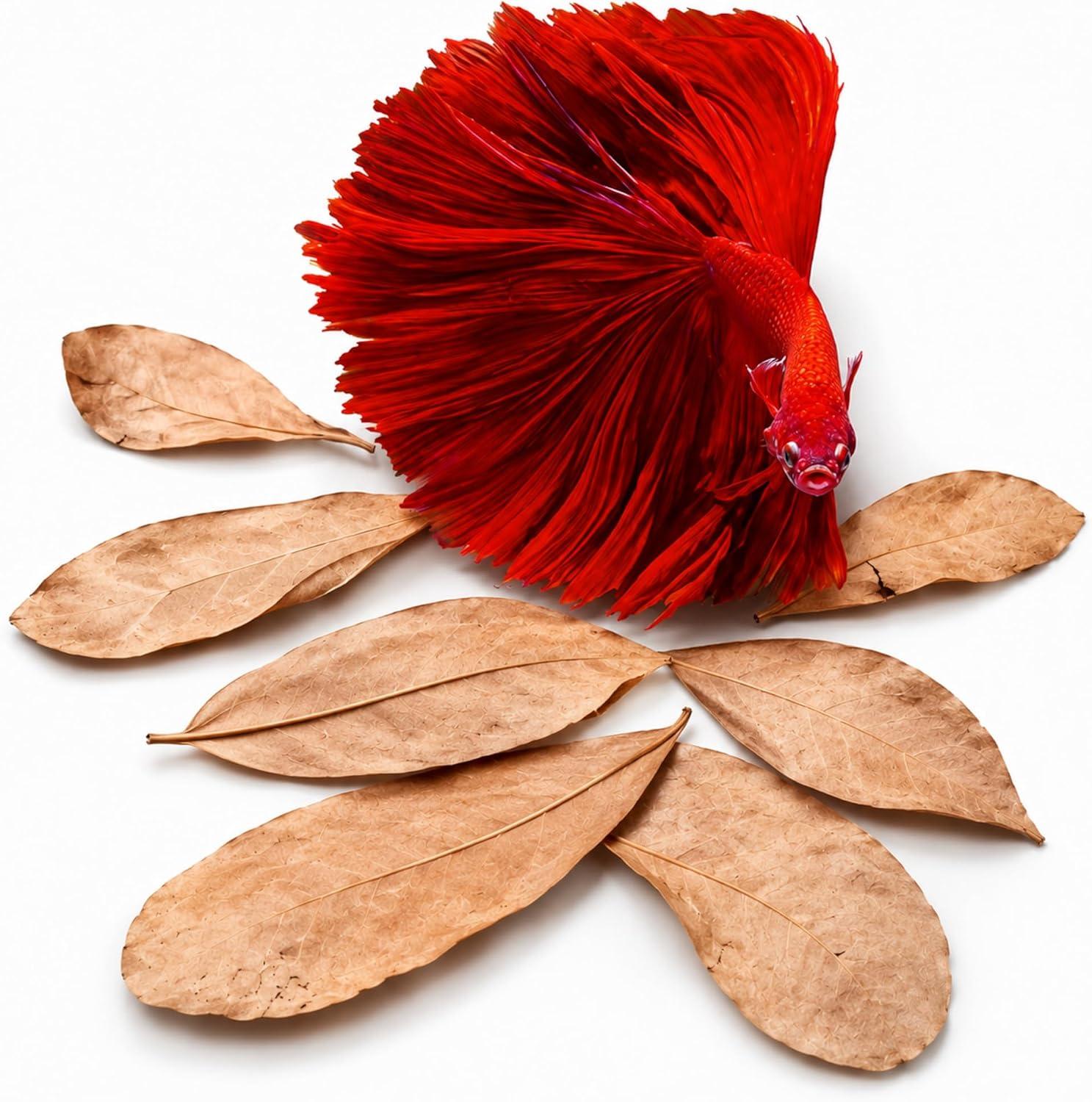
Originating in acidic Amazon tributaries, neon tetras require mild tannins to gently soften water, lower pH, and protect against fungal bacterial infections.

Tetras need planted aquatic environments to feel secure; broad-spectrum 6500K LED illumination promotes lush plant growth and highlights neon stripes.
As an Amazon Associate, WhatPetSuitsYou earns from qualifying purchases. Product prices and availability are accurate at Amazon and subject to change.
A neon tetra school as pets is pure calm: 8 to 10 glowing fish wheeling in formation through plants under soft light, flashing blue and red with every turn. They are peaceful hands-off watchers, safe with shrimp, snails, corydoras, and other gentle community fish, asking only for stable soft water and tiny meals.
Never keep fewer than six and never add them to a brand-new tank. Expect a short adjustment period of shyness, then years of tight schooling, brighter color in larger groups, and a tank that feels alive without a sound.
Feed tiny amounts a schooling group clears in two minutes, once or twice daily. Use crushed quality flake or micro pellets sized for small mouths as the staple, rotating in thawed frozen baby brine shrimp and daphnia twice weekly for color and condition. Small sinking pellets with natural color enhancers work well for mid-water feeders.
Never dump large pinches, since overfeeding spikes ammonia in small tanks and neons are sensitive to pollution. Fast the tank one day weekly. Replace opened dry food every six months, always thaw frozen food first, and remove anything uneaten after three minutes to protect water quality.
Keep a school of 8 to 10 in a cycled planted tank of at least 10 gallons, with a 20-gallon long far better for natural schooling display and stable chemistry. Hold water at 70 to 78 degrees, pH 6.0 to 7.0, soft at 1 to 10 degrees hardness, always dechlorinated. Use dark sand or fine substrate, driftwood or almond leaves for tannins, floating plants for shade, and dim lighting to bring out the neon stripe.
Fit a gentle sponge or baffled filter since neons hate strong current. Most important: cycle the tank fully for four to six weeks and confirm zero ammonia and nitrite before any tetra enters.
Daily care is five to ten minutes: feed a tiny measured meal, confirm temperature and gentle filter flow, and watch the school move as one with full color. Pale or scattered fish signal stress, poor water, or bullying. Weekly, test ammonia, nitrite, nitrate, and pH, then change 20 percent of the water with temperature-matched dechlorinated water, since swings over two degrees shock tetras.
Vacuum lightly, wipe algae, and rinse filter media in old tank water monthly. Never add new fish to an uncycled tank and quarantine newcomers for two weeks.
New tank syndrome, adding tetras before bacteria establish, is the leading killer and entirely preventable by cycling first. Neon tetra disease is an incurable muscle parasite causing fading color, white patches, spinal curvature, and wasting; isolate affected fish immediately and euthanize confirmed cases to protect the school. Ich white spots and fin rot follow temperature swings and dirty water and respond to heat, salt, and appropriate medication.
Few vets treat fish, so quarantine, stable soft water, and weekly changes are the medicine. Well-kept neons live 5 to 8 years.
Neon tetras cost 2 to 4 dollars each, so a school of ten runs 20 to 40 dollars. A 10 to 20 gallon planted setup with gentle filter, heater, light, substrate, wood, plants, test kit, and conditioner totals 100 to 200 dollars. Monthly running is minimal: micro food and conditioner 5 to 10 dollars plus a little electricity.
Expect 5 to 10 dollars a month, the Minimal tier. Buy from quality stock rather than the cheapest mass supplier, since weak genetics cause most early deaths and cost more in replacements.
Neon tetras are a superb first schooling fish for calm observers, small apartments, and planted-tank lovers who cycle the tank first and wait. They ask little once water is stable and reward patience with synchronized glowing displays for 5 to 8 years.
They fail for instant-gratification setups, uncycled tanks, hard alkaline water, and communities with angelfish or other predators. If you can wait four to six weeks for cycling, plant the tank, and test weekly, this is the easiest living light show in the hobby.
At least six, ideally 8 to 12. Small groups turn shy, pale, and stressed, while schools of ten-plus display tight coordinated swimming and full color.
House a school of ten in at least 10 gallons, better a 20-gallon long for swimming room and stable water.
Almost always new tank syndrome: fish added before the filter bacteria establish, causing ammonia and nitrite spikes tetras cannot tolerate. Cycle the tank four to six weeks first, confirm zero ammonia and nitrite, acclimate slowly, and quarantine newcomers.
Weak mass-farmed stock is the second cause.
Ten gallons minimum for a school of six to eight, with a 20-gallon long the better home for ten to fifteen plus peaceful tankmates. Length matters more than height since schools swim laterally.
Larger volumes dilute waste and hold temperature steadier.
Sometimes in 20-plus gallon planted tanks where the betta is calm, but it is a gamble. Bettas may hunt tetras, and tetras may nip flowing fins.
Shrimp, snails, corydoras, and small rasboras are safer companions. Never mix tetras with adult angelfish, which eat them.
Take our free 15-question what pet should I get quiz to get a personalized compatibility score and see how they match your living environment.
Take the Free Pet Quiz