Loading…
Loading…
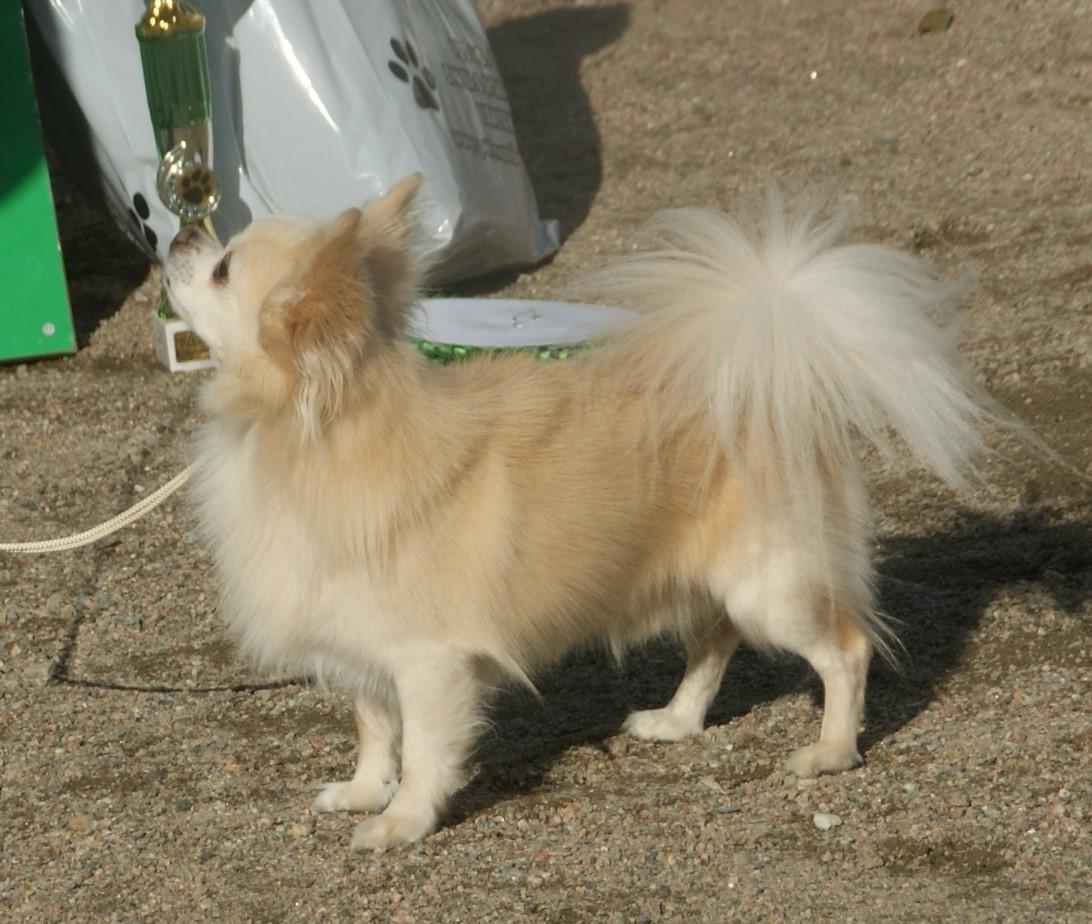
Smooth-Coat Chihuahua · Long-Coat Chihuahua
Tiny bodyguard with a giant personality for small homes
The smallest dog in the world — fits any apartment and travels anywhere. Fiercely loyal to its person, but loud, fragile, and chilly: needs a jacket in winter and gentle handling, not rough kids.
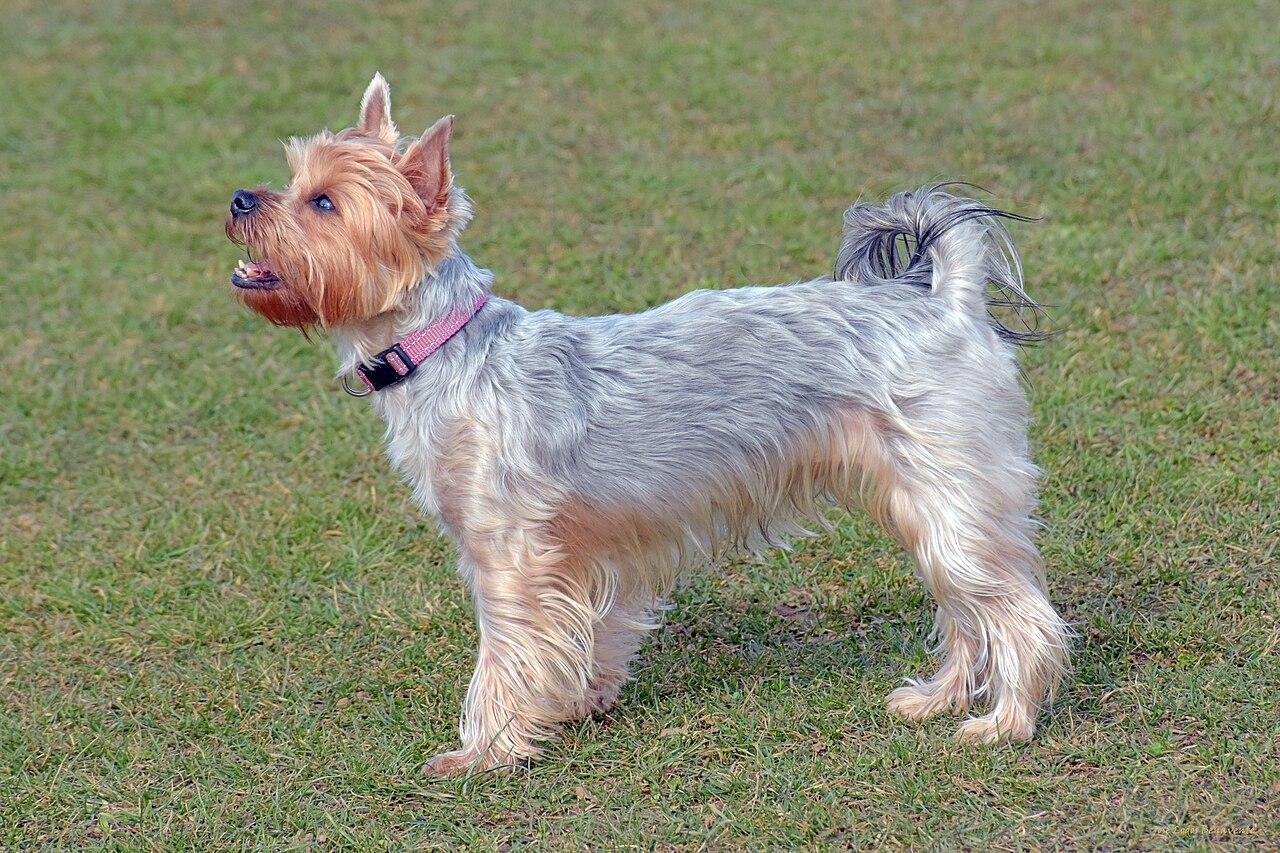
Photo: Wikimedia Commons / Canarian / CC BY-SA 4.0
Care guide last reviewed: · Care requirements referenced from veterinary and humane standards.
Any home; indoor dog that feels the cold — needs warmth and soft stairs.
Vocal (4/5)
Misses company — best with someone home often
Thrives with daily company
Three curated supplies researched for this companion's specific anatomy and daily welfare
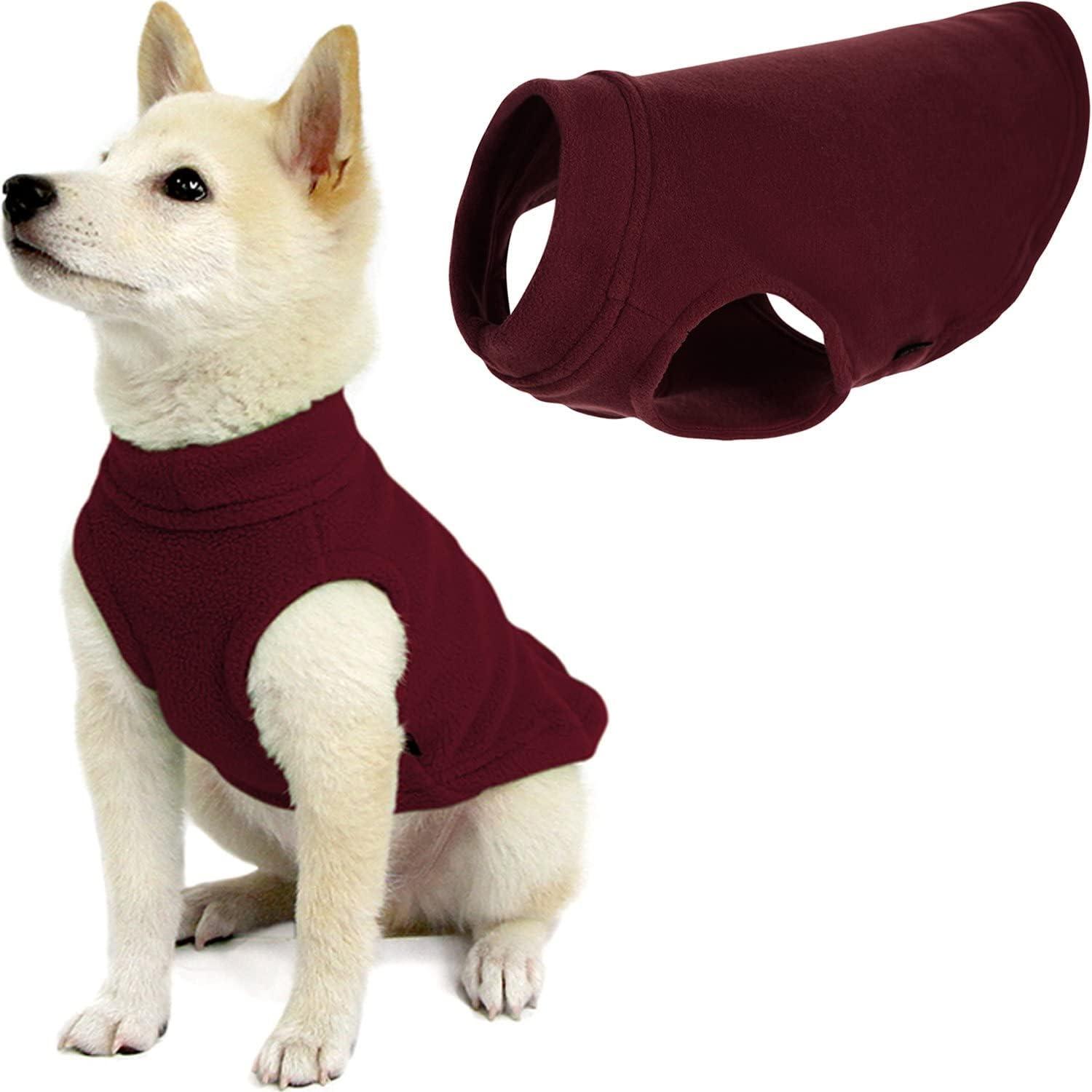
With their tiny body mass and rapid heat loss, Chihuahuas shiver readily in indoor air conditioning or mild drafts and require lightweight daily fleece layers.
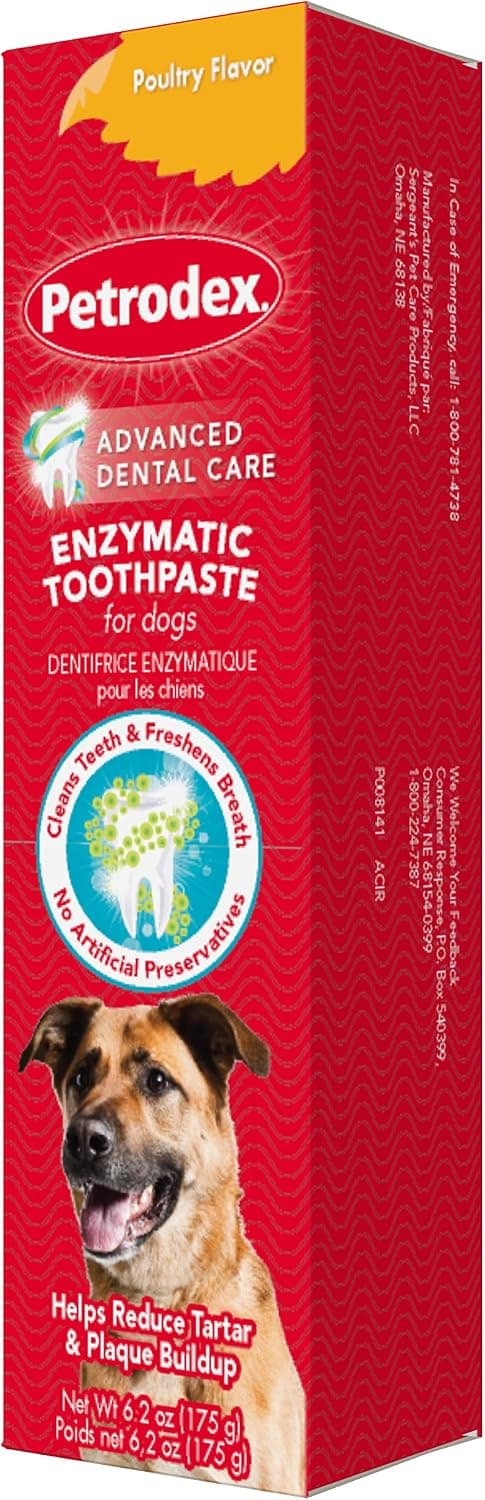
Chihuahuas suffer from severe tooth crowding in their minute jaws, leading to rapid tartar buildup and early tooth loss without daily enzymatic plaque breakdown.
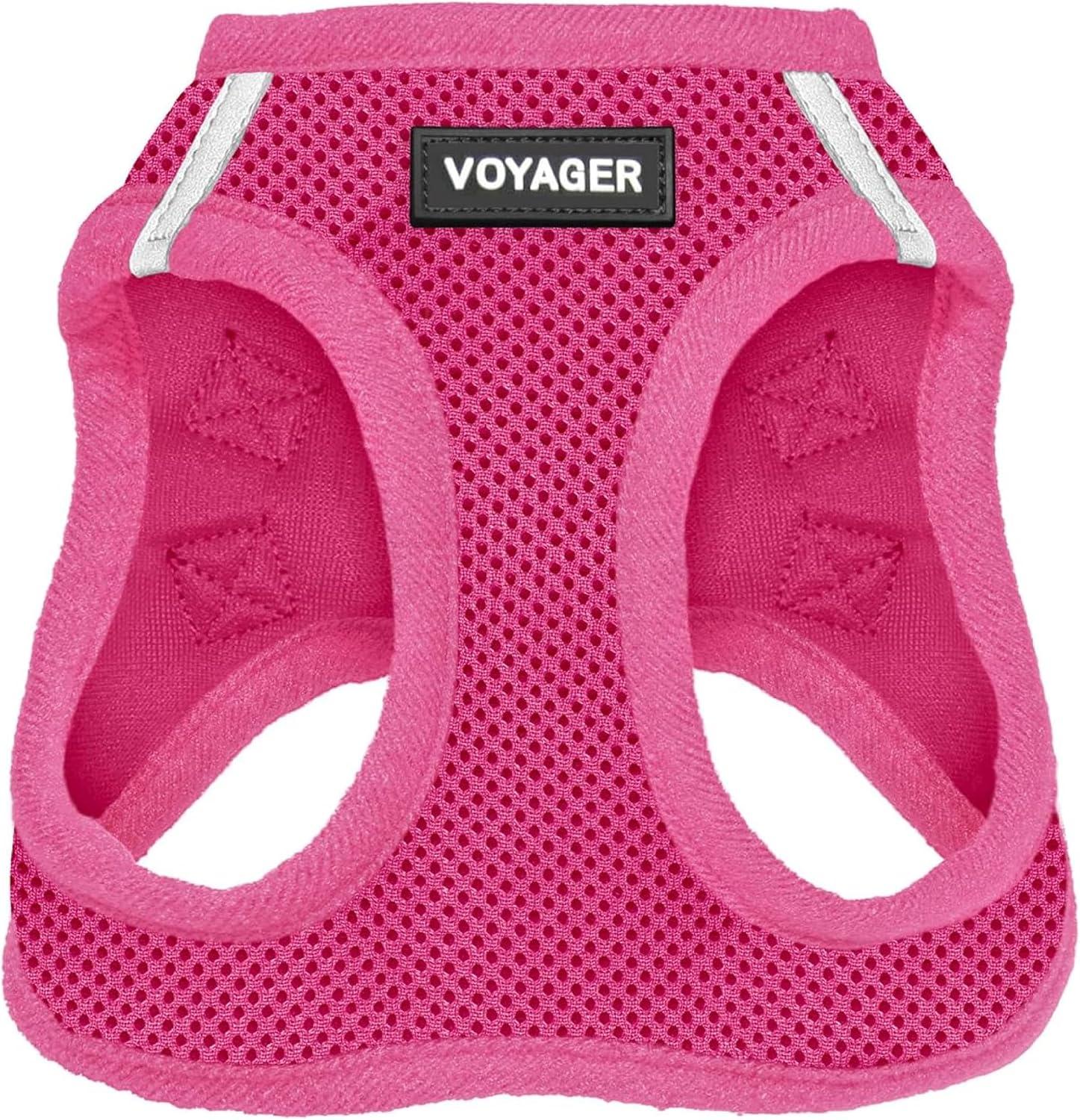
Chihuahuas are highly susceptible to tracheal collapse; neck collars must never take leash tension, making an ultra-soft step-in chest harness non-negotiable.
As an Amazon Associate, WhatPetSuitsYou earns from qualifying purchases. Product prices and availability are accurate at Amazon and subject to change.
As a pet, the Chihuahua is a one-person devotee with bodyguard delusions: it rides in bags, sleeps under duvets pressed against you, and announces visitors, post, and next-door cats with piercing alarm barks. Noise is high — sharp territorial barking that needs early quiet-training. It is fragile (2 kg versus toddlers, recliners, and Labradors), chilly (expect a wardrobe of jumpers), and utterly lap-bound, tolerating solitude poorly.
With respectful older children and gentle adults it is tender, funny, and trainable; with rough handling it becomes snappy. Give it warmth, arms to sit in, and 14 to 18 years of company, and few dogs love an owner more completely.
Feed a complete small-breed or toy-breed food in two to three measured meals daily — a 1.5 to 3 kg adult typically needs just 50 to 80 g of dry food, or roughly 150 to 250 calories (a quarter to half a cup), with treats under 10 percent. Tiny stomachs and fast metabolisms mean puppies need 3 to 4 small meals to avoid hypoglycaemic crashes (wobbliness, glassy stare, collapse — rub honey on gums and call the vet).
Keep to one steady recipe, soak kibble for teething puppies, and avoid all people food: chocolate, grapes, raisins, onions, garlic, and xylitol can be lethal at Chihuahua doses. Weigh fortnightly on kitchen scales — 200 g of gain on a 2 kg dog equals a human gaining 7 kg.
Any home fits — Chihuahuas live happily in studios — but warmth is the setup priority: draught-free beds, blankets in every rest spot, a winter coat and jumper for walks below about 10°C, and no long waits on cold floors. Provide shallow steps to sofas, non-slip rugs for luxating-patella-prone knees, and a playpen or crate as a safe den away from feet, doors, and big dogs.
Puppy-proof at ankle height: recliners, rocking chairs, and closing doors injure Chihuahuas yearly. Fit a snug harness (never a neck collar — collapsing tracheas), keep food and water in shallow dishes, and gate stairs for wobbly puppies.
Give 20 to 30 minutes of gentle exercise daily: a 15 to 20 minute sniffy walk plus 10 minutes of indoor fetch, training games, or lap-cuddle trick practice — 30 to 45 minutes of your time all-in. Brush teeth daily (2 minutes — crowded mouths rot fast), brush short coats weekly or long coats every few days, trim nails every 2 to 3 weeks, and wipe eyes as needed.
Puppies need toilet breaks every 1 to 2 hours, 3 to 4 meals, enforced naps, and constant supervision around children and larger pets. Socialise deliberately: carry in a bag to markets, cafés, and bus stops so the tiny dog meets 100 friendly sights without being overwhelmed or trodden on.
Vet checks annually with dental, knee, heart, eye, and trachea review; puppies need the full vaccine course plus early dental assessment since retained baby teeth overcrowd jaws. Expect dental disease (daily brushing plus professional cleans, sometimes with extractions), luxating patellas (skipping gait — keep weight lean, severe grades need $1,500 to $3,000 surgery), tracheal sensitivity (honking cough — harness only, healthy weight, vet-assessed), and hypoglycaemia in puppies. Screen hearts for murmurs and mitral disease from middle age.
Handle fragility seriously: jumps from arms and sofas break legs. Insurance is cheap for this breed — buy it, since dental and knee surgery still bite.
Budget $60 to $110 a month — the cheapest dog here: $15 to $30 for tiny food volumes, $20 to $35 for prevention and amortised vaccines, $10 to $20 for toys, coats, and dental supplies, and $20 to $35 for insurance. First year runs $1,200 to $2,000 with vaccines, spay or neuter, crate, playpen, harnesses, coats, and dental starter kit.
Cost drivers are dental cleans with possible extractions ($500 to $1,200), patella surgery in severe cases, and tracheal workups. Tiny appetites keep lifetime food spend a fraction of large breeds, and professional grooming is unnecessary — a nail trim every few weeks is the only salon bill.
Chihuahuas suit beginners in small homes who are home often and want a devoted shadow, not a garden dog. Care basics are simple, costs are minimal, and exercise needs fit any schedule. But tiny does not mean easy: they bark sharply and often, snap when frightened or mishandled, shiver through winter, and break — literally — under rough play, making homes with under-8s a poor match.
You will struggle if you want a quiet dog, a jogging partner, a child's rough-and-tumble pet, or a dog left alone all day (they bond fiercely and fret). Success means gentle confident handling, daily tooth brushing, winter woolies, and training the smallest dog like it weighs 30 kg.
Most 1.5 to 3 kg adults need roughly 50 to 80 g of dry food daily — about a quarter to half a cup, or 150 to 250 calories — split into two or three meals. Puppies need 3 to 4 smaller meals to prevent low blood sugar.
Weigh portions and the dog fortnightly: tiny bodies gain proportionally huge weight fast, straining knees and windpipes. Adjust to keep ribs felt and a waist visible.
Only with older, gentle children. Chihuahuas are fragile — a dropped 2 kg dog breaks bones — and they snap when grabbed, chased, or cornered, which is how most Chihuahua bites happen.
Homes with under-8s suit sturdier breeds like Beagles or Cavaliers. With calm teenagers and adults who handle gently, Chihuahuas are tender, loyal, and long-lived companions.
Usually cold, excitement, or anxiety — tiny bodies lose heat fast. Provide jumpers below about 10°C, warm bedding, and draught-free rest spots.
But shivering plus wobbliness, weakness, or a glazed look in puppies can mean hypoglycaemia: rub honey or sugar water on the gums and call the vet urgently. Shivering with coughing or lethargy also deserves a vet check.
No — 20 to 30 minutes daily suffices: a short sniffy walk plus indoor play and training games. They are indoor dogs that chill easily and tire quickly, so skip long hikes and freezing rainy marches.
Mental company matters more than mileage: a Chihuahua with lap time, toys, and trick training is far happier than one dragged on 5 km runs.
Take our free 15-question what pet should I get quiz to get a personalized compatibility score and see how they match your living environment.
Take the Free Pet Quiz