Loading…
Loading…
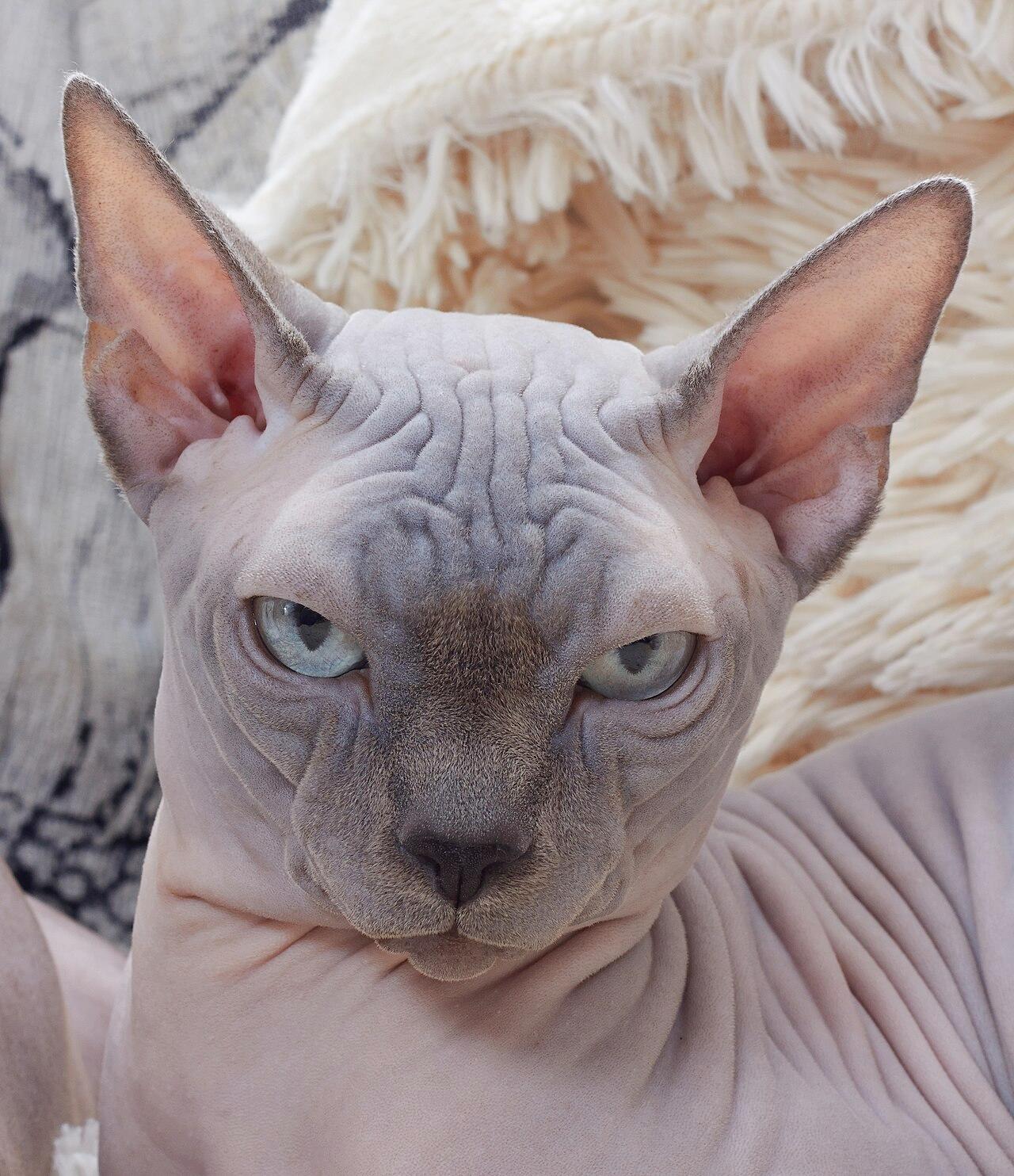
Canadian Sphynx
Hairless heat-seeker that cuddles like a hot-water bottle
No fur, all love: Sphynx cats are warm, clownish, and glued to their people — ideal for mildly sensitive homes (no cat is fully allergen-free). Needs weekly baths, ear cleaning, and sweaters in winter.
Photo: Wikimedia Commons / Dmitry Makeev / CC BY-SA 4.0
Care guide last reviewed: · Care requirements referenced from veterinary and humane standards.
Warm indoor home; gets cold easily and must never roam free.
Quiet (2/5)
Cannot be left alone long — needs company most of the day
Thrives with daily company
Three curated supplies researched for this companion's specific anatomy and daily welfare
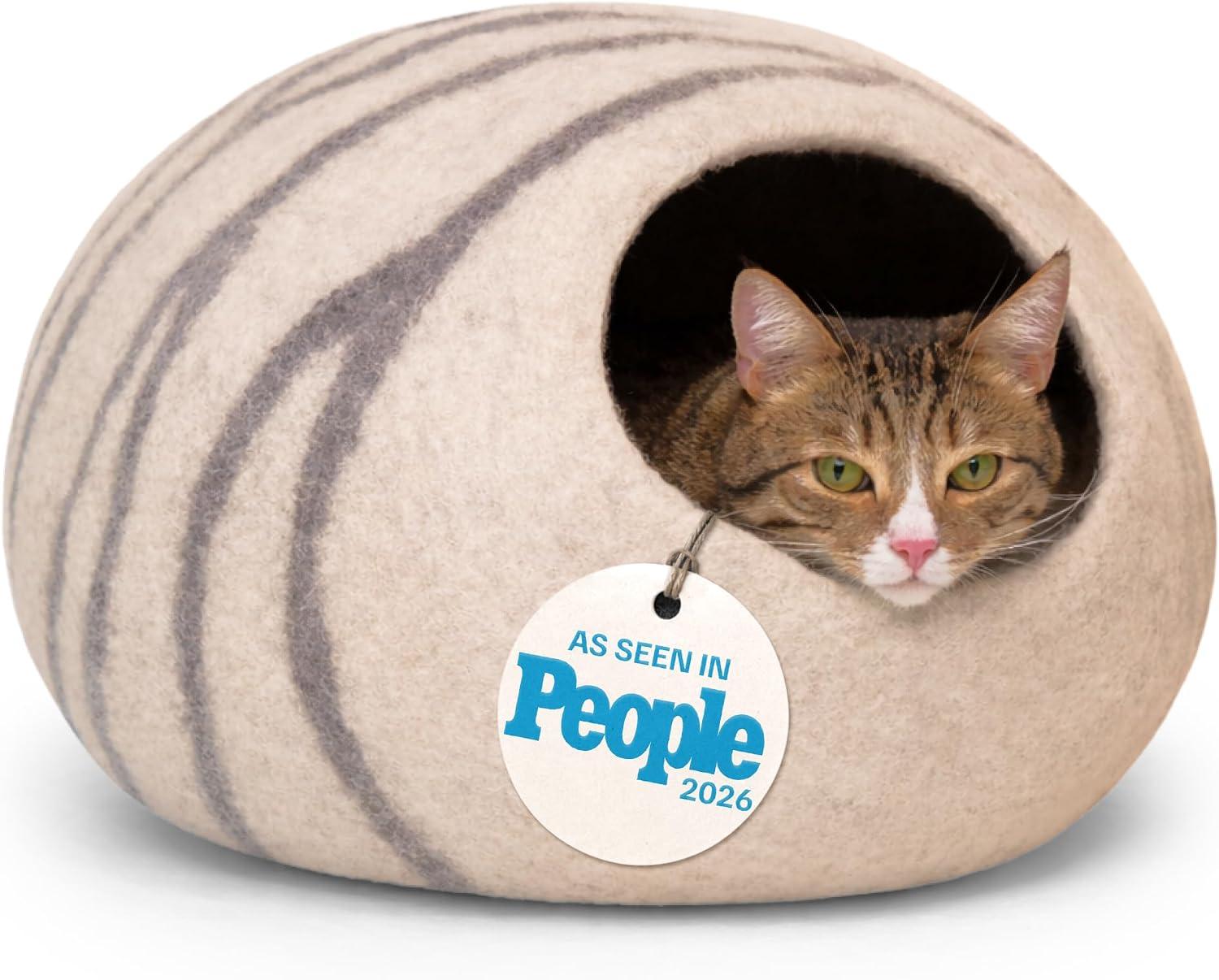
Lacking an insulating fur coat, Sphynx cats burn rapid calories staying warm; natural pure wool caves reflect natural body heat to prevent hypothermic stress.
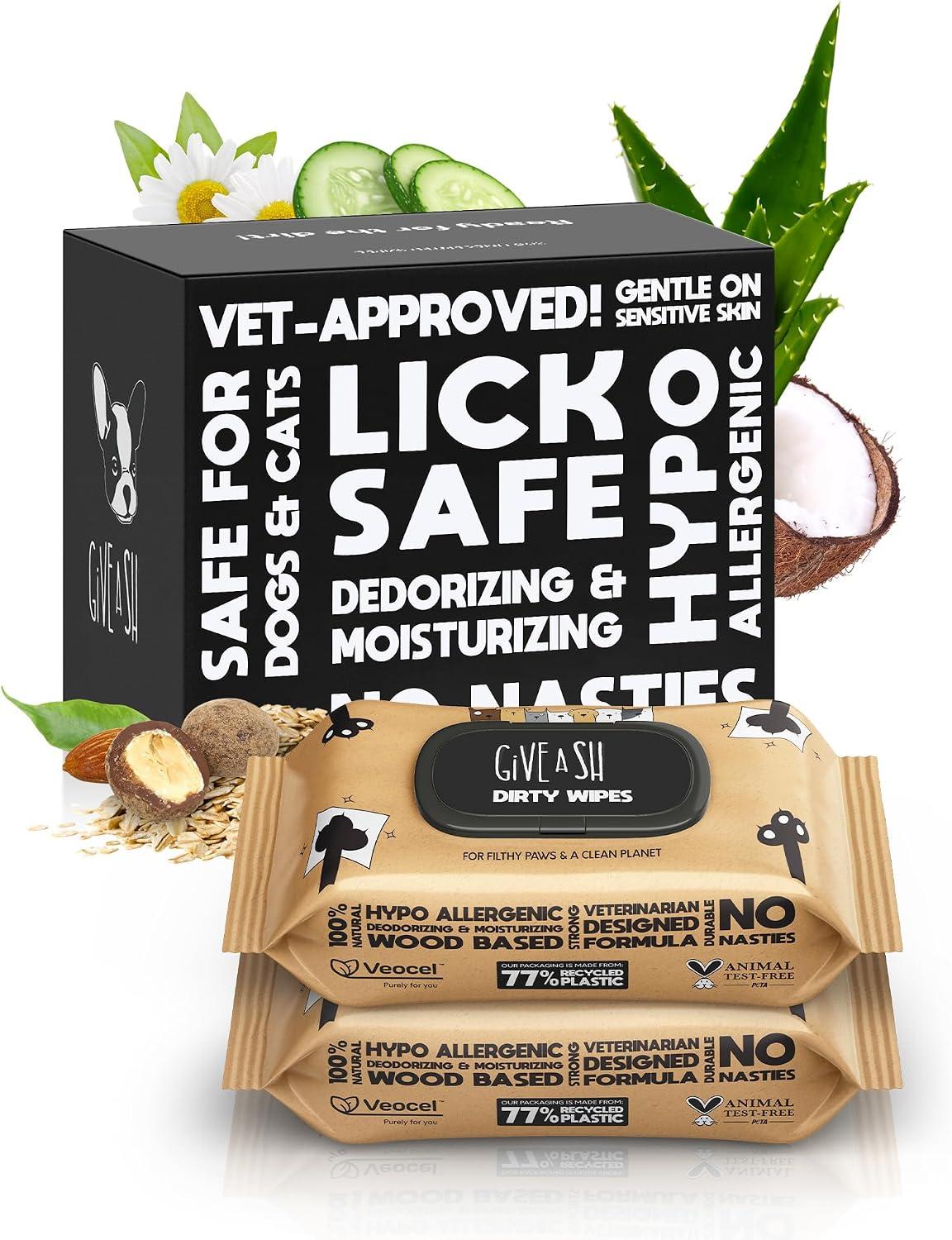
Without hair to absorb natural dermal oils, sebum accumulates on a Sphynx's skin and causes acne or brown marks unless gently wiped weekly.
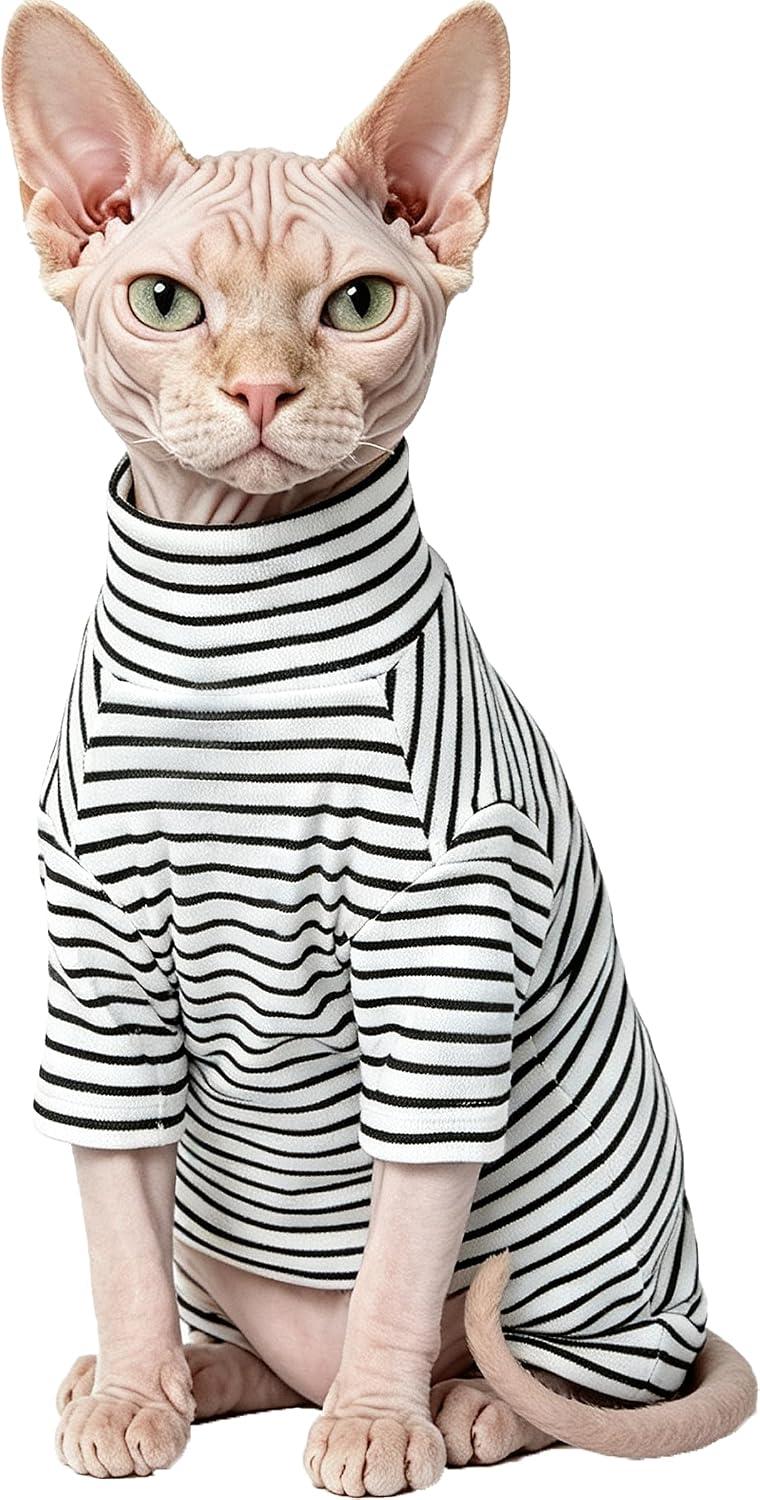
Sphynx cats have exposed, delicate skin sensitive to indoor breezes, sunburn, and scrapes; breathable tagless cotton pullovers provide vital daily warmth.
As an Amazon Associate, WhatPetSuitsYou earns from qualifying purchases. Product prices and availability are accurate at Amazon and subject to change.
Expect the most people-focused cat here: Sphynx follow you everywhere, sleep under the duvet, perch on shoulders, greet visitors like dogs, and perform acrobatic comedy nightly. They are warm to the touch, soft like suede, and constantly seeking heat and laps. Downsides are physical: oily skin stains light fabrics, ears produce dramatic wax, claws need weekly trims, and they feel cold, sunburn, and draughts keenly.
They suit children, dogs, and other cats when introduced well but demand company: a lone Sphynx in a cold empty flat is a welfare problem. Sweaters, blankets, and cuddles are non-negotiable.
Feed generously: hairless Sphynx burn extra calories staying warm and typically need 300 to 400 kcal daily for a 3.5 to 5.5 kg adult, split into two or three measured meals with wet food prioritised. Choose high-protein AAFCO-complete food with named meat first; the extra food bill is a permanent feature, not a phase. Keep treats under 10 percent of calories and provide constant fresh water, since high metabolisms dehydrate fast.
Kittens eat 3 to 4 meals until 12 months. Monitor weight monthly by rib feel rather than looks, because loose wrinkled skin hides condition. Seniors need kidney-aware recipes and twice-yearly bloodwork, and any diet change should transition over 7 to 10 days to protect sensitive digestion.
Keep the home warm: Sphynx chill below 20C, so maintain 22 to 25C indoors, provide heated beds or self-warming pads, and keep soft blankets in every resting spot. Sweaters help in winter but must be changed and washed regularly to avoid skin irritation. Provide one large litter box per cat plus one spare in warm, draught-free spots, tall scratching posts, a window hammock for sunbathing (with sunscreen-awareness for pale skin and limited direct exposure), and cosy enclosed beds.
Secure windows and never let them roam: no coat means sunburn in summer, hypothermia in winter, and instant skin injuries. Soft furnishings beat rough textures that abrade bare skin.
Bathe weekly in warm water with a hypoallergenic, dye-free cat shampoo to remove oil buildup, rinsing thoroughly and drying in a warm room; wipe skin folds and tail pores between baths to prevent blackheads. Clean ears weekly (they produce heavy dark wax), trim nails weekly since oily nail beds accumulate grime, wipe eyes as needed, and brush teeth several times weekly. Scoop litter daily, serve two to three meals with fresh water, and play 20 to 30 minutes daily: Sphynx are athletic clowns.
Total care is about 60 minutes daily plus laundry from oil-stained blankets. Moisturise only on vet advice, since wrong oils worsen acne.
Sphynx live 13 to 15 years with real breed risks. Hypertrophic cardiomyopathy (HCM) is strongly suspected inherited: ask breeders about heart scans in lines and budget for periodic echocardiograms. Skin disease is constant background noise: oil buildup, Malassezia yeast, blackheads, and sunburn need the weekly bathing regime and vet review of rashes.
Dental disease, respiratory infections from chilling, and sensitive digestion round out the list. Keep vaccines current, maintain parasite prevention, and watch for rapid breathing, lethargy, skin sores, and weight loss. Specialist insurance is strongly advised: cardiac scans and dermatology bills accumulate fast.
Kittens from heart-screened breeders cost 1,500 to 3,000. Monthly, budget 40 to 60 for extra food (they eat notably more than furred cats), 10 to 20 for litter, 10 to 20 for shampoo, ear cleaner, and laundry, and 25 to 45 for insurance. Heating bills rise in winter from the warm-house requirement.
Annual vet checks run 120 to 250, heart scans 300 to 600 when advised, and dental cleaning 300 to 600. Sweaters, heated beds, and soft blankets total around 100 one-off. Average 110 to 170 per month excluding purchase, before higher winter energy costs.
A Sphynx suits owners who want maximum affection and accept maximum maintenance: weekly baths, ear cleaning, warmth management, and big food bills. You will succeed working from home or with company available, since they hate solitude and get cold and lonely. Avoid the breed if you want low-maintenance, are away all day, keep a cool house, or dislike laundry and oily paw prints on fabric.
Buy only from breeders who heart-scan and raise kittens with bathing handling from birth. The payoff is a hot-water-bottle clown glued to you for 15 years.
Weekly for most cats, using warm water and a hypoallergenic dye-free cat shampoo, rinsed thoroughly and dried in a warm room. Over-bathing strips skin and increases oil, while under-bathing causes blackheads and yeast, so adjust to your cat and vet advice.
Yes, they chill easily below 20C. Keep the home at 22 to 25C, provide heated beds and blankets, use clean well-fitting sweaters in winter, dry them fully after baths, and never let them roam outdoors in cool weather.
No special brand, but they need more of it: a high-protein complete diet at roughly 300 to 400 kcal daily for an adult, since they burn calories staying warm. Quality nutrition also directly controls how oily the skin gets.
They shed no fur but still produce the Fel d 1 allergen in saliva and skin oils, so they are not hypoallergenic. Some mildly sensitive owners react less, but always arrange extended trial visits before committing.
Take our free 15-question what pet should I get quiz to get a personalized compatibility score and see how they match your living environment.
Take the Free Pet Quiz