Loading…
Loading…
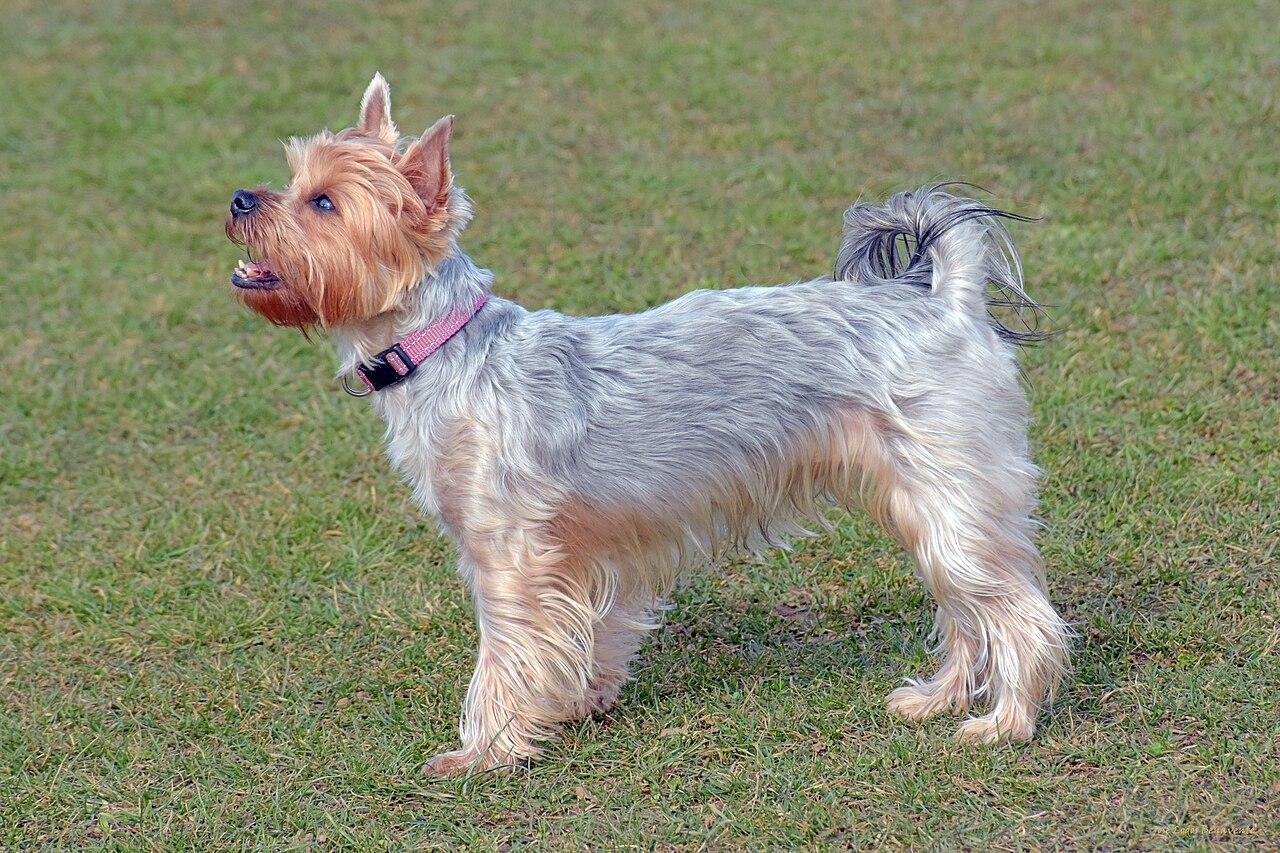
Yorkshire Terrier · Biewer Terrier
Silky lap dog that barely sheds — big attitude, tiny paws
A glamorous apartment dog with hair, not fur — low-shedding and suited to mildly sensitive homes. Needs daily brushing or a puppy cut, plus firm training so the tiny terrier does not run the house.
Photo: Wikimedia Commons / Joselodos / CC0
Care guide last reviewed: · Care requirements referenced from veterinary and humane standards.
Any home; indoor lifestyle with short walks and play sessions.
Vocal (4/5)
Tolerates a normal workday with enrichment
Thrives with daily company
Three curated supplies researched for this companion's specific anatomy and daily welfare

Yorkie hair has a human-like silky texture without an undercoat, making it prone to snagging and breakage unless groomed with smooth, non-static pin bristles.
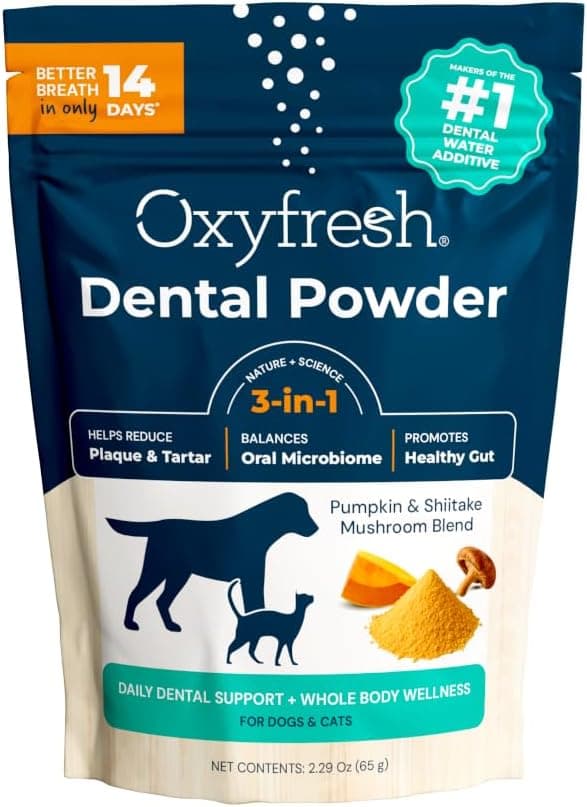
Yorkies are notorious for genetic periodontal disease and retained deciduous teeth; odorless water additives neutralize oral bacteria every time they drink.

Spirited yet sensitive Yorkies need a dedicated high-walled calming donut bed to feel sheltered from drafty floorboards and household commotion.
As an Amazon Associate, WhatPetSuitsYou earns from qualifying purchases. Product prices and availability are accurate at Amazon and subject to change.
As a pet, the Yorkie is a glamorous feisty shadow: it rides in bags, rules the sofa, adores its person with theatrical devotion, and announces every passer-by in a piercing soprano. Noise is high — relentless alarm barking that needs quiet-training from week one. It is fragile (toddlers, recliners, and big dogs are hazards), chilly, and lap-bound, tolerating solitude moderately but thriving on company.
With respectful adults it is tender and hilarious; mishandled, it becomes snappy and yappy. Give it grooming rituals, trick training, warm laps, and 13 to 16 years of admiration, and you get a pocket-sized companion with a lion's opinion of itself.
Feed a complete toy or small-breed food in two to three measured meals daily — a typical 2 to 3 kg adult needs roughly 150 to 250 calories (about a quarter to half a cup of kibble), with treats under 10 percent. Puppies and tiny adults are hypoglycaemia-prone: feed 3 to 4 small meals, never skip breakfast before activity, and keep honey on hand for wobbly low-blood-sugar episodes (vet follow-up same day).
Yorkies are famously fussy — keep to one quality recipe, warm wet food slightly, and avoid training a grazer by lifting bowls after 20 minutes. Avoid chocolate, grapes, raisins, onions, garlic, and xylitol, which are dangerous at toy doses, and weigh fortnightly — 150 g of gain visibly strains knees and tracheas.
Any home suits a Yorkie, with warmth and safety as the setup themes: draught-free beds, a winter coat for walks under 10°C, stair gates for tiny-leg puppies, and non-slip rugs protecting luxating-patella-prone knees. Provide a crate or pen as a rest den, shallow steps to favourite chairs (jumps from arms break legs), and a grooming table or non-slip counter spot with slicker brush, steel comb, and detangling spray.
Puppy-proof against hawks of the household — recliners, heavy doors, and large dogs. Fit a harness always, never a collar, to protect the trachea, and keep a warm carry bag for long outings since Yorkies chill and tire fast.
Give 30 to 45 minutes daily: a 20 to 30 minute walk plus 10 minutes of indoor play and trick training — Yorkies are sharp terriers that love learning. Brush the silky coat daily (5 to 10 minutes with pin brush then steel comb to the skin) or keep a short puppy cut brushed every few days; either way, book full grooming every 6 to 8 weeks. Brush teeth daily — dental disease is the breed's costliest certainty — wipe eyes, trim nails every 2 to 3 weeks, and check ears weekly.
Puppies need toilet breaks every 1 to 2 hours, 3 to 4 meals, and early gentle grooming handling. Total hands-on time: 45 to 60 minutes daily.
Annual vet checks covering teeth, knees, trachea, eyes, liver, and heart; young puppies need breeder screening discussion for liver shunts (poor growth, dullness or wobbliness 1 to 3 hours after eating — needs bile-acid testing). Expect dental disease from early adulthood (daily brushing plus regular anaesthetic cleans with possible extractions), luxating patellas (skip-stepping gait — lean weight, surgery for severe grades), and tracheal collapse (goose-honk cough — harness, lean weight, early vet grading). Ask breeders for patella and eye certificates plus family liver history.
Consider insurance early — dental, knee, and tracheal bills compound. Report persistent coughing, limping, or post-meal dullness promptly rather than waiting.
Budget $110 to $180 a month: $20 to $35 for small-breed food and dental supplies, $20 to $35 for prevention and amortised vaccines, $40 to $60 amortised for professional grooming every 6 to 8 weeks ($50 to $90 a session), and $25 to $45 for insurance. First year runs $1,500 to $2,500 with vaccines, spay or neuter, crate, grooming tools, coats, and training class.
Cost drivers are dental cleans with extractions ($500 to $1,200, recurring), patella surgery ($1,500 to $3,000), and tracheal investigation. A puppy cut halves home-brushing time but not salon frequency — skipping grooms mats silk coats into felt within weeks.
Yorkies suit style-loving beginners who will commit to daily coat and tooth care and want a portable, long-lived companion. They are smart, funny, travel-sized, and need only modest exercise. But they are terriers, not toys: they bark shrilly at everything, guard fiercely, snap when mishandled, and break under rough play — homes with toddlers should choose a Cavalier or Beagle.
You will struggle if you will not brush, will not pay for grooming, want a quiet dog, or leave the dog to self-entertain (bored Yorkies excavate sofas and redecorate with toilet paper). Success means training firmly like a big dog, brushing like a salon, and carrying like precious glass.
Brush a full silky coat daily (5 to 10 minutes) or a short puppy cut every few days, and book professional grooming every 6 to 8 weeks for bath, trim, nails, and ear care. The fine hair mats into painful felt fast — two skipped weeks can mean a full shave.
Daily tooth brushing matters just as much: Yorkie mouths overcrowd and rot without it.
A weakening of the windpipe's cartilage rings so the airway flattens, causing a distinctive goose-honk cough, worse with excitement, pulling, or pressure on the neck. Manage with a harness (never a collar), lean weight, and vet grading — mild cases use medication and management, severe ones may need stenting.
Any persistent honking cough deserves a vet visit, and blue gums or fainting is an emergency.
Yes, if you commit to grooming and training. Yorkies are smart, portable, and need only 30 to 45 minutes of exercise.
The hard parts are daily brushing, dental care, shrill barking, fragility around small children, and terrier stubbornness. They are a poor match for toddler households, noise-sensitive flats, or owners who will not maintain the coat.
Take our free 15-question what pet should I get quiz to get a personalized compatibility score and see how they match your living environment.
Take the Free Pet Quiz