Loading…
Loading…
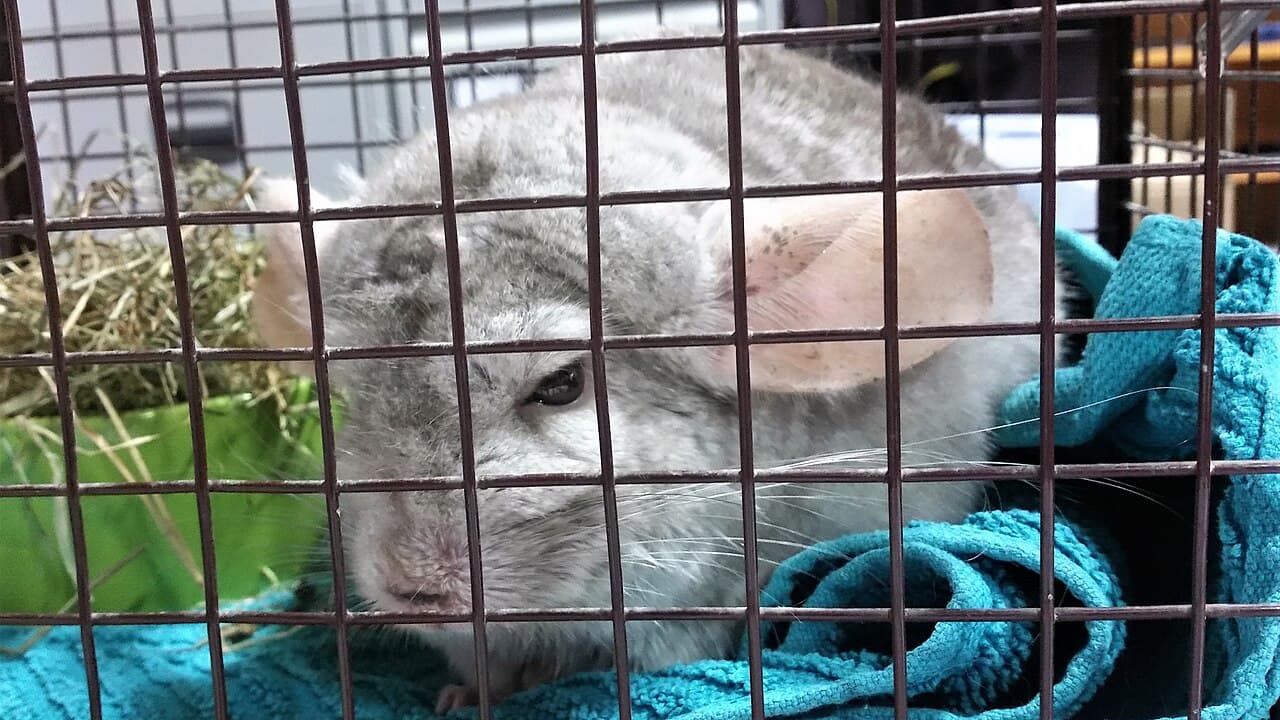
Standard Grey Chinchilla · Beige Chinchilla · Black Velvet Chinchilla
Cloud-soft night acrobat that lives 15–20 years
The softest fur on earth and joyful evening popcorn-jumps. Chinchillas need a tall cool cage, dust baths (not water), and a quiet home — and they can share your life for two decades.
Photo: Wikimedia Commons / Emőke Dénes / CC BY-SA 4.0
Care guide last reviewed: · Care requirements referenced from veterinary and humane standards.
Tall multi-level cage in a cool room (under 24°C); overheats easily.
Quiet (2/5)
Tolerates a normal workday with enrichment
Content with independent time
Three curated supplies researched for this companion's specific anatomy and daily welfare
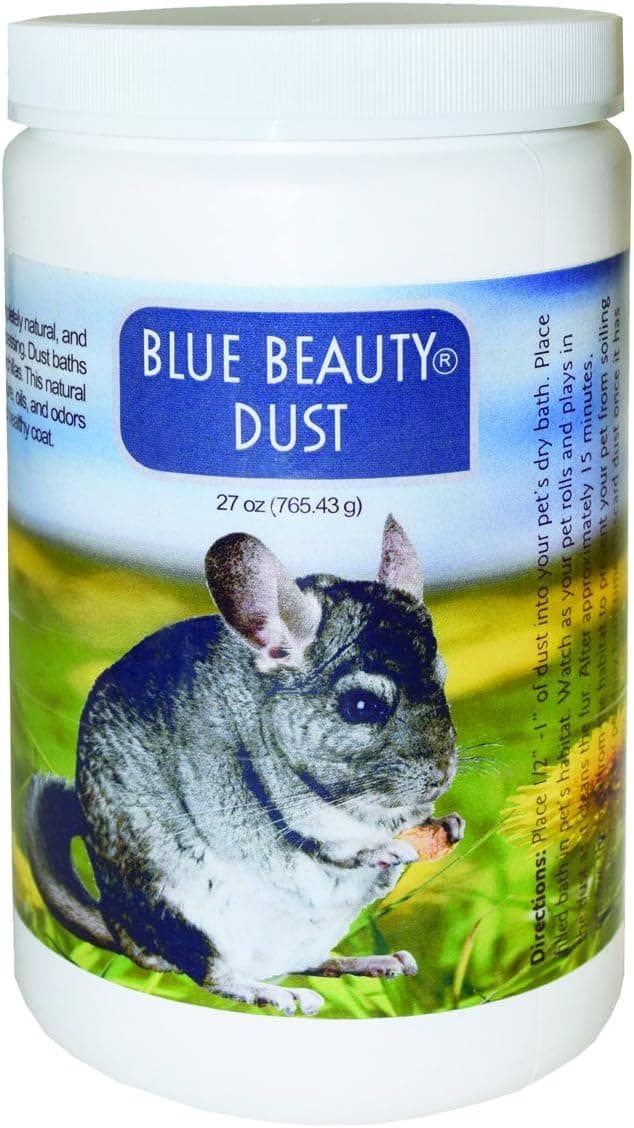
With 60 hairs per follicle, getting wet causes deadly fungal pelt mold; volcanic silicate dust penetrates to skin level to wick away oils.
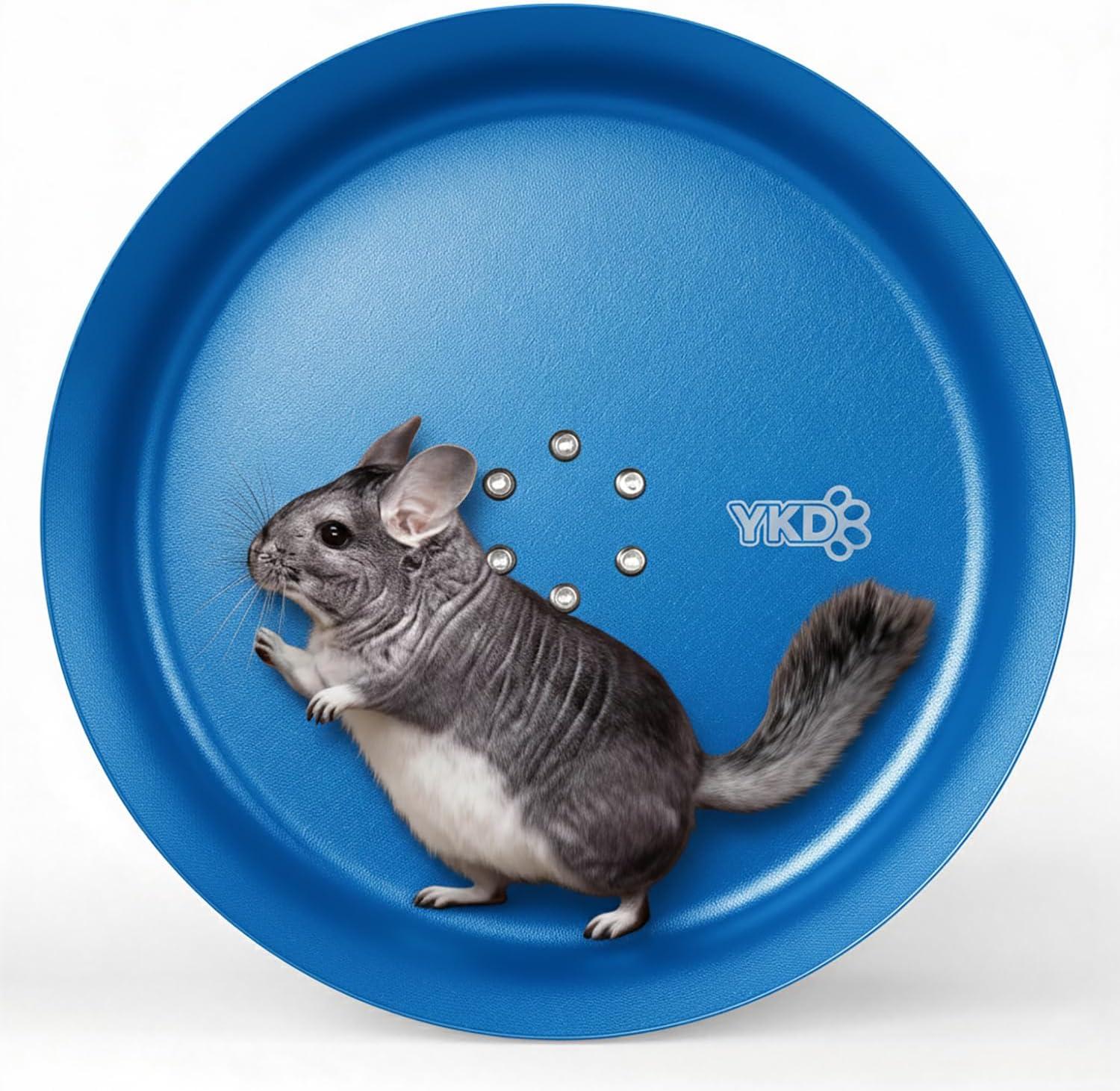
Chinchillas are relentless chewers that ingest plastic components; an open heavy-gauge sheet metal wheel provides high-speed sprinting without toxic hazards.

Chinchillas have fragile digestive systems that cannot tolerate sugar or moist greens; compressed dry timothy hay wears down continuously erupting molars.
As an Amazon Associate, WhatPetSuitsYou earns from qualifying purchases. Product prices and availability are accurate at Amazon and subject to change.
Expect a soft, athletic night acrobat: chinchillas popcorn straight up, sprint wall-to-wall, nibble fingers gently, and communicate in squeaks and barks. The fur is indescribably dense and nearly odour-free, but it coats the room in fine dust after every bath and sheds in moults. They are shy, prey-wired animals that freeze at sudden noise and dislike restraint: trust builds over weeks of evening patience.
They do best in pairs or small same-sex groups with careful introductions; solo keeping needs justification plus extra evening interaction. Daytime they sleep; evenings they erupt. Quiet, cool, predictable homes only.
Feed unlimited timothy hay (80 to 90 percent of intake) plus 1 to 2 tablespoons of plain timothy-based chinchilla pellets daily, never muesli mixes that invite selective feeding and bloat. Provide constant fresh water in a chew-proof glass bottle. Offer only hay-based treats (dried rosehips, plain shredded wheat in tiny amounts); never give nuts, seeds, fresh fruit, or vegetables, since sugar and fat trigger fatal gut stasis and bloat in this fibre-specialist species.
Keep every meal consistent: sudden changes upset delicate digestion. Check teeth wear via enthusiastic hay chewing, and weigh weekly, since dental pain shows first as dropping food and weight loss.
House in a tall multi-level wire cage (at least 90 by 60 by 120 cm for one or two) with solid shelves and ramps, never wire floors that cause bumblefoot. Place in a cool quiet room held at 10 to 18C and never above 24C: chinchillas overheat fatally and need air conditioning or frozen bottles in heatwaves. Add a wooden hide, tunnels, apple-wood chews, and a dust-bath house offered 2 to 3 times weekly for 5 minutes with blue-cloud dust, then removed (never leave dust in, never bathe in water).
Keep away from draughts, direct sun, and noisy rooms. Spot-clean daily and deep-clean weekly with pet-safe disinfectant.
Spend 30 minutes daily: refill hay racks and pellets, refresh water, spot-clean droppings, and check temperature (act fast above 24C with cooling). Offer the dust bath 2 to 3 evenings weekly for 5 minutes, then remove it to protect lungs and fur oils. Handle briefly in the cool evening when chinchillas wake: scoop supporting chest and hindquarters, never grabbing fur that slips off in patches.
Give 30 to 60 minutes of supervised play in a chin-proofed room with tunnels and shelves. Weekly, weigh, inspect teeth, ears, feet, and droppings (small hard pellets are healthy). Groom lightly during moults and trim nails monthly.
Chinchillas live 15 to 20 years with cool, dry, hay-led care. Dental disease is the number one issue: ever-growing teeth overgrow without constant hay wear, causing drooling, face swelling, and starvation that needs specialist exotic dentistry. Heatstroke kills within minutes above 25 to 30C: lethargy and panting in heat are emergencies needing instant cooling and vet care. Fur slip (shedding patches when grabbed) regrows but signals rough handling.
Gut stasis from wrong foods, ringworm, and respiratory infections round out the list. Find an exotic vet before buying: few practices treat chinchillas and dental X-rays need specialist kit. Insure if available.
Chinchillas cost 100 to 300 each. A tall quality cage runs 150 to 300, plus dust house, bottle, chews, and cooling aids around 80 one-off. Air-conditioning running costs are a real summer budget line in warm climates. Monthly, budget 15 to 25 for hay and pellets, 5 to 10 for dust and chews.
Annual exotic checks cost 50 to 90, dental work 150 to 400, and heatstroke or stasis emergencies far more. Average 40 to 70 per month in healthy years. Lifetime cost is high because the commitment spans two decades: budget for 15 to 20 years of hay, dust, cooling, and specialist dentistry.
Not a beginner or child pet: chinchillas demand cool rooms, specialist vets, dust-bath discipline, and a 20-year commitment, while disliking cuddles and daytime handling. You succeed as a calm, quiet adult home with air conditioning, evening availability, and exotic-vet access.
Avoid if you have young children (fragile bones and fur slip), live somewhere hot without cooling, want a cuddly pet, or cannot fund specialist dentistry. If you love watching popcorn jumps and ear wiggles at dusk and can keep the room at 18C through summer, they are magical long-term companions.
Never. Water ruins their ultra-dense fur and causes fungal skin disease.
Chinchillas clean themselves in volcanic dust baths offered 2 to 3 times weekly for 5 minutes, then removed. A wet chinchilla needs gentle drying and vet advice.
Keep the room at 10 to 18C and never above 24C; heatstroke kills within minutes above 25 to 30C. Provide air conditioning or frozen water bottles in summer, shade, ventilation, and a thermometer at cage level.
Unlimited timothy hay plus 1 to 2 tablespoons of plain chinchilla pellets daily and constant water. Avoid nuts, seeds, fruit, and vegetables, which cause fatal bloat.
Consistency matters: sudden diet changes trigger gut stasis.
Typically 15 to 20 years with correct care, far longer than other rodents. Adopt only if your housing, cooling, and vet access are secure for two decades, and consider who inherits the animal if circumstances change.
Take our free 15-question what pet should I get quiz to get a personalized compatibility score and see how they match your living environment.
Take the Free Pet Quiz