Loading…
Loading…
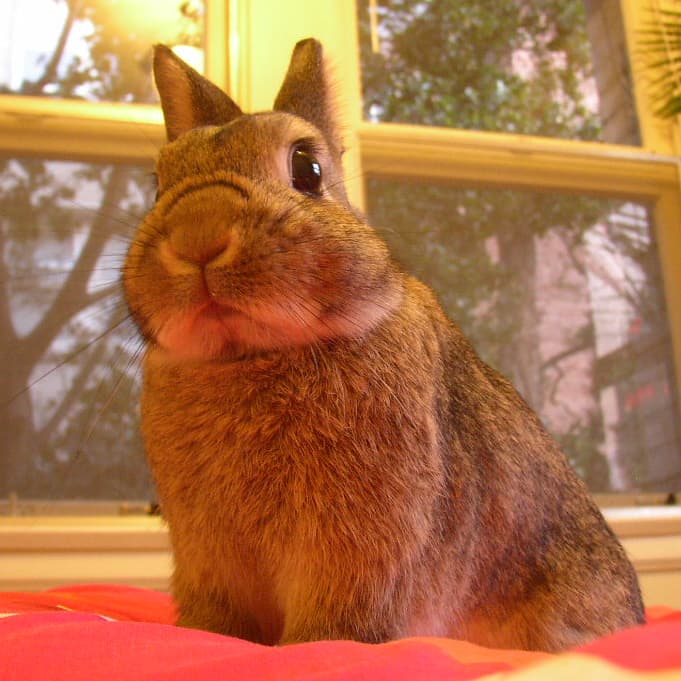
Netherland Dwarf · Mini Lop
Litter-trainable mini companion — like a quiet small cat
Rabbits can be litter-trained, learn their name, and binky with joy — but they chew cables, need daily greens and hay, and live 8–12 years. A free-roam pen beats a hutch.
Photo: Wikimedia Commons / Ian Elwood / CC BY-SA 3.0
Care guide last reviewed: · Care requirements referenced from veterinary and humane standards.
Exercise pen (not a small hutch) plus daily free-roam time.
Virtually silent (1/5)
Tolerates a normal workday with enrichment
Best kept as a bonded pair
Three curated supplies researched for this companion's specific anatomy and daily welfare
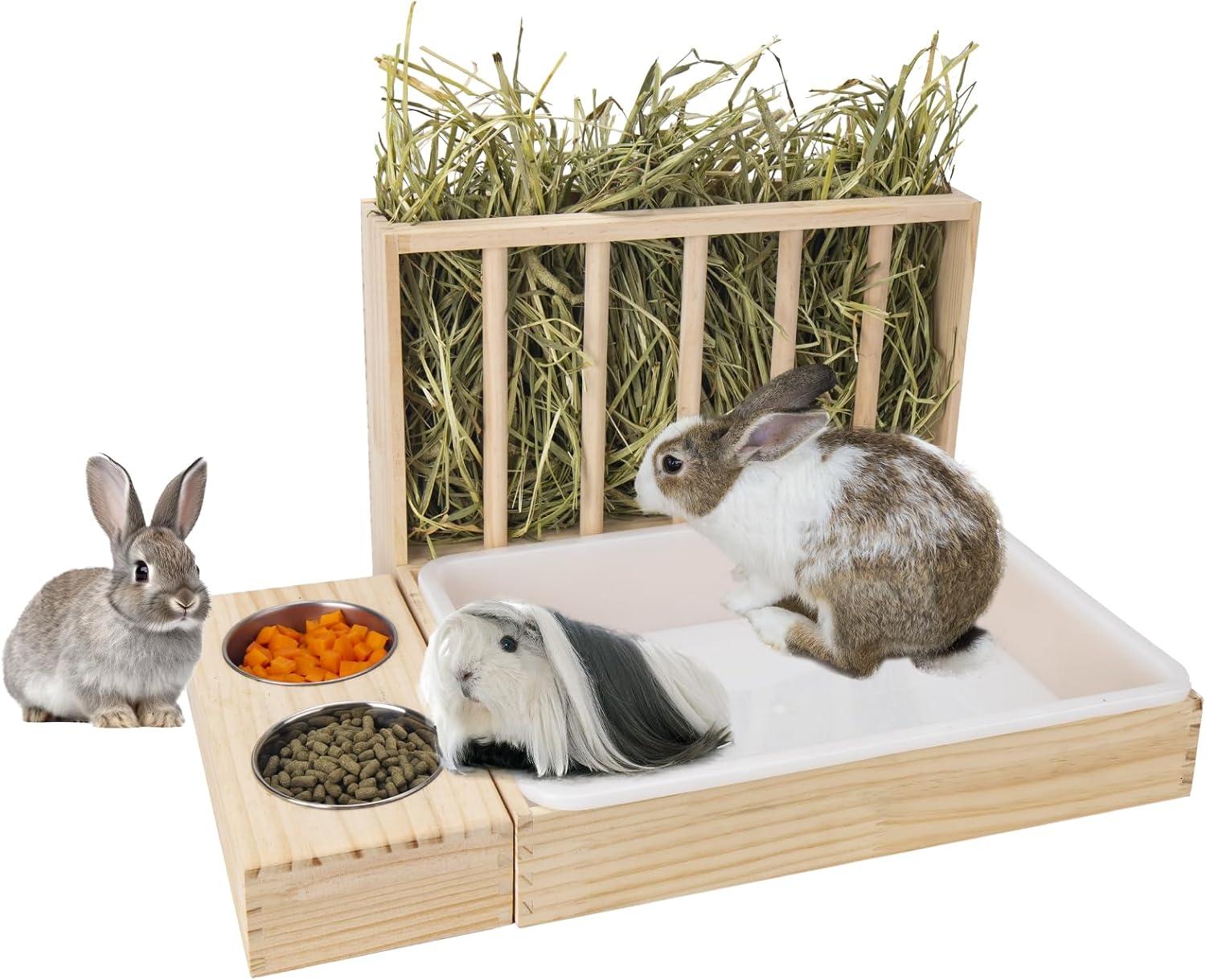
Rabbits naturally chew hay while eliminating; placing clean timothy hay directly above an accessible litter pan establishes impeccable house-training habits.

House rabbits have hyper-sensitive cecal flora prone to lethal GI stasis from hair ingestion during molts; chicory root and chamomile sustain gut motility.
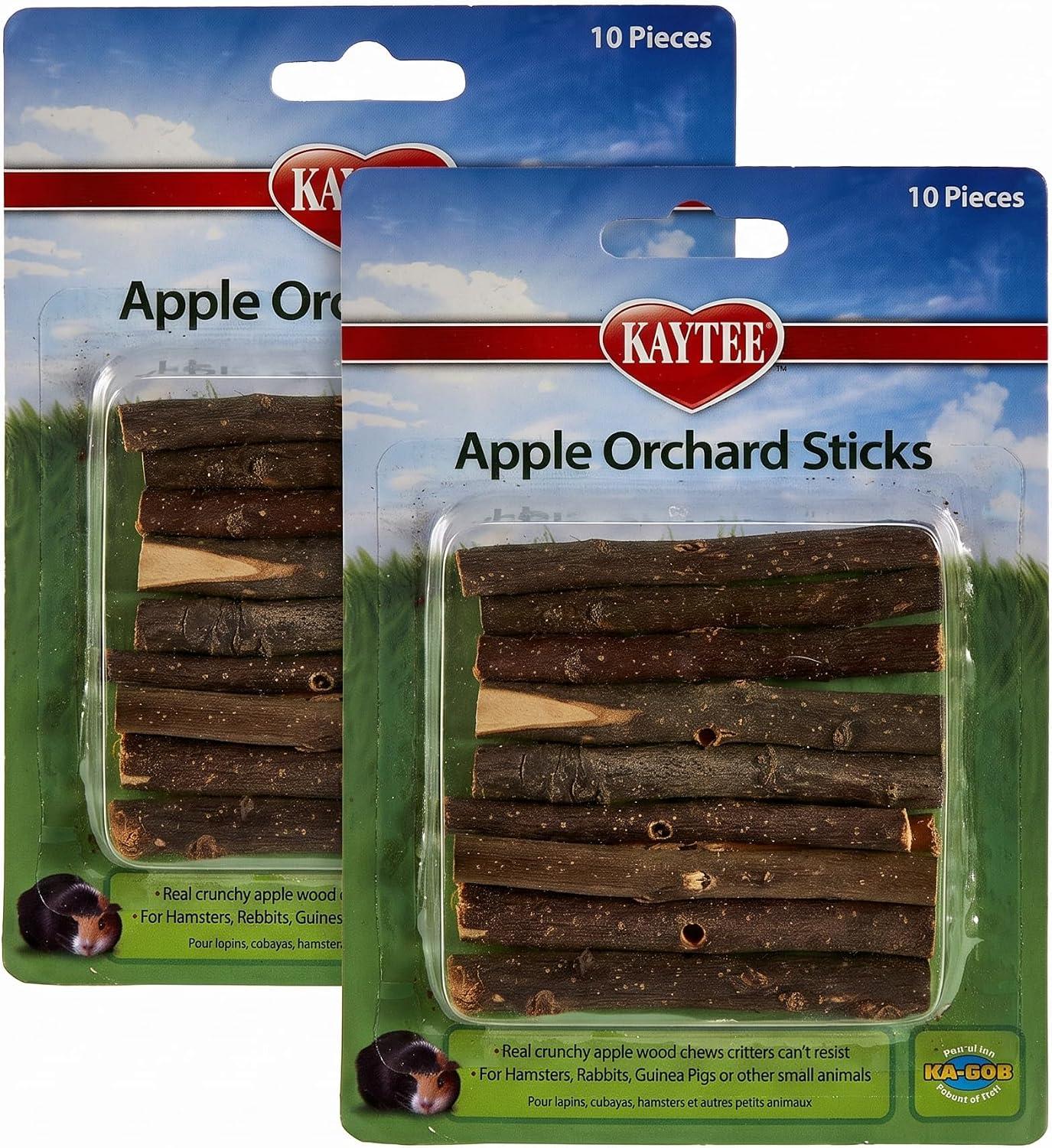
Lagomorph teeth grow up to 5 inches every year; natural untreated orchard wood prevents overgrown dental spurs while redirecting chewing away from baseboards.
As an Amazon Associate, WhatPetSuitsYou earns from qualifying purchases. Product prices and availability are accurate at Amazon and subject to change.
Expect a quiet, intelligent housemate that learns its name, litter-trains like a cat, binkies (joyful leaps) across the room, and flops sideways in contentment. Netherland Dwarfs and Mini Lops are compact and charming but not toys: they dislike restraint, thump in annoyance, and chew anything remotely cable-shaped. Pairs or groups are happiest, though bonding needs neutral-territory introductions over days.
They are silent, odour-free when neutered and cleaned, and crepuscular, matching morning and evening family rhythms. Trust builds over weeks of floor-level patience, treats, and predictable routines.
Feed 85 percent unlimited grass hay (timothy or meadow), a rabbit-sized bundle daily, since fibre drives both digestion and tooth wear. Add a daily greens portion (roughly one cup of leafy greens per 2 pounds of body weight: romaine, herbs, spring greens) and a small measured pellet ration: about 2 tablespoons daily for a 1 to 2 kg Netherland Dwarf or Mini Lop. Provide constant fresh water in a bowl (preferred) plus a bottle.
Never feed muesli mixes, bread, crackers, chocolate, onion, or potatoes; keep fruit to a thumbnail-sized treat occasionally. Change diets over 2 weeks to avoid deadly gut upsets, and offer apple or willow chews for gnawing.
Ditch the small hutch: house indoors in an exercise pen of at least 3 by 2 metres total space (or a large puppy pen plus daily free-roam), with a litter tray of paper-based litter, unlimited hay rack above it, a hide, tunnels, and chew toys. Use solid flooring with rugs or fleece, since wire floors cause sore hocks. Bunny-proof thoroughly before free-roam: cover all cables in trunking (rabbits chew through wires with fatal results), block skirting boards, remove toxic plants, and gate stairs.
Keep at 10 to 22C with shade and ventilation; heatstroke kills fast in summer. Outdoor housing needs an insulated hutch plus a large attached run and predator-proofing.
Spend 45 to 60 minutes daily: refill hay morning and evening, serve greens, refresh water, scoop the litter tray, and sweep pellets. Give 3 to 4 hours of supervised free-roam exercise with human company, since penned rabbits without runs go obese and depressed. Groom weekly (daily in moult), check ears, eyes, nails, and rear end for flystrike risk in warm months.
Trim nails monthly and check teeth alignment via hay-eating vigour. Handle by supporting chest and hindquarters together, never lifting by ears or scruff, and keep sessions low to the ground. Rabbits are dawn-and-dusk active, so schedule play early and late.
Dwarf rabbits live 8 to 12 years with rabbit-savvy vet care. Gastrointestinal stasis (gut slowdown) is the top emergency: a rabbit that stops eating or pooping for 12 hours needs same-day treatment, since stasis kills within a day. Dental disease from insufficient hay needs regular molar checks and sometimes filing under anaesthetic.
Vaccinate against myxomatosis and RVHD1/RVHD2 as your vet advises, and spay or neuter before 6 months: unspayed females face very high uterine cancer rates and both sexes spray and chew more intact. Flystrike in summer, sore hocks, and snuffles round out the list. Annual checks plus insurance are strongly advised.
Adoption costs 40 to 100, often including spay or neuter and vaccines; buying plus private neutering runs 150 to 350. Setup costs 100 to 200 for a pen, litter trays, hay racks, hides, and proofing materials. Monthly, budget 15 to 25 for hay, 10 to 15 for pellets and litter, and 10 to 20 for greens. Annual vaccines cost 60 to 100, yearly checks 40 to 70, and insurance 10 to 20 monthly.
Dental or stasis emergencies cost 200 to 800. Average 60 to 100 per month. The honest note is commitment length: a decade of hay, proofing repairs, and holiday boarding for a fragile exotic.
Rabbits suit calm, proofing-tolerant homes ready for a decade-long, litter-trained companion, not buyers of an Easter impulse. You succeed with an indoor pen plus daily free-roam, hay-first feeding, a rabbit-savvy vet, and acceptance of chewed skirting and hay everywhere. Children must be old enough to handle gently, since spines fracture from kicks and drops.
Think twice if you want a cuddly pet (most rabbits dislike being held), travel often, or rent where proofing is banned. Adopt an already-neutered pair from a rescue for the best experience.
Unlimited timothy hay (85 percent of diet), a cup of leafy greens per 2 pounds of body weight, about 2 tablespoons of pellets, and constant fresh water. Avoid muesli mixes, bread, and sugary treats, which trigger fatal gut upsets.
Small hutches alone are widely condemned by welfare charities. Rabbits need an exercise pen plus daily free-roam, room to run, jump, and stand tall, with hay, hides, and company.
A hutch can only serve as a bedroom base within a larger setup.
Not eating or pooping for 12 hours signals possible GI stasis, a life-threatening emergency often tied to dental pain, stress, or low fibre. Keep the rabbit warm, offer hay, and get same-day rabbit-savvy vet care; do not wait overnight.
Rabbits are social and happiest neutered and bonded in pairs or groups. A lone rabbit needs hours of daily human company.
Adopt an already-bonded neutered pair from a rescue to skip difficult introductions.
Take our free 15-question what pet should I get quiz to get a personalized compatibility score and see how they match your living environment.
Take the Free Pet Quiz