Loading…
Loading…

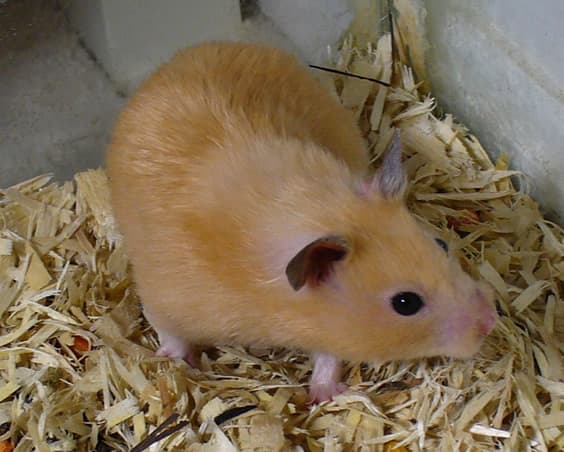
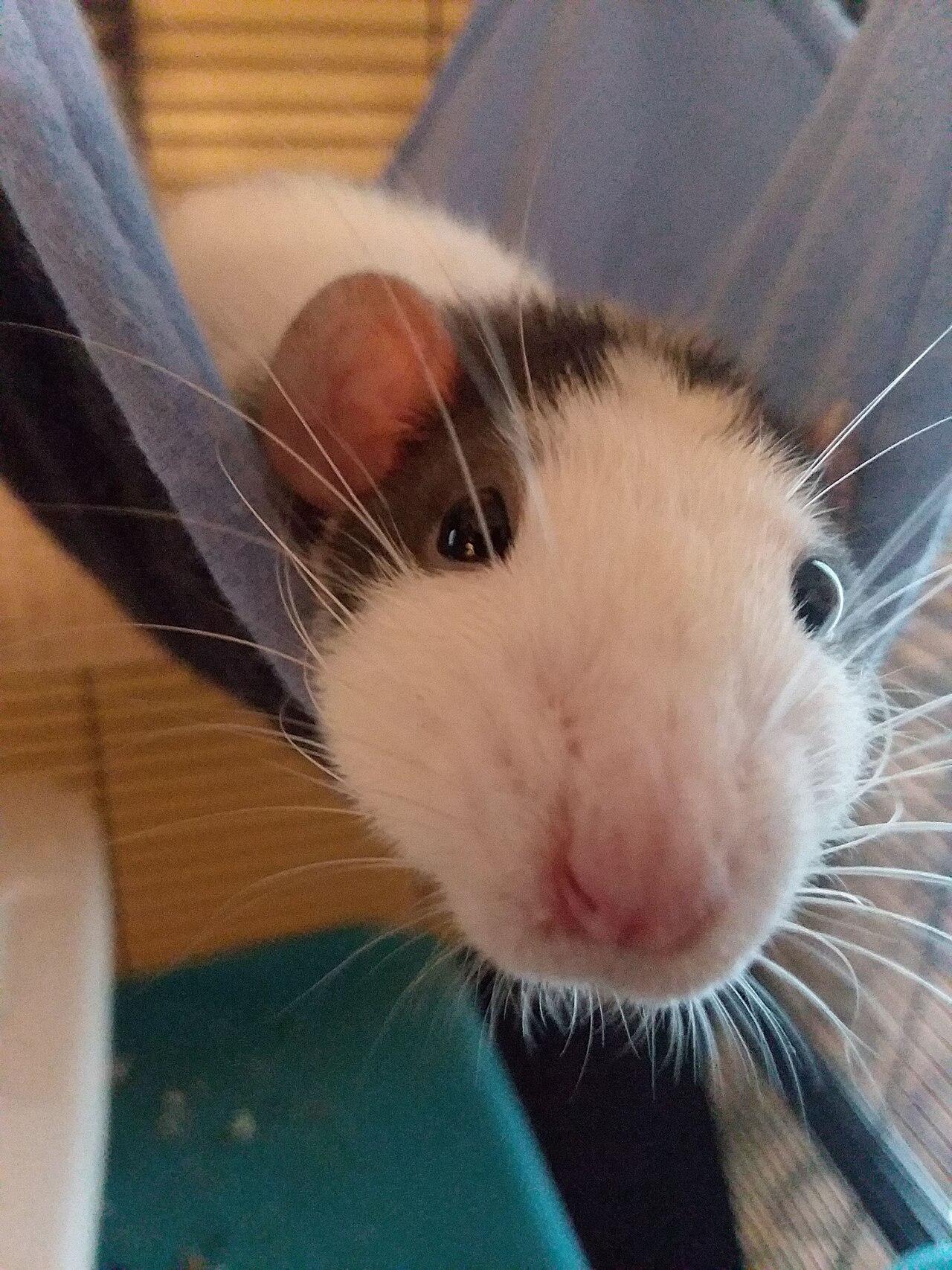
Agouti Gerbil · Black Gerbil
Desert burrowers — awake by day, almost odour-free
Unlike hamsters, gerbils are awake in the daytime, live in pairs, and produce almost no smell. They need a deep tank for tunnelling (not a wire cage) and a dust bath for their coat.
Photo: Wikimedia Commons / Alastair Rae / CC BY-SA 2.0
Care guide last reviewed: · Care requirements referenced from veterinary and humane standards.
Deep glass tank with 8+ inches of bedding; same-sex pair.
Virtually silent (1/5)
Misses company — best with someone home often
Best kept as a bonded pair
Three curated supplies researched for this companion's specific anatomy and daily welfare

Gerbils kick bedding furiously while constructing tunnel systems; combining a deep glass tank bottom with a wire upper topper keeps food and water clean.
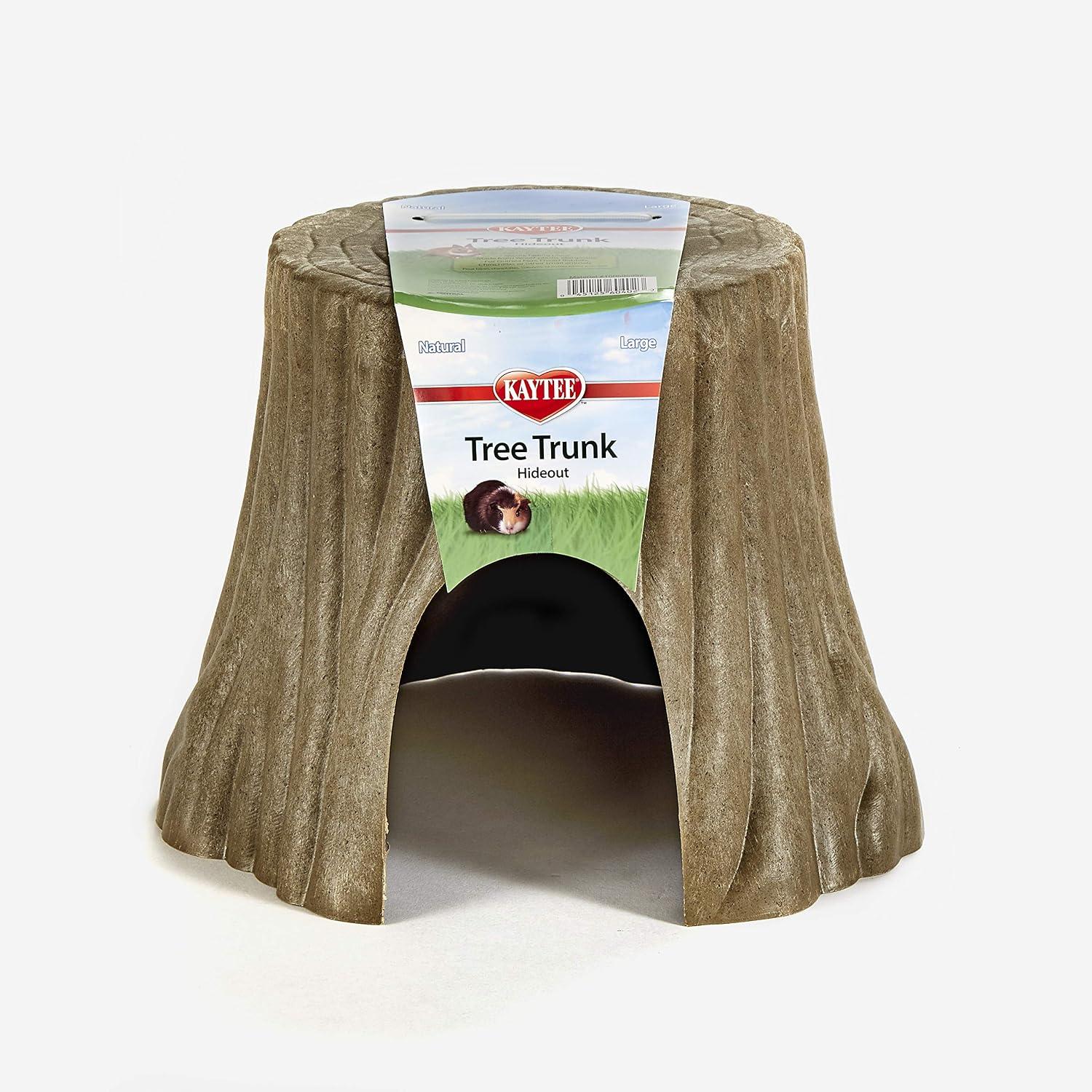
Gerbils chew through plastic within hours, risking fatal plastic impaction; solid untreated barked timber provides a durable natural nesting hide.

Originating in arid Mongolian steppes, gerbils strip greasy skin secretions through sand rolling; pure silica sand cleans without triggering respiratory inflammation.
As an Amazon Associate, WhatPetSuitsYou earns from qualifying purchases. Product prices and availability are accurate at Amazon and subject to change.
Expect busy, curious daytime companions that burrow elaborate tunnels, thump hind feet when excited, wrestle gently, and take treats from fingers. Tame pairs climb onto hands and enjoy short handling, but they are quick, jumpy, and fragile to falls, so children handle them seated over a table or playpen. They are nearly odour-free and quiet apart from soft gnawing and rustling, ideal for bedrooms.
Chewing is constant and healthy: supply endless cardboard. Pairs sleep piled together and groom each other; a lone gerbil is visibly subdued. Watching tunnel engineering through glass sides is half the pleasure.
Feed a gerbil-specific mix or plain hamster mix with 12 to 15 percent protein as the base, about one tablespoon per gerbil daily, plus unlimited timothy hay for gnawing and digestion. Add tiny fresh extras a few times weekly: broccoli floret, carrot shaving, pumpkin seed, or a mealworm. Provide constant fresh water in a sipper bottle checked daily for blockages.
Never feed chocolate, citrus, onion, garlic, or salty snacks, and avoid sunflower-seed-heavy mixes that fatten desert animals fast. Scatter-feed part of the ration in bedding to encourage natural foraging. Introduce new foods gradually and remove uneaten fresh food within 12 hours to protect hoards from mould.
Keep a same-sex PAIR, ideally littermates: lone gerbils suffer, and adults violently reject strangers (split-cage introductions over days are needed). House two in a 75-litre or larger glass tank (90 by 45 cm footprint minimum, 40 gallons recommended) with a secure mesh lid, filled with 20 cm or more of paper and hay bedding for tunnelling, never a wire cage that fails burrowing and injures feet. Add a solid 20 cm-plus wheel (no mesh that traps tails), hides, cardboard tunnels, chews, and a sand bath with chinchilla sand, not fine dust that harms airways.
Keep at 20 to 24C away from sun and draughts. Spot-clean weekly and change part of the bedding fortnightly.
Spend 15 to 20 minutes daily: refresh water and check the bottle, scatter measured food, remove old fresh food, and check the wheel and sand bath. Handle in short daytime sessions (gerbils are awake by day, unlike hamsters), scooping gently and never grabbing the tail, which can deglove and require amputation. Offer a supervised playpen run for 10 to 15 minutes.
Weekly, weigh both gerbils, sift the sand bath, inspect teeth, eyes, nose (red staining can signal stress or mites), and feet. Monthly, partial-clean the tank without destroying every tunnel. Total care is minimal, but daily company matters: tame gerbils solicit play and treats.
Gerbils live 3 to 4 years and are hardy with correct housing. Tail slip is the signature injury: a grabbed tail sheds its skin and needs immediate vet care, sometimes partial amputation, which is why tails are never handles. Epileptiform seizures affect 20 to 40 percent of some lines, usually starting at 2 to 3 months and often fading by 6 months: keep the room calm, do not restrain a seizing gerbil, and log episodes for the vet.
Sore nose (nasal dermatitis), overgrown teeth from poor gnawing, and scent-gland tumours in old males round out the list. Exotic-vet visits run 30 to 60; keep a small emergency fund.
A same-sex pair costs 10 to 30. A large tank with mesh lid runs 60 to 120, plus wheel, hides, and sand bath around 40 one-off. Monthly costs are minimal: 5 for food mix and hay, 5 for bedding and sand, and occasional cardboard. Annual exotic-vet checks cost 30 to 60 if used.
Emergency tail or seizure care runs 50 to 150. Average 12 to 20 per month, among the cheapest pets here. The pair requirement doubles food but barely moves the total: two gerbils still cost less monthly than one guinea pig. Lifespan of 3 to 4 years keeps lifetime cost low but means preparing children for goodbye.
An excellent beginner pet for kids wanting a daytime animal: hardy, nearly odour-free, awake when children are, and cheap. You succeed with a same-sex pair in a deep burrowing tank, gentle handling that never touches tails, and 15 minutes daily. Buy young littermates already bonded and keep them together for life.
Avoid if you want a cuddly lap pet (gerbils are active watch-and-play animals), or if you might later add a third adult (introductions usually fail). Respect the tail rule absolutely, and you get 3 to 4 years of desert-burrowing entertainment.
No. Gerbils are social desert animals that live in family groups and suffer alone.
Always keep at least a same-sex pair, ideally bonded littermates. Introducing a stranger adult usually fails and causes serious fights.
The tail skin can strip off (degloving) when grabbed, causing bleeding, infection, and often surgical amputation. Always scoop gerbils in cupped hands or a tube, and teach children the rule on day one.
A large glass tank (90 by 45 cm minimum) with a mesh lid and 20 cm or more of paper-hay bedding for tunnelling. Wire hamster cages block burrowing and injure feet.
Add a solid wheel, hides, chews, and a sand bath.
Some lines carry inherited seizures triggered by stress or startling, usually starting at 2 to 3 months and often fading by 6 months. Keep handling calm, never restrain a seizing gerbil, and log episodes for your vet; most cause no lasting harm.
Take our free 15-question what pet should I get quiz to get a personalized compatibility score and see how they match your living environment.
Take the Free Pet Quiz