Loading…
Loading…
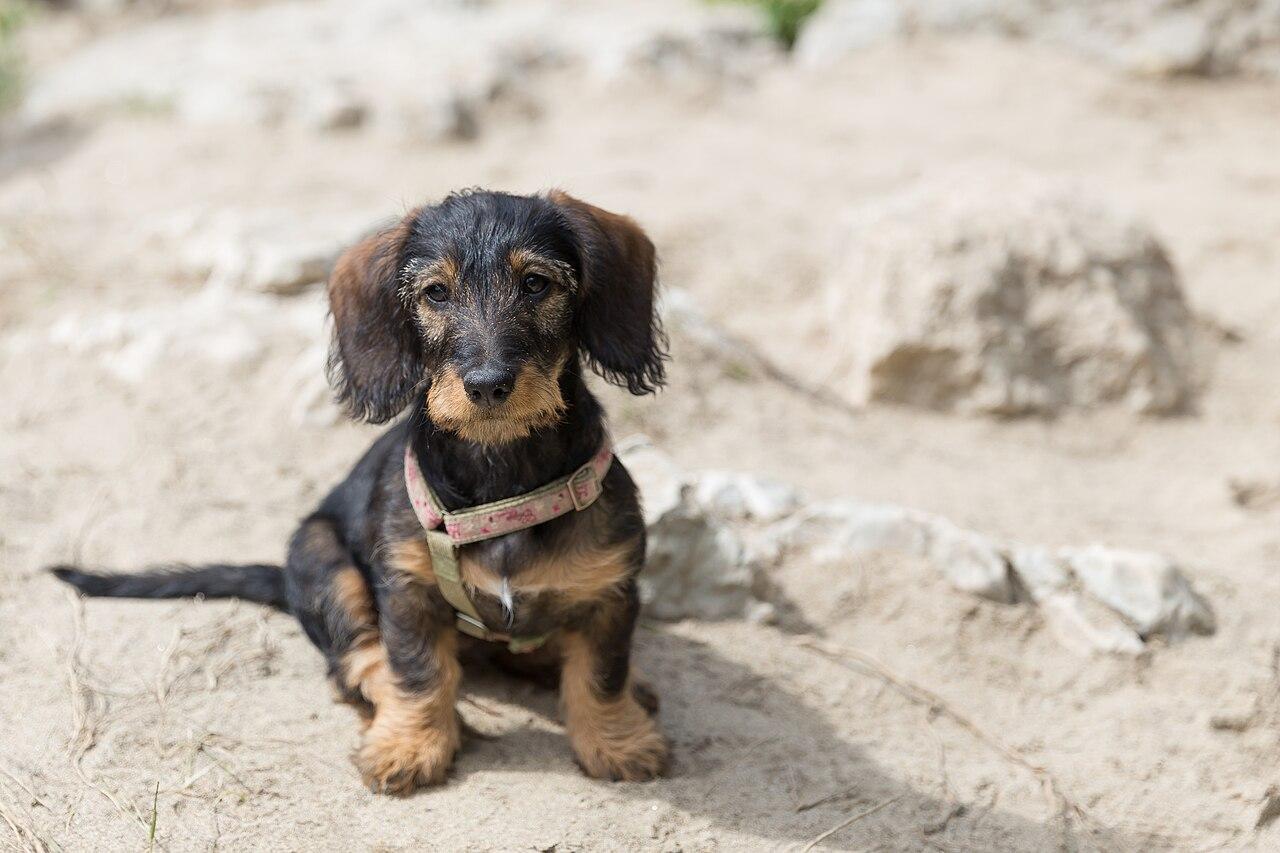
Miniature Smooth · Standard Long-Haired · Wire-Haired
Brave little sausage dog with a huge personality
Small body, big character: loyal, funny, and fine in apartments with moderate walks. Long back needs care — no jumping off sofas, and keep weight down to protect the spine.
Photo: Wikimedia Commons / CC BY-SA 4.0
Care guide last reviewed: · Care requirements referenced from veterinary and humane standards.
Any home; ramps and no-stairs setup protects the long back.
Vocal (4/5)
Tolerates a normal workday with enrichment
Thrives with daily company
Three curated supplies researched for this companion's specific anatomy and daily welfare
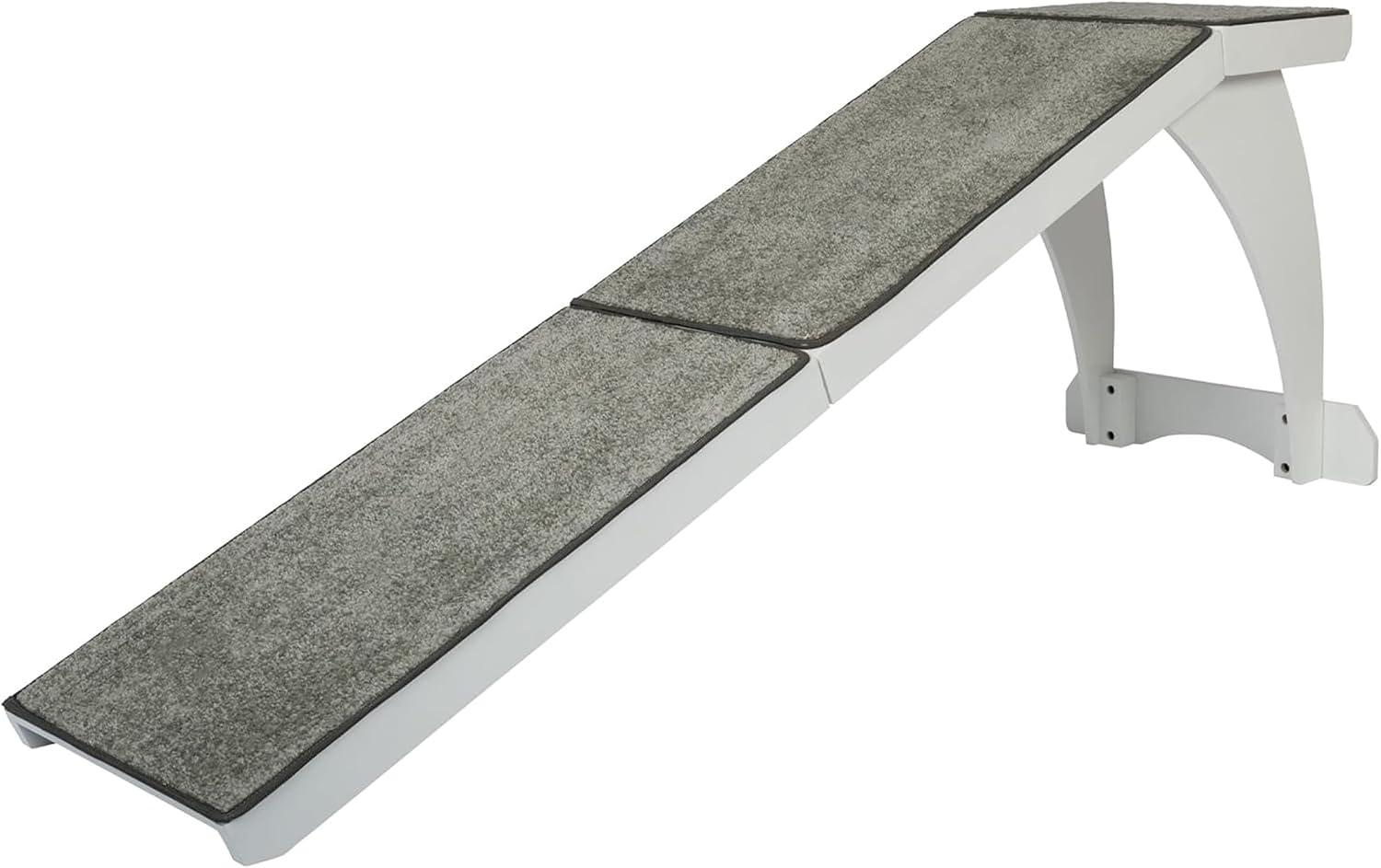
Dachshunds have elongated spines and chondrodystrophy, giving them extreme risk of Intervertebral Disc Disease; gentle ramps prevent paralyzing jumps off couches.
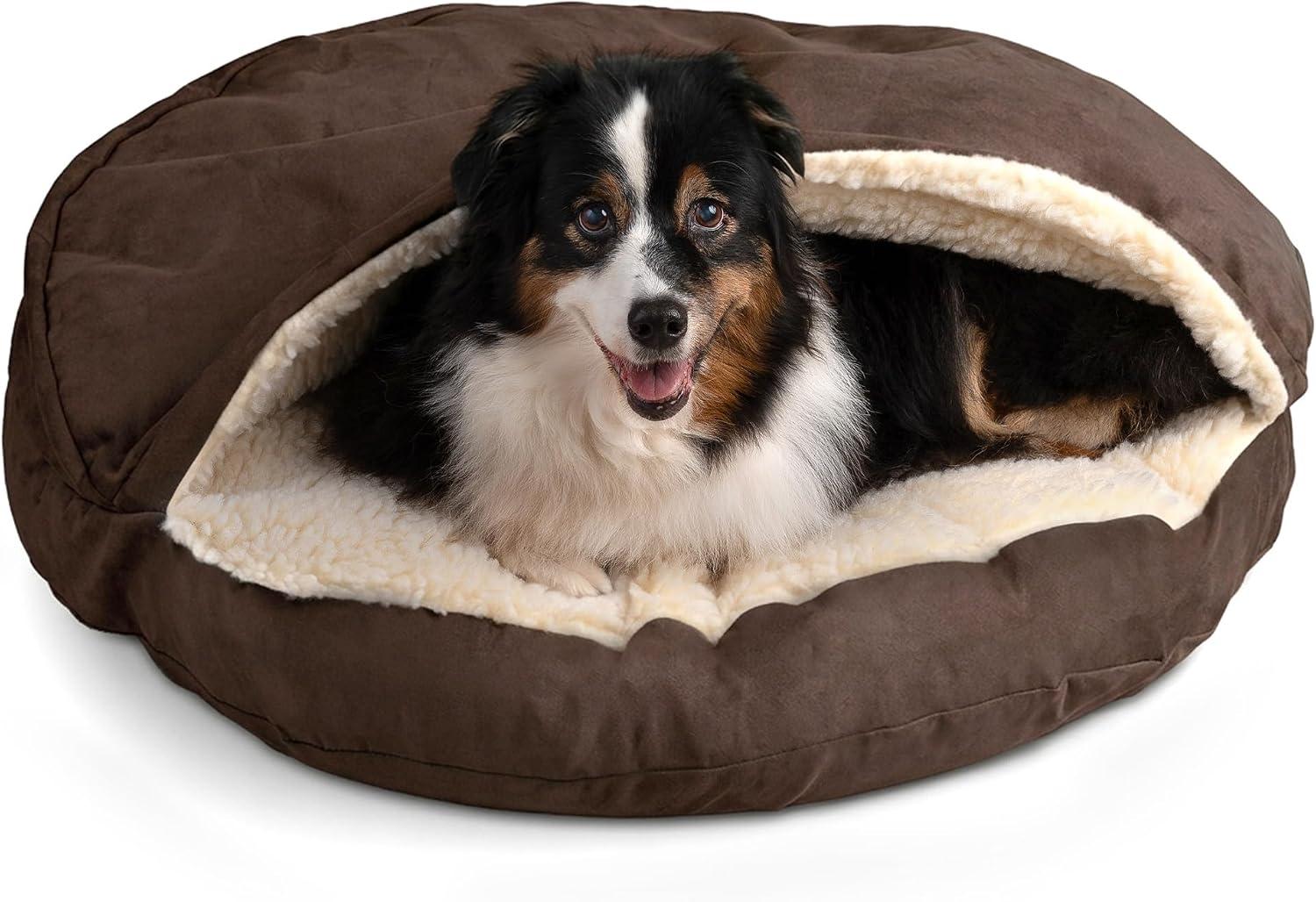
Bred to flush badgers from deep underground tunnels, Dachshunds crave enclosed burrowing security and relax best wrapped inside a hooded burrow cave.
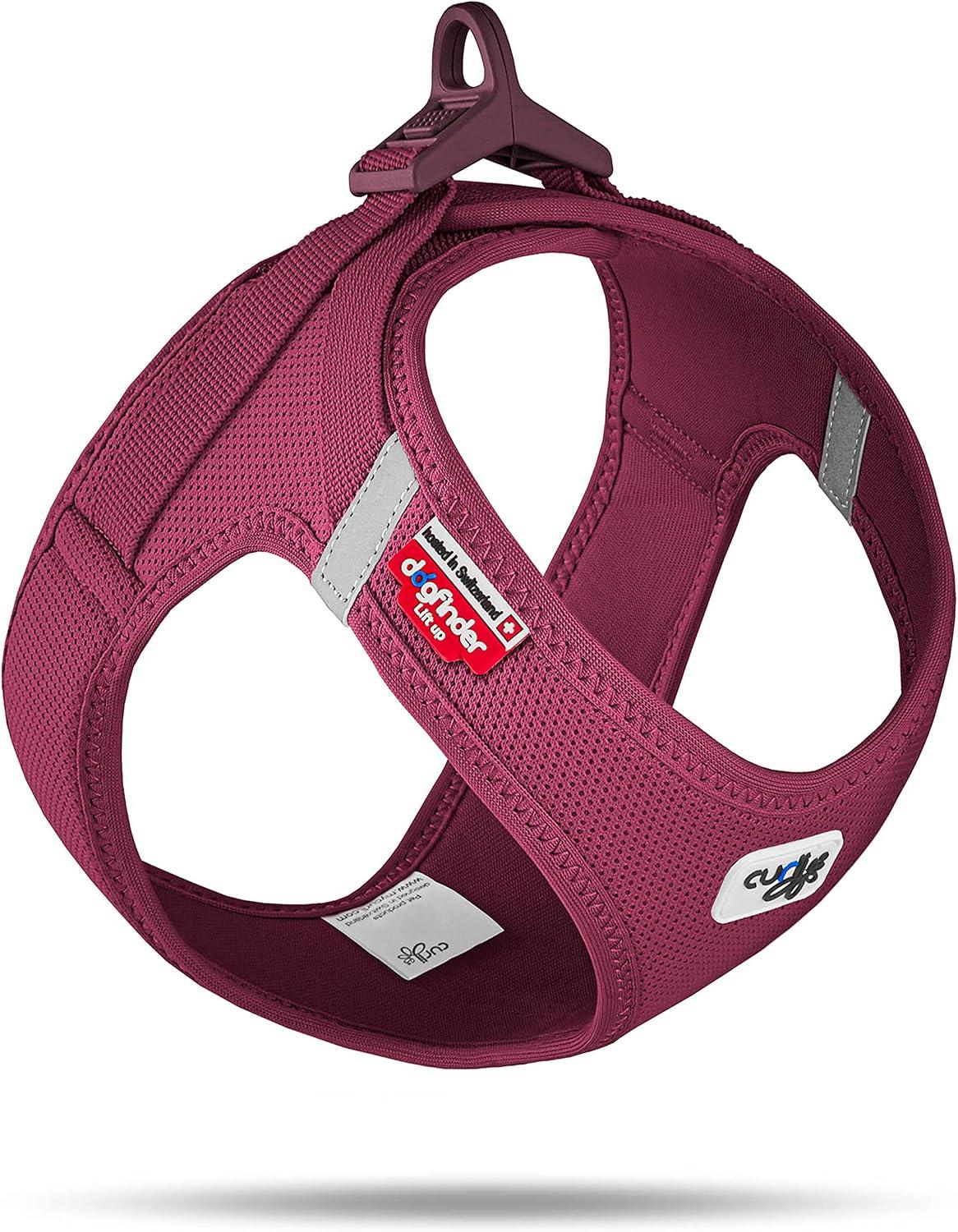
Standard dog collars put concentrated strain on delicate cervical vertebrae; a lightweight mesh chest vest evenly distributes walking tension across the ribcage.
As an Amazon Associate, WhatPetSuitsYou earns from qualifying purchases. Product prices and availability are accurate at Amazon and subject to change.
As a pet, the Dachshund is a brave, comic loyalist: it picks a favourite person, burrows under duvets, follows you like a shadow, and announces every visitor, pigeon, and falling leaf with full voice. Noise is high — persistent watchdog barking that needs training from puppyhood. With children it is affectionate but fragile-backed; rough handling and stair-chasing games are out.
It tolerates a normal workday better than clingier breeds but still wants evening company and warm laps. Give it sniffy walks, burrow blankets, and firm kind rules, and you get a 12 to 16 year companion with more personality per kilo than almost any dog alive.
Feed a complete small-breed food in two measured meals daily — roughly 80 to 110 g of kibble for a Miniature and 150 to 230 g for a Standard (about 250 to 450 and 500 to 700 calories respectively), adjusted to a visible waist and felt ribs. Dachshunds beg professionally and obesity directly loads the spine, so measure portions, keep treats under 10 percent, and use low-calorie veggie rewards like green beans or carrot. Choose small-bite kibble plus daily dental chews or brushing, since crowded jaws make dental disease near-universal without care.
Puppies need 3 small meals until 6 months. Avoid chocolate, grapes, raisins, onions, garlic, xylitol, cooked bones, and fatty scraps, and weigh monthly — even half a kilo extra matters on a long back.
Any home works if you back-proof it: fit ramps or shallow steps at sofas, beds, and car boots, block open staircases with baby gates, lay rugs on slippery floors, and keep the dog's world on one level. Use a chest harness, never a neck collar, to spare the neck discs, and provide an orthopaedic bed in a warm draught-free corner — Dachshunds feel the cold and burrow under blankets. Crate-train for safe rest and for the strict crate-rest weeks that follow any disc episode.
Garden fences need only be modest, but block under-fence digging gaps. Keep weight-management tools visible: measuring cup, kitchen scales, and a treat jar of low-calorie options.
Give 30 to 60 minutes daily: two 15 to 25 minute brisk walks on a harness at a steady pace, plus 10 minutes of scent games, puzzle feeders, or trick training — Dachshunds are clever hunters that go stir-crazy without brain work. Avoid ball-chasing leaps, sofa launches, stair sprints, and rough wrestling with big dogs.
Brush weekly (daily for long-haired, hand-strip or trim wire-haired coats periodically), check ears, trim nails every 2 to 3 weeks, and brush teeth daily — dental disease is a top vet bill here. Lift correctly every time: one hand under the chest, one under the rump, back kept level, never dangled or grabbed by the front legs.
Annual vet checks tracking weight, gait, teeth, and back pain signs; report any yelping, wobbliness, dragging toes, reluctance to jump, or hunched posture the same day — IVDD affects roughly 1 in 4 Dachshunds and early crate rest plus medication saves many from surgery ($5,000 to $9,000). Keep weight ruthlessly lean, exercise on soft level routes, and ask your vet about disc-aware handling and physiotherapy options.
Expect dental cleanings (often from young adulthood), progressive retinal atrophy and cataract screening in some lines, patella checks, and Cushing's or thyroid workups if an older dog drinks more and gains belly weight. Insure before problems start — back surgery is the breed's budget-breaker.
Budget $100 to $170 a month: $30 to $50 for small-breed food and dental chews, $25 to $40 for prevention and amortised vaccines, $15 to $25 for toys and puzzle feeders, and $25 to $50 for insurance. First year runs $1,500 to $2,500 with vaccines, spay or neuter, crate, ramps, harness, and training class.
The financial cliff is spinal surgery at $5,000 to $9,000 plus rehab, which is why insurance plus a $1,000 emergency fund is the standard advice. Dental cleanings under anaesthesia ($500 to $1,200) recur through life, and long or wire coats add periodic grooming bills.
Dachshunds suit apartment beginners who want big-dog character in a small package and will enforce back rules like law. They are devoted, funny, long-lived, and need only moderate exercise — very achievable. The catches are real: loud watchdog barking, stubborn slow house-training, and a spine that punishes sofa jumps, stairs, and fat with $9,000 surgery.
You will struggle with toddlers (long backs plus grabby hands), spiral staircases, or a laissez-faire attitude to weight and furniture rules. Success means ramps everywhere, lean meals, harness walks, daily teeth care, and laughing at a dog that believes itself a 40 kg guardian.
Keep the dog lean, walk on a harness at a steady pace, and eliminate jumping: ramps at sofas, beds, and cars, stair gates, rugs on slick floors, and correct lifting (chest plus rump, back level). Build core strength with regular moderate walks rather than weekend warrior hikes.
Treat any yelp, wobble, or reluctance to move as a same-day vet visit — early IVDD treatment avoids surgery.
About 30 to 60 minutes daily: two brisk 15 to 25 minute leashed walks plus scent games or puzzle toys. They are sturdier than they look but built for steady trotting, not sprinting or jumping — skip frisbee leaps, stair runs, and long mountain hikes.
Puppies need short walks with rest breaks. Consistent daily movement with strong muscles protects the spine far better than weekend overexertion.
They have a deserved reputation for slow house-training: small bladders, cold-weather reluctance, and legendary stubbornness. Success needs a rigid schedule (out after waking, eating, and play), crate training, high-value rewards for outdoor toilets, and months of patience — many take 6 to 12 months to fully reliability.
Punishment backfires; consistency and enzymatic cleaner for accidents win.
Take our free 15-question what pet should I get quiz to get a personalized compatibility score and see how they match your living environment.
Take the Free Pet Quiz