Loading…
Loading…
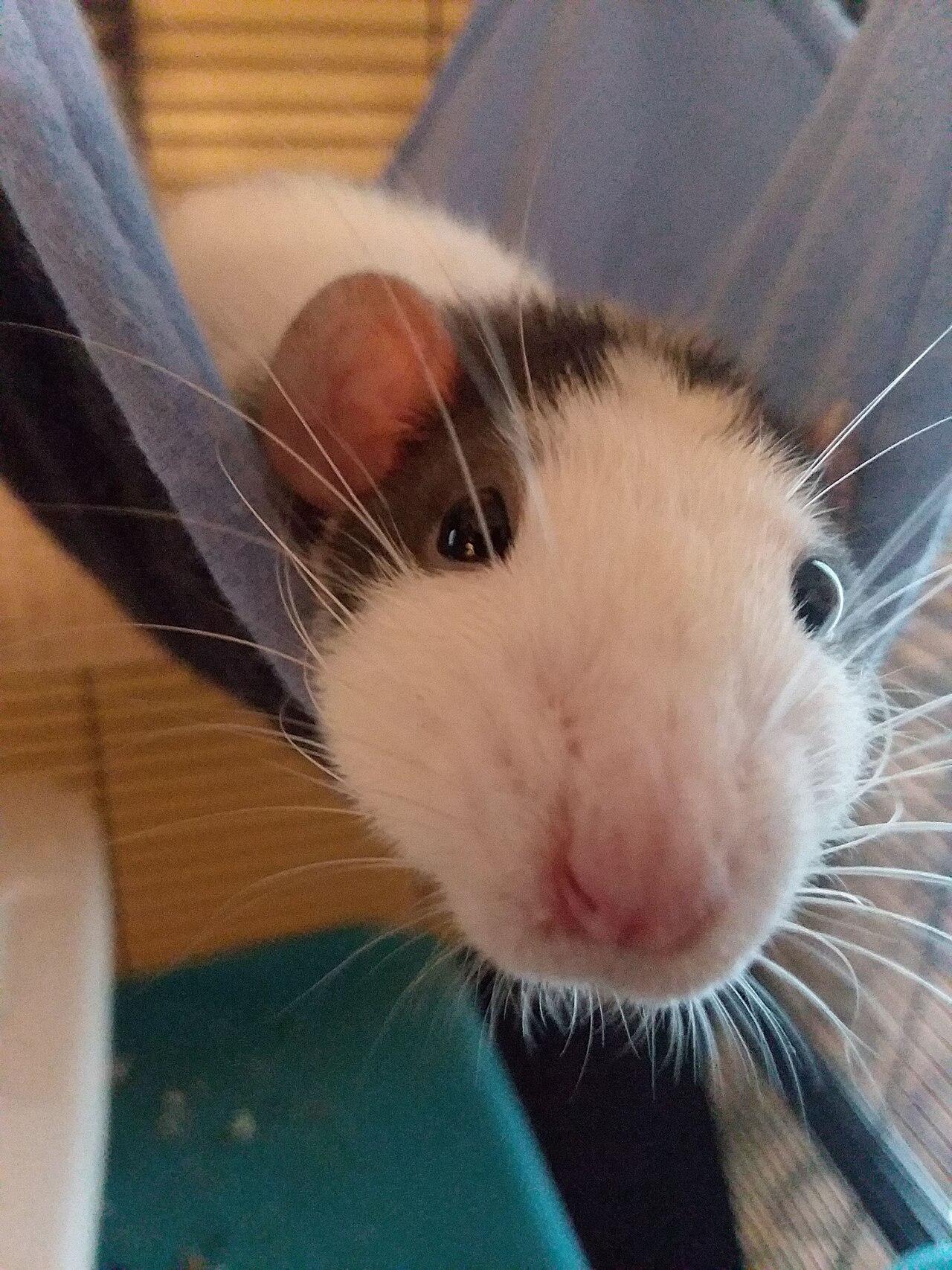
Dumbo Rat · Hooded Rat · Rex Rat
Pocket-sized genius — learns its name and loves shoulders
The most intelligent rodent pet: rats learn tricks, come when called, and bond deeply. Keep same-sex pairs, give a tall cage with hammocks, and enjoy 15–30 minutes of shoulder time daily.
Photo: Wikimedia Commons / AviationFreak / CC BY-SA 4.0
Care guide last reviewed: · Care requirements referenced from veterinary and humane standards.
Tall wire cage with levels and hammocks; daily out-of-cage play.
Quiet (2/5)
Misses company — best with someone home often
Best kept as a bonded pair
Three curated supplies researched for this companion's specific anatomy and daily welfare
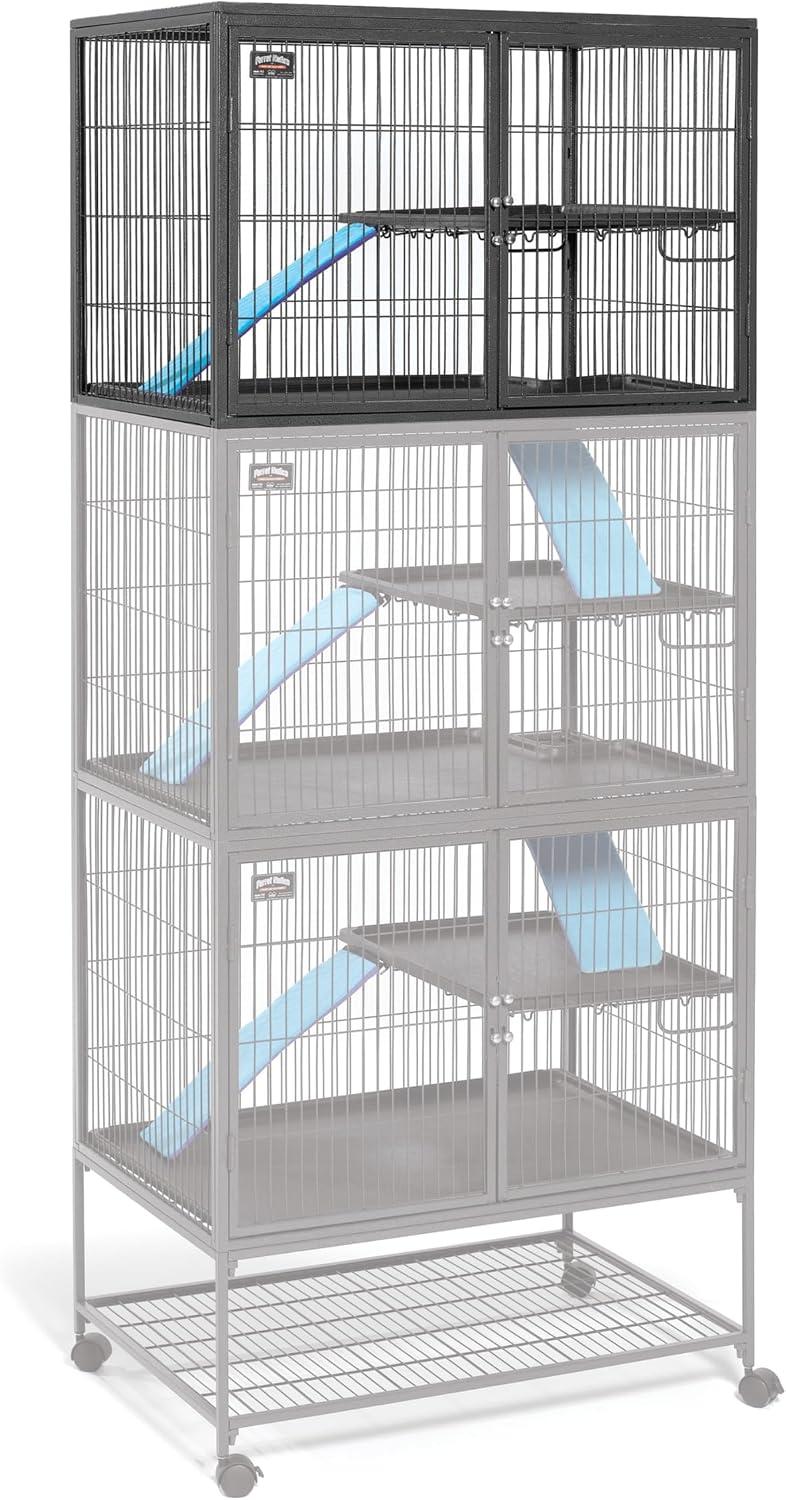
Rats are agile climbers needing vertical territory with safe 1/2-inch horizontal wire spacing to prevent juvenile escapes and foot bumblefoot injuries.
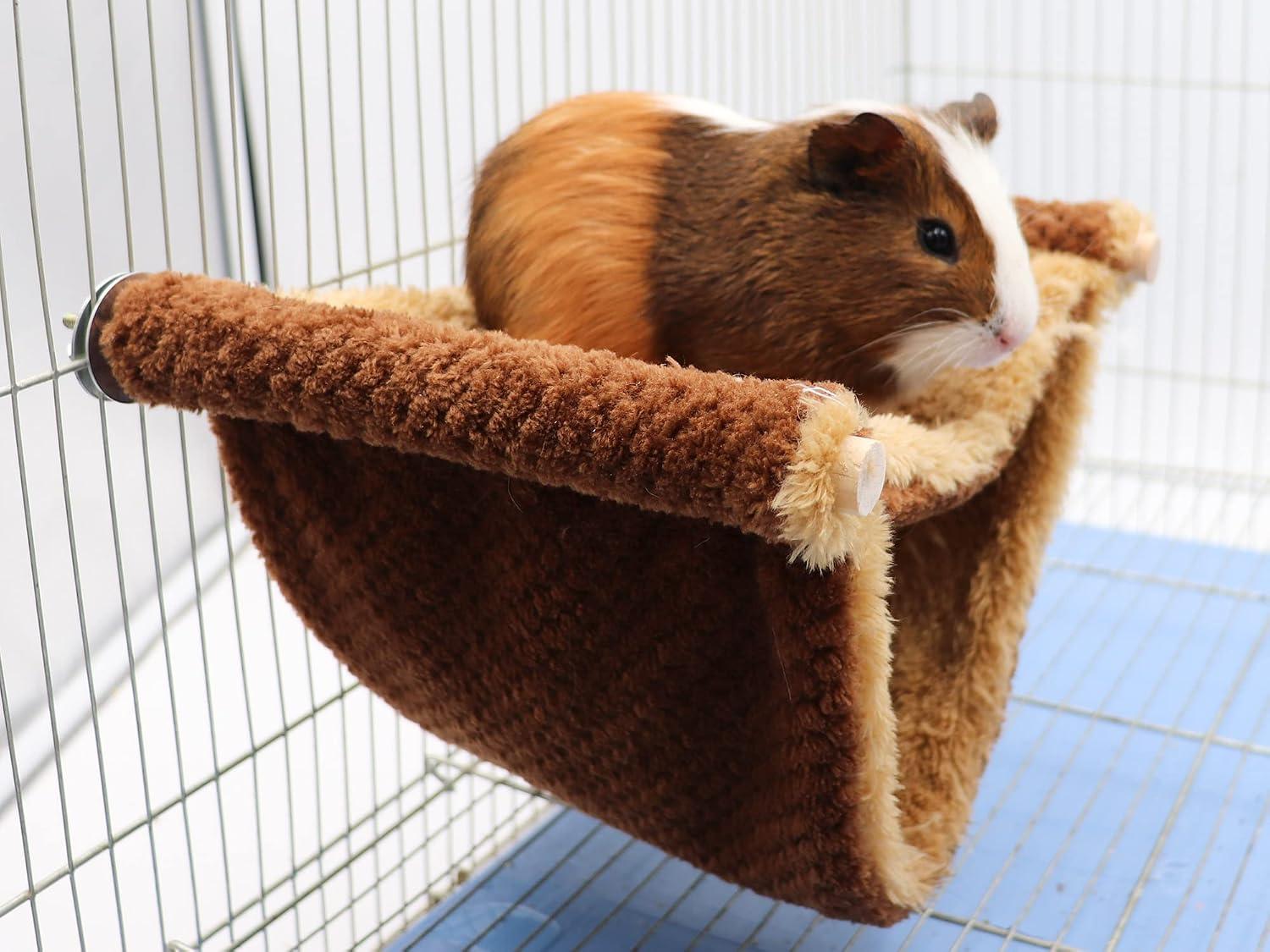
Highly social rats sleep in communal piles to regulate warmth and bond; suspended bunkbed fleece nests satisfy their urge to burrow off the cage floor.

Rats offered seed mixes pick out fatty sunflower seeds, causing severe nutritional deficiencies; uniform extruded kibble ensures complete, balanced micronutrient intake.
As an Amazon Associate, WhatPetSuitsYou earns from qualifying purchases. Product prices and availability are accurate at Amazon and subject to change.
Expect tiny-dog devotion: rats learn their names, come when called, ride shoulders, stash treats in your pockets, brux (grind teeth) and boggle (bulge eyes) with happiness, and groom your hands. Pairs wrestle, sleep piled together, and pine visibly when separated. They are clean, nearly odour-free when kept well, and quiet apart from soft bruxing and occasional sneezes.
Downsides are lifespan and health: tumours and breathing issues are near-certainties, males scent-mark (neutering helps), and they chew anything left in reach during free-roam. Trust builds fast with daily treats, and most rats adore shoulder time within weeks.
Feed a complete rat nugget or lab-block diet as the staple (about 15 to 20 g per rat daily), since nuggets prevent selective feeding that muesli mixes cause. Add a small daily top-up of fresh veg and occasional fruit or cooked egg: broccoli, peas, carrot, cucumber, and berries are favourites. Provide constant fresh water in two sipper bottles (one spare in case of blockage).
Never feed chocolate, caffeine, alcohol, raw beans, green potato skins, or sticky peanut butter that chokes. Avoid citrus for males on some evidence of kidney risk, and keep treats pea-sized to prevent obesity. Introduce new foods gradually and remove uneaten fresh food within 12 hours.
Keep a same-sex PAIR minimum, never one: lone rats pine and die young. House two in a tall wire cage of at least 90 by 60 by 120 cm with 1 cm or smaller bar spacing, multiple levels, ramps, and a solid-floored sleeping box with hammocks (rats adore hammocks above all). Use dust-free paper or hemp bedding, never pine or cedar shavings whose fumes damage lungs.
Add a litter tray, chew toys, tunnels, and a digging box. Place the cage in a draught-free living area at 18 to 24C, away from direct sun and cigarette smoke. Clean the tray every few days and deep-clean weekly, since ammonia from urine is the top respiratory trigger.
Spend 30 to 45 minutes daily: refresh food and water, remove stale fresh food, spot-clean the tray and hammocks, and check both rats' breathing, eyes, and feet. Give 30 to 60 minutes of supervised out-of-cage play in a rat-proofed room or playpen: shoulder rides, treat puzzles, and come-when-called training. Handle both rats daily so they stay tame, checking for lumps during cuddles (tumour watch).
Rotate toys, wash hammocks weekly, and weigh monthly on kitchen scales. Rats are nocturnal but adapt to evening play; schedule free time after dinner when they are liveliest. Vet-check any new sneezing with red eye discharge promptly.
Rats live only 2 to 3 years, and respiratory disease is the rule, not the exception: Mycoplasma pulmonis infects most pet rats, flaring as chronic sneezing, noisy breathing, and head-tilt that needs antibiotics and dust-free, low-ammonia housing. Mammary and other tumours are extremely common, especially in unspayed females: check weekly for lumps and discuss removal surgery early while small. Hind-leg degeneration strikes old males.
Find a rat-savvy vet before purchase, since many practices see few rats and surgery on a 400 g animal needs experience. Annual checks are wise but the short life means most owners face one or two major vet decisions per rat.
A pair from a breeder or rescue costs 20 to 60. A large tall cage runs 80 to 200, with hammocks, bottles, and toys another 40 to 80 one-off. Monthly, budget 10 to 15 for nuggets and bedding plus 5 to 10 for fresh veg. Vet costs dominate: respiratory consultations and antibiotics 40 to 100 per episode, tumour removal 150 to 400.
Insurance for rats is rare, so keep a 200 to 300 vet fund per pair. Average 30 to 50 per month excluding surgery years. The emotional arithmetic matters more than money: with 2 to 3 year lifespans, owners face frequent goodbyes and should plan overlapping generations or accept gaps.
An outstanding small pet for teens and adults wanting genuine interaction in a flat: clever, affectionate, trainable, and clean. You succeed with a same-sex pair, a tall enriched cage, an hour of evening free-roam, and acceptance of vet bills and short lives. Supervise children so rats are never squeezed or dropped, and keep cats and dogs away from free-roam time.
Avoid if you cannot handle tumours and respiratory illness, need a pet to live a decade, or are squeamish about tails. Buy from breeders selecting for health and temperament, and prepare to be converted into a lifelong rat person.
No. Rats are intensely social and a lone rat becomes depressed and sickly.
Always keep at least a same-sex pair or small group. If one dies, prioritise finding the survivor new company quickly through a rescue or breeder.
At least 30 to 60 minutes of supervised free-roam daily in a rat-proofed room, with climbing, foraging, and human interaction. Cage-only rats go obese, bored, and skittish.
Evening sessions match their natural active hours.
Occasional sneezes in a new home can be adjustment, but persistent sneezing with red eye or nose discharge, noisy breathing, or lethargy signals respiratory infection needing vet antibiotics. Switch to dust-free bedding and clean urine-soaked areas promptly.
Typically 2 to 3 years. Respiratory disease and tumours are very common, so weekly lump checks, dust-free housing, and a rat-savvy vet maximise healthy time.
Plan for the short lifespan before adopting.
Take our free 15-question what pet should I get quiz to get a personalized compatibility score and see how they match your living environment.
Take the Free Pet Quiz