Loading…
Loading…
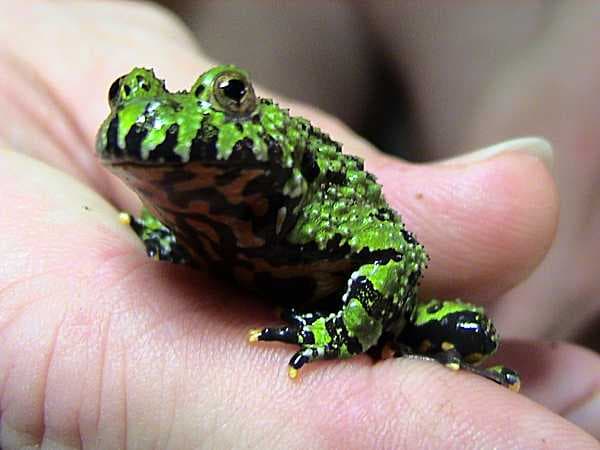
Oriental Fire-Bellied Toad
Bright-bellied pond toad with a cheerful daytime chirp
Green above, fire-orange below: fire-bellied toads flash their bellies at “predators” and chirp like tiny dogs by day. Hardy groups in a half-water tank — just wash hands after contact, as skin secretions irritate eyes and mouths.
Photo: Wikimedia Commons / Dawson / CC BY-SA 2.5
Care guide last reviewed: · Care requirements referenced from veterinary and humane standards.
Half-water paludarium with a sloping bank; group of 3–6.
Moderate (3/5)
Highly independent — comfortable alone 8+ hours
Thrives with daily company
Three curated supplies researched for this companion's specific anatomy and daily welfare
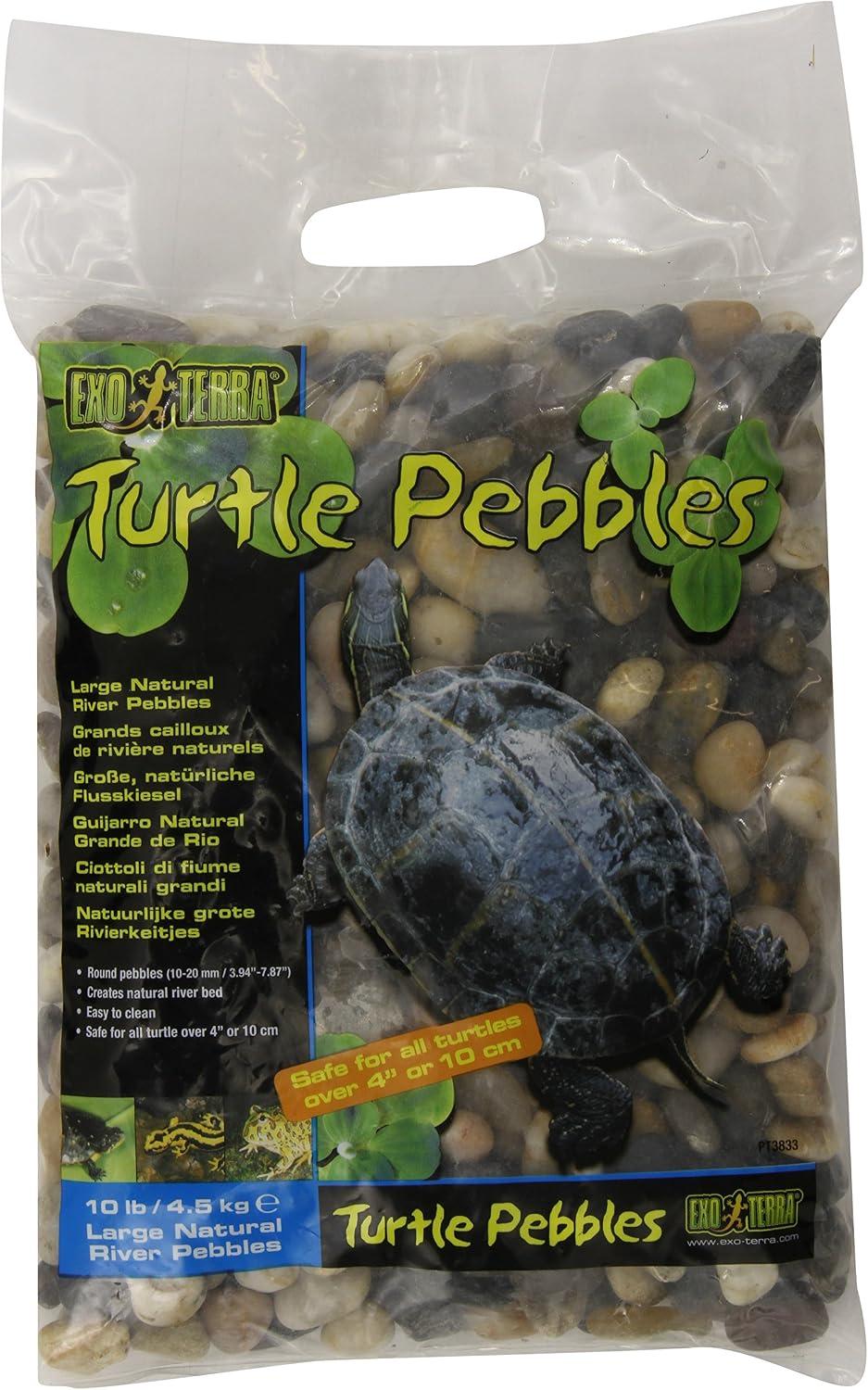
Fire-bellied toads are semi-aquatic and require a gentle slope to climb out of the water; an integrated rock filter creates a clean land-to-water transition.

Toads are weak swimmers disturbed by heavy currents; a miniature low-flow pump gently circulates shallow water and creates inviting trickling moisture.

Toads hunt only moving live insects like small crickets; feeding crickets a high-calcium diet 24 hours prior transfers vital calcium directly into the toad.
As an Amazon Associate, WhatPetSuitsYou earns from qualifying purchases. Product prices and availability are accurate at Amazon and subject to change.
As pets, fire-bellied toads are the extroverts of the amphibian world: diurnal, social, and endlessly watchable as they swim clumsily, wrestle crickets, flash fire-orange bellies in mock warning displays, and chirp like tiny dogs. Kept in groups of three to six, they interact, call, and pile on favourite perches. There is no fur and modest noise by day only, but handling is minimal and gloved because skin secretions irritate eyes and mouths.
Children must be supervised closely and taught the wash-hands rule as law. Expect a bright, comical, long-lived group display that asks only for clean water, live bugs, and admiration from the dry side of the glass.
Fire-bellied toads are diurnal insect hunters that eat live prey only. Staples are gut-loaded crickets, dubia nymphs, small earthworms, black soldier fly larvae, silkworms, and hornworms, sized no wider than the toad's head. Feed juveniles every other day and adults once or twice a week, offering what the group clears in about 15 minutes at the same time daily, since toads learn routines fast. Gut-load insects for 24 hours and dust with calcium plus D3 at every feed and a multivitamin once or twice weekly.
Place food on the land area where toads hunt best. Mealworms and waxworms are occasional extras because of fat and chitin. Never offer wild-caught insects, raw meat, fruit, or vegetables: toads ignore non-moving food and need whole live prey for complete nutrition.
House a group of three to six in a half-water paludarium: a 10 to 15 gallon tank for two to three toads, adding about 4 gallons per extra animal. Slope smooth large rocks and coconut fibre or moss banks into 1 to 2 inches of dechlorinated water so toads climb out easily, since they are poor swimmers that can drown in deep water. Hold air at 24 to 26C, never above 28C or below 18C, with a low-wattage bulb or side mat on a thermostat.
Provide low-level UVB for 10 to 12 hours daily, hides and plants for cover with one retreat per toad, and a ventilated locking lid: toads climb silicone seams. Filter or change the shallow water constantly, since foul water causes skin disease fast. Never use gravel small enough to swallow or sharp decor that abrades delicate skin.
Daily care takes about 10 minutes. Mornings or midday, since toads are daytime active: mist to hold humidity at 50 to 80 percent, check air and water temperatures, spot-remove droppings and dead insects, and feed on schedule, juveniles every other day and adults once or twice weekly. Refresh or filter-clean the shallow water section constantly: in a paludarium without filtration, replace fouled water with temperature-matched dechlorinated water.
Weekly, scrub water bowls with amphibian-safe cleaner, rinse substrate banks, and check lid seals. Monthly, do a deeper substrate refresh and inspect each toad for clear eyes, smooth bumpy skin without sores, and healthy bellies. Handle only with moistened powder-free gloves when necessary, wash hands thoroughly afterward, and never touch eyes or mouth after contact.
Fire-bellied toads are hardy in clean half-water setups, but dirty water brings bacterial red-leg, fungal infections, and bloat quickly. Watch for reddened limbs and bellies, skin sores, cloudy eyes, stuck shed on toes, lethargy by day when toads should be hunting, and refusal of live prey. Their skin secretes mild toxins that irritate human eyes and mouths and can harm other amphibians, so never mix species and always wash hands.
Prevention means constant clean dechlorinated water, correct temperatures, dusted gut-loaded insects, quarantine of newcomers, and supervision of children who must never kiss toads or rub eyes after contact. Exotic vet visits cost 50 to 90. Seek care for red legs, swelling, persistent sores, or breathing difficulty.
Fire-bellied toads are a budget exotic. A group setup costs 120 to 250 for a 10 to 20 gallon tank with lid, paludarium decor and plants, low-wattage heat, UVB kit, small filter, dishes, substrate, and instruments. Feeder insects run a few pounds a week, calcium and vitamin powders last months, and dechlorinator is cheap. Electricity is minimal. Budget 10 to 15 a month for a group.
UVB tubes need replacing every 6 months and filters need media, but there are no big recurring bills. Vet visits at 50 to 90 are infrequent for well-kept groups. Over a 10 to 15 year lifespan the lifetime cost stays low, dominated by a decade of crickets. The main cost risk is upgrading: groups breed enthusiasm, and a larger planted paludarium tempts every keeper eventually.
Fire-bellied toads are excellent beginner amphibians for bright rooms and daytime watchers. You will succeed if you can maintain a half-water tank with constant clean water, keep live crickets, feed on schedule, and enforce hand-washing for everyone, especially children. You will struggle if anyone handles pets constantly, since skin toxins demand minimal gloved contact only, or if daily water hygiene sounds tedious: shallow warm water fouls in a day.
They are poor fits for homes wanting a silent pet, since males bark and chirp cheerfully by day. For families that respect the look-don't-touch rule and enjoy a lively colourful group tank, few amphibians reward so generously.
Mildly: skin glands secrete toxins that deter predators and irritate human eyes, mouths, and cuts. They are safe to keep with hand-washing after all contact, gloved handling only when necessary, and no touching faces.
Supervise children closely and never mix them with other amphibian species.
Live insects: gut-loaded crickets, dubia nymphs, earthworms, and larvae, dusted with calcium plus D3. Juveniles eat every other day, adults once or twice weekly in 15-minute sessions on the land area.
They ignore non-moving food, so everything must be alive and head-sized or smaller.
Both: a half-water paludarium with a sloping bank into 1 to 2 inches of dechlorinated water. They hunt on land but soak constantly, yet swim poorly, so water stays shallow with easy exits.
Filter or refresh water constantly and hold humidity at 50 to 80 percent.
Take our free 15-question what pet should I get quiz to get a personalized compatibility score and see how they match your living environment.
Take the Free Pet Quiz