Loading…
Loading…
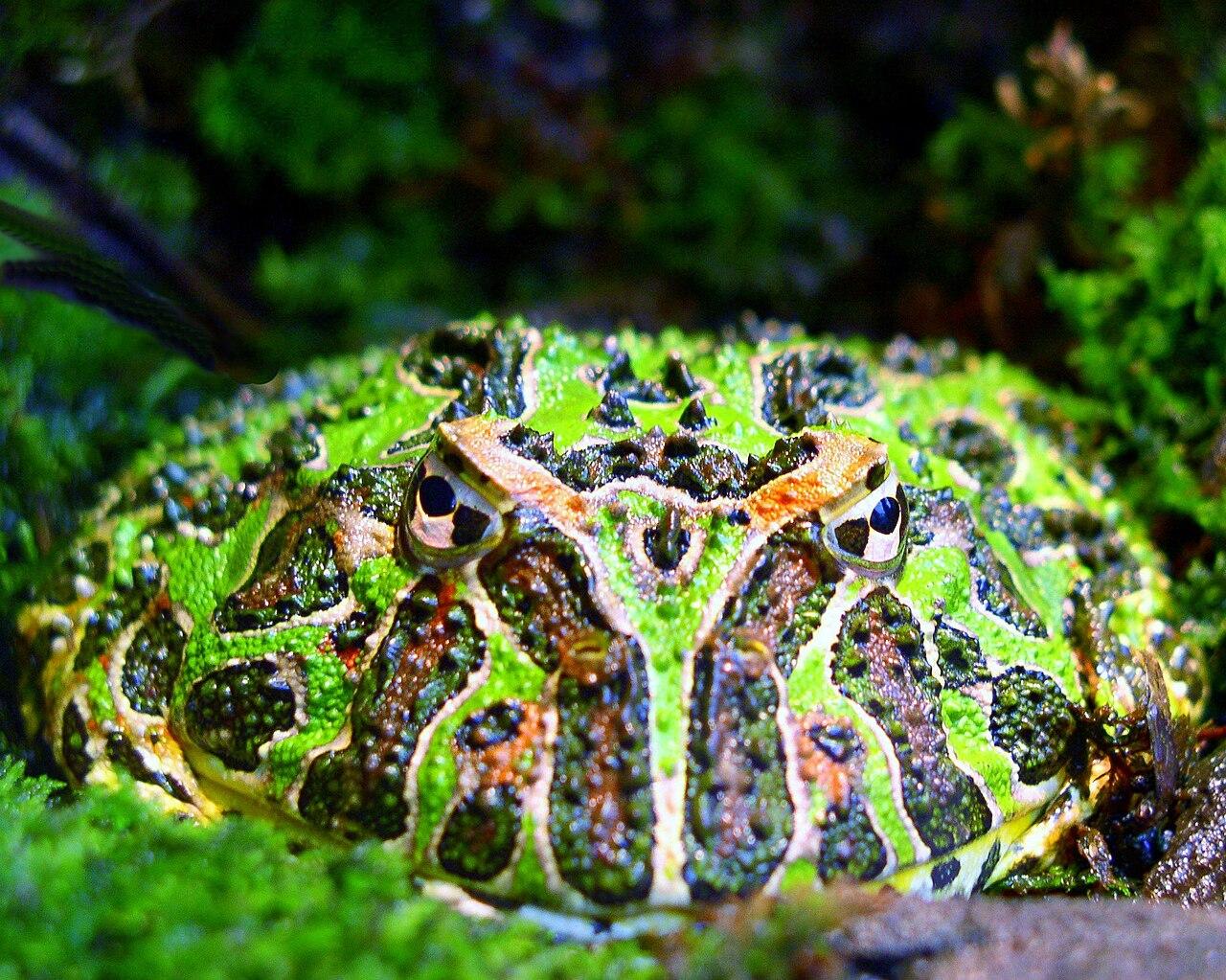
Ornate Pacman Frog · Cranwell’s Pacman Frog · Albino Pacman Frog
Grumpy round mouth that inhales anything moving
A living cartoon: a giant mouth with a frog attached. Pacmans sit buried all day, then explode onto passing crickets. Strictly one per tank (they eat tankmates), need almost no space, and fast for weeks sometimes.
Photo: Flickr / avmaier / CC BY 2.0
Care guide last reviewed: · Care requirements referenced from veterinary and humane standards.
10–20 gallon tank with deep damp substrate; strictly solitary.
Virtually silent (1/5)
Highly independent — comfortable alone 8+ hours
Prefers to live alone
Three curated supplies researched for this companion's specific anatomy and daily welfare

Pacman frogs spend 90% of their life half-buried in humid soil awaiting prey; soft damp coconut coir lets them burrow comfortably without scratching soft belly skin.
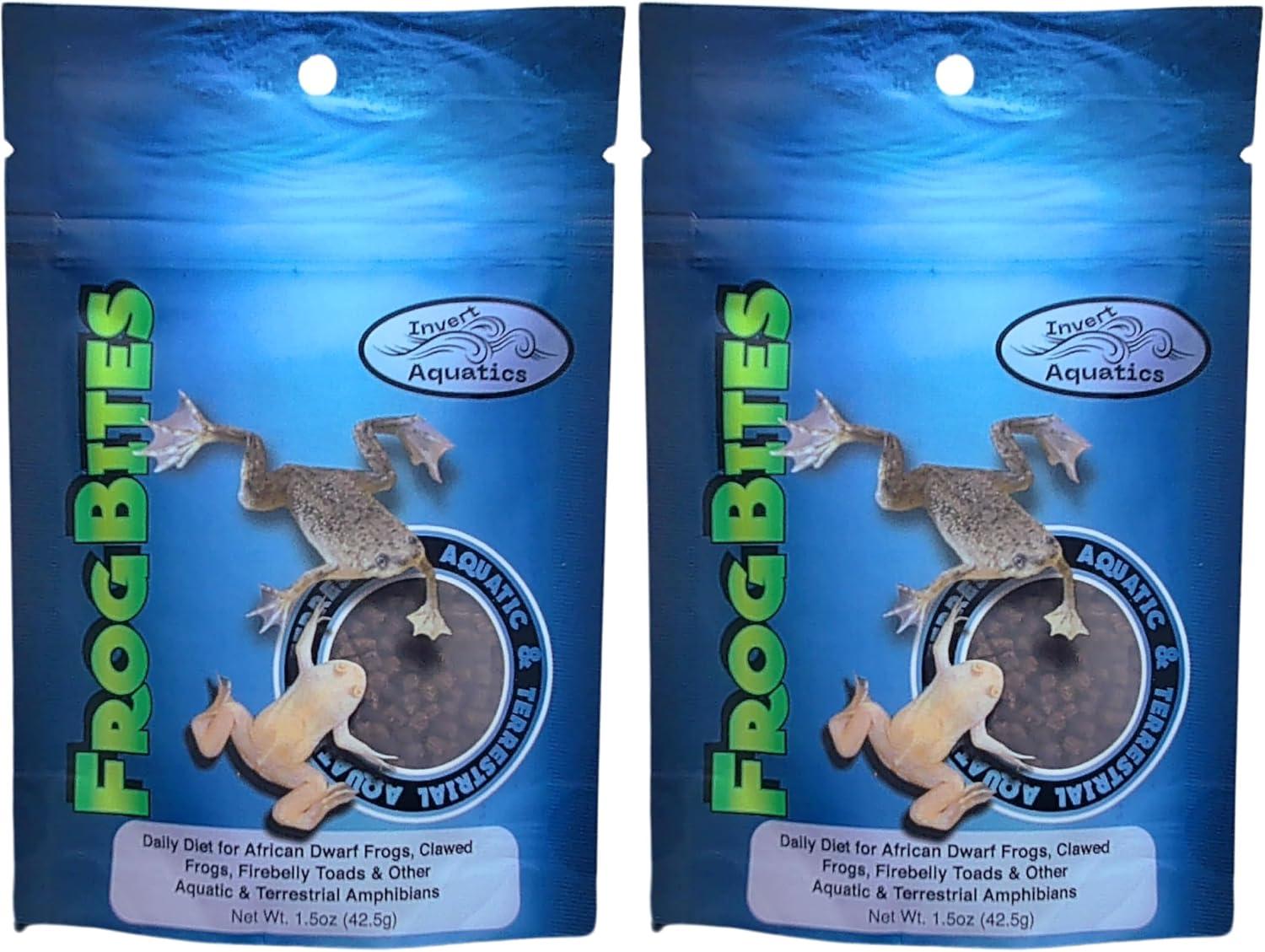
Pacman frogs have massive mouths and aggressive strike responses; soaking these nutrient-dense sponge pellets eliminates the need to handle live feeder mice or fish.

Frogs drink by absorbing moisture directly across their permeable skin; ReptiSafe instantly neutralizes lethal chlorine and chloramines while adding essential electrolytes.
As an Amazon Associate, WhatPetSuitsYou earns from qualifying purchases. Product prices and availability are accurate at Amazon and subject to change.
As a pet, a Pacman frog is a living cartoon: a giant toothed mouth with a frog attached, buried all day and spectacular for ninety seconds at feeding time. It is strictly solitary, nocturnal, silent, and almost entirely immobile, which makes it perfect for small studios and terrible for anyone wanting companionship. There is no handling, no noise, no fur, and minimal smell with good substrate care.
Children can watch the famous feeding lunge but must never poke fingers near the mouth or dig the frog up for play. Owners who love routine, terrarium aesthetics, and the comedy of an animal shaped like a displeased dumpling adore them; owners wanting a responsive pet will be bored within a month.
Pacman frogs are ambush carnivores that inhale anything moving. Staples are gut-loaded crickets, dubia roaches, earthworms, hornworms, and silkworms, dusted with calcium plus D3 at most feeds and a multivitamin weekly. Feed juveniles daily and adults once or twice a week, offering what the frog strikes within 15 minutes. Adults can take one small defrosted pinky mouse no more than monthly for variety, but rodents must never be the staple: they are fatty and low in the minerals frogs need.
Always offer with long tongs, never fingers, since Pacman frogs have teeth and bite hard enough to draw blood. Prey should be no wider than the frog's head. Remove uneaten insects, and expect occasional multi-week fasts, especially in cooler months: weigh rather than panic.
House strictly one frog per 10 to 20 gallon wide, low tank: Pacman frogs eat tankmates, including each other, and barely move. A tight lid with ventilation is needed despite their laziness. Layer 3 to 4 inches of damp coconut fibre topped with sphagnum moss, deep enough for full burrowing, and keep it damp but never waterlogged to avoid skin infections. Hold daytime temperatures at 24 to 28C with nights down to 21 to 24C, using a low-wattage heat lamp or thermostat-controlled under-tank mat on one side only, plus low-level UVB for 10 to 12 hours daily.
Maintain humidity at 70 to 80 percent with daily misting of dechlorinated water. Add a shallow soak dish, a simple hide, and leaf litter: decor is for humidity and security, not climbing. Never use gravel, reptile carpet, or heat rocks.
Daily care takes about 10 minutes. Check temperatures and humidity, mist the substrate, refresh the shallow water dish with dechlorinated water, and spot-remove droppings and dead insects. Feed juveniles nightly and adults once or twice weekly in the evening, tong-feeding dusted insects and watching the famous ambush strike. Expect your frog to sit buried with only eyes showing for days: this is normal, not illness.
Handle essentially never: teeth make bites painful, and skin absorbs hand oils and soap. Use moistened powder-free gloves only for tank moves. Weekly, stir and check substrate moisture, scrub food and water dishes, and weigh the frog. Monthly, replace part or all of the substrate with fresh damp fibre and disinfect the tank with amphibian-safe cleaner.
Pacman frogs are hardy when warm, humid, and solitary. Common problems are obesity from rodent-heavy diets, impaction from swallowing gravel or moss chunks, bacterial and fungal skin infections from waterlogged substrate, and metabolic bone disease without calcium dusting and UVB. A frog that buries itself and refuses food for weeks in cool weather is often aestivating normally; one that is limp, bloated, has red legs, cloudy eyes, or sores is sick.
Prevention means tong-feeding sized prey, strict solitude, damp-not-wet substrate, dechlorinated water always, quarantine of newcomers, and hand-washing since frogs carry Salmonella. Exotic vet visits cost 50 to 90. Seek care for swelling, persistent anorexia beyond a month with weight loss, or any red discolouration of the belly and legs.
Pacman frogs are among the cheapest exotic pets. Setup costs 100 to 200 for a 10 to 20 gallon tank with lid, coconut fibre and moss, heat mat or lamp plus thermostat, thermometers, hygrometer, dishes, and a low-level UVB kit. Food is a few pounds a week in crickets, roaches, and earthworms, plus calcium and vitamin powders lasting months. Electricity is minimal.
Budget 10 to 15 a month ongoing. Vet care at 50 to 90 per exotic visit is the only potentially large bill, and well-kept frogs need vets rarely. Over a 7 to 12 year lifespan the lifetime cost is tiny compared with reptiles needing big vivariums. The real investment is patience: this is a pet that does nothing visible for weeks and still needs its climate maintained daily.
Pacman frogs suit beginners who want the lowest-work exotic and find ambush feeding genuinely entertaining. You will succeed if you can keep live insects, maintain warmth and humidity daily, feed with tongs without flinching, and accept a pet you essentially never touch. You will struggle if you want interaction, daytime activity, or a pet for children to hold: Pacman frogs bite with real teeth, vanish underground for weeks, and absorb hand chemicals through their skin.
They are also poor fits for owners who travel without sitter plans, since juveniles need daily feeding. If a grumpy round mouth that explodes onto crickets sounds delightful rather than boring, this is your frog.
Gut-loaded crickets, dubia roaches, earthworms, and hornworms dusted with calcium, tong-fed in 15-minute sessions: daily for juveniles, once or twice weekly for adults. One small pinky mouse no more than monthly for adults only.
Never feed with fingers: they have teeth and bite hard enough to draw blood.
Never. Pacman frogs are strictly solitary and cannibalistic: they eat tankmates, including each other, and even attempt prey nearly their own size.
House one frog per 10 to 20 gallon tank, and never mix frog or reptile species in the same enclosure under any circumstances.
Burrowing for days or weeks is normal ambush behaviour and sometimes seasonal aestivation. Check warmth (24 to 28C days) and humidity (70 to 80 percent) first.
If the frog stays plump and alert-eyed, wait and weigh weekly. See a vet for bloating, red legs, sores, or weight loss.
Take our free 15-question what pet should I get quiz to get a personalized compatibility score and see how they match your living environment.
Take the Free Pet Quiz