Loading…
Loading…
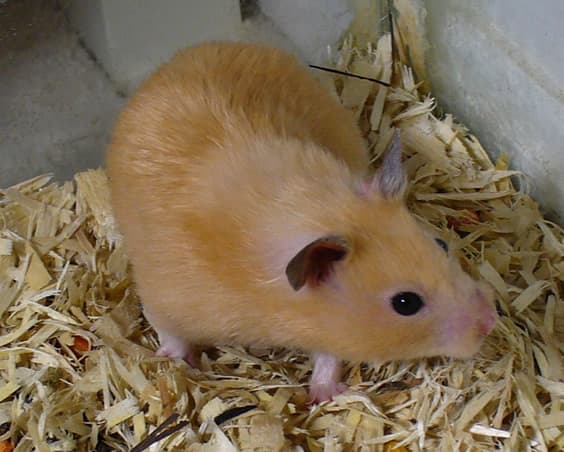
Golden Syrian · Teddy Bear (long-haired)
Tiny night owl — cheap, quiet, and busy after dark
The classic starter pet: cheap, silent by day, and fun to watch burrowing at night. Strictly solitary — one hamster per cage, always — and short-lived at 2–3 years.
Photo: Wikimedia Commons / TetraHydroCannabinol / CC BY-SA 3.0
Care guide last reviewed: · Care requirements referenced from veterinary and humane standards.
Single enclosure, 800+ sq inches of floor with deep bedding.
Virtually silent (1/5)
Highly independent — comfortable alone 8+ hours
Prefers to live alone
Three curated supplies researched for this companion's specific anatomy and daily welfare
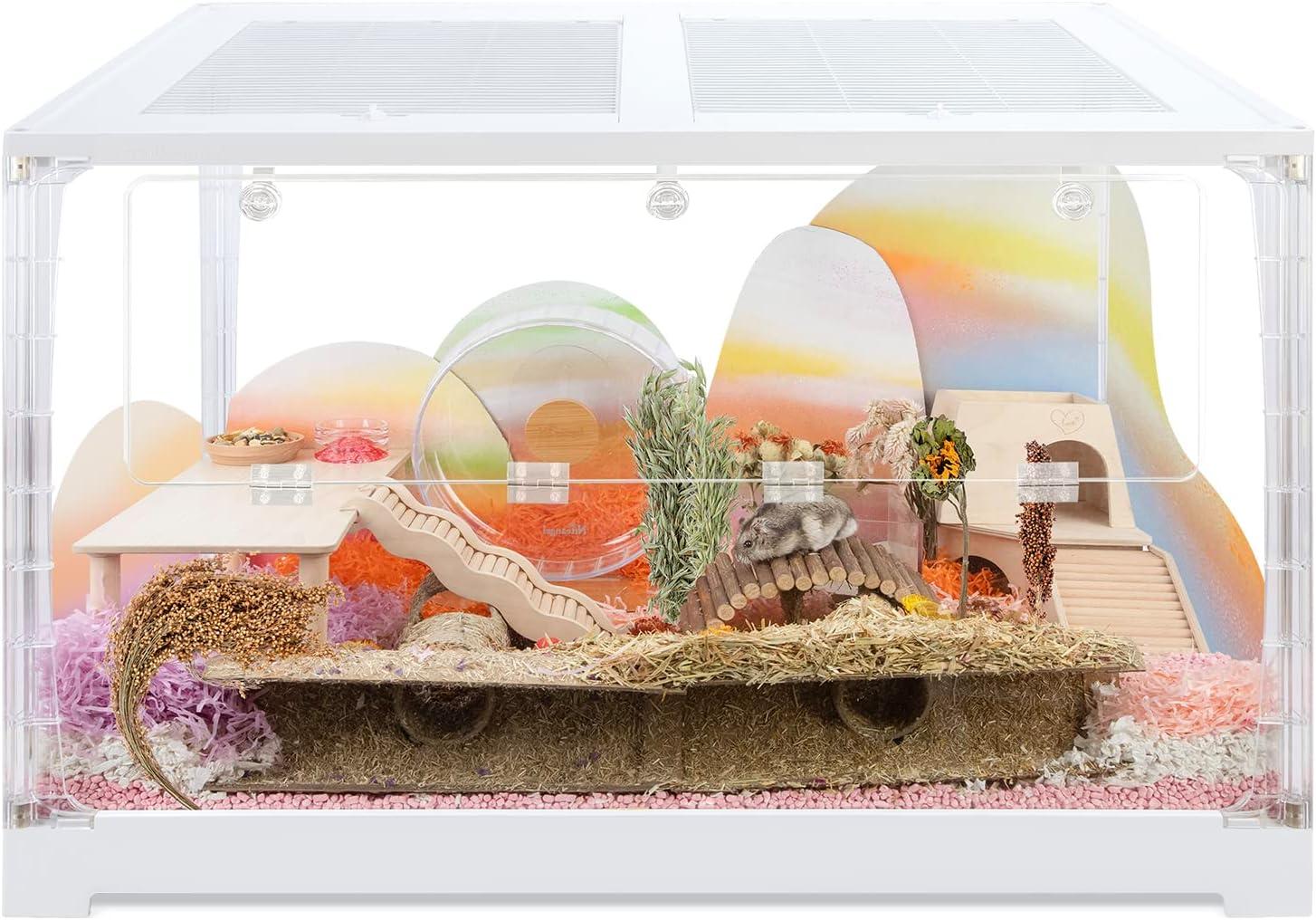
Syrian hamsters require at least 8 to 10 inches of undisturbed bedding depth to build complex subterranean burrows without bar-chewing stress.
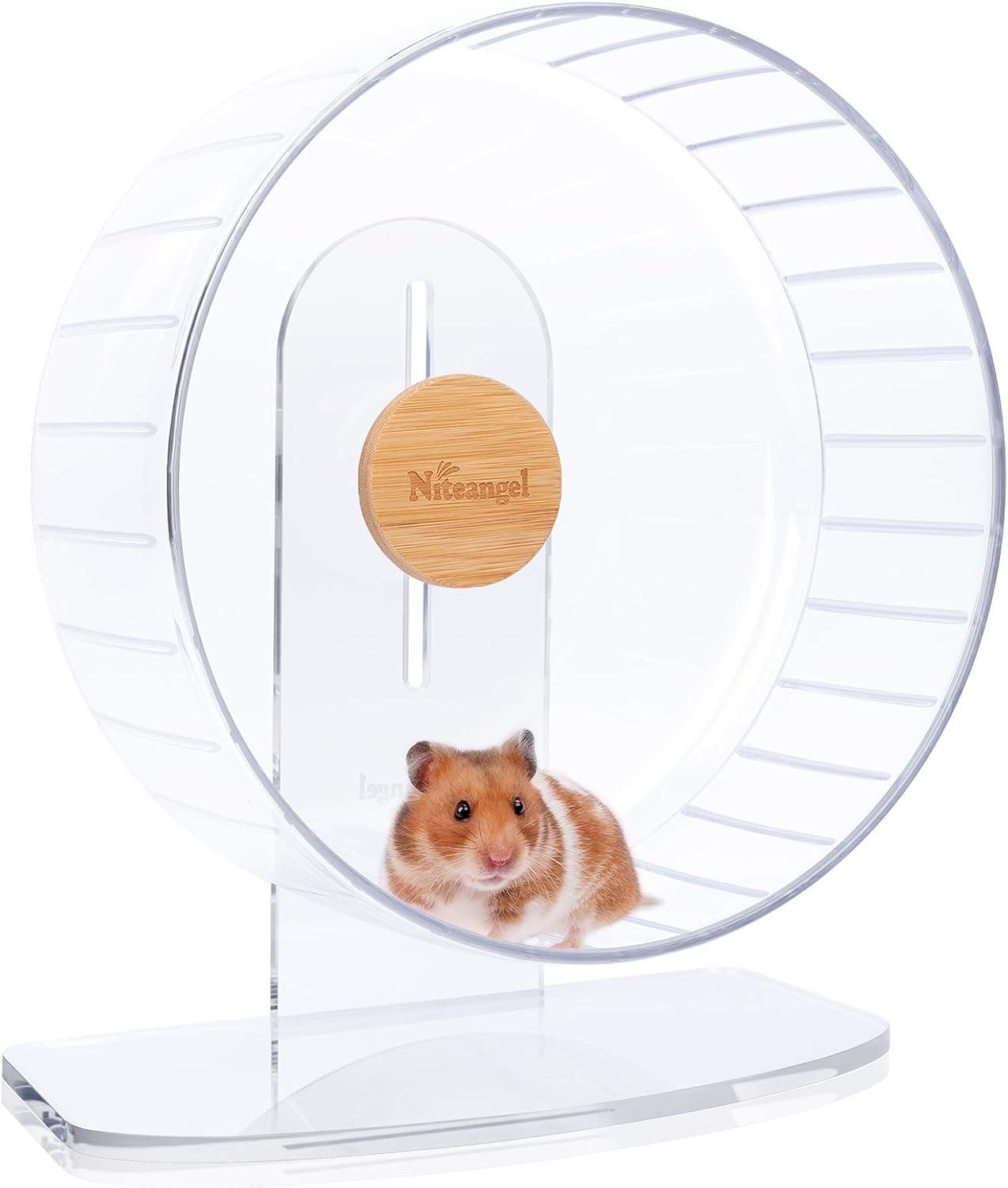
Adult Syrian hamsters grow up to 7 inches long and suffer chronic spinal curvature pain on small wheels; an 11-inch diameter guarantees a flat, healthy back.
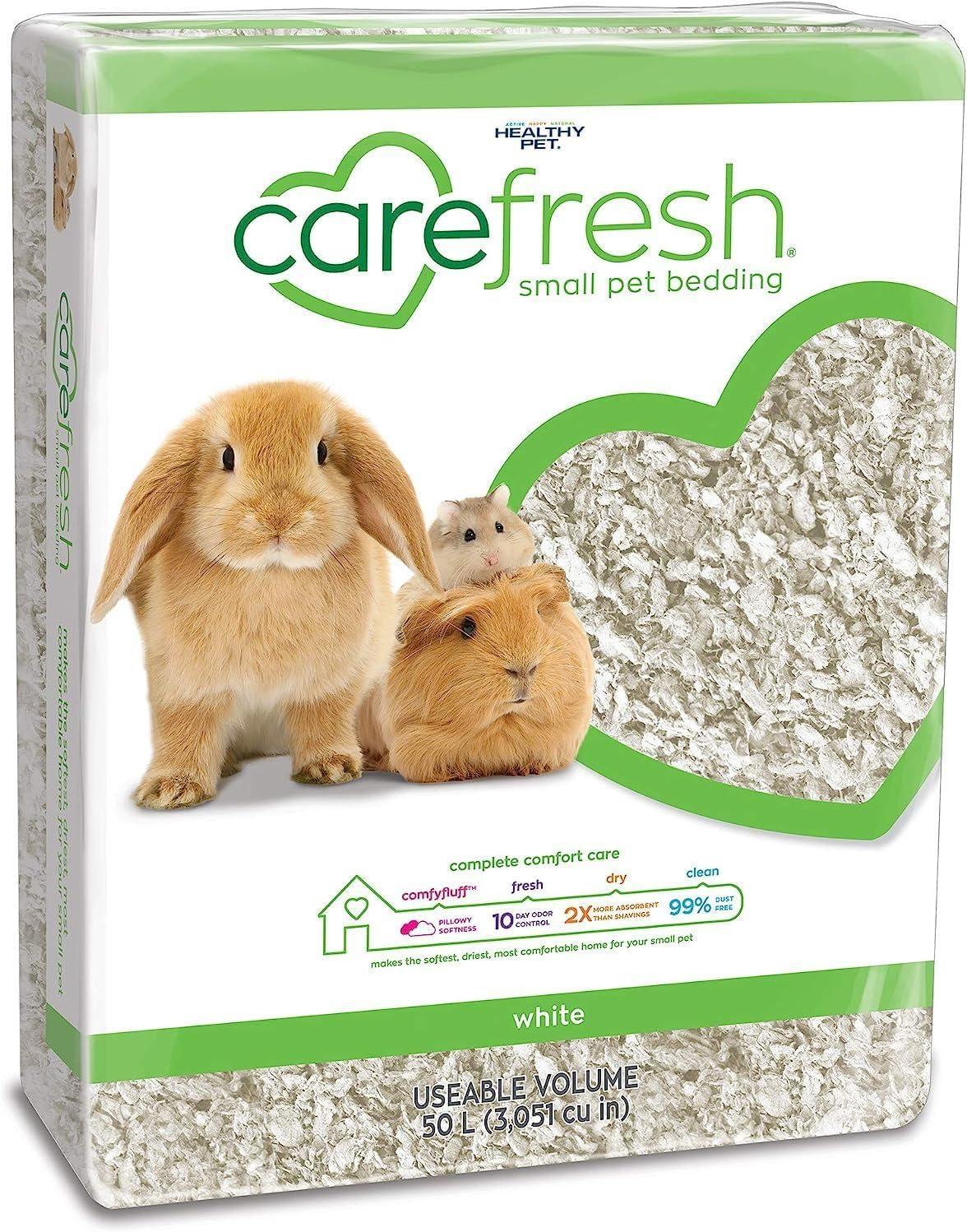
Hamsters have delicate respiratory tracts easily irritated by cedar or pine phenols; absorbent dust-free paper holds rigid structural tunnels for nesting.
As an Amazon Associate, WhatPetSuitsYou earns from qualifying purchases. Product prices and availability are accurate at Amazon and subject to change.
Expect a quiet, busy night owl: motionless fluff by day, then burrowing, wheel-sprinting, pouch-stuffing, and cage-rearranging from dusk. Tame Syrians take treats from fingers and enjoy short handling sessions, but they are watch-pets first and cuddle-pets second, with poor eyesight and startle-prone nerves. They make almost no noise and no smell when cleaned, suiting bedrooms and studios.
Bar-chewing or cage-climbing signals too little space or enrichment, not naughtiness. Each hamster has a distinct character, from bold explorers to shy burrowers, revealed over patient evening sessions across the first weeks.
Feed a commercial hamster mix with 16 to 20 percent protein as the base, roughly one to two teaspoons daily, plus a small handful of hay for nibbling and nesting (hamsters are seed-and-insect omnivores, not hay grazers like guinea pigs). Add a fingernail-sized piece of fresh vegetable (broccoli, cucumber, carrot) or fruit a few times weekly, and occasional protein extras such as a mealworm or tiny boiled-egg fragment. Remove uneaten fresh food within 12 hours to prevent spoilage of the hoard.
Provide fresh water daily in a sipper bottle checked for blockages. Never feed chocolate, citrus, onion, garlic, almonds, or sticky sweets that glue cheek pouches. Obesity is common, so measure dry food rather than refilling the bowl, and limit sunflower-seed-heavy mixes.
House ONE Syrian hamster per cage, always: adults fight, sometimes fatally, and the RSPCA classes them as solitary. Provide a minimum 100 by 50 cm footprint (around 800 square inches) with 20 cm or more of paper-based bedding for burrowing, never fluffy cotton wool that tangles limbs. Add a solid-floor 28 cm wheel so the back stays straight, a large hide, tunnels, chews, and a sand bath for coat care.
Keep the cage at 18 to 24C away from sunlight, draughts, and noisy rooms, with a secure lid since hamsters are escape artists. Spot-clean daily and do partial bedding changes weekly, preserving some clean nesting for scent continuity.
Spend 15 to 20 minutes daily: refresh water and check the bottle works, offer measured dry food plus any fresh veg, remove soiled bedding and hoarded perishables, and check the wheel spins freely. Handle in the evening when the hamster wakes, scooping gently with cupped hands rather than grabbing, since they are nocturnal and grumpy when woken. Let it run in a secure playpen for 10 to 15 minutes.
Weekly, weigh the hamster, clean the wheel and sand bath, and inspect teeth, eyes, and feet. Monthly, wash the cage with pet-safe cleaner. Total care is minimal, but evening timing matters: a day-woken hamster may bite.
Syrians live 2 to 3 years, averaging under 2 in large UK vet studies, with wet tail (severe diarrhoea) the top killer, especially in stressed juveniles: a wet, smelly tail area with lethargy is a same-day emergency, fatal within 48 hours untreated. Bite wounds from illegal co-housing, overgrown teeth and nails, and traumatic falls are the next most common presentations. Find an exotic vet before you need one, since not all practices treat hamsters.
Prevent illness with a stable warm room, gentle handling, deep paper-based bedding (never pine or cedar shavings), and quarantine of new arrivals. Vet fees are modest per visit (30 to 60) but emergency out-of-hours care costs more; insure or keep a small fund.
Setup costs 60 to 120 for a large cage, 28 cm wheel, hides, bottle, and bedding. The hamster itself costs 10 to 25. Monthly running costs are the lowest of any pet here: 5 to 10 for food mix and hay, 5 to 10 for bedding, and occasional chews. Annual exotic-vet checks run 30 to 60 if you use them.
Emergency treatment for wet tail or injuries costs 50 to 200. Budget roughly 15 to 25 per month averaged over the year. The honest financial note is lifespan: the tiny bills last only 2 to 3 years, and children need preparation for a short goodbye.
The classic starter pet for calm evenings: cheap, quiet by day, and undemanding if you respect nocturnality and solitude. You succeed with one hamster in a big burrowing cage, evening handling, and acceptance of a pet that sleeps while you work. Families do well when adults supervise handling and teach gentle scooping.
Avoid the species if you want daytime cuddles, a pet for a young child to carry around, or a long-lived companion: they nip when startled, fall easily, and die in 2 to 3 years. Never buy a pair to share one cage: Syrians must live alone.
No, never. Syrian hamsters are strictly solitary and territorial; pairs fight, often to severe injury or death.
Keep exactly one per cage from weaning age. If you want social hamsters, consider same-sex pairs of gerbils or Roborovski dwarfs instead.
Aim for at least 100 by 50 cm of unbroken floor space with 20 cm or more of paper-based bedding for burrowing, plus a 28 cm solid wheel. Small pet-shop cages cause stress behaviours like bar-chewing.
Bigger is always better.
Wet tail is severe watery diarrhoea, often stress- or bacteria-triggered, most dangerous in young Syrians. A wet dirty tail, lethargy, and hunched posture need same-day exotic-vet treatment with fluids and medication; untreated hamsters can die within 24 to 48 hours.
Yes, Syrians sleep most of the day and become active around dusk, running, burrowing, and foraging all evening. Handle and play with them after 7 pm, never wake a sleeping hamster, and keep cages out of noisy daytime rooms.
Take our free 15-question what pet should I get quiz to get a personalized compatibility score and see how they match your living environment.
Take the Free Pet Quiz