Loading…
Loading…
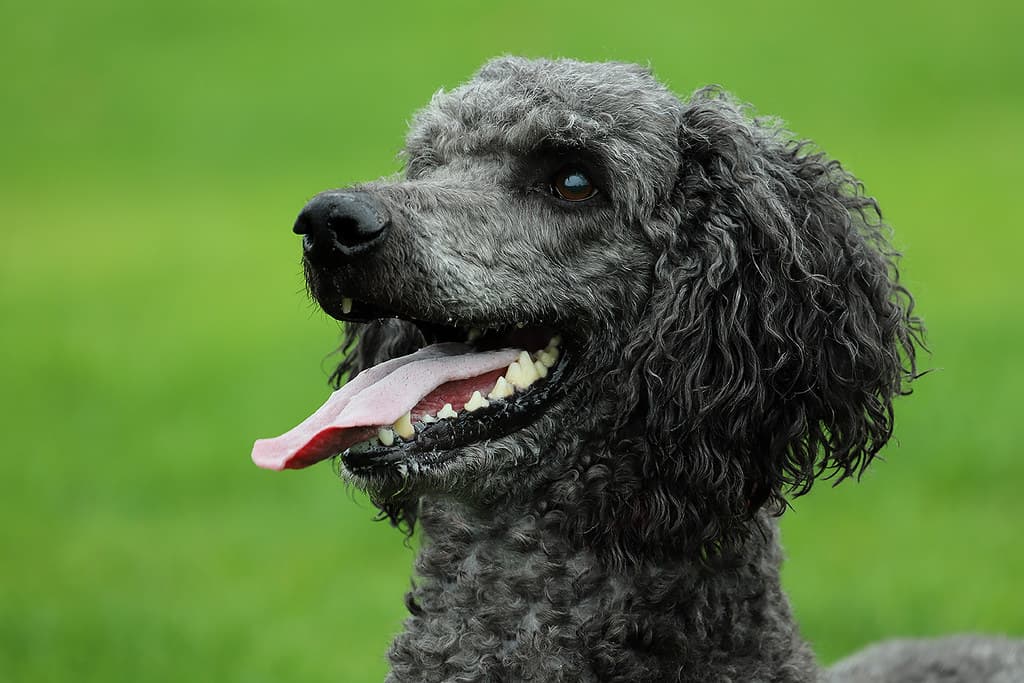
Toy Poodle · Miniature Poodle · Standard Poodle
Hypoallergenic-breed brains in three apartment-friendly sizes
The smartest breed on most lists — and the curly coat sheds very little, suiting mildly sensitive homes. Comes in Toy (apartment), Miniature, and Standard sizes; all need clipping every 6–8 weeks.
Photo: Flickr / Dog Light Photography / CC BY 2.0
Care guide last reviewed: · Care requirements referenced from veterinary and humane standards.
Any size home if matched to variety; garden optional with daily walks.
Moderate (3/5)
Misses company — best with someone home often
Thrives with daily company
Three curated supplies researched for this companion's specific anatomy and daily welfare
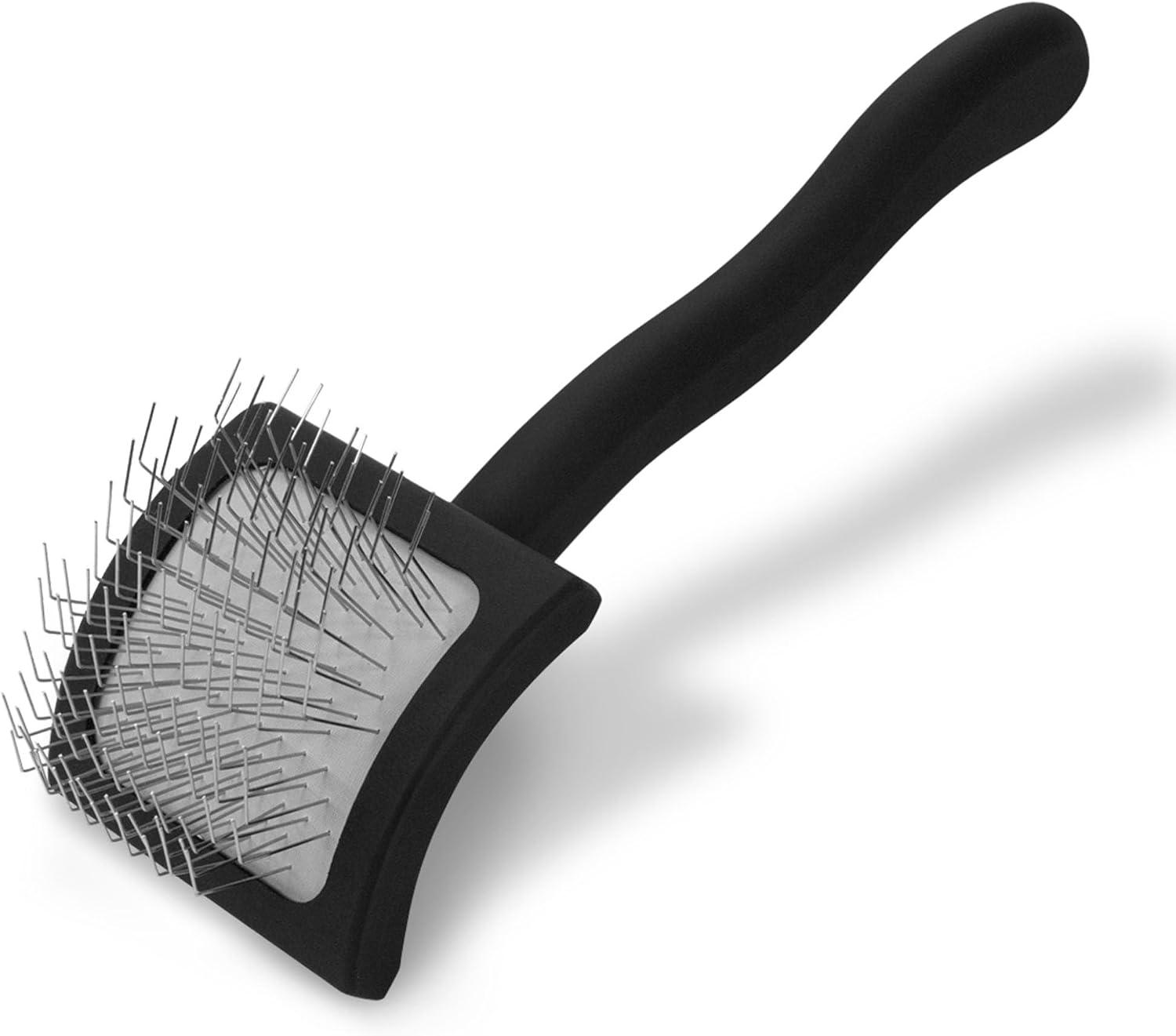
Poodle curls grow continuously and form tight pelt mats down to the dermis; long bent wire pins penetrate dense cords without scratching sensitive skin.
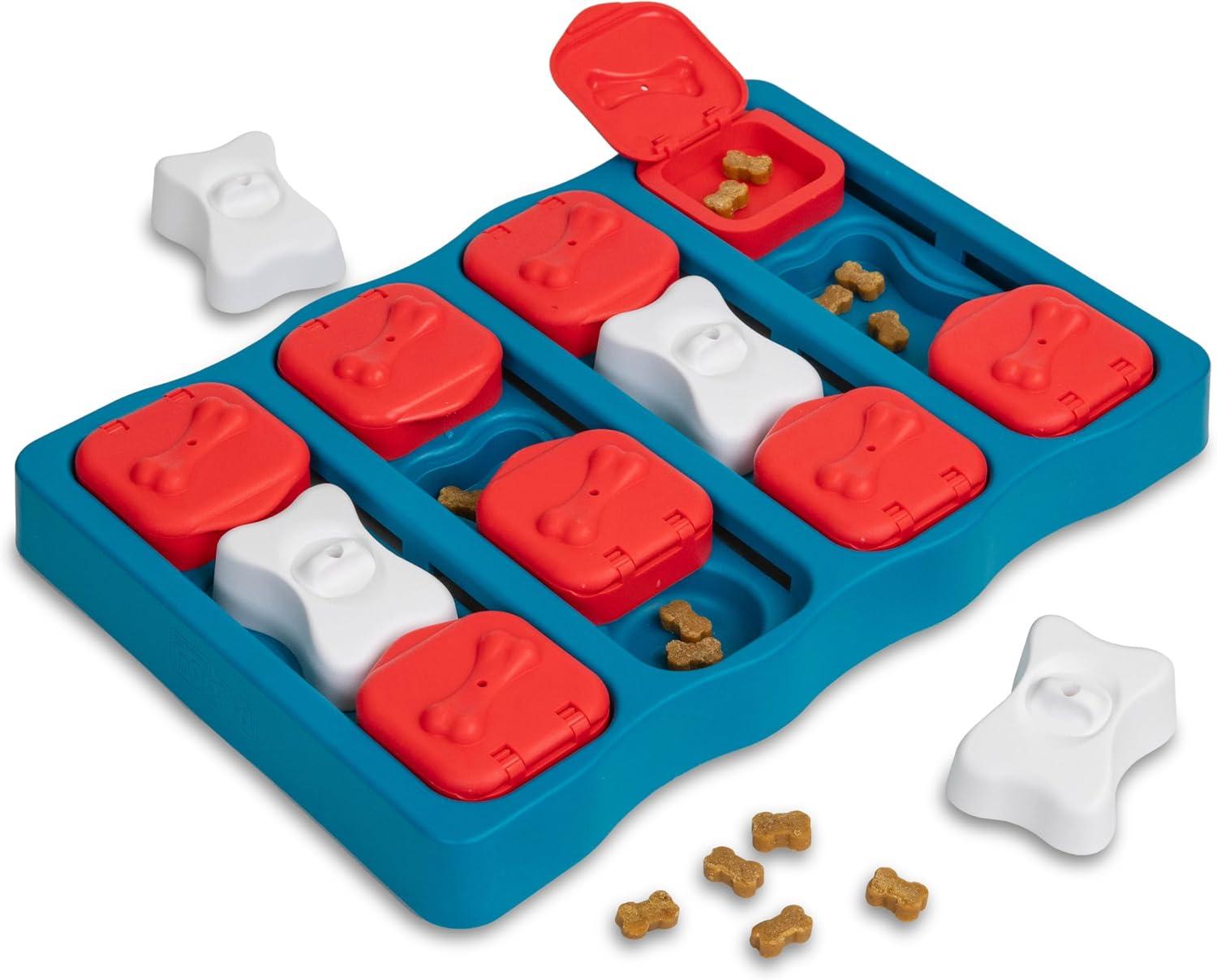
Ranked among the sharpest canine minds, Poodles become anxious or bored without cognitive stimulation; sliding brick compartments satisfy their relentless problem-solving drive.
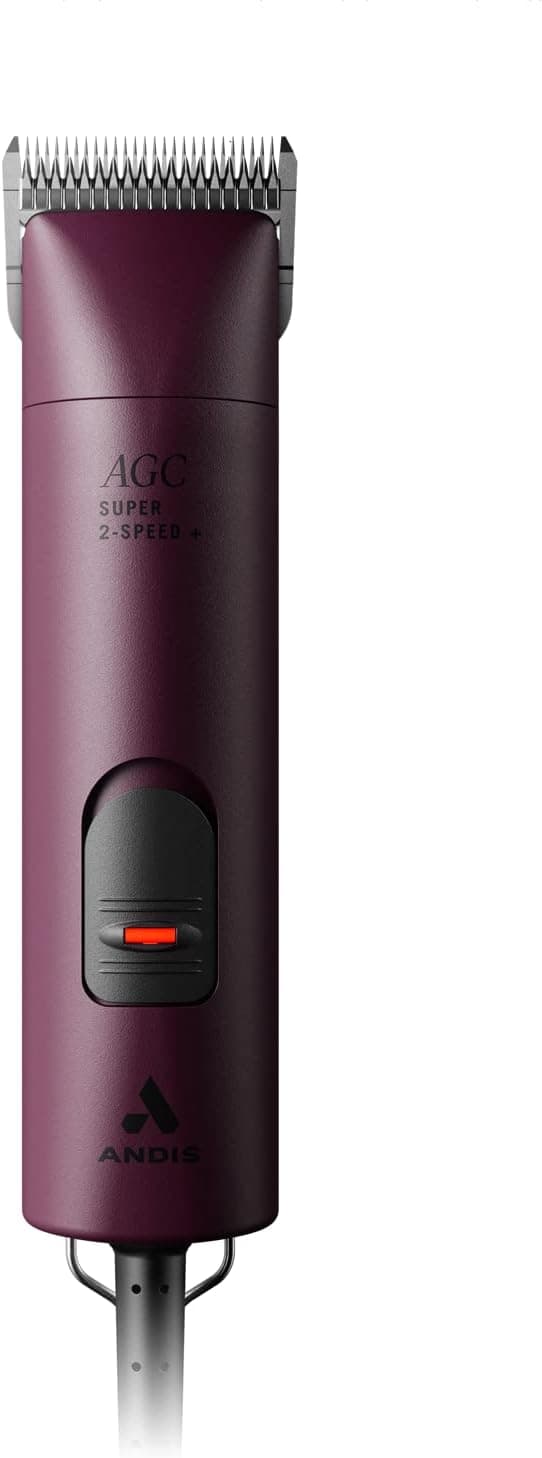
Because Poodle hair does not shed out naturally, regular sanitary and coat trimming every 4-6 weeks is essential to avoid painful matting around eyes, ears, and paws.
As an Amazon Associate, WhatPetSuitsYou earns from qualifying purchases. Product prices and availability are accurate at Amazon and subject to change.
As a pet, the Poodle is a comedic genius in a hypoallergenic coat: it reads routines, learns words, invents games, performs for guests, and bonds deeply with its family while staying politely aloof with strangers. Noise is moderate — alert barking that training can shape — and mess is minimal thanks to the low-shedding coat (at the price of your grooming calendar). It needs company and wilts in kennels or 8-hour solitude, often voicing opinions about it.
Toys and Miniatures double as warm lap dogs; Standards are boisterous athletes that body-slam with joy. All three varieties want to be taught things daily — a Poodle with nothing to learn is a Poodle redecorating your home.
Feed a complete food matched to your variety's size — Toy (around 250 to 400 calories daily), Miniature (400 to 600), or Standard (1,200 to 1,700) — split into two meals, with treats under 10 percent of calories. Standards are deep-chested bloat candidates, so feed two or more smaller meals, use slow feeders, and rest an hour either side of food. Puppies need 3 small meals of size-appropriate puppy formula (large-breed puppy food for Standards) until 6 months.
Poodles can be fussy and prone to sensitive stomachs and pancreatitis: keep to one steady recipe, avoid fatty table scraps, and transition foods over 7 to 10 days. Avoid chocolate, grapes, raisins, onions, garlic, xylitol, and cooked bones, and weigh monthly — a fluffy coat hides weight gain until it is severe.
Match the variety to your home: Toys and Miniatures thrive in apartments with daily walks and indoor play, while Standards need a house with a garden plus running space. All Poodles are athletic water dogs, so plan access to parks and safe swimming spots. Set up a grooming station — slicker brush, steel comb, nail clippers, ear cleaner — because coat care happens at home between salon visits.
Provide puzzle toys, chew rotation, and a training corner: a bored Poodle rearranges your cushions, opens cupboards, and learns to work the bin pedal. Crate-train for calm rest, fence gardens securely (Standards jump well), and keep a drying station ready — curly coats hold mud and water like a sponge.
Give 60 to 90 minutes daily: two 20 to 30 minute walks plus 15 to 20 minutes of trick training, fetch, swimming, or agility foundations — Poodles need brain work as much as leg work. Brush the curly coat every 2 to 3 days (10 minutes, down to the skin with a slicker then a steel comb check), clean ears weekly, brush teeth daily if possible, and book full professional grooming every 4 to 6 weeks without fail.
Puppies need short play, toilet breaks every 2 hours, and early gentle grooming handling so salon visits stay stress-free. Skip brushing for even 2 weeks on a long coat and you are choosing between hours of dematting and a full shave-down.
Vet checks annually, twice-yearly for seniors, with weight, skin, eye, and dental review. Ask breeders for hip scores (Standards), eye testing, sebaceous adenitis and von Willebrand screening where relevant, and Addison's awareness: Poodles are over-represented in hypoadrenocorticism, whose vague vomiting, lethargy, and waxing-waning appetite deserve an ACTH stimulation test, not guesswork. Standards face bloat — learn the pacing, drooling, tight-belly signs and discuss prophylactic gastropexy.
Toys and Miniatures commonly need luxating-patella checks, trachea-aware harness walking, and early dental intervention for crowded teeth. Insure early — Addison's medication and bloat surgery are expensive.
Budget $150 to $250 a month: $40 to $80 for food (Standard appetites cost double Toy ones), $25 to $40 for prevention and amortised vaccines, and $60 to $100 a month amortised for professional grooming every 4 to 6 weeks at $70 to $120 a session — the breed's signature hidden cost. Add $40 to $65 a month for insurance, $15 to $25 for toys and training treats. First year runs $2,000 to $3,500 including puppy price variation, vaccines, spay or neuter, crate, and starter grooming tools.
Home-clipping saves salon money but needs $150 to $250 of clippers, blades, and scissors plus real practice. Senior Standards commonly add joint and dental bills.
Poodles suit smart beginners who enjoy training and accept grooming as a lifestyle. They learn faster than almost any breed, shed very little, and come in three sizes for flats to farmhouses — ideal if mild allergies rule out most dogs. You will succeed if you commit to brushing every few days, salon visits every 4 to 6 weeks, and daily mental games alongside walks.
Struggle points: grooming cost and effort shock most new owners, and clever under-stimulated Poodles become barky, anxious, and destructive. If you will not brush, will not pay for clipping, or want a dog that entertains itself, pick a wash-and-go breed like a Beagle instead.
Professional grooming every 4 to 6 weeks, plus home brushing every 2 to 3 days (daily for long show-style coats). The curly coat mats relentlessly — skipped brushing means painful dematting or a full shave.
A short puppy or sporting clip is cheapest to maintain. Budget $70 to $120 per salon visit, or invest $150 to $250 in clippers and learn to trim at home.
They are among the best choices: the curly coat sheds very little dander-carrying hair around the home, which suits mildly sensitive households. No dog is truly 100 percent hypoallergenic, so spend time with the breed before committing, keep up grooming (a clean coat carries less allergen), and vacuum and wash bedding regularly.
Toy or Miniature. Both fit flats beautifully with 45 to 60 minutes of daily walks and indoor play, and both travel easily.
Standards need a house with a garden and 60 to 90 minutes of vigorous exercise plus swimming or running — a Standard in a small flat with a busy owner is a recipe for destruction. Energy and intelligence are identical; only the package differs.
Addison's (hypoadrenocorticism) is a hormonal disorder Poodles are prone to, where the adrenal glands under-produce cortisol. Signs are vague and come and go: vomiting, poor appetite, lethargy, weight loss, shivering.
It is diagnosed with an ACTH stimulation test and managed lifelong with medication and monitoring — very livable once caught, but expensive, so insure early.
Take our free 15-question what pet should I get quiz to get a personalized compatibility score and see how they match your living environment.
Take the Free Pet Quiz