Loading…
Loading…
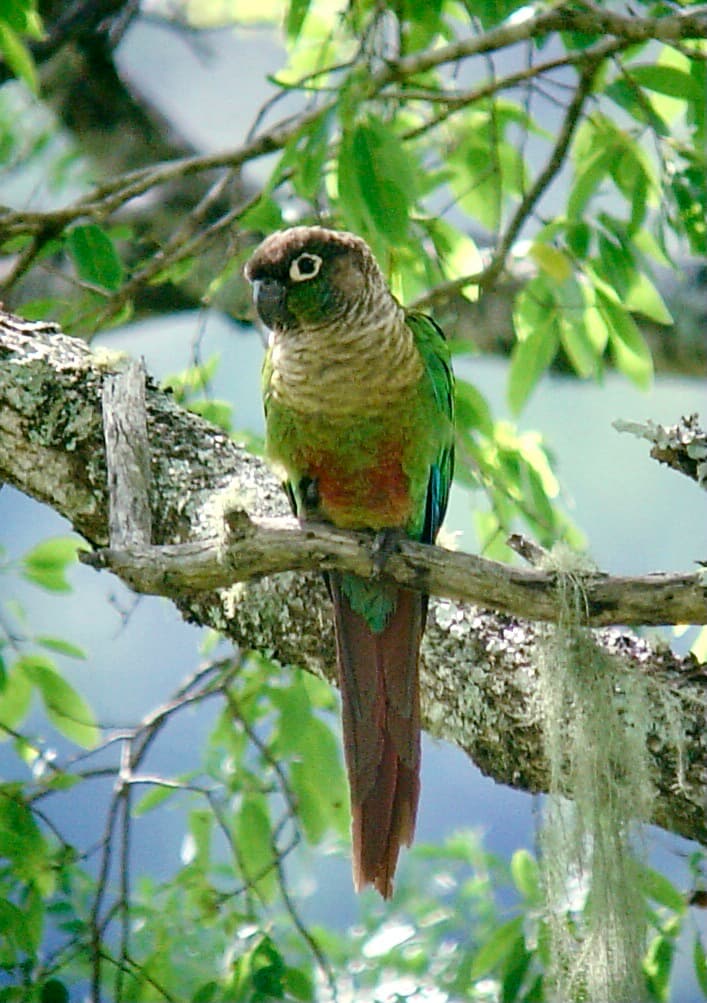
Yellow-Sided Conure · Pineapple Conure · Turquoise Conure
Pocket parrot that cuddles, clownes, and learns tricks
All the parrot personality in a 60-gram package: cuddly, playful, and trainable — quieter than big parrots but still beaky and demanding. Needs hours out of the cage and can live 25 years.
Photo: Wikimedia Commons / jeanpaulboerekamps / CC0
Care guide last reviewed: · Care requirements referenced from veterinary and humane standards.
Large cage plus several hours of supervised out-of-cage time daily.
Vocal (4/5)
Cannot be left alone long — needs company most of the day
Thrives with daily company
Three curated supplies researched for this companion's specific anatomy and daily welfare
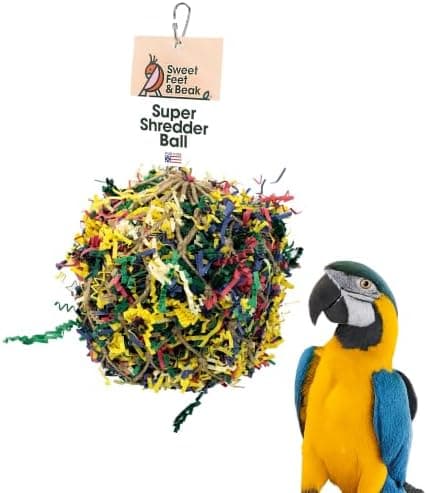
Green cheeks are hyper-intelligent small parrots that invent screaming habits when bored; mechanical puzzle wheels reward clever turns with hidden nuts.
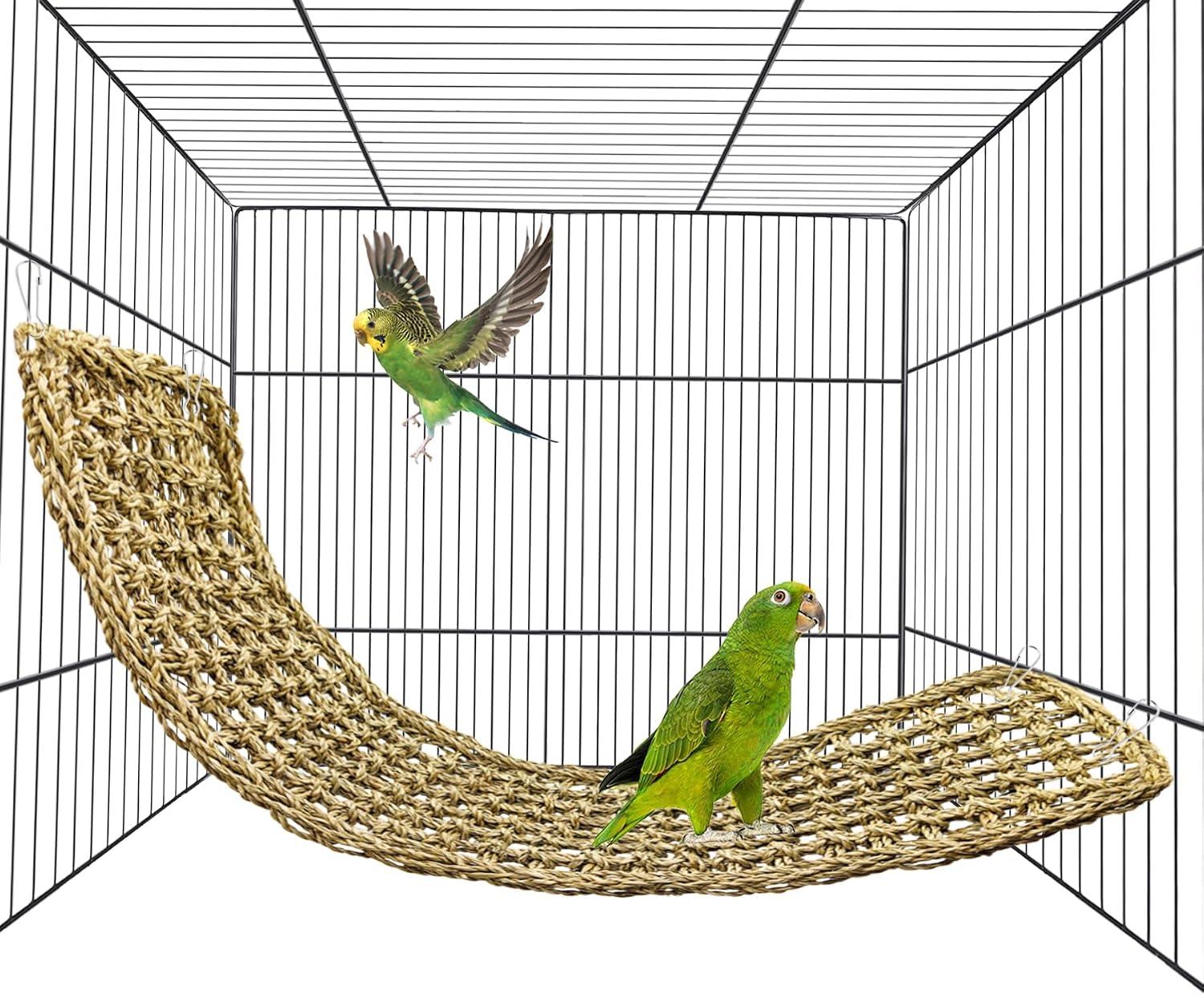
South American conures climb and hang upside-down naturally; woven seagrass nets provide dynamic footholds decorated with chewable wood and leather.
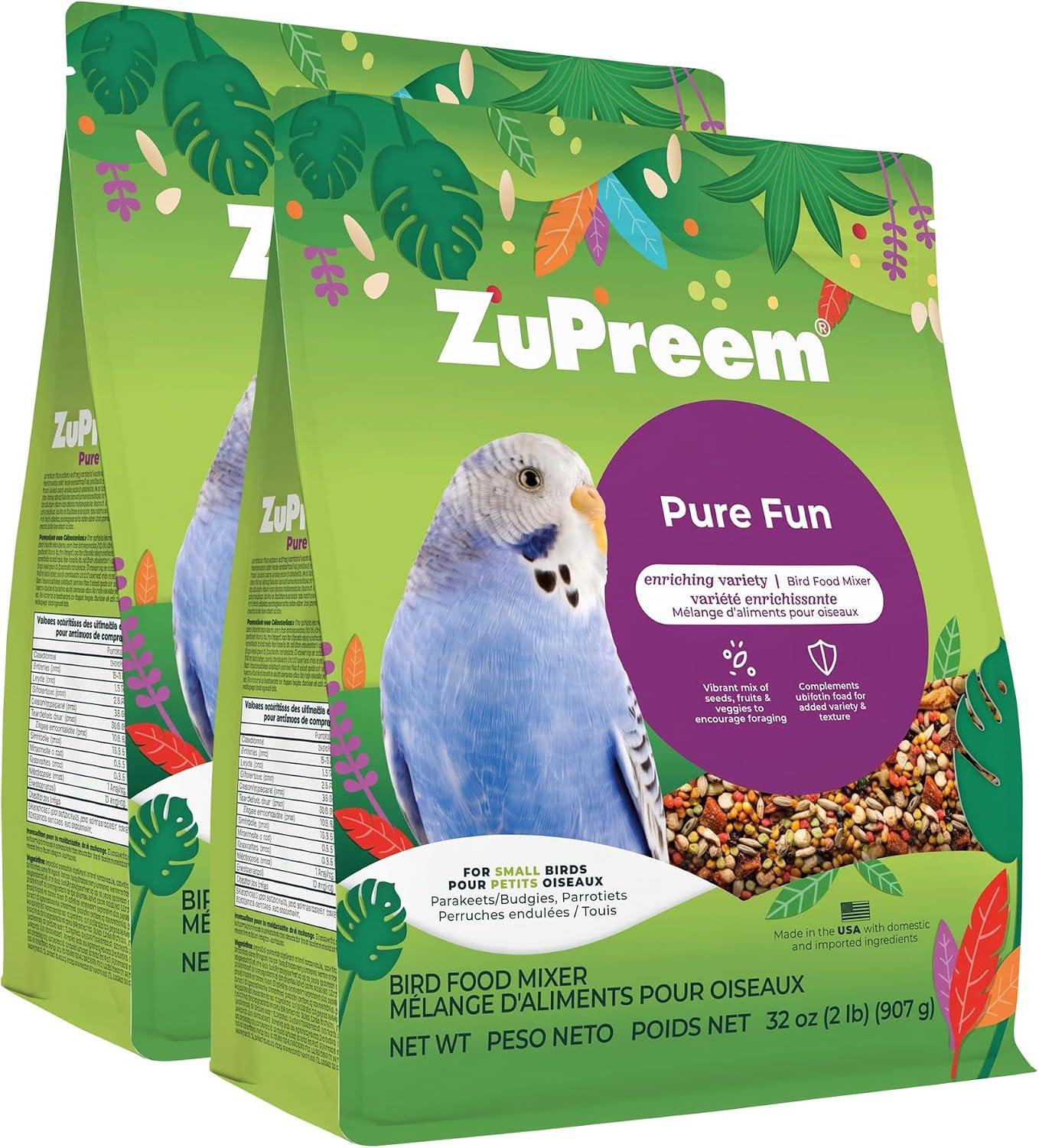
Formulated with ground fruit flavors, these bite-sized pellets satisfy picky conures while delivering balanced calcium, Vitamin A, and essential fatty acids.
As an Amazon Associate, WhatPetSuitsYou earns from qualifying purchases. Product prices and availability are accurate at Amazon and subject to change.
A green cheek conure as a pet, also written green-cheeked conure, is a pocket parrot in the truest sense: a 60 to 80 gram clown that rides on your shoulder, burrows into your neck, and demands to be where the family action is. These velcro birds need one to two hours of hands-on contact daily or they develop screaming, nipping, or feather plucking.
Expect a nippy beak phase in adolescence, rusty chattering calls rather than true speech, and mess from shredded toys and scattered food. They live 20 to 30 years, bond intensely to their people, and are far happier as a lifestyle commitment than as a decorative cage bird.
Feed a quality small-parrot pellet as the foundation, about 60 to 70 percent of daily intake, supplemented with fresh vegetables and a little fruit. Good daily options include bell pepper, broccoli, carrot, corn, peas, leafy greens, apple, pear, mango, grapes, and banana. Remove uneaten fresh food within two to three hours so it cannot spoil.
Offer only a small measured amount of seed mix as training rewards, since sunflower and safflower seeds are fatty and conures will pick them over healthier food. Provide a cuttlebone for calcium and fresh filtered water changed daily. Never feed avocado, chocolate, caffeine, alcohol, onion, garlic, fruit seeds, or salty processed food.
House a single bird in a powder-coated or stainless steel cage at least 24 inches wide, 24 deep, and 30 high, though a wider flight cage of 36 by 24 by 24 inches is far better for such an active climber. Bar spacing must be no wider than half to five-eighths of an inch so the head cannot wedge between bars. Fit three or four perches of varying diameters and materials, plus at least six rotating toys covering chewing, foraging, foot toys, swings, and bells.
Keep the cage in a social, draft-free room at 65 to 80 degrees Fahrenheit with 10 to 12 hours of covered sleep nightly. Avoid nonstick cookware fumes, scented candles, and cigarette smoke near the bird.
Plan on roughly two hours of direct attention daily. Uncover the cage at the same time each morning, refresh pellets, chop fresh vegetables, change water, and swap the cage paper. Spot-clean droppings and droppings trays, then give at least one to two hours of supervised out-of-cage time on a play stand for climbing, trick practice, and cuddling.
Run several short two-to-three-minute target-training sessions using a chopstick and millet rewards rather than one long session. Rotate one or two toys every few days to prevent boredom. Each week, scrub dishes and perches, wash the cage tray, and weigh the bird, since steady weight is the earliest health signal.
Book an avian vet wellness exam within the first weeks home and annually after that, typically 90 to 180 dollars, with emergency visits running 150 to 250 dollars before diagnostics. Conures are prone to feather-destructive behavior when bored or lonely, respiratory aspergillosis from dusty or damp conditions, psittacosis, beak and feather disease, and proventricular dilatation disease.
Warning signs include fluffed posture lasting a full day, appetite loss over twelve hours, tail bobbing, sneezing with discharge, droppings changed for a full day, or sudden screaming or plucking. Young birds go through a nippy adolescent phase around one to three years; answer biting with calm time-outs and training, never punishment.
A hand-raised baby from a reputable breeder typically costs 250 to 500 dollars depending on color mutation. A suitable cage and play stand run 150 to 300 dollars, with first-year setup including dishes, perches, toys, and carrier adding another 100 to 150.
Ongoing costs are moderate: pellets and fresh produce 20 to 30 dollars a month, replacement chew and foraging toys 10 to 20 dollars, plus 100 to 200 dollars yearly for the vet exam with a reserve for emergencies. Expect 40 to 70 dollars a month all in, which matches the Moderate tier on this site.
A green-cheeked conure suits someone home much of the day who wants a genuinely interactive parrot and accepts a 20 to 30 year commitment. Patient trainers who enjoy trick training, shoulder time, and daily play will thrive, and prior budgie or cockatiel experience helps enormously.
It is a poor fit for quiet apartments with thin walls, households gone ten hours daily, families wanting a hands-off pet, or anyone unwilling to work through the nippy juvenile phase. If you want parrot affection without macaw noise and space, and you can give hours daily for decades, this is the bird.
A green cheek conure, also spelled green-cheeked conure, is an excellent pet for someone home most of the day who wants a cuddly, trainable parrot. They are quieter than sun conures, learn tricks fast, and bond deeply.
They are a poor fit for quiet homes, long workdays, or owners unwilling to train through nippiness.
Yes, especially as juveniles and during hormonal periods. Nipping usually signals overstimulation, tiredness, or testing boundaries.
Watch for pinned eyes and puffed feathers, return the bird calmly before it bites, and reward gentle beak pressure. Most birds improve greatly with consistent target training.
With a pellet-based diet, daily attention, and avian vet care, green-cheeked conures commonly live 20 to 25 years, with 30 possible. Seed-only diets, loneliness, and untreated illness cut that sharply.
Buying one is a decades-long commitment closer to a dog than a hamster.
A few learn a handful of gravelly words, but talking is not their strength. Most communicate with chattering, purring, and contact calls.
Buy a green cheek for cuddles, clowning, and trick training rather than speech, and you will not be disappointed.
Take our free 15-question what pet should I get quiz to get a personalized compatibility score and see how they match your living environment.
Take the Free Pet Quiz