Loading…
Loading…
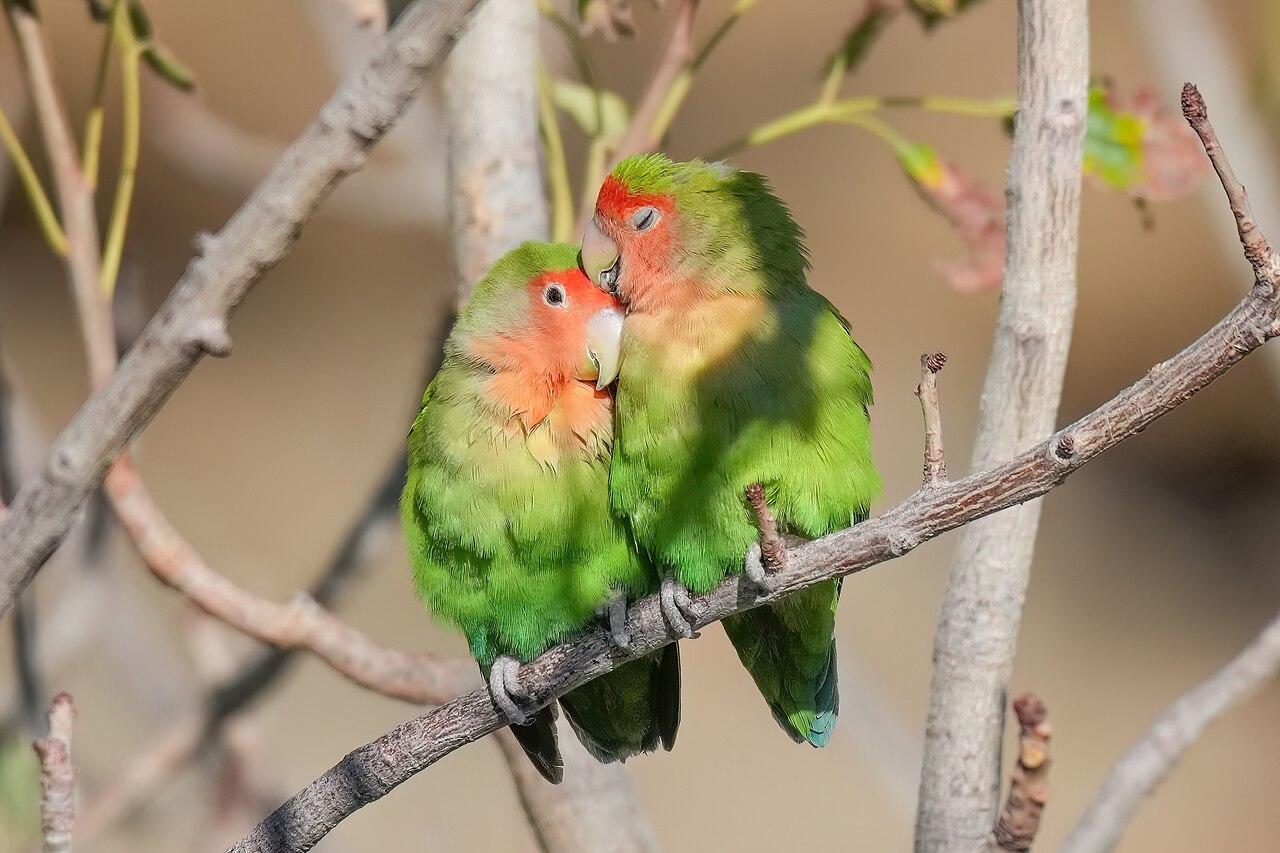
Peach-Faced Lovebird · Fischer’s Lovebird · Masked Lovebird
Pocket-sized pair that preens, chatters, and snuggles
Tiny parrots with huge devotion — bonded pairs preen each other and fill a room with cheerful chatter. Keep them as a pair in a wide cage; a lone lovebird demands human-level attention.
Photo: Wikimedia Commons / Giles Laurent / CC BY-SA 4.0
Care guide last reviewed: · Care requirements referenced from veterinary and humane standards.
Wide flight cage for a pair; daily flight time outside.
Vocal (4/5)
Misses company — best with someone home often
Best kept as a bonded pair
Three curated supplies researched for this companion's specific anatomy and daily welfare
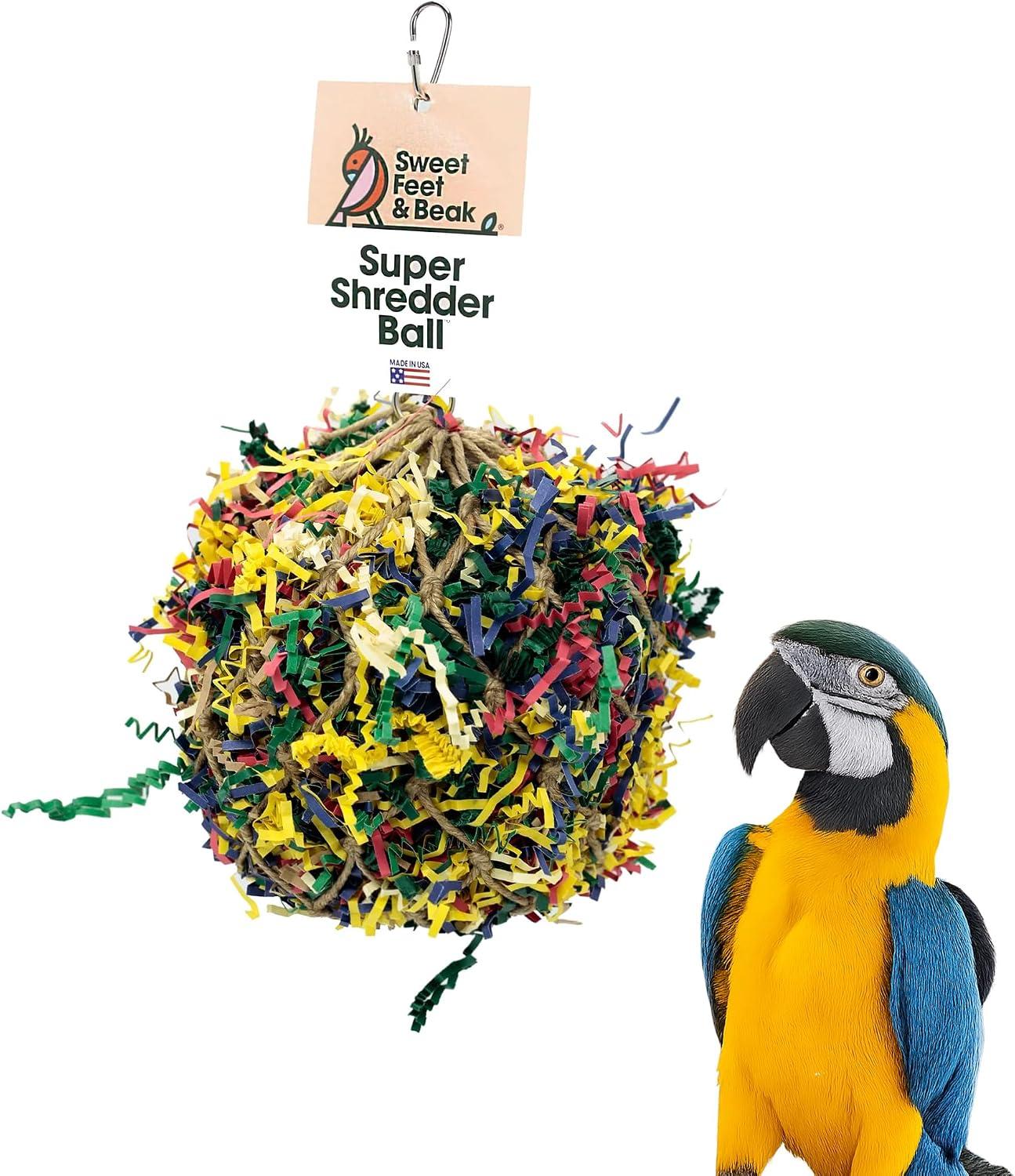
Female lovebirds possess an instinct to peel paper strips and tuck them into rump feathers for nesting; shredder balls channel this intense nesting drive safely.
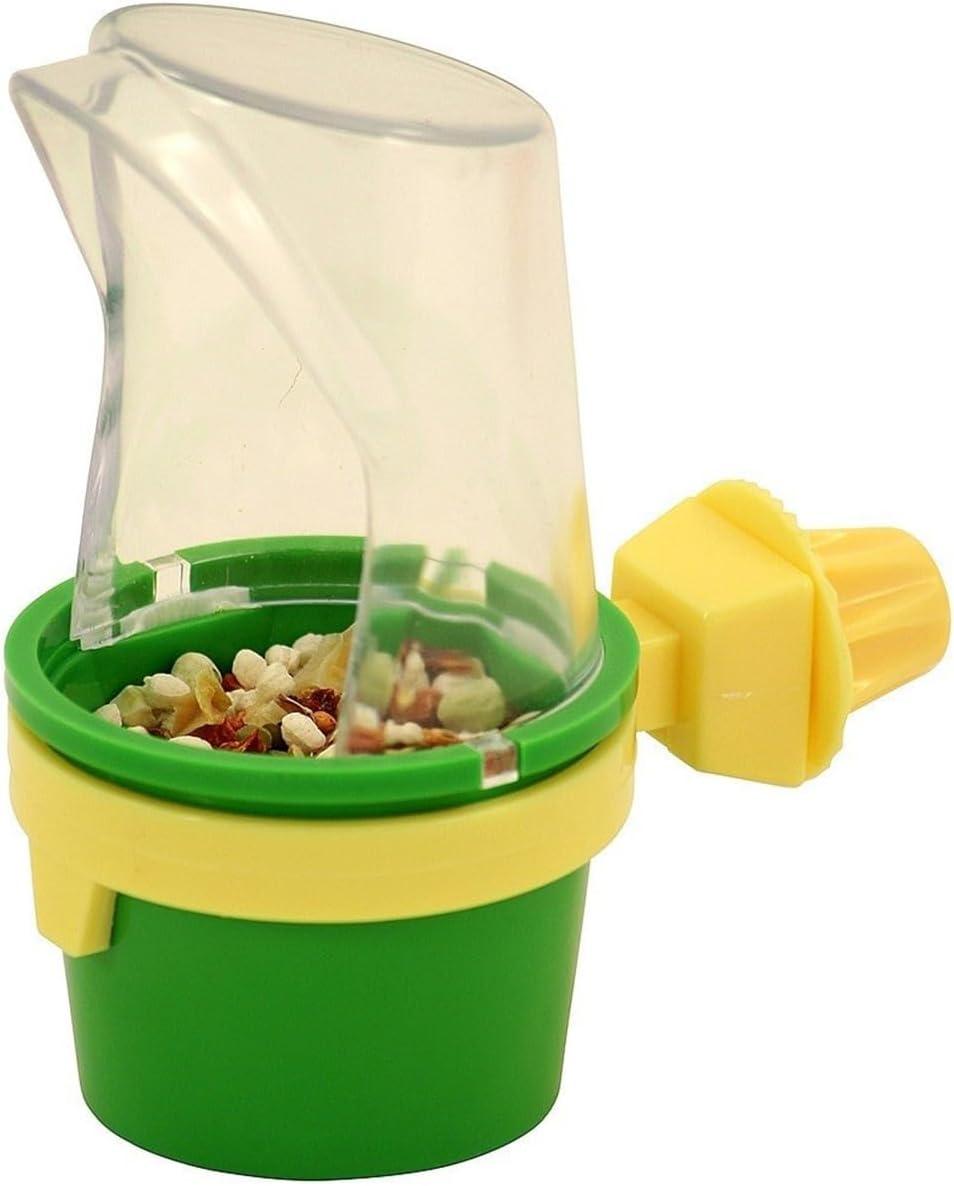
Mischievous lovebirds love tossing and flipping unbolted food dishes; screw-clamp twist-lock cups stay firmly anchored to the cage bars.
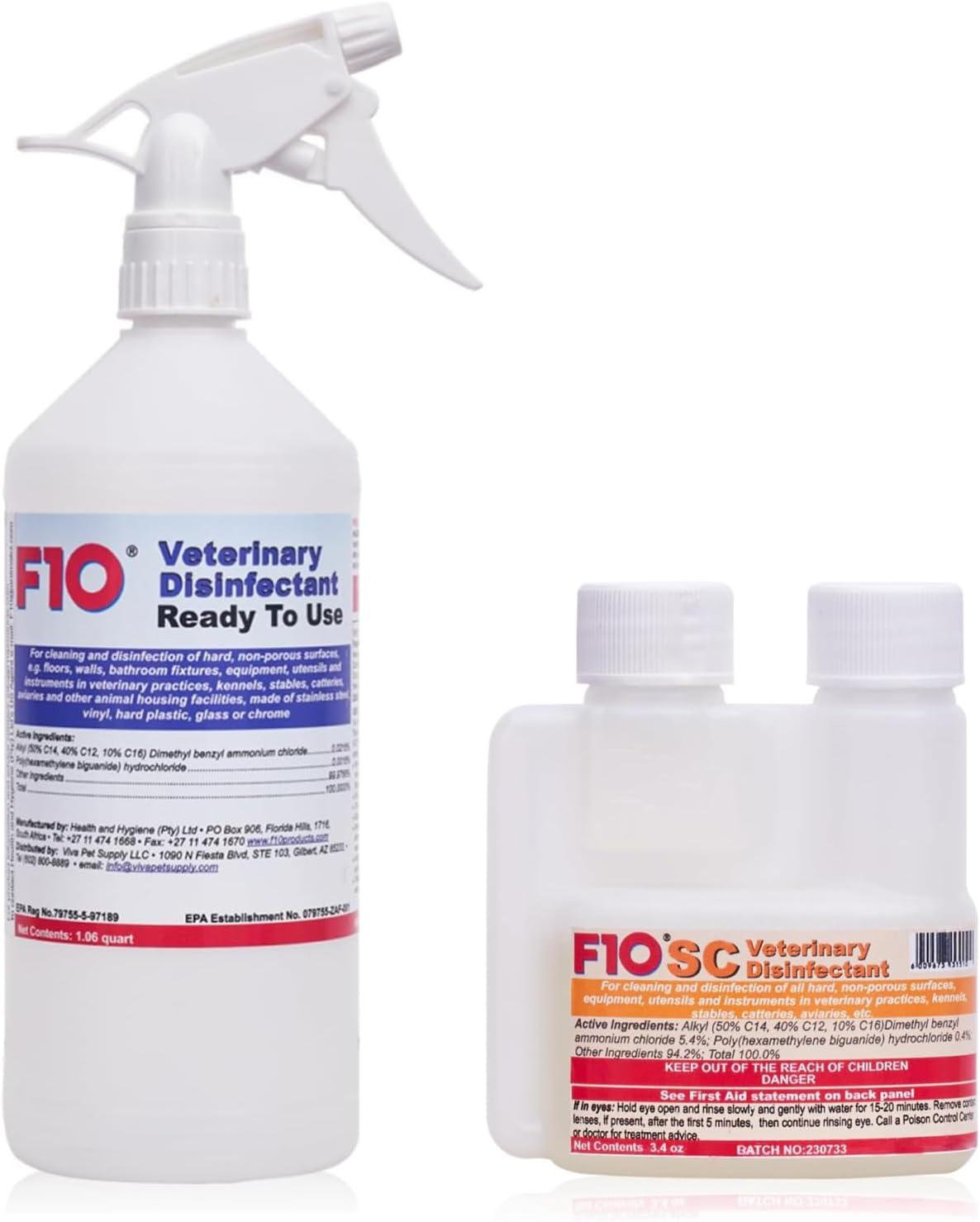
Parrot respiratory systems are hypersensitive to aerosol toxins and bleach fumes; non-corrosive, non-toxic F10SC destroys psittacosis without rinsing.
As an Amazon Associate, WhatPetSuitsYou earns from qualifying purchases. Product prices and availability are accurate at Amazon and subject to change.
A lovebird pair as pets is equal parts charming and feisty: two tiny parrots pressed together on a perch, mutual preening, cheerful chatter, and acrobatic play. Never keep a lone lovebird unless you can give hours of human company daily, since singles deprived of attention pluck, scream, and decline.
Pairs are a watch-more-than-handle pet that stays bonded to each other rather than to you, and hens can be fiercely territorial around their cage. Expect shredded toys, scattered seed, shrill morning calls, and a 12 to 15 year relationship with big parrot attitude in a 50 gram package.
Feed a small-parrot pellet as 60 to 70 percent of the diet, transitioning seed-raised birds gradually over weeks. Add chopped vegetables daily such as broccoli, carrot, peas, corn, bell pepper, and dark leafy greens, plus small fruit portions like apple, berries, and banana a few times weekly. Keep seed and millet strictly as treats under 10 percent, since seed-only diets cause fatty liver and vitamin A deficiency.
Provide a cuttlebone, change filtered water daily, and never feed avocado, chocolate, caffeine, alcohol, or fruit seeds. Discard uneaten fresh food within a few hours and wash dishes daily to prevent bacterial growth.
Keep a bonded pair in a wire flight cage at least 24 inches long, 18 wide, and 24 high, though a 32 by 20 by 20 inch cage suits these acrobats better, with bar spacing of half an inch or less. Fit multiple perches of varying diameters, a swing, chewable wooden toys, foraging puzzles, and bells, rotating items weekly. Provide one food and water station per bird plus a spare to prevent resource guarding.
Place the cage in a bright living area at 65 to 77 degrees with 10 to 12 hours of covered sleep, away from kitchens and nonstick fumes, scented candles, and cigarette smoke. Never add nest boxes, tents, huts, or shreddable bedding to a pet pair, since dark cavities trigger hormonal aggression and chronic egg laying.
Spend 60 to 90 minutes daily. Mornings bring fresh pellets, chopped vegetables, clean water, and fresh cage paper, plus a quick check that both birds eat freely and no feathers are being plucked. Give daily supervised flight time in a bird-proofed room, since pairs caged around the clock turn neurotic and loud.
Train step-up with millet rewards in short sessions, accepting that bonded pairs stay more interested in each other than in people. Spot-clean dishes midweek and do a full weekly wash of tray, grate, perches, and toys. Watch females in spring for nesting behavior and remove any shredding material immediately.
Book an avian vet exam yearly at 90 to 180 dollars. Lovebirds are prone to feather plucking from boredom, psittacine beak and feather disease, chlamydiosis, yeast infections, and injuries from cage-mate fights, especially between territorial females. Chronic egg laying exhausts hens and risks binding, so limit daylight to ten hours, remove nest triggers, and see the vet if laying exceeds two clutches yearly.
Alarm signs include fluffed daytime sleeping, tail bobbing, discharge, droppings changed for a day, or one bird guarding food. Separate fighters immediately into side-by-side cages rather than hoping they reconcile.
A hand-raised peach-faced lovebird costs 80 to 150 dollars, so budget 160 to 300 for a pair. A quality flight cage runs 100 to 200 dollars, with perches, toys, dishes, cover, and carrier adding 60 to 100. Monthly running stays low: pellets and produce 15 to 25 dollars, plus 5 to 10 for chew toy replacements.
The annual vet exam is 100 to 180 dollars. Expect 25 to 40 dollars a month for the pair, squarely in the Low tier, making them one of the cheapest parrots to keep well.
Lovebirds suit couples and families who want to watch a devoted bonded pair preen, feed, and chatter in a bright living room for 12 to 15 years. They ask less handling than a conure and cost little to feed.
They fail for owners wanting a cuddly solo bird, since pairs bond to each other first, for noise-sensitive apartments because of shrill calls, and for beginners unprepared for nipping and female territoriality. Choose a bonded opposite-sex pair from a breeder, skip the lone lovebird unless you are home all day, and enjoy the show.
Pairs are strongly recommended. A lone lovebird needs hours of human interaction daily to stay healthy, and most working owners cannot provide it.
A bonded pair keeps itself company and shows natural preening and courtship. Single birds bond closer to people but demand far more of your day.
They are shrill rather than loud. Expect high-pitched chattering, contact calls, and morning alarm sessions that carry through apartments.
They are quieter than conures and far quieter than large parrots, but they are not silent birds. Heavy covers at night and a full toy rotation reduce attention screaming.
Rarely. A few mimic whistles or a word or two, but lovebirds are not talkers.
They communicate with chirps, chatter, and beak grinding. Choose them for pair-bond behavior, playfulness, and beauty rather than speech, and train step-up and recall instead.
Biting usually means hormones, territory, fear, or boredom. Remove nest-like huts and shredding paper, limit daylight to ten hours, avoid grabbing, and reward calm step-ups.
Hens in breeding condition are especially defensive. If biting comes with plucking or appetite loss, rule out illness with an avian vet.
Take our free 15-question what pet should I get quiz to get a personalized compatibility score and see how they match your living environment.
Take the Free Pet Quiz