Loading…
Loading…
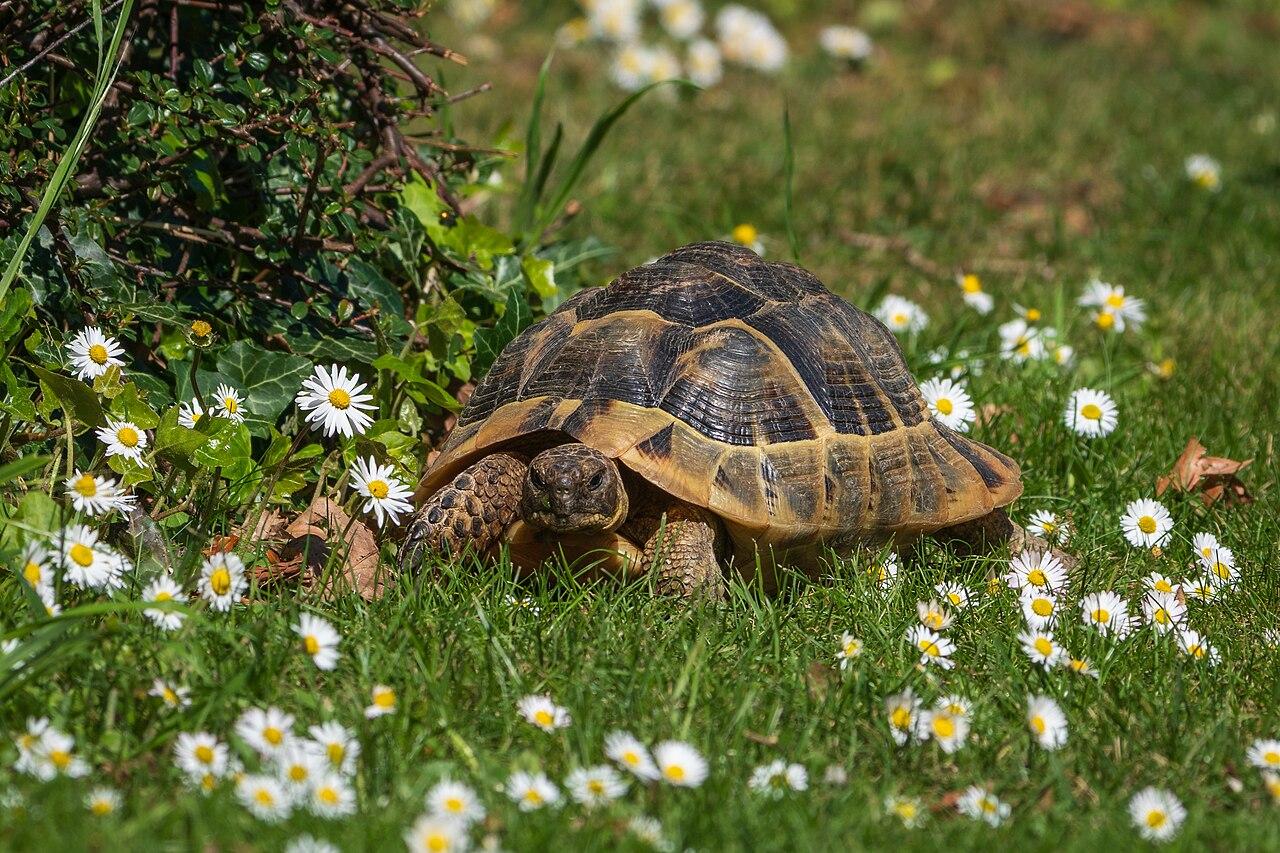
Eastern Hermann's Tortoise · Western Hermann's Tortoise
Sun-worshipping garden grazer that can outlive you
A charming Mediterranean tortoise that grazes weeds in a sunny outdoor pen all summer and hibernates in winter. Modest daily care — but a 50-plus-year lifespan that belongs in a will, not an impulse buy.
Photo: Wikimedia Commons / NorbertNagel / CC BY-SA 4.0
Care guide last reviewed: · Care requirements referenced from veterinary and humane standards.
Secure sunny outdoor pen with hides; indoor table with UVB for cold months.
Virtually silent (1/5)
Highly independent — comfortable alone 8+ hours
Prefers to live alone
Three curated supplies researched for this companion's specific anatomy and daily welfare
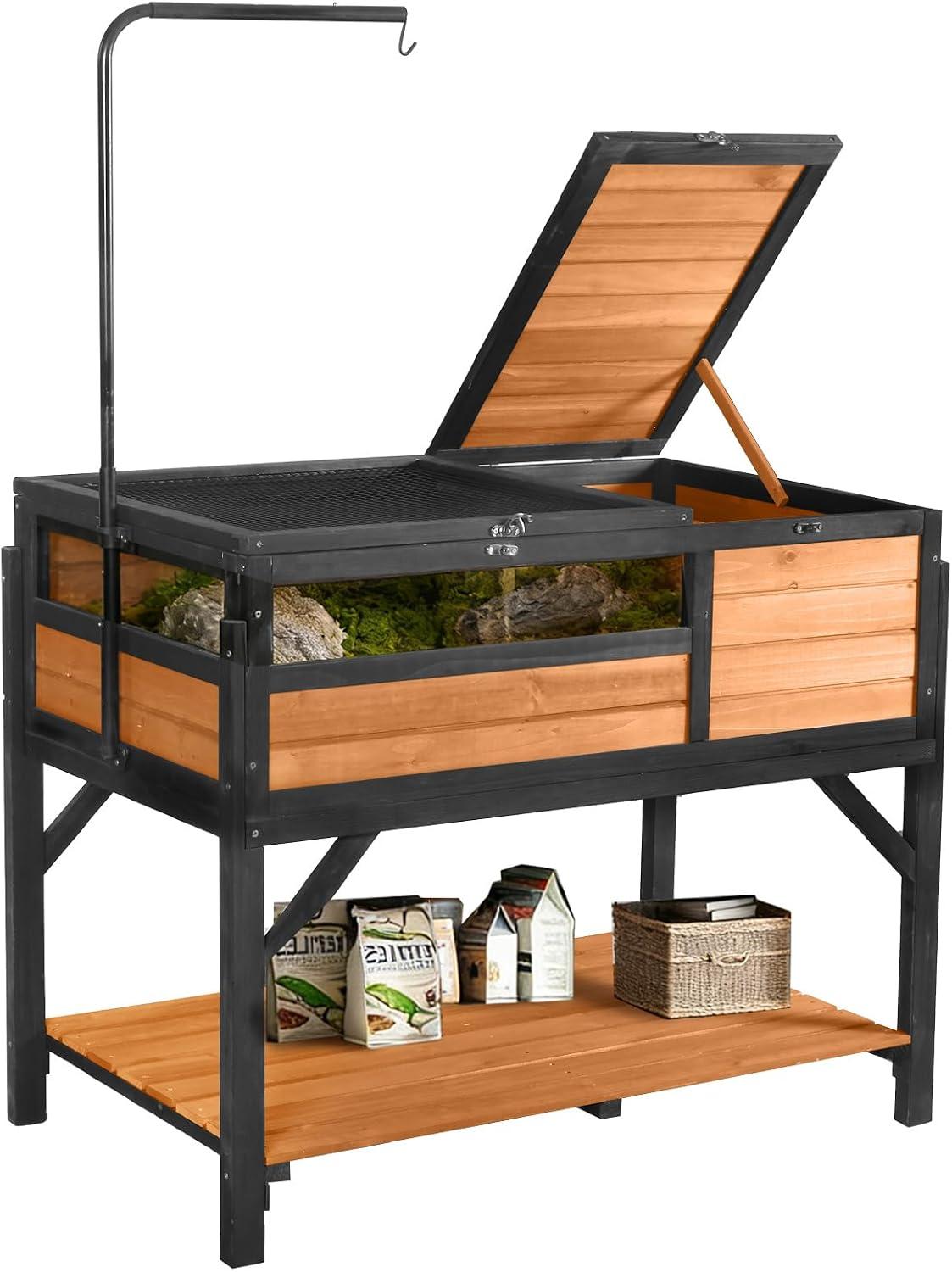
Glass tanks trap stagnant air and cause respiratory illness in tortoises; open-top wooden tortoise tables provide superior ventilation and private sleeping quarters.
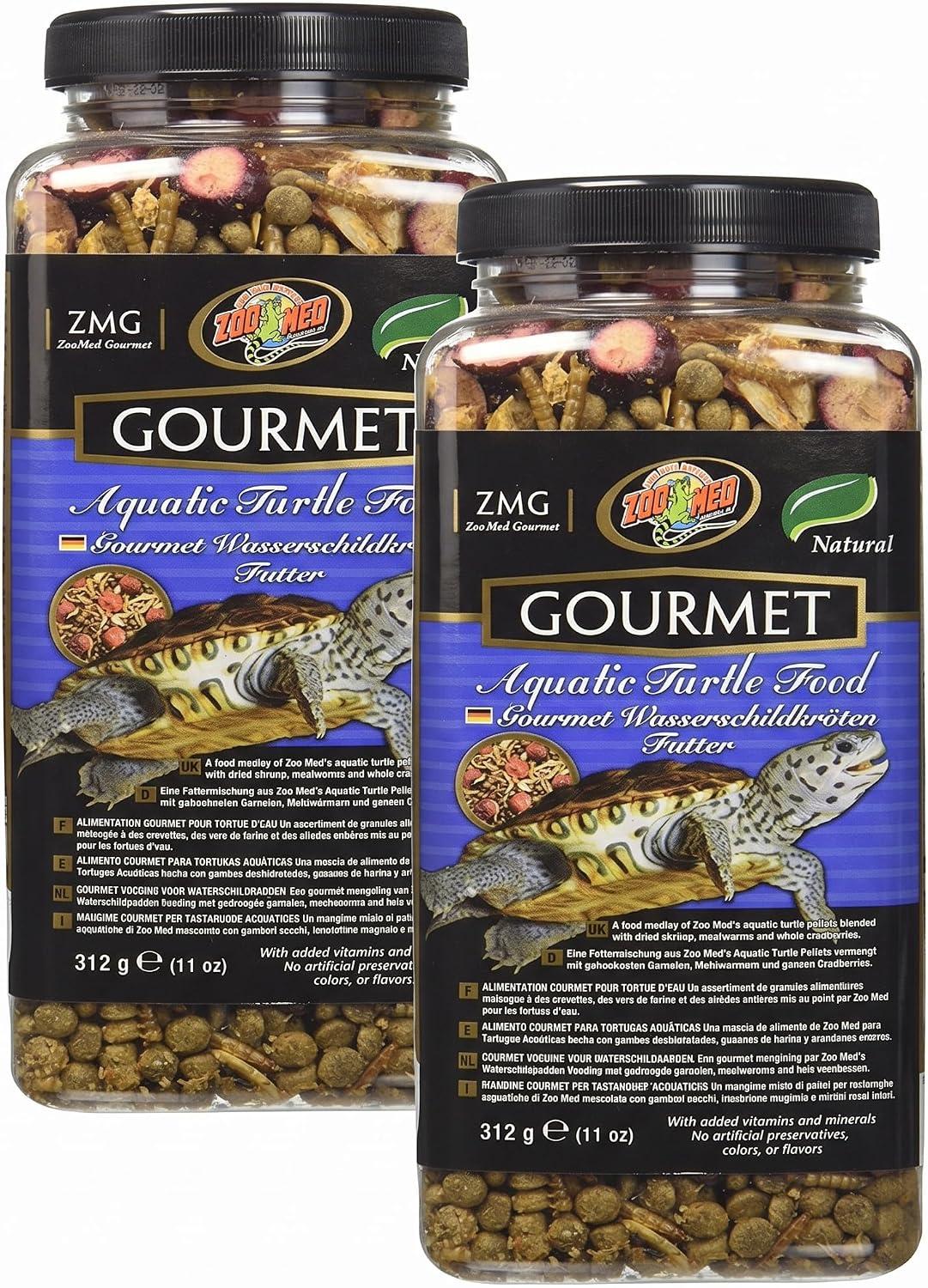
Mediterranean tortoises require high-fiber, low-protein wild weed nutrition; botanical timothy and orchard grass pellets prevent abnormal shell pyramiding.
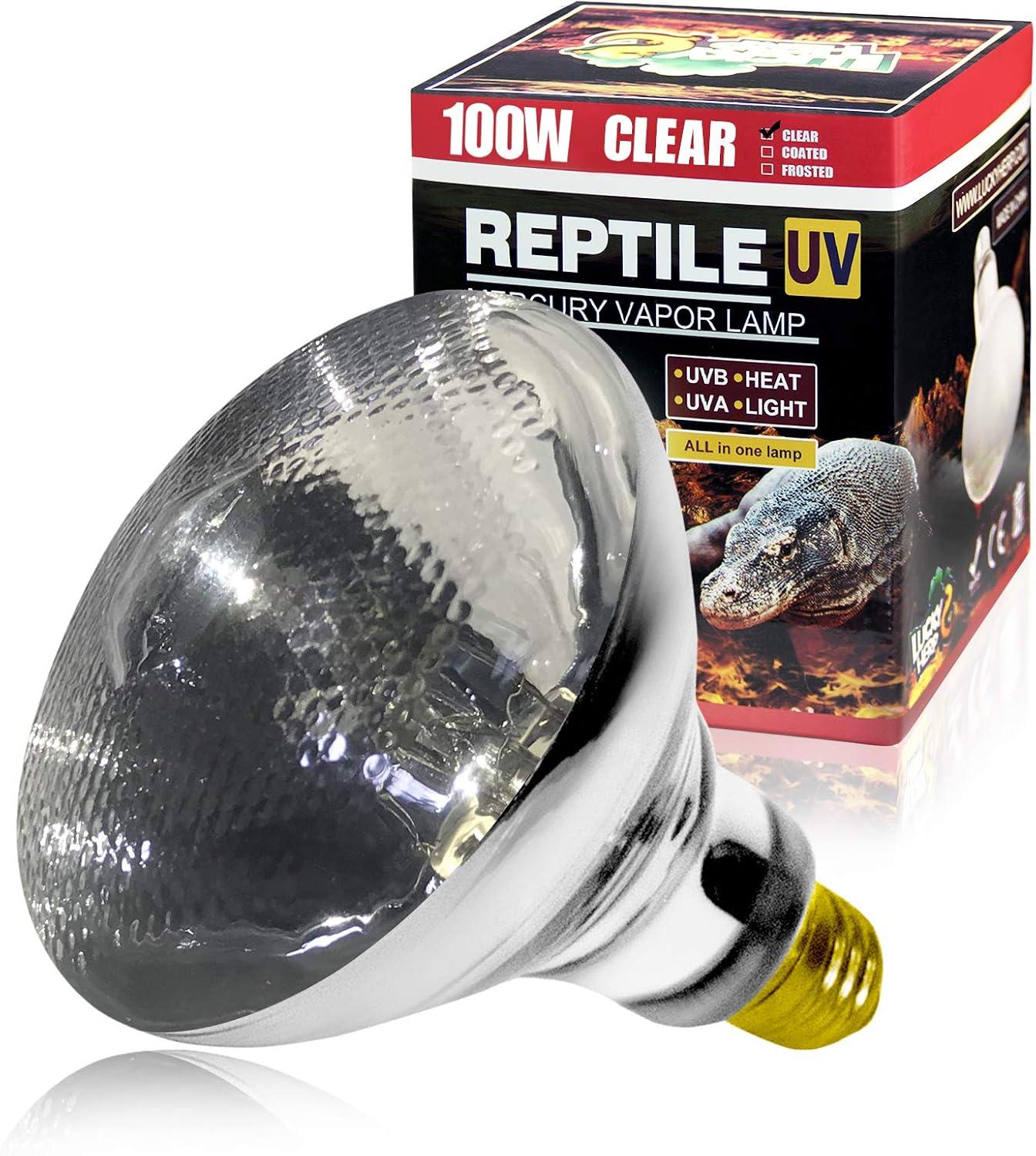
Hermann’s tortoises absorb heat and broad-spectrum UVB simultaneously while basking in natural sunlight; mercury vapor lamps replicate natural Mediterranean solar conditions.
As an Amazon Associate, WhatPetSuitsYou earns from qualifying purchases. Product prices and availability are accurate at Amazon and subject to change.
As a pet, a Hermann's tortoise is a charming, diurnal garden grazer with real personality: it learns routines, begs for favourite flowers, bulldozes through obstacles, and basks blissfully on warm slate. It is solitary, does best alone or carefully separated since males harass females, and prefers observation to handling: pick it up only when necessary, supporting the whole shell, and always wash hands afterward. There is no noise, no fur, and modest mess confined to the pen.
The honest trade is time horizon: you are adopting a companion that may greet your grandchildren. Daily life is quiet and slow, built around sunshine, weeds, and naps, which devoted keepers find deeply calming and impatient owners find dull.
Hermann's tortoises are strict herbivores needing high-fibre, low-protein, calcium-rich weeds. Build the diet on dandelion leaves and flowers, plantain, clover, sow thistle, mallow, chickweed, and hibiscus leaves and flowers, supplemented with endive, escarole, romaine, rocket, and grated butternut squash. Feed a portion eaten within 15 to 20 minutes daily in the active season, with one or two light fast days a week for adults to prevent obesity and shell pyramiding.
Dust food with calcium carbonate two to three times weekly and keep a cuttlebone permanently available. Never feed fruit beyond rare traces, spinach or beet greens in quantity, legumes, dog or cat food, bread, dairy, or animal protein: sugar and protein disrupt gut flora and damage kidneys. Soak juveniles in lukewarm water regularly to support hydration.
The ideal home is a secure sunny outdoor pen of at least 2 to 4 square metres per adult, with solid dig-proof walls 30 cm high and buried, rounded corners, a wooden shelter, sunny slate basking slabs, shade shrubs, edible weed plantings, a shallow rough-rimmed water dish, and netting against crows for juveniles. Indoors, use an open tortoise table at least 120 by 60 cm, never a closed glass tank, with topsoil, coconut coir, and play-sand substrate deep enough for digging. Provide a basking spot of 32 to 35C, a warm zone of 26 to 30C, a cool end of 20 to 24C, and nights down to 16 to 20C.
Mount a T5 high-output 10 to 12 percent UVB tube over the basking area for 10 to 12 hours daily, replacing it every 6 to 12 months. Nocturnal heat is unnecessary indoors unless the room falls below about 15C.
In the active season expect 20 to 30 minutes daily. Mornings: check temperatures, offer fresh weeds, refresh the shallow water dish, and observe grazing, basking, and droppings. Let the tortoise follow its natural rhythm of morning graze, midday shade siesta, and afternoon graze rather than forcing activity. Bathe juveniles in shallow lukewarm water for 15 to 20 minutes a few times a week to ensure hydration and stimulate waste.
Weekly, weigh growing tortoises to keep growth slow and steady, scrub the water dish, and inspect the pen for escape gaps, since tortoises push boundaries relentlessly. Seasonally, manage the yearly cycle: reduce light and food over weeks before hibernation, and wake gradually with warm baths in spring. Predator-proof the outdoor pen every evening.
Metabolic bone disease from missing UVB and calcium-poor diets is the commonest captive issue, showing as soft or pyramided shells and weak limbs. Other concerns are respiratory infections from cold damp housing, runny noses and swollen eyes from vitamin A deficiency, intestinal parasites, bladder stones, and fatal gut rot if a tortoise hibernates with food still inside. Only healthy, vet-cleared tortoises should hibernate — no fixed gram threshold alone (use weight-for-length/Jackson check); juveniles, sick, or new animals overwinter awake — after a pre-hibernation vet check with faecal exam, at a stable 4 to 8C for 8 to 12 weeks.
Register with an exotic vet: checkups run 60 to 100, hibernation assessments and parasite treatment more. Seek urgent care for wheezing, discharge, prolonged food refusal outside hibernation season, or unnaturally fast lumpy shell growth.
Setup costs 300 to 700 for a tortoise table with heat and T5 UVB kit, thermostats, substrate, hides, and dishes, plus lumber and mesh for the outdoor pen, which handy owners build cheaper. Summer feeding is nearly free if the pen grows dandelion, plantain, and clover; winter grocery greens and dried tortoise forage cost 10 to 20 a month. UVB tubes need replacing every 6 to 12 months at 25 to 50, and substrate refreshes are infrequent.
Budget 15 to 30 a month ongoing. Vet care is the real line: annual exotic checks 60 to 100, pre-hibernation exams with faecals extra. Across a 50-plus-year life the lifetime cost is substantial but spread thin: this is a pet you put in your will, with decades of modest upkeep rather than big monthly bills.
Hermann's tortoises suit patient owners with sunny gardens who want a decades-long outdoor companion, not beginners seeking a simple indoor pet. You will succeed if you can build a secure planted pen, grow or pick weeds daily in season, manage UVB and temperatures precisely, and handle hibernation under vet guidance. You will struggle in a flat without outdoor space, if daily fresh weeds sound like a chore, or if a 50-plus-year lifespan that outlives your living situation alarms you.
This species demands more experience than shops admit: hibernation kills unprepared tortoises. Only commit if the tortoise has a place in your will and a named future keeper, because it will likely need one.
Healthy adults naturally hibernate 8 to 12 weeks at 4 to 8C, which supports metabolism and breeding health. Only hibernate healthy, vet-cleared tortoises (no fixed gram threshold alone — use weight-for-length/Jackson check) after a vet check and faecal exam, with the gut fully emptied over weeks.
Sick, underweight, or new tortoises should skip hibernation and stay warm indoors.
Fibrous weeds first: dandelion, plantain, clover, sow thistle, mallow, plus flowers like hibiscus and dandelion heads. Add endive, escarole, and rocket indoors.
Dust with calcium, keep cuttlebone available, and avoid fruit, protein, and iceberg lettuce almost entirely for good shell growth.
Only juveniles or overwintering tortoises should live indoors full-time, in an open tortoise table with strong UVB, never a glass tank. Adults need a secure sunny outdoor pen in the warm season for natural grazing, exercise, and sunlight.
Plan for both setups before buying.
Take our free 15-question what pet should I get quiz to get a personalized compatibility score and see how they match your living environment.
Take the Free Pet Quiz