Loading…
Loading…
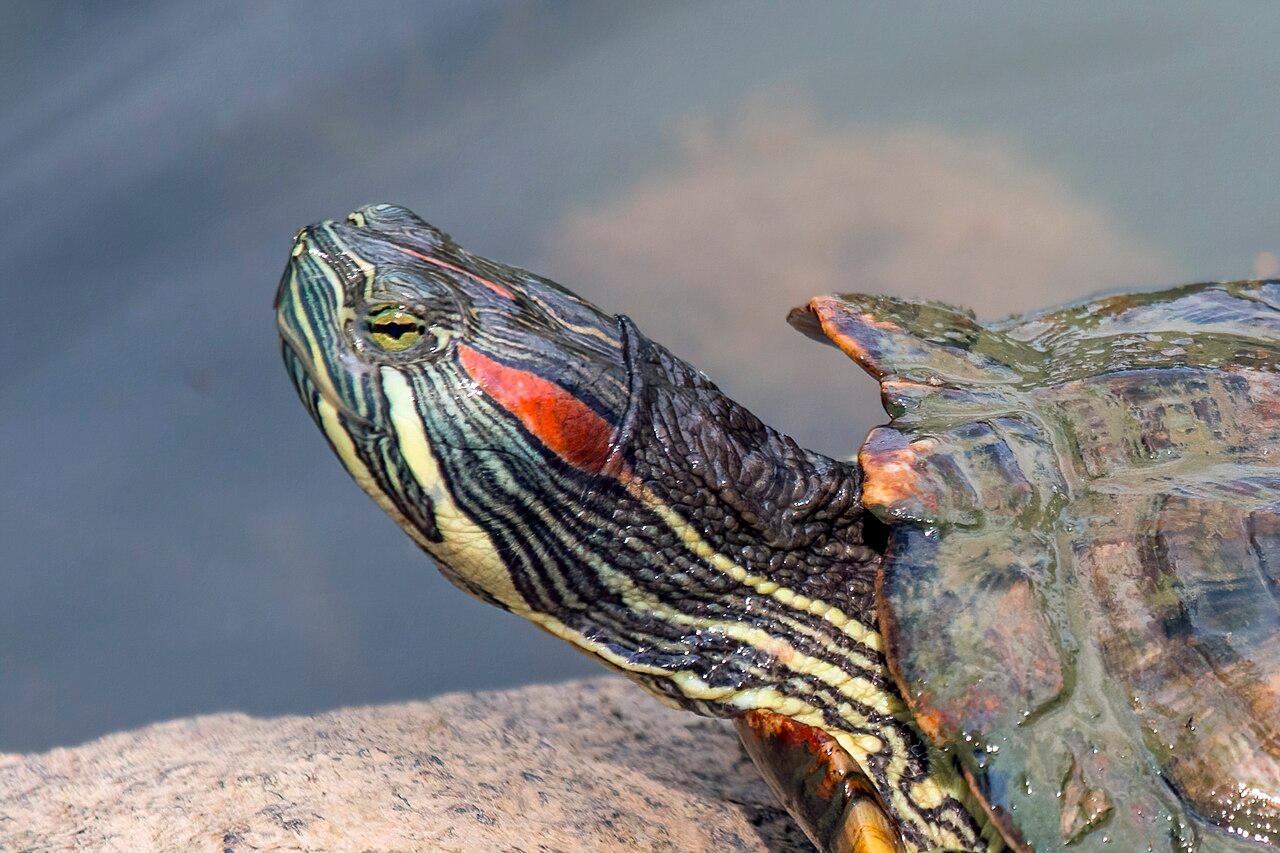
Red-Eared Slider
Classic basking turtle — a 30-year pond in your living room
The famous pet-shop turtle that grows to dinner-plate size and lives 30+ years. Needs a huge filtered tank with basking lamps as a juvenile and ideally a pond as an adult — never release it into the wild.
Photo: Wikimedia Commons / Charles J. Sharp / CC BY-SA 4.0
Care guide last reviewed: · Care requirements referenced from veterinary and humane standards.
75–120 gallon filtered tank with basking dock; adults need ponds.
Virtually silent (1/5)
Highly independent — comfortable alone 8+ hours
Prefers to live alone
Three curated supplies researched for this companion's specific anatomy and daily welfare
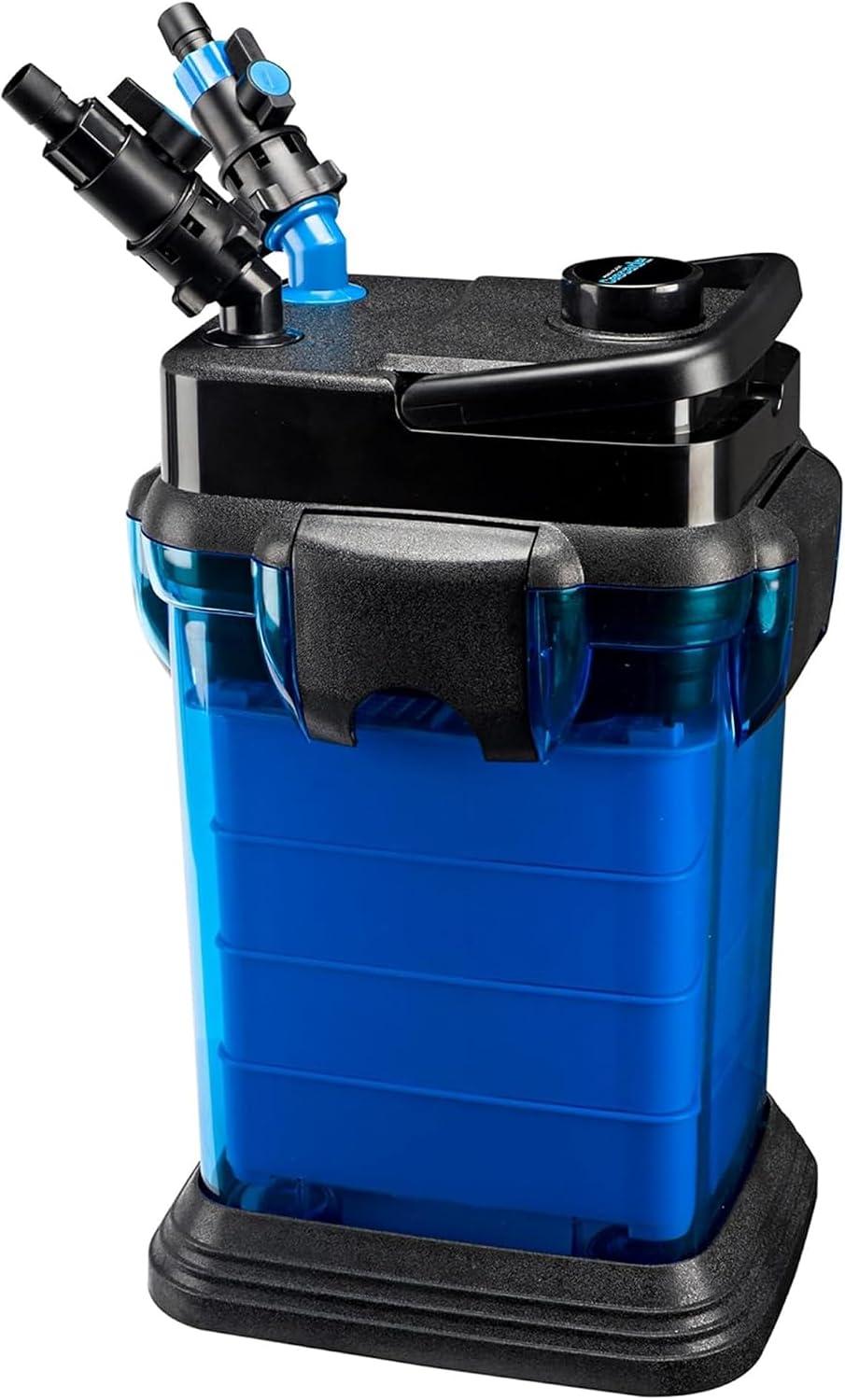
Aquatic turtles produce 3 to 4 times the biological waste of fish; a high-flow external canister filter rated for 100+ gallons keeps water safe and clear.
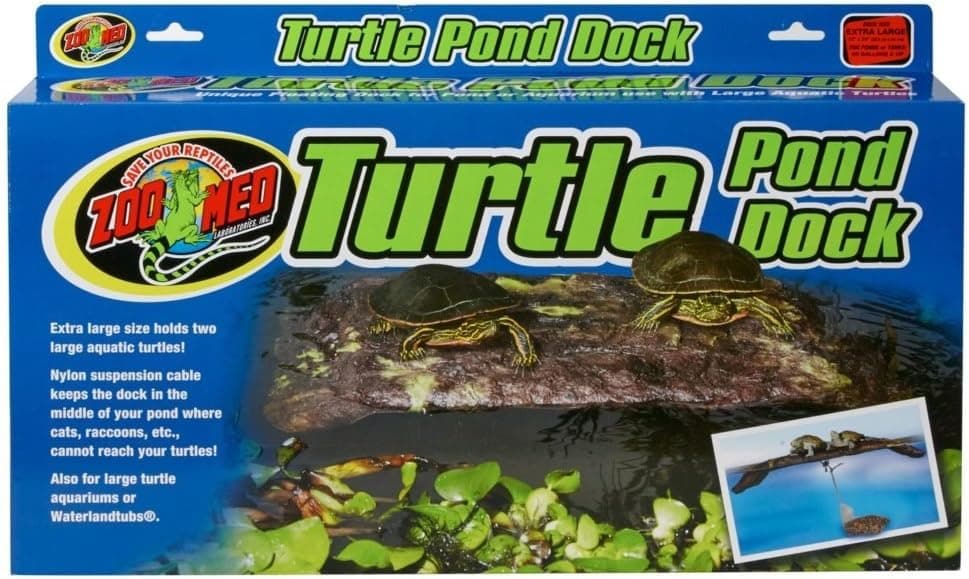
Red-eared sliders must dry their plastron and carapace completely under heat to prevent fungal shell rot; a submerged ramp allows easy climbing as water levels fluctuate.
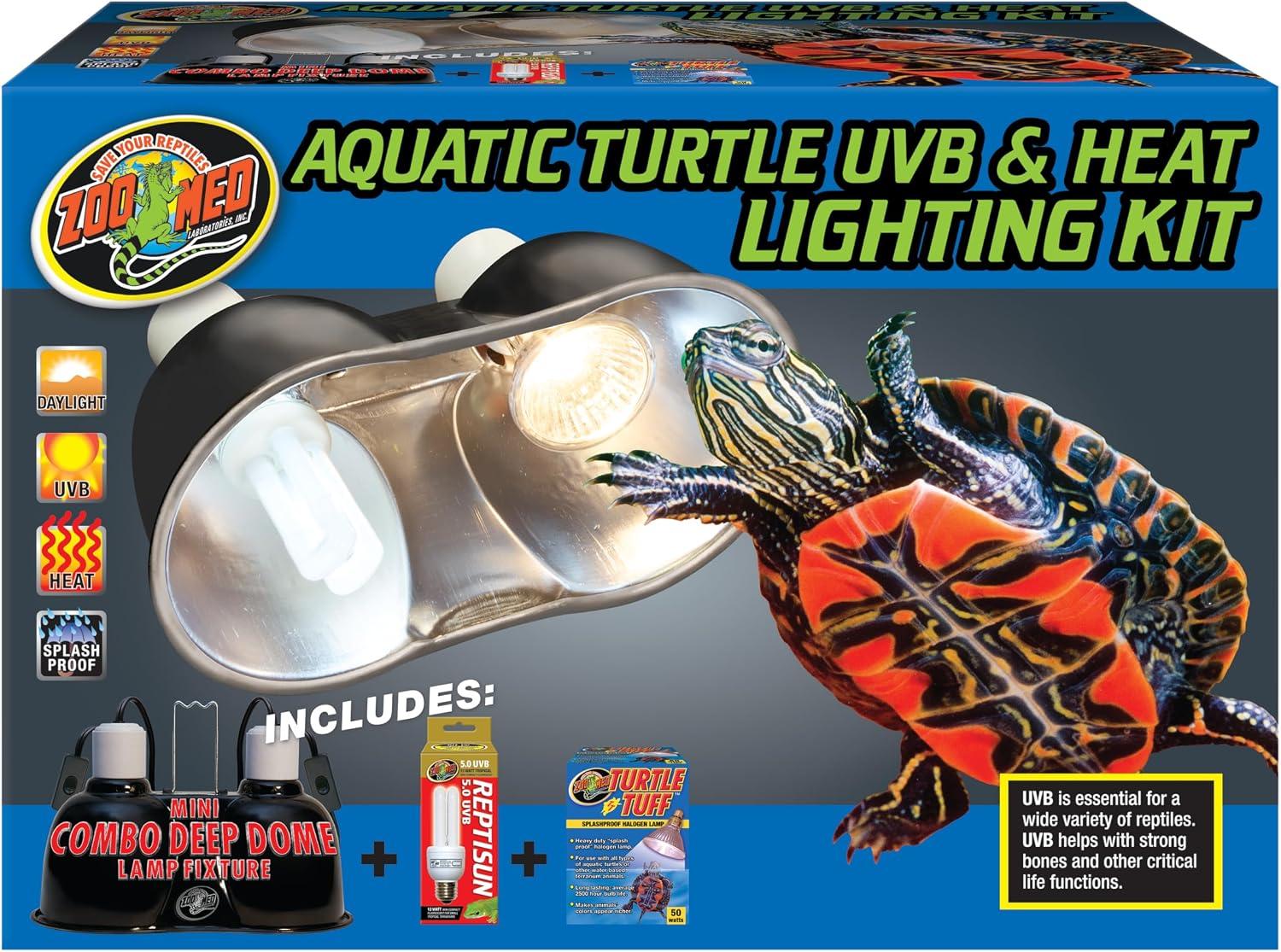
Sliders require intense heat (90°F) to digest food paired with UVB rays to metabolize calcium; a dual dome fixture focuses both essential rays onto the basking dock.
As an Amazon Associate, WhatPetSuitsYou earns from qualifying purchases. Product prices and availability are accurate at Amazon and subject to change.
As a pet, a slider is an intelligent, personable aquatic animal that begs at feeding time, follows movement outside the glass, and basks for hours in a characteristic sprawl. It is solitary and must live alone, diurnal and fun to watch, but it is not a handling pet: restraint stresses turtles, claws scratch, and all handling spreads Salmonella without careful hygiene. Children must be supervised and never kiss turtles or touch faces after contact.
The honest reality is mess: a large carnivorous reptile fouls water fast, and your relationship is mostly maintenance punctuated by feeding excitement. Owners who love aquariums, water testing, and basking behaviour thrive; owners wanting cuddles should look at tortoises or lizards instead.
Red-eared sliders are omnivores whose diet shifts from protein-heavy juveniles to plant-heavy adults. Base feeding on quality commercial aquatic turtle pellets, adding thawed whole freshwater fish, earthworms, gut-loaded insects, river shrimp, and bloodworms for protein. Offer dark leafy greens daily: dandelion, collard, mustard greens, endive, romaine, plus pondweed, duckweed, and grated squash or carrot for beta-carotene against vitamin A deficiency.
Feed juveniles daily and adults every two to three days, only what disappears in 5 minutes, netting out leftovers so they do not rot the water. Float a cuttlebone permanently for calcium, dust food lightly with reptile vitamins to vet guidance, and never feed raw supermarket meat, dairy, bread, or iceberg lettuce as staples.
Plan for a dinner-plate turtle, not the hatchling in the shop. Allow 10 gallons of water per inch of shell, meaning a 25 cm female needs 100 to 120 gallons minimum, ideally an indoor pond or stock tank rather than glass. Water must be deep enough for full swimming turns, kept at 24 to 27C with a guarded submersible heater, and filtered by a canister filter rated for two to three times the tank volume, since sliders are extremely messy.
Provide a large dry basking dock the turtle can climb fully onto, heated to 30 to 35C under a halogen lamp, with T5 UVB spanning the basking zone for 12 hours daily. Use bare bottoms or river rocks too big to swallow, never fine gravel, and cover tanks with ventilated mesh: sliders climb and escape.
Expect 20 to 30 minutes daily plus a weekly water session. Each day: feed the correct portion, remove uneaten food within minutes, check water and basking temperatures, confirm the filter is flowing, and observe basking, swimming, and appetite, since behaviour changes flag illness early. Weekly, change 25 to 50 percent of the water with dechlorinated water matched to tank temperature, rinse filter media in old tank water to preserve bacteria, and test ammonia, nitrite, and nitrate with a liquid kit.
Monthly, scrub the dock and decor and weigh the turtle. Adults eventually need pond-scale housing: budget time for major water moves with a siphon or pump. Always wash hands before and after contact, since sliders carry Salmonella.
Most slider disease comes from small dirty tanks plus missing UVB. Watch for soft or pyramided shells and swollen eyes from metabolic bone disease and vitamin A deficiency, white fuzzy shell patches or foul smells signalling shell rot, wheezing, listing while swimming, or open-mouth breathing indicating respiratory infection, and overgrown beaks or lethargy. Prevention means powerful filtration with weekly partial changes keeping ammonia and nitrite at zero, a fully drying basking dock every day, correct heat and UVB with tubes replaced on schedule, varied diet with calcium, and absolutely no release into local ponds, where sliders are a destructive invasive species.
Register with an exotic vet; checkups run 60 to 120, illness workups far more. Seek urgent care for any turtle that stops basking, floats lopsided, or refuses food for over a week.
Sliders are cheap to buy and expensive to keep. Setup costs 500 to 1,500 for a 100-plus gallon tank or stock tank, oversized canister filter, heater with guard, basking dock, heat and UVB fixtures, water test kits, and dechlorinator. Ongoing, budget 30 to 60 a month for pellets, fresh greens, filter media, electricity for heating and filtration running constantly, and UVB tube replacement every 6 to 12 months.
Vet care is exotic-priced and turtles hide illness well, so keep a substantial fund. Over a 25 to 40 year lifespan the lifetime cost runs into many thousands, dominated by decades of filtration, heating, and eventual pond builds. Never acquire one without pricing the adult setup first: the tiny starter kit is never the real cost.
Red-eared sliders are a poor choice for beginners despite pet-shop marketing. You will succeed only if you have space and budget for 100-plus gallons of filtered heated water, accept daily feeding plus weekly water changes for 30-plus years, and can build or house a pond for the adult. You will struggle if you expected a small bowl turtle, live in a flat with no floor strength for hundreds of litres, travel often, or want a hands-on pet: sliders observe rather than cuddle and scratch with sharp claws.
They are also illegal to release and restricted or banned in many regions. Choose a slider only if you want a decades-long aquatic project and can commit like a pond keeper, not a casual owner.
About 10 gallons of water per inch of shell: a 10 cm juvenile needs 40 gallons now, and an adult female needs 100 to 120 gallons or a pond. Water must allow full swimming turns.
Buy the adult-sized setup early: tiny starter tanks become cruel within a year or two.
Aquatic turtle pellets as the staple plus dark leafy greens daily and protein such as earthworms, shrimp, insects, or thawed fish a few times a week. Juveniles eat daily, adults every two to three days.
Keep a cuttlebone in the tank for calcium and remove uneaten food fast.
Never. Sliders are among the world's most invasive species, outcompeting native wildlife, and release is illegal in many places including the EU.
If you cannot keep yours, rehome through a reptile rescue or vet network. Plan for a 30-plus-year commitment before buying.
Take our free 15-question what pet should I get quiz to get a personalized compatibility score and see how they match your living environment.
Take the Free Pet Quiz