Loading…
Loading…
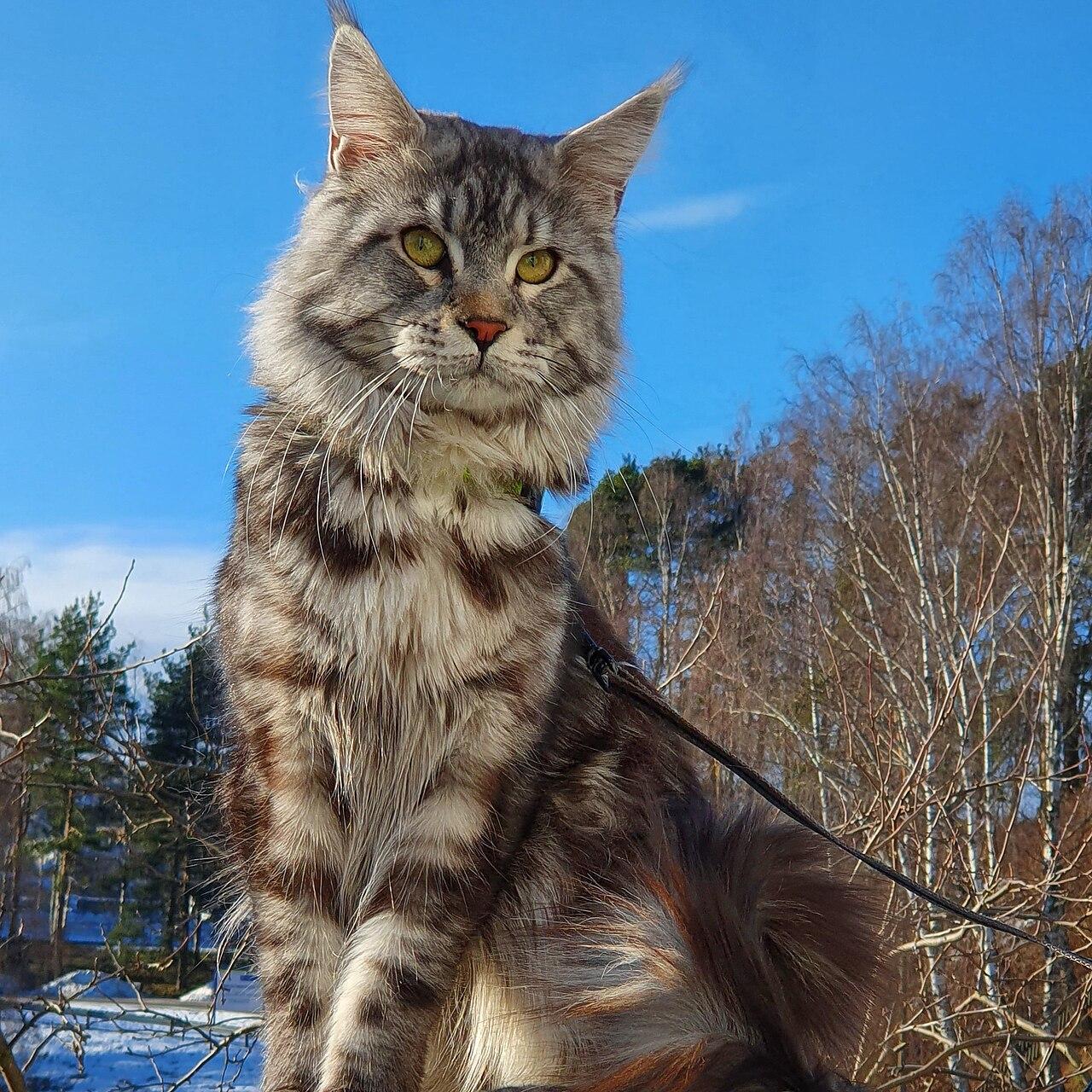
Brown Tabby Maine Coon · Silver Maine Coon
Gentle giant that chirps, follows you, and plays fetch
The largest domestic cat (up to 8–10 kg) and one of the most dog-like: follows owners room to room, chirps instead of meowing, and adores children. Long coat needs weekly combing.
Photo: Wikimedia Commons / T. Bjornstad / CC BY-SA 4.0
Care guide last reviewed: · Care requirements referenced from veterinary and humane standards.
Roomy home; needs a large sturdy cat tree for its weight.
Quiet (2/5)
Tolerates a normal workday with enrichment
Content with independent time
Three curated supplies researched for this companion's specific anatomy and daily welfare
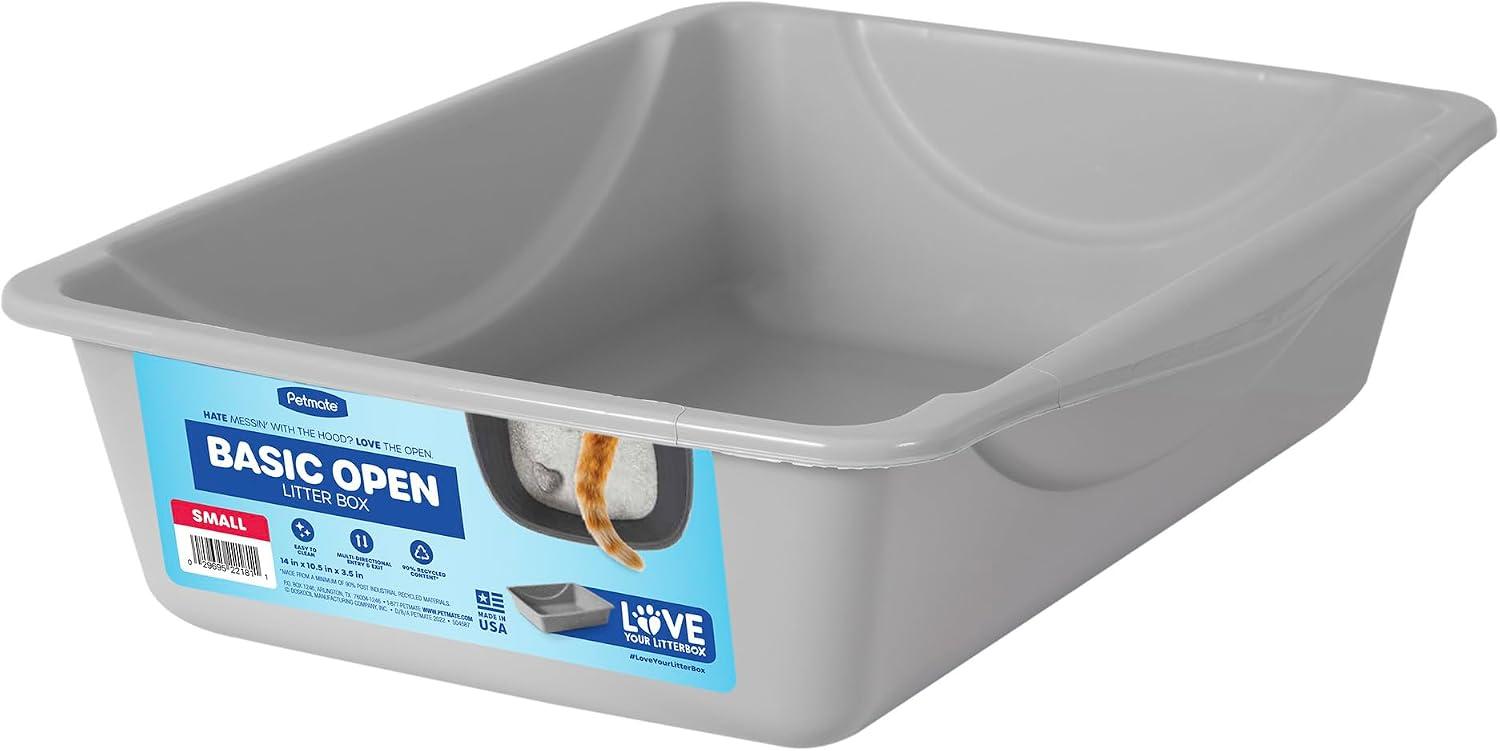
Weighing up to 20+ lbs with long tails, Maine Coons easily miss or feel cramped in standard litter boxes; an extra-large open pan accommodates their huge frame.
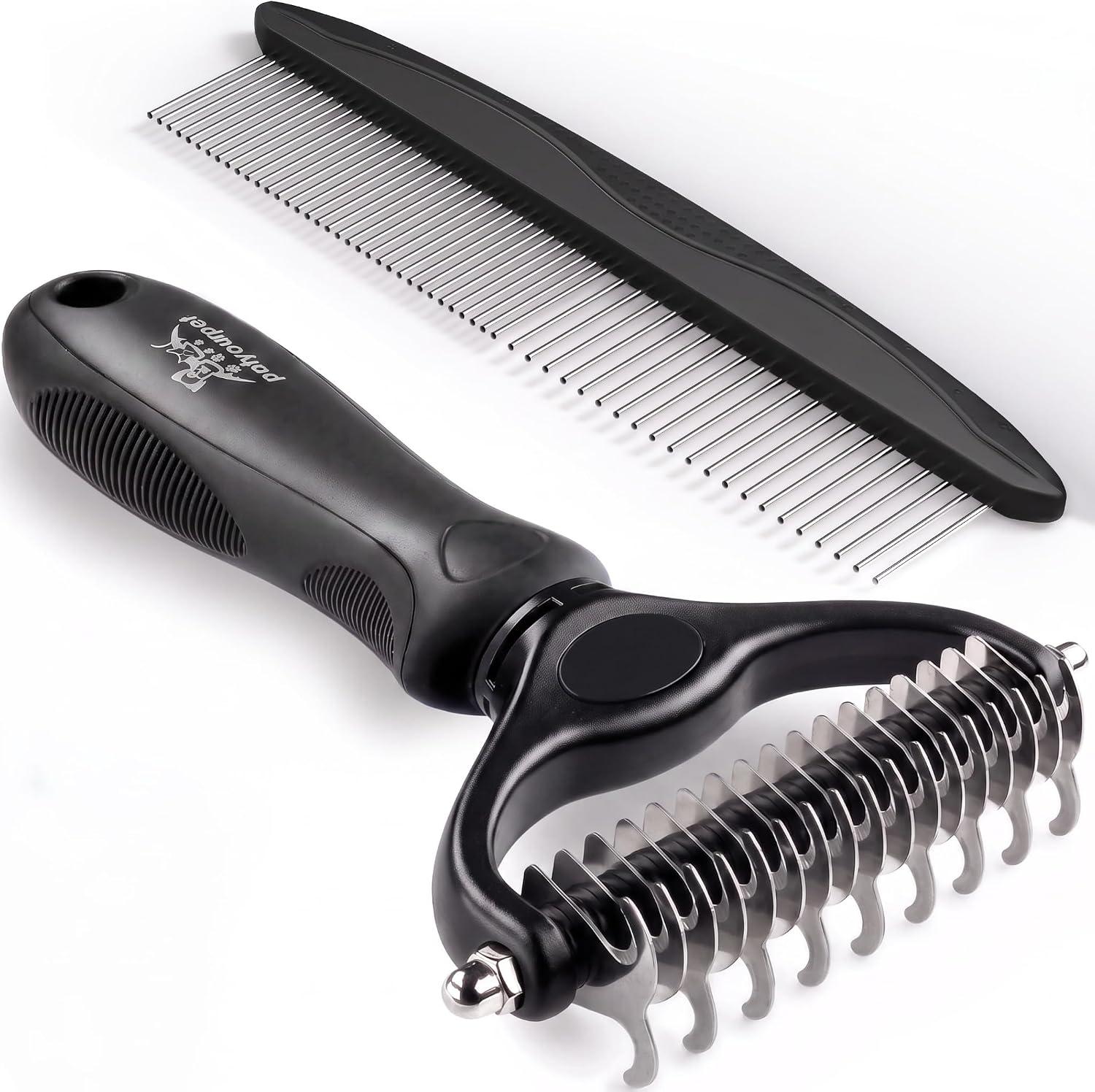
Maine Coons have massive water-resistant ruffs and britches that tangle easily; dual rounded rakes gently slice through groin and armpit mats without skin tugging.
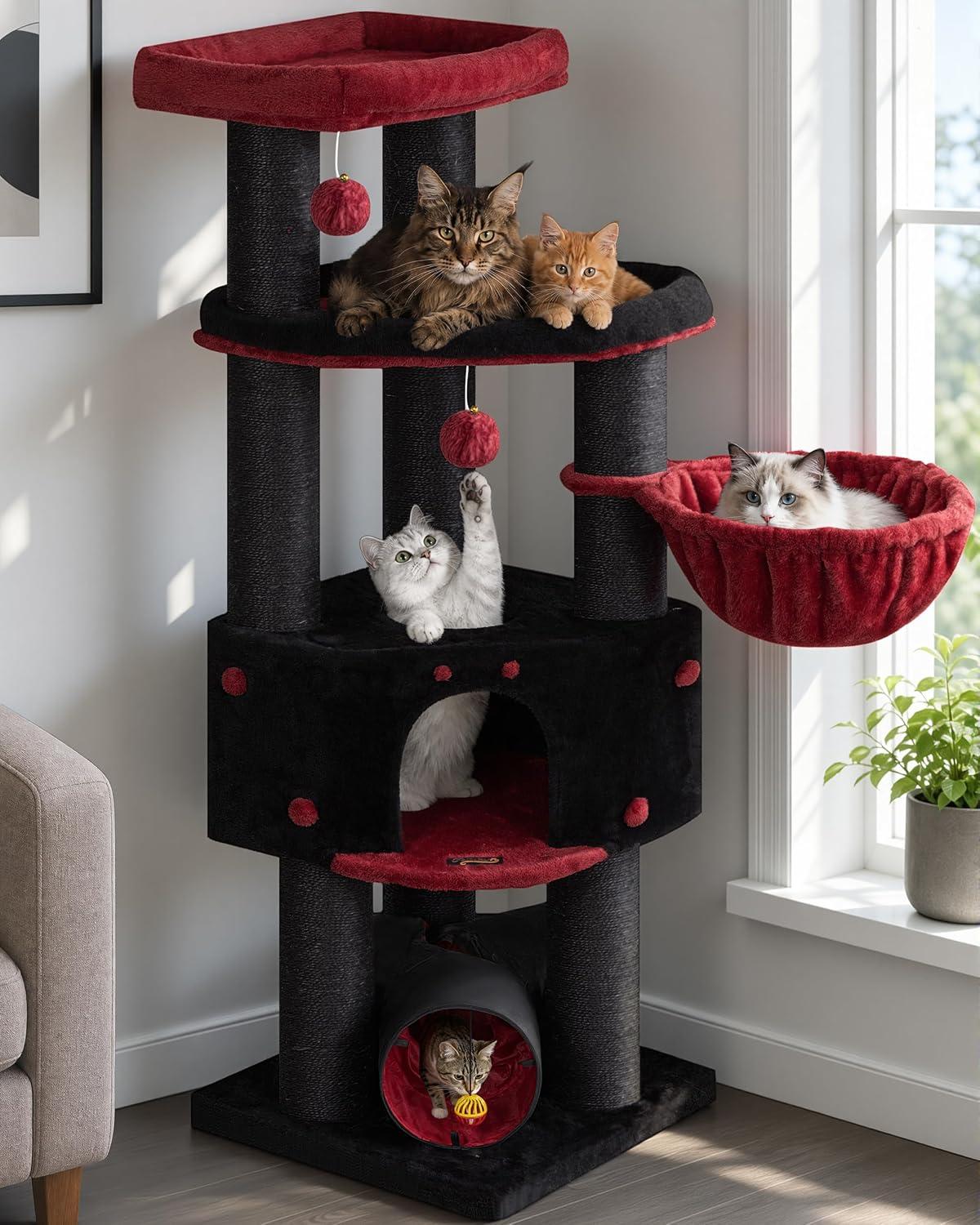
Standard cat trees rock or collapse under a leaping 18-lb Maine Coon; reinforced thick posts and wide baseplates guarantee safe high perching.
As an Amazon Associate, WhatPetSuitsYou earns from qualifying purchases. Product prices and availability are accurate at Amazon and subject to change.
Expect a gentle giant that chirps and trills instead of meowing, follows you room to room, greets you at the door, and often plays fetch. Despite the wild look they are soft-natured, patient with children, and usually good with cat-friendly dogs. The long coat sheds heavily in spring and needs regular combing; occasional baths help oily coats.
They stay playful and puppyish for years and prefer company, so long solo days suit them less than they suit a British Shorthair. Keep them indoors or leash-trained: their friendly trust and valuable looks make free roaming unsafe.
Feed a high-protein diet scaled to a very large cat: adult males reach 7 to 11 kg and need roughly 300 to 450 kcal daily across two or three measured meals, with wet food prioritised for urinary and kidney health. Choose AAFCO-complete food with named meat first and add joint-supportive nutrients (omega-3s, glucosamine) from middle age, since big frames stress hips.
Slow growth matters: Maine Coons mature over 3 to 5 years, so keep juniors on kitten or all-stage food until at least 12 to 15 months as your vet advises. Avoid free-feeding dry kibble, cap treats at 10 percent of calories, and weigh monthly, because extra kilos on an already giant frame sharply worsen hip dysplasia and heart strain.
Give this giant room: a large home with an extra-sturdy, wide-based cat tree rated for 10 kg-plus cats, wall shelves with gentle step spacing, and oversized litter boxes (at least 60 cm long, one per cat plus one) in quiet spots. Use unscented clumping litter and scoop daily. Provide a large scratching post, a big cosy bed, and a window perch with a strong bracket.
Keep the home cool in summer since the heavy coat overheats, and secure screens on all windows. Long fur tracks litter, so use a high-sided box with a mat outside. A water fountain encourages drinking, supporting urinary health in a breed prone to kidney issues.
Comb the coat 2 to 3 times weekly (10 minutes) with a steel comb, checking armpits and belly for mats, and daily during spring moult. Scoop litter once or twice daily, serve measured meals morning and evening with fresh water, and play for 15 to 20 minutes with wand toys or fetch, since Maine Coons stay kittenish for years. Trim claws every 2 to 3 weeks, check paw tufts for litter clumps, wipe eye corners, and inspect ears.
Total care is 45 to 60 minutes daily. Brush teeth if tolerated and schedule annual vet checks with cardiac listening; report any new breathlessness, coughing, or reluctance to jump promptly.
Maine Coons live 12 to 15 years with three breed-priority conditions. Hypertrophic cardiomyopathy (HCM) is the leading concern; there is a breed DNA test plus echocardiogram screening, so ask breeders for both and budget for periodic heart scans. Hip dysplasia causes limping, stair avoidance, or litter-box reluctance and is managed with weight control, joint diet, and sometimes surgery.
Spinal muscular atrophy (SMA) is a DNA-testable inherited weakness of the hindquarters, and polycystic kidney disease also occurs. Watch for rapid breathing, lethargy, fainting, or sudden hind-leg pain. Insure early: cardiac ultrasounds, hip X-rays, and dental work on a big cat are costly.
Kittens from health-tested breeders cost 1,200 to 3,000. Monthly, budget 40 to 60 for food (big cat, big appetite), 15 to 25 for litter, and 25 to 45 for insurance, which vets strongly recommend for this breed. Annual checks run 150 to 250, heart scans 300 to 600 when advised, and dental cleanings 400 to 700.
An XXL cat tree, giant litter boxes, and carrier cost 150 to 300 one-off. Realistic average is 110 to 180 per month excluding purchase, rising in senior years. Emergency cardiac or orthopaedic care can reach several thousand, so keep a dedicated vet fund.
A wonderful family cat but a moderate, not beginner-proof, commitment: huge size, heavy coat, big appetite, and higher vet bills. You will thrive if you have space, enjoy daily grooming and play, and can fund insurance plus heart screening. Families with children do brilliantly, since Maine Coons are famously gentle and dog-like.
Think twice if you live in a small flat, dislike shedding and litter tracking, or want a cheap cat: everything from food to medication is sized up. Buy only from breeders showing HCM and SMA DNA results and heart scans, and be ready for a chirping shadow that follows you for 15 years.
Males typically reach 7 to 11 kg and females 4.5 to 7 kg, taking 3 to 5 years to mature fully. They are the largest domestic cat breed, which is why they need oversized litter boxes, sturdy cat trees, and portion-controlled feeding.
Yes, comb 2 to 3 times weekly with a steel comb, daily during spring shedding, focusing on armpits and belly where mats form. Their silky coat resists tangles better than a Persian's but still felts without routine care.
Ask for HCM DNA testing and recent echocardiograms in the lines, SMA DNA results, and PKD screening. Responsible breeders share certificates, keep kittens until 13 weeks, and discuss any heart or hip problems in relatives.
They are among the best cats for families: large, sturdy, patient, and dog-like in following children around. Supervise toddlers so tails are not pulled, and teach gentle handling since even a gentle giant can scratch when startled.
Take our free 15-question what pet should I get quiz to get a personalized compatibility score and see how they match your living environment.
Take the Free Pet Quiz