Loading…
Loading…
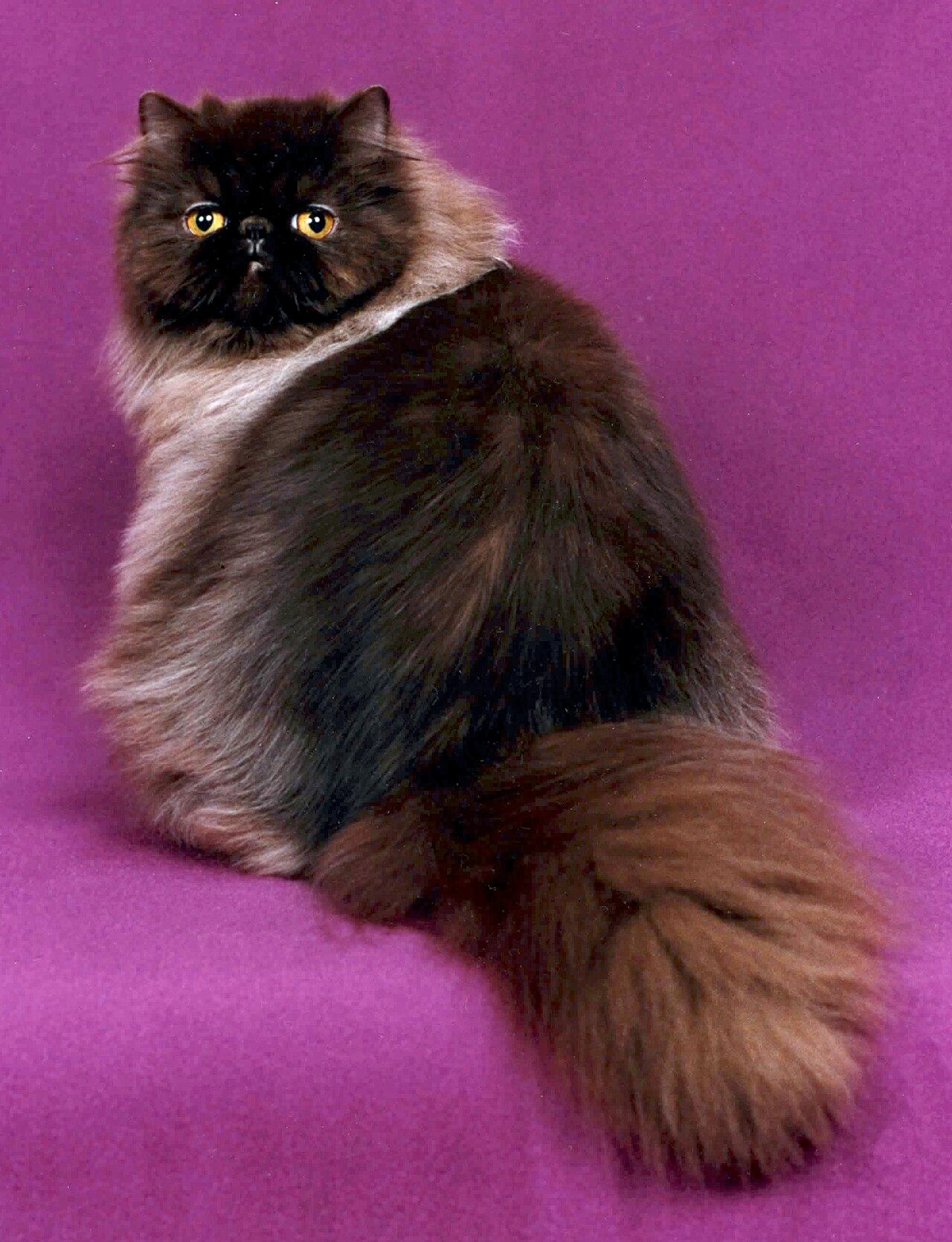
Doll-Face Persian · Exotic Shorthair
Serene long-haired aristocrat for quiet homes
The calmest, fluffiest lap cat: quiet, gentle, and content to preside over a peaceful home. The price is grooming — daily brushing (or the short-haired Exotic variety) plus regular eye and coat care.
Photo: Wikimedia Commons / Cindy See / CC BY-SA 2.0
Care guide last reviewed: · Care requirements referenced from veterinary and humane standards.
Calm indoor home of any size; strictly indoor lifestyle.
Virtually silent (1/5)
Tolerates a normal workday with enrichment
Content with independent time
Three curated supplies researched for this companion's specific anatomy and daily welfare
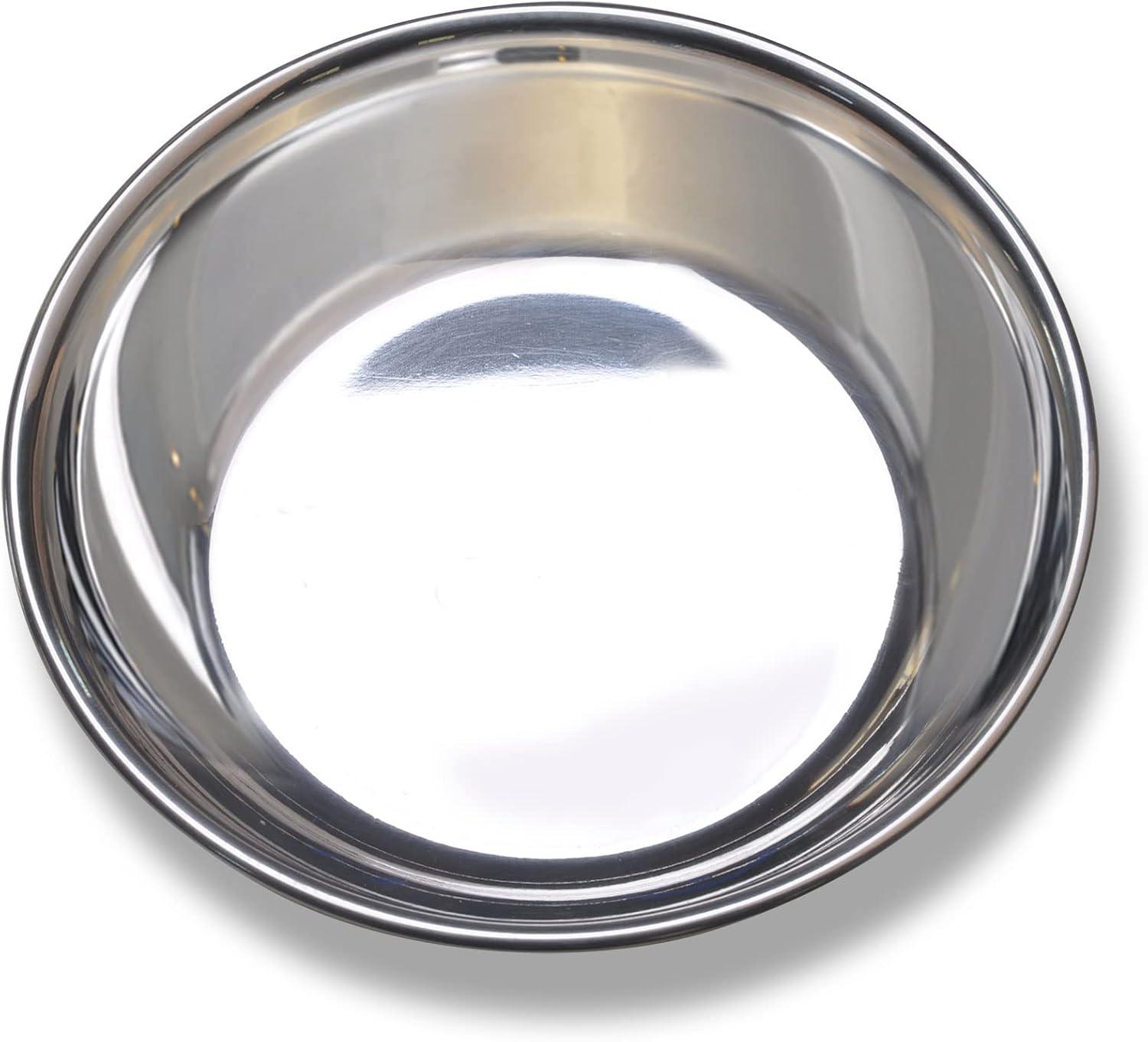
Brachycephalic Persians struggle to scoop food from deep bowls without cramming their flat faces against soiled rims; wide shallow ceramic dishes prevent mess.
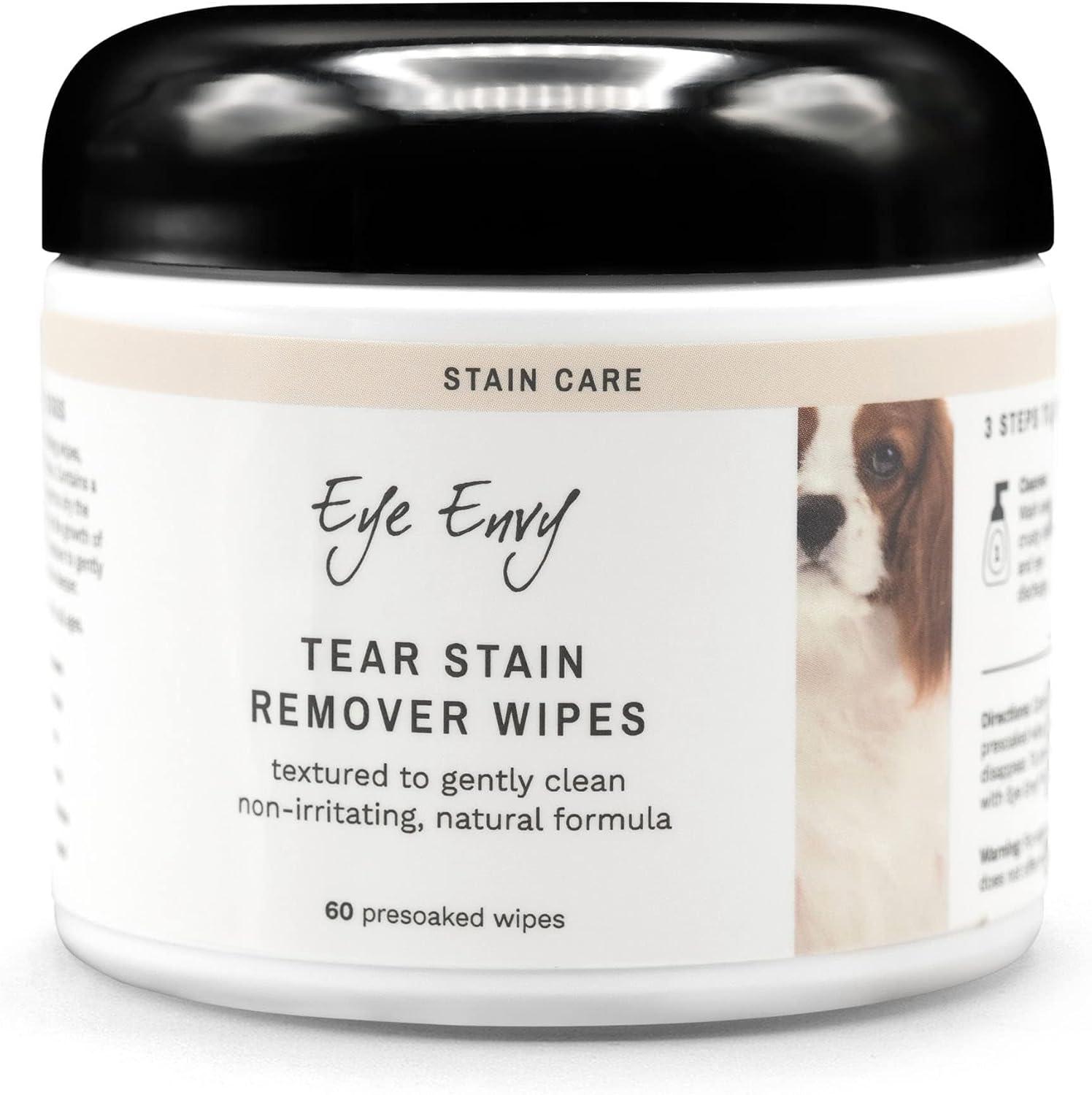
Due to shortened tear ducts, Persians suffer chronic ocular epiphora and dark crusting; antibacterial cleansing wipes eliminate bacteria and staining safely.
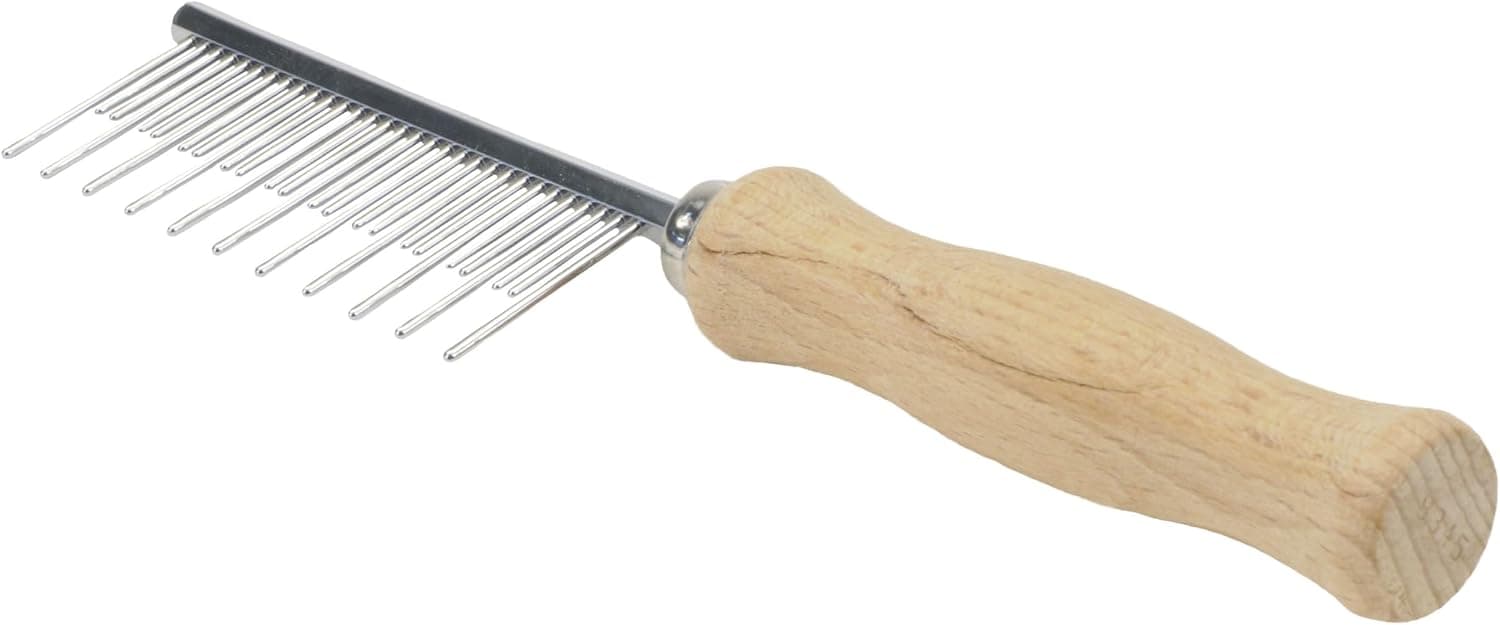
Persian coats have a massive cottony undercoat that forms tight, skin-irritating pelt mats overnight without daily root-to-tip combing.
As an Amazon Associate, WhatPetSuitsYou earns from qualifying purchases. Product prices and availability are accurate at Amazon and subject to change.
Expect a tranquil, undemanding companion that presides over a quiet home, accepts gentle handling, and asks for little beyond meals, a clean box, and your lap. Persians are quiet, rarely climbing or demanding, and tolerant of calm children and peaceful pets. The coat is the whole lifestyle: daily brushing, daily eye wiping, regular baths, and seasonal shedding storms, with tracked litter and occasional rear-end trims.
They feel the heat, breathe noisily when stressed or hot, and need air-conditioned comfort in summer. What they lack in athleticism they return double in serene, decorative affection.
Feed a complete diet that supports skin, coat, and kidneys: adults of 3 to 5.5 kg need roughly 200 to 280 kcal daily in two measured meals, with wet food prioritised for hydration and urinary health. Choose AAFCO-complete food rich in omega fatty acids, consider hairball-control or urinary-support formulas on vet advice, and add water fountains since Persians drink modestly. Flat faces make eating awkward, so use wide shallow dishes and keep the face clean after meals.
Cap treats at 10 percent of calories and weigh monthly under the fluff. Kittens eat 3 to 4 meals until 12 months. Seniors need kidney-aware recipes and twice-yearly bloodwork, as kidney disease is the breed's headline risk.
A calm indoor home of any size suits this serene breed; Persians are strictly indoor cats with no roaming ambitions. Provide one large litter box per cat plus one spare in quiet spots with unscented litter scooped daily, a sturdy scratching post, and floor-level cosy beds: Persians prefer armchairs to high perches.
Add a window perch at easy height, keep rooms cool and ventilated since the heavy coat overheats, and run air conditioning in heatwaves for flat-faced breathing comfort. Remove lilies and toxic plants, secure windows, and keep grooming tools (steel comb, slicker, eye wipes) at a fixed station, because daily coat care happens wherever the cat naps.
Brush and comb every single day for 10 to 15 minutes with a steel comb down to the skin, working in layers to prevent painful mats on the belly, armpits, and behind ears; skip days and felted mats need professional shaving. Wipe eyes and tear grooves daily with a damp pad (separate pad per eye), clean the face after meals, and check the rear feathering. Scoop litter daily, serve measured meals with fresh water, and play gently for 10 to 15 minutes.
Bathe every 4 to 6 weeks with cat shampoo, trim claws fortnightly, and brush teeth if tolerated. Total grooming-led care is 45 to 60 minutes daily: this is the price of the coat.
Persians live 12 to 15 years with the heaviest breed-health burden here. Polycystic kidney disease (PKD) affected over a third of Persians in the 1990s; demand negative DNA certificates for both parents and run annual kidney bloodwork from middle age. Brachycephalic (flat-face) anatomy causes breathing difficulty, stenotic nostrils, constant tear overflow with face sores, and dental crowding: choose doll-face lines over extreme flat faces and keep weight lean.
Progressive retinal atrophy, hypertrophic cardiomyopathy, and skin infections under mats also occur. Watch for noisy breathing, eye discharge, weight loss, and increased thirst. Comprehensive insurance is essential; airway, eye, and kidney care is expensive.
Kittens from PKD-tested breeders cost 1,200 to 3,000. Monthly, budget 35 to 55 for quality food, 10 to 20 for litter, 15 to 30 for grooming supplies and eye wipes, and 25 to 45 for comprehensive insurance, which is close to mandatory. Professional grooming every 6 to 8 weeks costs 50 to 100 a session if you outsource.
Annual vet checks run 120 to 250, dental cleaning 300 to 600, and kidney or breathing workups far more. Average 120 to 190 per month excluding purchase and grooming appointments, the highest cat upkeep here. Emergency airway or kidney care can reach thousands.
Choose a Persian only if you genuinely enjoy daily grooming as a ritual: the serene temperament is beginner-friendly but the coat and flat-face care are expert-level in time demand. You will succeed in a quiet home with 45 minutes daily for brushing and eye care, plus funds for insurance and professional grooming backup. Avoid the breed if you work long hours, dislike maintenance, or want a playful athlete; consider the Exotic Shorthair for Persian looks with minimal coat.
Insist on PKD-negative certificates and moderate doll-face features. The reward is the calmest, sweetest lap aristocrat in the cat world.
Every day, 10 to 15 minutes with a steel comb down to the skin, working in layers across belly, armpits, and ruff. Skipped days turn into painful mats that must be shaved.
Daily sessions also let you spot skin sores, tear staining, and lumps early.
Flat facial anatomy compresses tear ducts, so constant overflow and brown tear staining are typical. Wipe daily with a damp pad, keep facial folds dry to prevent sores, and see a vet for sudden yellow-green discharge, squinting, or swelling.
Polycystic kidney disease causes fluid-filled cysts to grow in the kidneys, often leading to kidney failure. It has a DNA test, so buy only from breeders showing negative certificates for both parents, and run regular kidney bloodwork from middle age.
Yes, most need a bath every 4 to 6 weeks with lukewarm water and cat-specific shampoo to prevent oily coat separation and matting. Introduce bathing young, rinse thoroughly, dry completely to avoid chills and fungal skin issues, and comb out after.
Take our free 15-question what pet should I get quiz to get a personalized compatibility score and see how they match your living environment.
Take the Free Pet Quiz