Loading…
Loading…
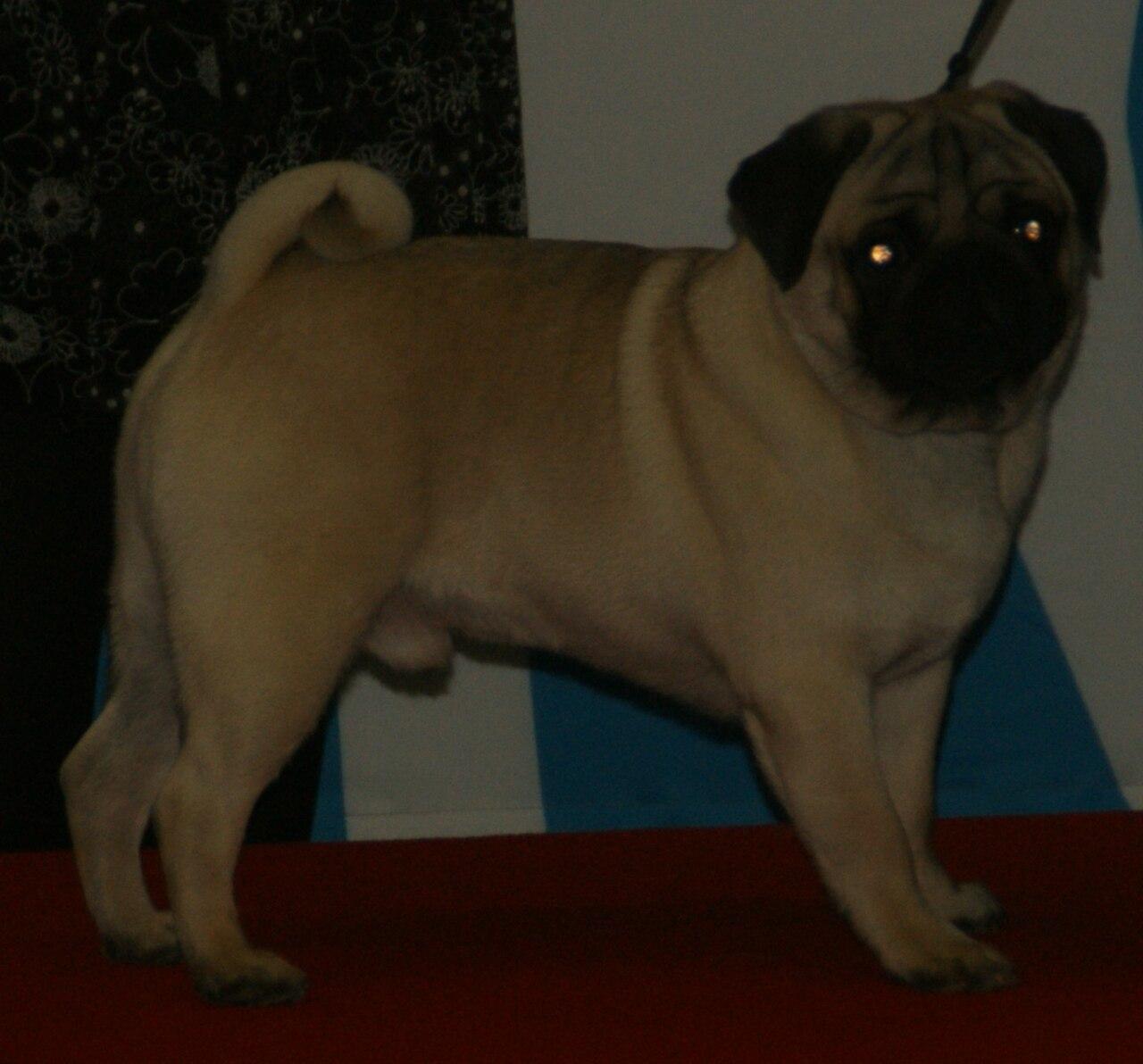
Fawn Pug · Black Pug
Snorting comedian that loves kids and naps equally
Charming, sturdy, and hilarious — pugs were bred to sit on laps and make people laugh. Low exercise needs suit apartments, but the flat face means snoring, heat danger, and real vet bills.
Photo: Wikimedia Commons / Canarian / CC BY-SA 4.0
Care guide last reviewed: · Care requirements referenced from veterinary and humane standards.
Any apartment; no garden needed. Must stay cool in summer.
Moderate (3/5)
Misses company — best with someone home often
Thrives with daily company
Three curated supplies researched for this companion's specific anatomy and daily welfare
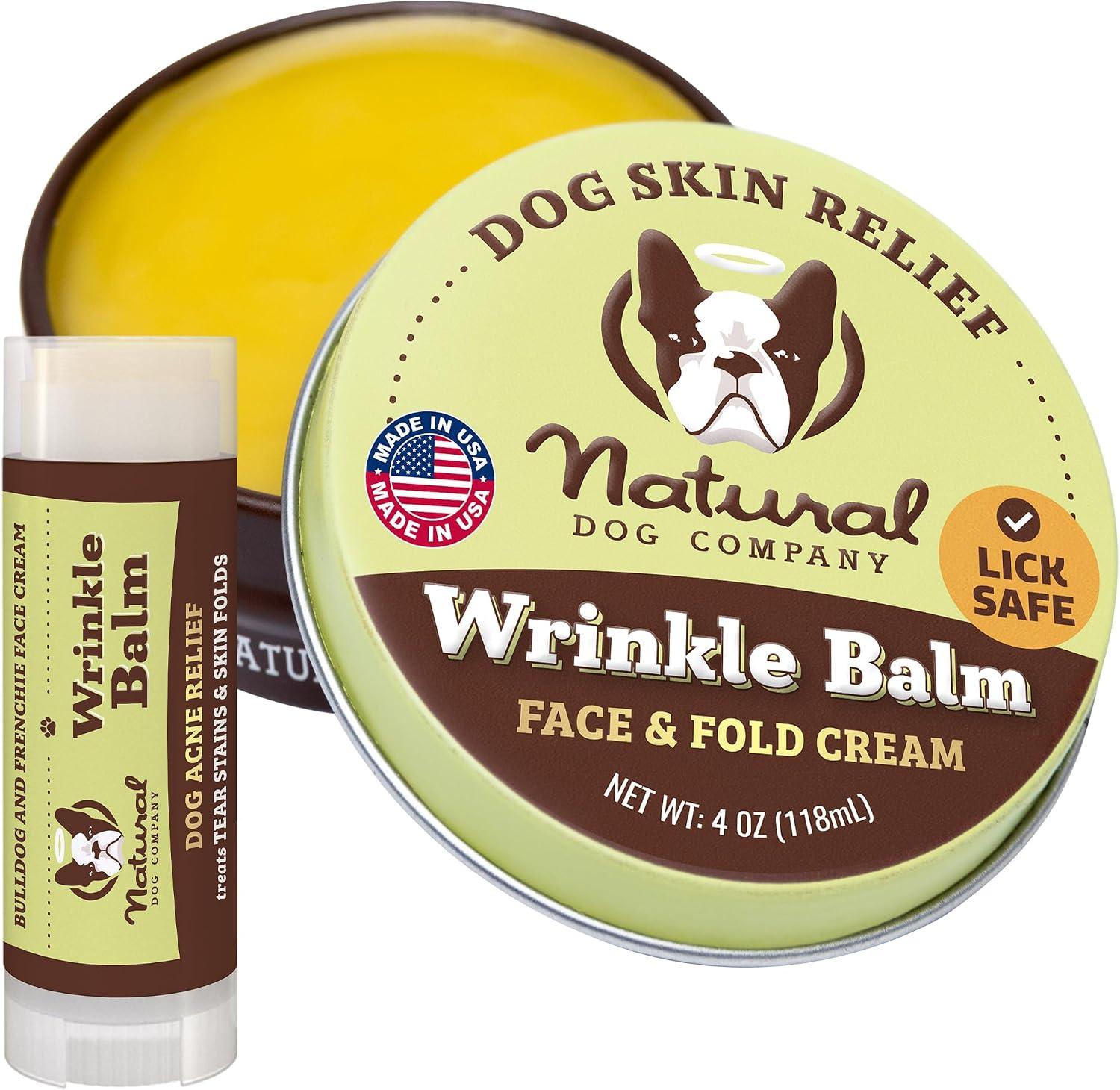
Pugs have deep facial nasal ropes that collect moisture and bacterial buildup; organic soothing balm heals yeast flare-ups and keeps folds supple.
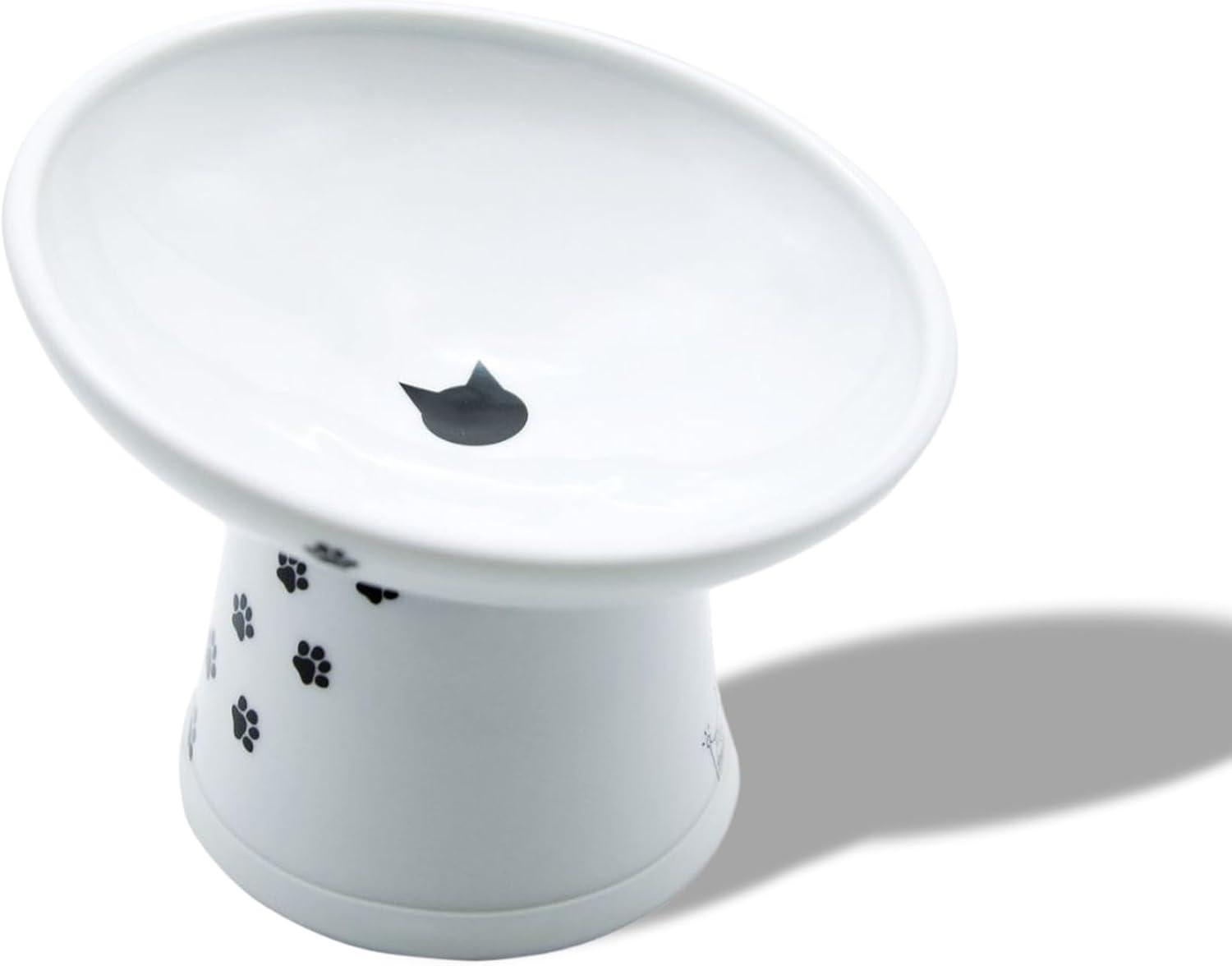
Pugs have compressed nasal passages and wide jaw structures; an elevated, 15-degree tilted ceramic bowl reduces vomiting and aerophagia (gas swallowing).
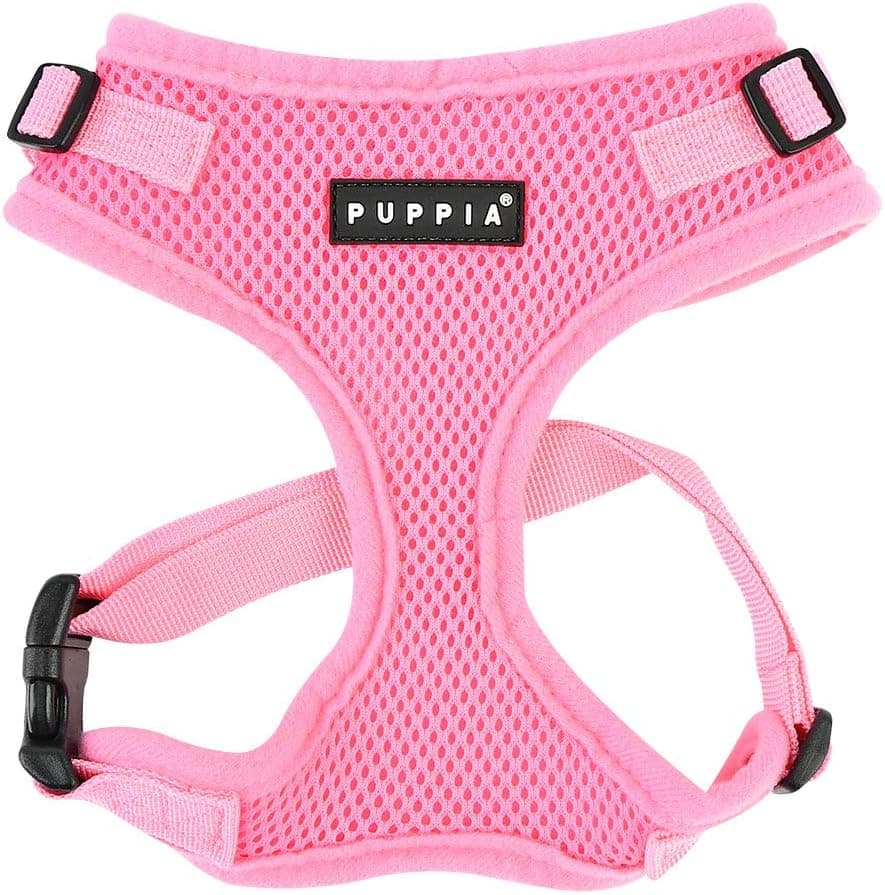
Pugs are prone to elongated soft palates and stenotic nares; any collar pressure triggers respiratory distress, making a custom-fitting mesh vest vital.
As an Amazon Associate, WhatPetSuitsYou earns from qualifying purchases. Product prices and availability are accurate at Amazon and subject to change.
As a pet, the Pug is a snorting philosopher-clown: it follows you room to room, sits on feet, performs snort-gurgle commentary, plays joyfully with kids and dogs, and then naps like a professional — ideally touching you. Noise is moderate: conversational snorts, snores, and grumbles rather than sharp barking marathons. Shedding shocks everyone (short fawn hairs on everything, year-round) and the face needs daily wiping.
It cannot be left in heat, swim, run far, or be alone all day without fretting. Give it cool air, short waddles, lap time, and an audience, and you get one of the most purely entertaining companions in dogdom.
Feed a complete small-breed adult food in two measured meals daily — most 14 to 18 lb Pugs need roughly 450 to 600 calories, or about 1 to 1.5 cups of standard kibble — because Pugs are the undisputed Olympic champions of weight gain and begging. Extra kilos worsen breathing, joints, and heat tolerance dramatically, so use a measuring cup, keep treats under 10 percent, and reward with play or fuss as often as food. Use a slow-feeder bowl (flat faces gulp air), rest 30 minutes either side of meals, and keep to one steady recipe for sensitive stomachs.
Puppies need 3 small meals until 6 months. Avoid chocolate, grapes, raisins, onions, garlic, xylitol, cooked bones, and fatty scraps.
Any apartment suits — no garden needed — with summer cooling as the critical system: air conditioning or a cool tiled room, cooling mat, water in every room, and walks at dawn and dusk only. Fit a harness, never a collar, to protect the airway and bulging eyes (tight collars raise eye-injury risk), and provide a crate or pen as a calm den.
Block pools and ponds — Pugs swim badly and sink fast — and never kennel them outdoors or leave them in cars. Set up a fold-cleaning station with vet wipes and dry cloths by the sofa, plus puzzle toys for rainy days, since overheating rules out midday summer exercise entirely.
Give 30 to 45 minutes daily: two short 10 to 20 minute gentle walks in cool air plus 10 minutes of indoor play and 5 minutes of training — Pugs are playful but physiologically unsuited to endurance. Wipe the nose fold and facial wrinkles daily then dry thoroughly, brush the surprisingly shed-heavy short coat twice weekly, clean ears weekly, trim nails every 2 to 3 weeks, and check prominent eyes daily for squinting, cloudiness, or pawing. Bathe monthly.
Above about 24°C, swap walks for snuffle mats and chews. Treat noisy open-mouth breathing, blue gums, staggering, or collapse as an emergency: cool with tepid water and get to a vet fast.
Annual vet checks with breathing, eye, skin, knee, and weight review; report worsening snoring, gagging, fainting, or exercise intolerance early. BOAS management mirrors the Frenchie playbook (lean weight, cool air, harness, possible airway surgery $1,500 to $5,000). Eyes are the Pug-specific emergency zone: bulging eyes ulcerate easily (squinting or cloudiness means same-day vet), pigmentary keratitis creeps across corneas without monitoring, and proptosis after head trauma needs instant care.
Expect skin-fold dermatitis, ear infections, luxating patellas, hip dysplasia, and hemivertebrae spinal issues in some lines. Insure from puppyhood and use a brachy-savvy clinic for anaesthesia.
Budget $120 to $200 a month: $30 to $50 for food and treats, $25 to $40 for prevention and amortised vaccines, $15 to $25 for wipes, shampoo, and toys, and $40 to $65 for insurance — essential for a flat-faced breed. First year runs $1,800 to $3,000 with vaccines, spay or neuter, crate, harnesses, and cooling gear.
Cost drivers are BOAS airway surgery, eye-ulcer treatment or surgery ($500 to $2,500), allergy management ($50 to $150 a month for Apoquel or Cytopoint), and knee surgery. Seniors with breathing, eye, and joint care commonly pass $250 a month.
Pugs suit apartment beginners who are home often, love comedy, and want a sturdy small dog needing only gentle exercise. Training basics come easily with food, and children get a robust playmate rather than a fragile ornament. But budget and climate honesty matter: breathing limits, heat danger, snoring, heavy shedding, and potentially large vet bills surprise many owners.
You will struggle if money is tight, you live somewhere hot without air conditioning, you want a running partner, or you cannot tolerate snorts, snores, and eye-goop routines. Keep the Pug lean, cool, insured, and harness-walked, and it repays you with unmatched clownish devotion.
Yes, with two honest caveats: money and heat. Pugs are affectionate, sturdy with kids, need only 30 to 45 minutes of gentle exercise, and train willingly for food.
But flat-face breathing issues, heatstroke risk, and potentially large vet bills demand insurance, air conditioning, and a cool-walk routine. If your budget is tight or your summers are hot without cooling, choose a longer-nosed breed.
About 30 to 45 minutes daily: two short gentle walks in cool air plus indoor play. Pugs tire quickly and overheat dangerously because of BOAS — never jog, cycle, or hike far with one, skip walks above about 24°C, use a harness, and stop at heavy panting.
A paddling pool with supervision and puzzle toys beat endurance exercise for this breed.
Centuries of breeding for bulging eyes in shallow sockets leave corneas exposed, poorly lubricated, and easily scratched — ulcers, dry eye, and creeping pigmentary keratitis are all common, and trauma can even dislodge the eye. Prevention: harness walks, no rough face-play, trim face-level hazards, and treat any squinting, cloudiness, or pawing as a same-day emergency.
Never wait and see with Pug eyes.
Take our free 15-question what pet should I get quiz to get a personalized compatibility score and see how they match your living environment.
Take the Free Pet Quiz